





 Portuguese
  English
  Spanish
  4 min of reading
  0 comments


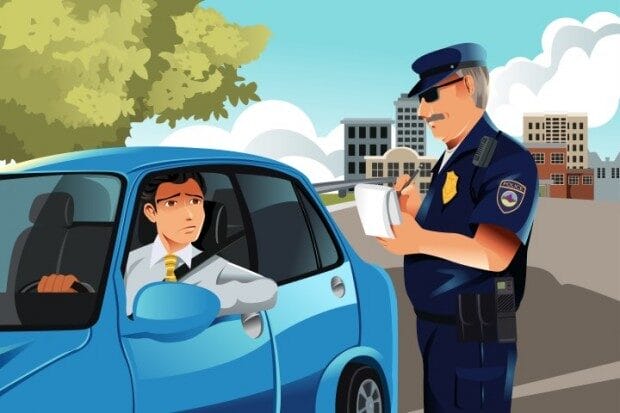
The Most Common Fine in Brazil Can Result in Suspension of the Driver’s License. Find Out How to Avoid Unjust Penalties and Know the Rules About These Offenses by Checking What the Legislation Says and How to Appeal Against Improperly Applied Fines.
Speeding in Brazil: this offense is costing Brazilian drivers a lot, and it can result in losing your driver’s license if you don’t know all the details to protect yourself.
Who hasn’t passed a radar and felt that chill down their spine, not knowing if they were within the limit? This is more common than one might think.
But what many drivers don’t know is that, in addition to the fine, there is the risk of suspension of the driver’s license. And worse: in some cases, you might be penalized unjustly without even realizing it.
-
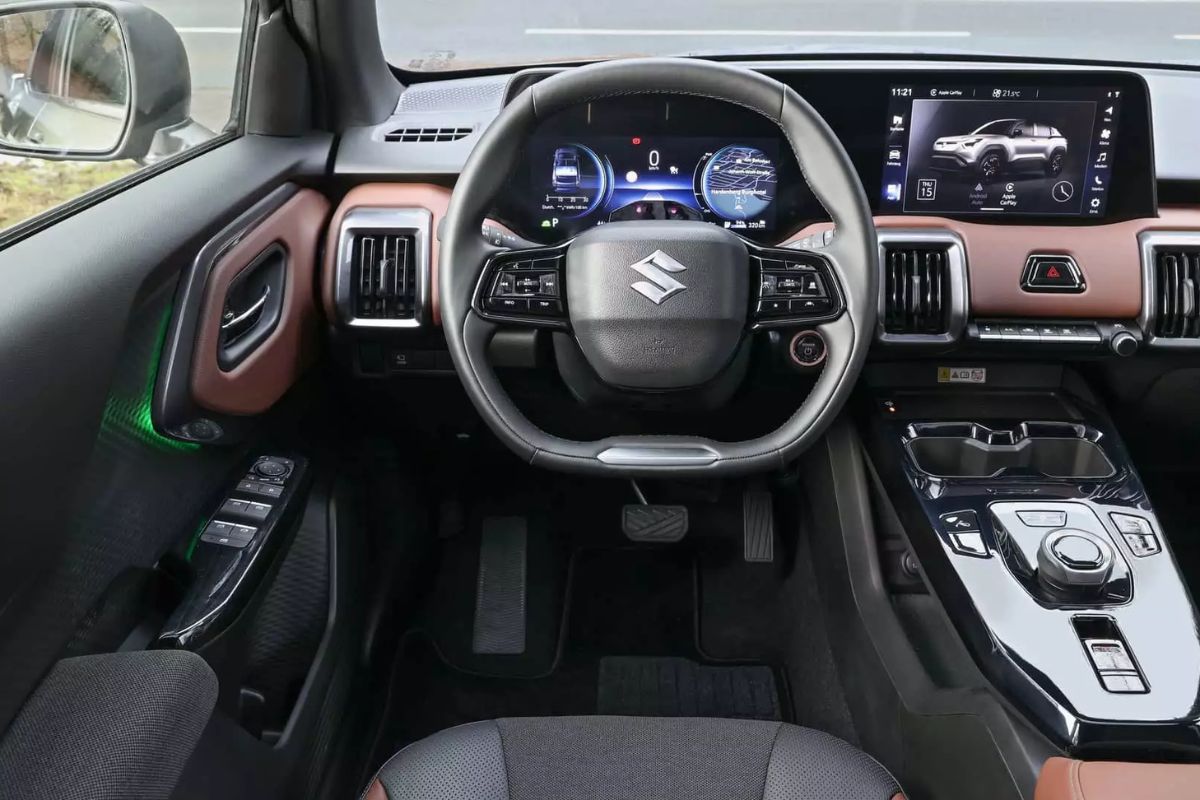
The 2026 electric Vitara arrives in Brazil and proves that Suzuki is not leaving: 4×4 traction, 184 hp, 61 kWh LFP battery, 293 km range, R$ 259,000, and a trunk capacity of 224 L.
-
The institute that trained the greatest aerospace engineers in Brazil has just opened its first campus outside São Paulo after 75 years: ITA Ceará will have R$ 445 million, new courses in energy and systems, and classes are expected to start in 2027.

-
Luciano Hang, owner of Havan, goes to Juiz de Fora after the tragedy in February, brings R$ 1 million, hands out R$ 2,000 cards, and donates up to R$ 15,000 to victims in the region.

-
The Brazilian passport allows legal residence in dozens of countries without the need for a prior visa, and most Brazilians are unaware that they can apply for residency directly upon arriving in nations in South America, Africa, and even Europe.


The numbers are alarming: in May 2024 alone, more than 2.9 million offenses were registered in Brazil, according to the National Traffic Offenses Registry (Renainf).
Speeding, which is the most common offense on Brazilian roads, is also one of the main causes of serious accidents. But what exactly does the legislation provide? And how can you avoid a simple violation leading to the suspension of your license?
The Legislation and the Consequences for the Driver
In Brazil, the Brazilian Traffic Code (CTB) categorizes speeding into three types of offenses, each with different penalties. The higher the speed in relation to the speed limit, the more severe the consequences will be.
Check the table below for the types of speeding offenses and their respective penalties:
| Offense | Penalty | Fine |
|---|---|---|
| Up to 20% over the allowed limit | Medium, 4 points on the driver’s license | R$ 130.16 |
| Between 20% and 50% over the limit | Serious, 5 points on the driver’s license | R$ 195.23 |
| More than 50% over the limit | Very Serious, suspension of the driver’s license from 2 to 8 months | R$ 880.41 |
A very serious offense for speeding, when exceeding 50% of the limit, results in immediate suspension of the driver’s license. This means that even if the driver has a clean record, that single offense can leave them unable to drive for up to 8 months.
Radars: How Should They Be Positioned?
The radars, crucial tools for monitoring speeding, must follow strict installation rules. According to Resolution No. 798/2020 of Contran, radars must be in visible and signposted locations. This means that a radar cannot be hidden behind trees, awnings, or any other structure that obstructs the driver’s view.
If a driver is fined by a radar that was not visible, they have the right to appeal, as the offense may be considered invalid. Additionally, portable radars operated by traffic agents must also be used in clear visibility conditions. The agent must be uniformed, and monitoring cannot occur in uncharted locations that have not been previously disclosed to the public.
Radars: Not Always Reliable
Even with all the regulations, radars are not infallible. These devices, like any electronic device, can malfunction. For this reason, Inmetro conducts annual tests to ensure the accuracy of the devices. If a radar is out of calibration, the fine can be canceled.
Another important point is road signage. Areas with radar enforcement must have proper signage with R-19 plates, indicating the maximum speed allowed. If this signage is absent or incorrect, the offense can also be contested.
How to Avoid Unjust Fines?
To avoid unjust penalties, it is essential for the driver to be aware of their rights. If you receive a fine for speeding, check the following points before paying the penalty:
- Was the radar visible? If not, the fine can be contested.
- Was the road properly signposted with maximum speed limit signs? In case of absence or incorrect signage, the fine should be filed away.
- Is the radar properly calibrated? Check the Inmetro registration number on the notice. If it is absent or outdated, you can appeal.
All of these details are crucial to ensure that you are not unjustly penalized. Millions of drivers already face the possibility of losing their driver’s licenses due to speeding. Knowing how to defend yourself can make all the difference.
The Importance of Knowing the Rules
With more than 2.9 million offenses registered in May 2024, speeding remains a significant problem in Brazilian traffic.
But what do you think? Are speeding fines fair or are they just a trap to catch unsuspecting drivers? Share your opinion in the comments!









Seja o primeiro a reagir!