





 Portuguese
  English
  Spanish
  4 min of reading
  2 comments


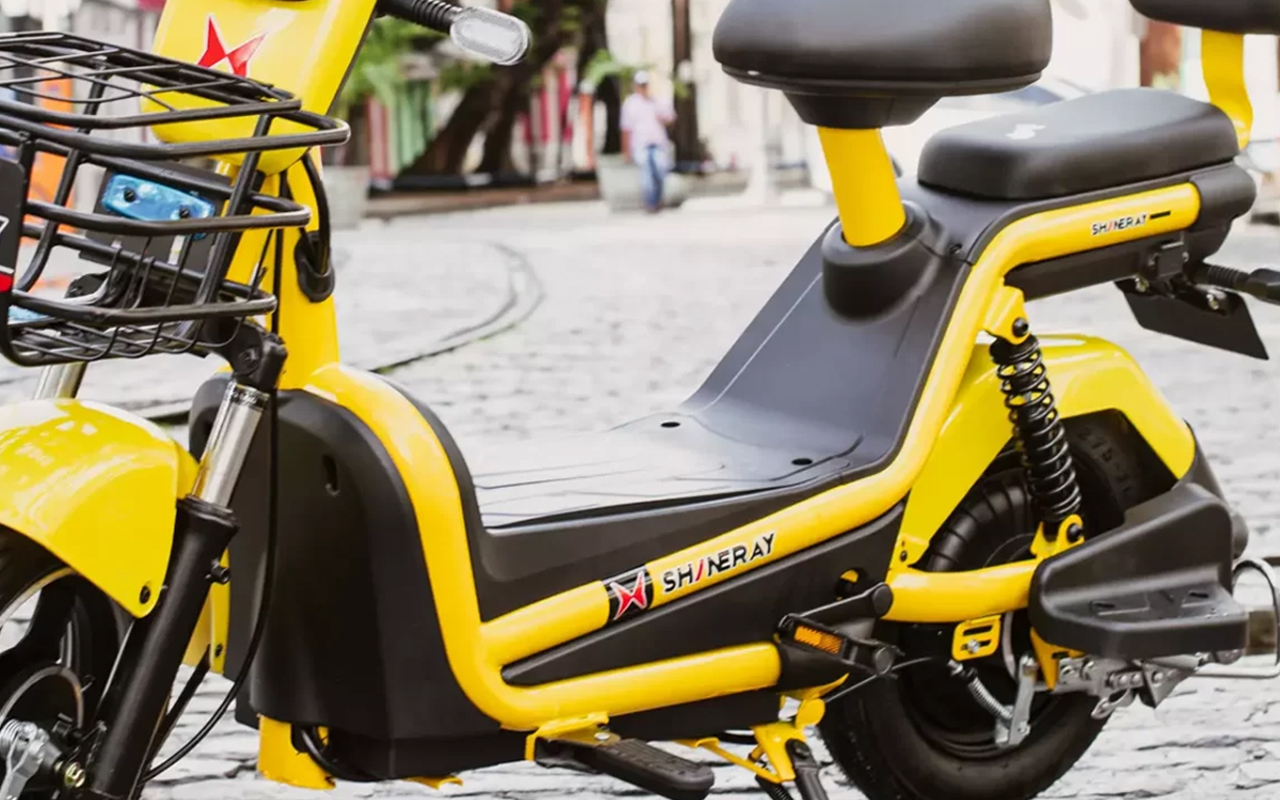


The Shineray PT1 Is a Cheap Electric Motorcycle With a Speed of Up to 32 km/h and a Range of Up to 25 km, Designed for Short Trips. To Ride, No Category A Driver’s License Is Required.
The popularization of scooters and electric motorcycles with low power has opened up space for simple, economical, and quiet alternatives in everyday life. Among them, the Shineray PT1 has gained visibility for combining a price below R$ 7,000 with an urban proposal and uncomplicated maintenance.
With a 350 W motor, a maximum speed of up to 32 km/h, and a range of up to 25 km, the PT1 qualifies as a moped, a category with its own circulation and licensing rules. It is a practical solution for those who need to reduce transportation costs for short trips.
You will understand price and specifications, what ACC is, which legal obligations apply to mopeds, and for whom the PT1 really makes sense, with usage tips and limitations to decide safely.
-
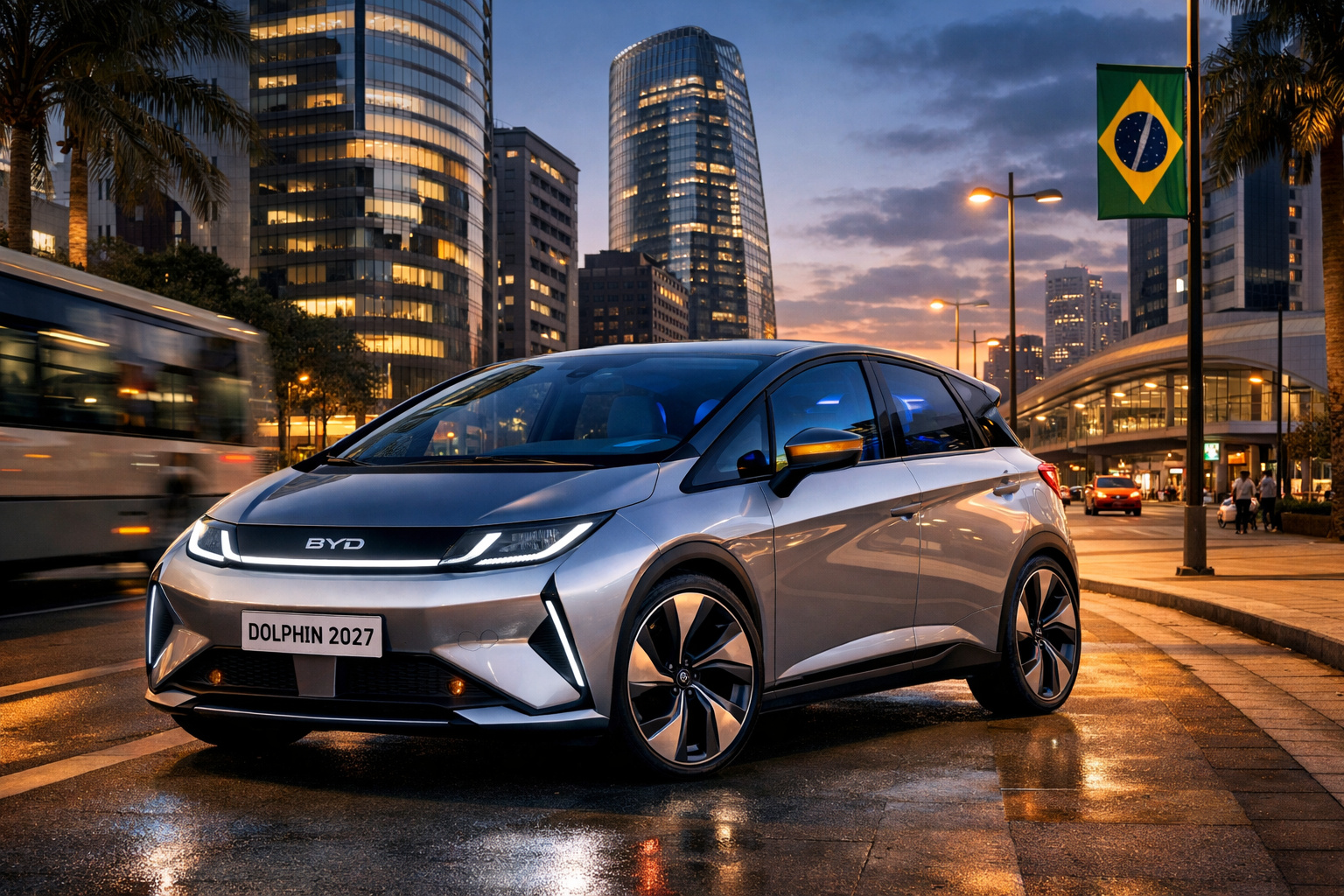
BYD Dolphin 2027 gains more power, increases in size, changes interior, and abandons controversial feature to face new competition in Brazil.
-
The German economist Wolf-Peter Schill has no doubts: “Electric cars are already far superior to cars with internal combustion engines.”

-
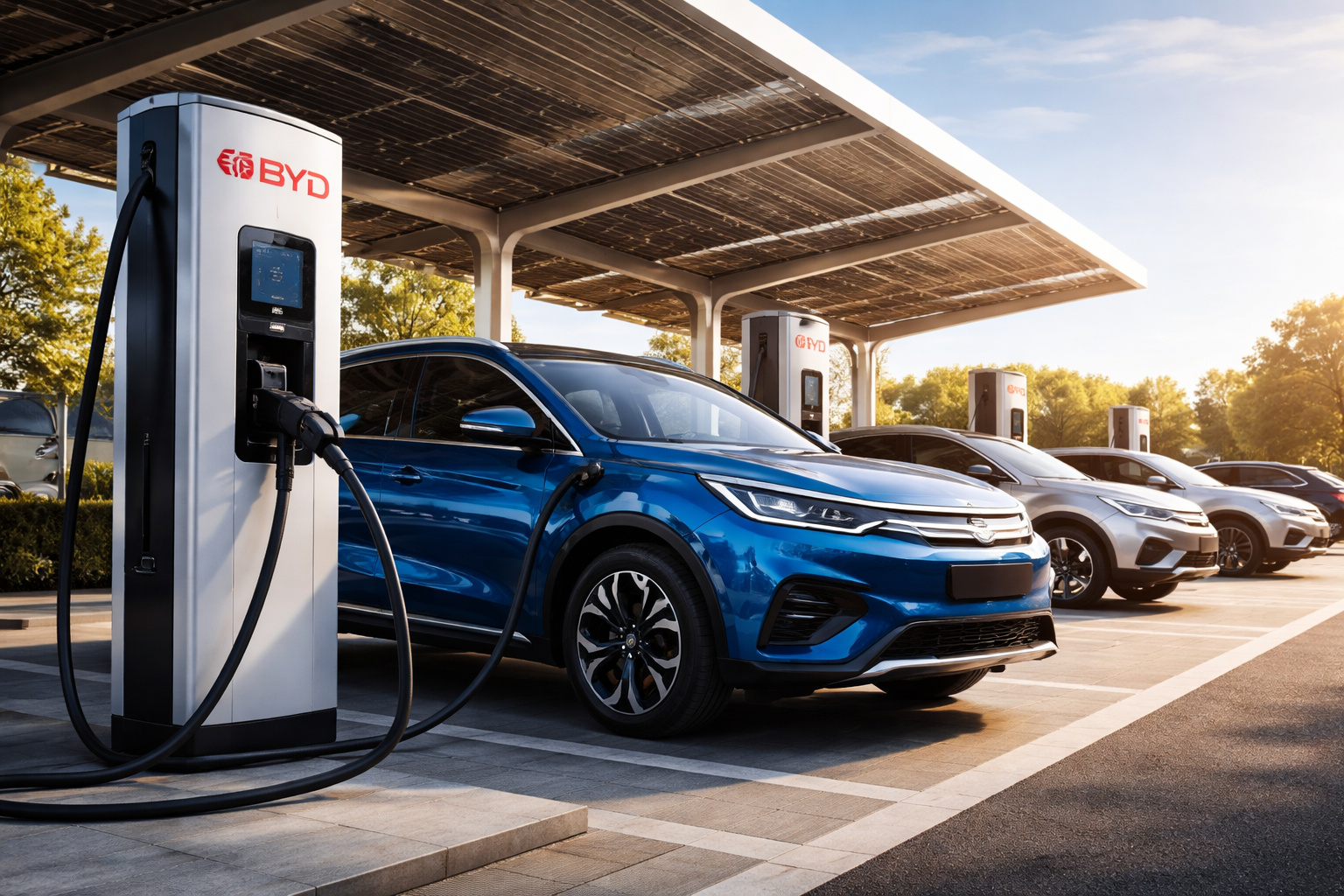
Largest public charging network in Brazil: BYD reaches 125 fast chargers and accelerates national expansion of electric mobility.
-
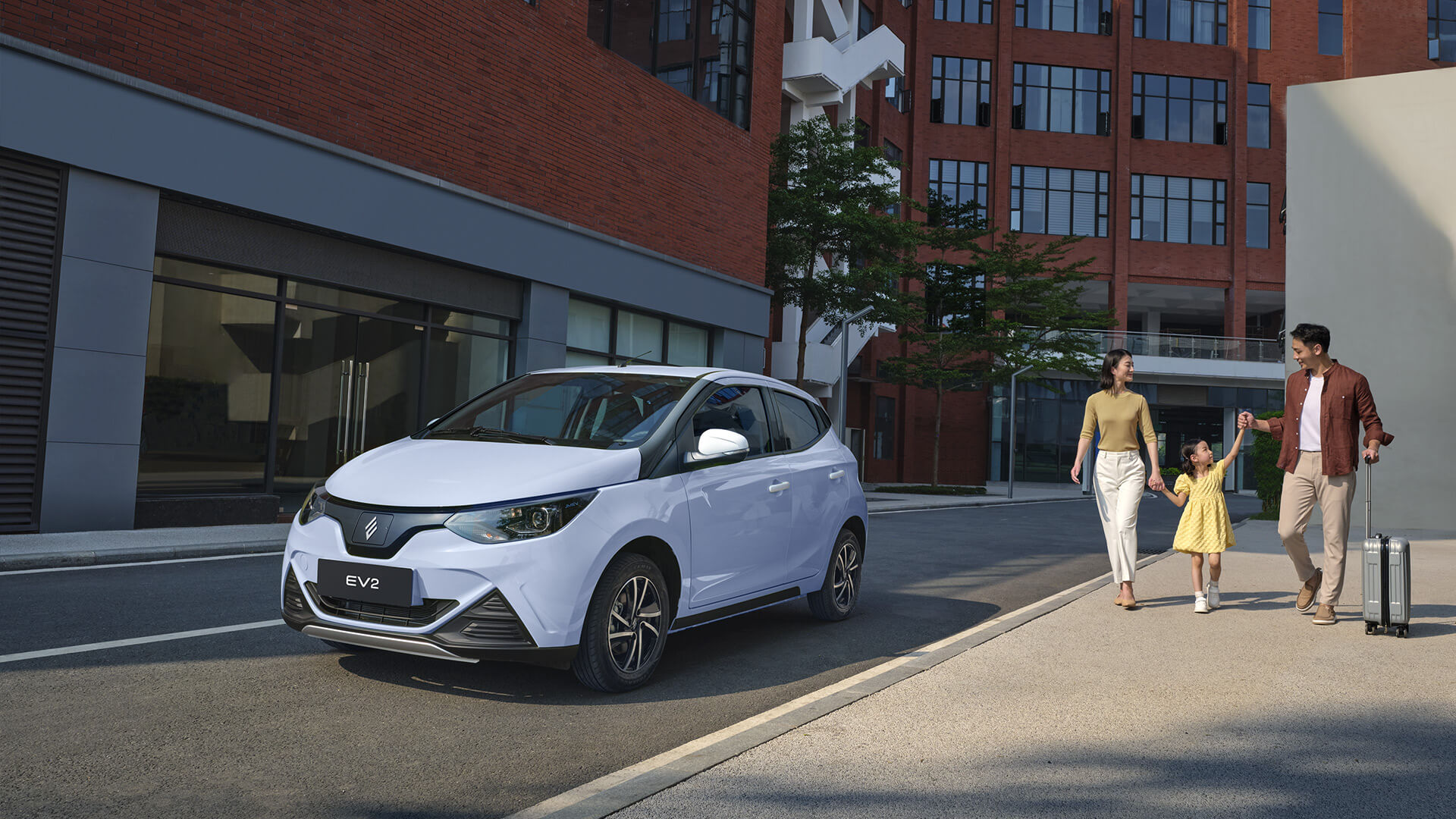
Goodbye expensive popular car: electric vehicle for less than R$ 70,000 starts being sold in Brazil with a range of 200 km and targets those looking to escape gasoline.

Shineray PT1, Price and Specifications: Range of 25 km and Common Outlet
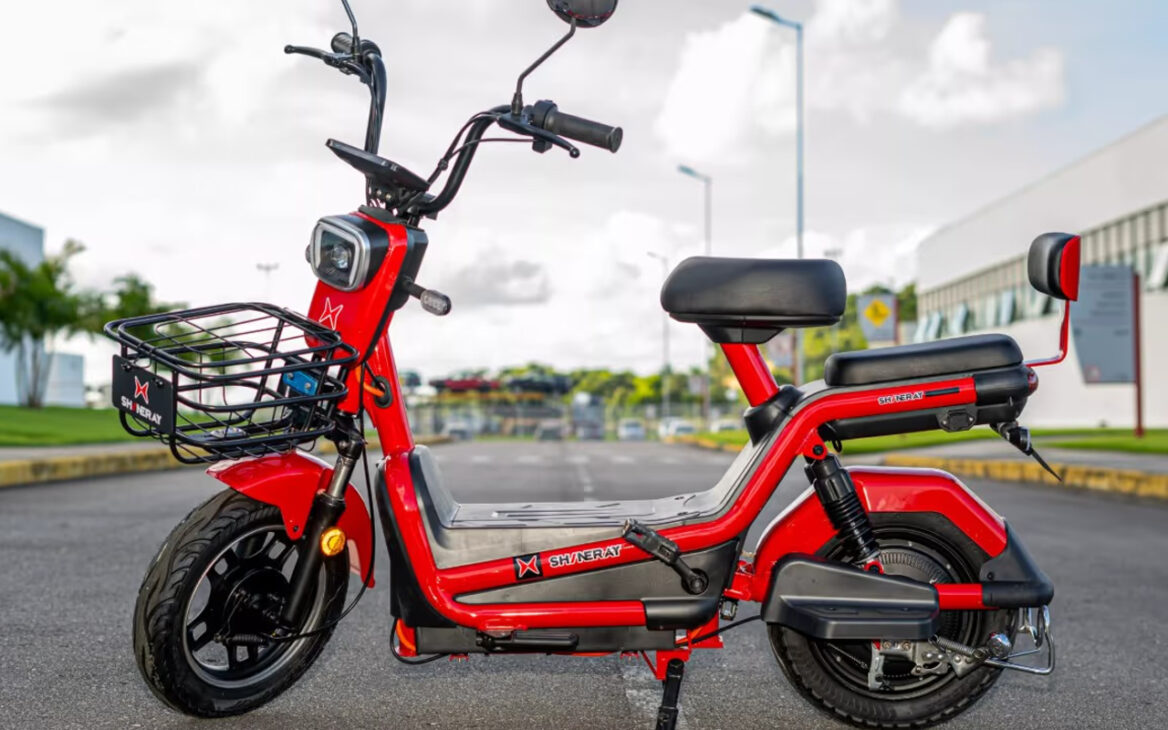
The Shineray PT1 price appears in recent offers on the manufacturer’s website starting at R$ 6,940, a value that reinforces the proposal of a cheap electric motorcycle for urban use. The number may vary depending on the city, stock, and commercial policies of the network. The appeal lies in the low entry cost for an electric vehicle that solves short trips.
In the specifications, the manufacturer indicates a 350 W brushless electric motor, speed of up to 32 km/h, lead-acid battery, and range of up to 25 km per charge, typical performance for mopeds. It consists of a simple set with drum brakes and compact dimensions to facilitate maneuvering and parking.
The charging via common outlet is one of the differentiators. Technical materials and authorized networks mention times that generally vary between 4 and 8 hours, depending on the state of the battery and the electrical network. The practical recommendation is to charge at night to start the day with a full charge and explore the range within your usual route.
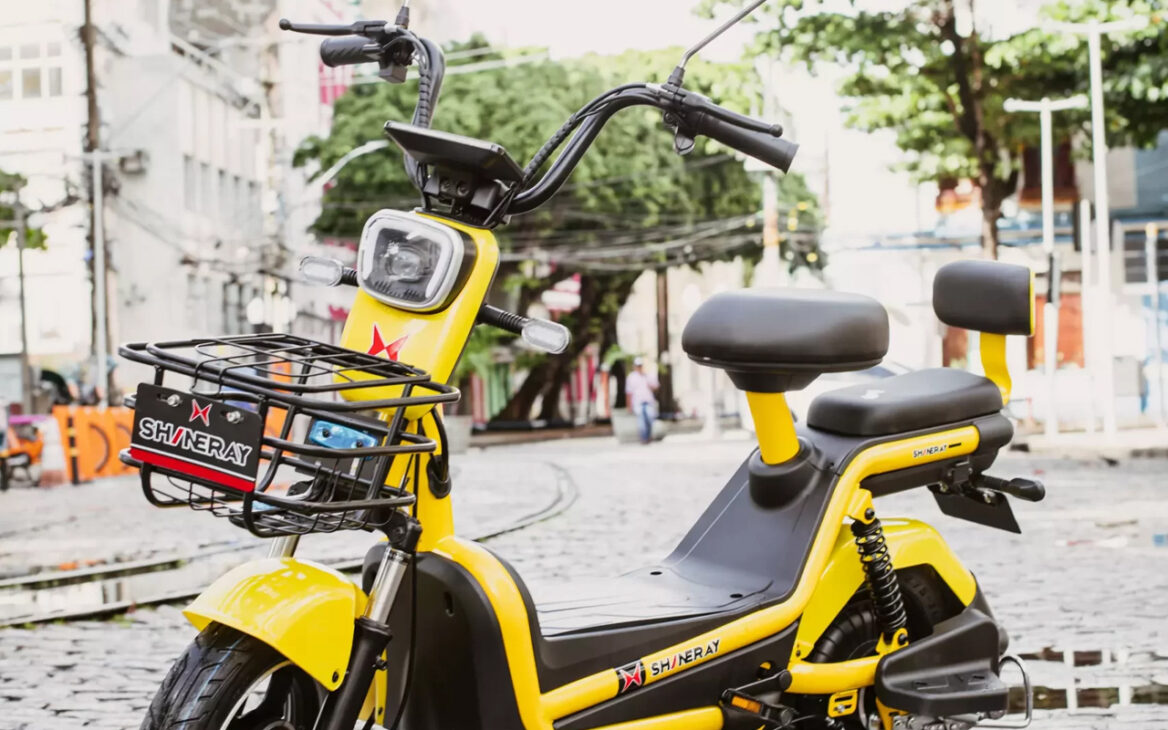
ACC Moped: What It Is, Who Needs It, and How to Get It
Unlike a conventional motorcycle, the PT1 does not require a Category A driver’s license, but it does require an ACC moped for those who do not have a license to ride motorcycles. The Authorization to Operate a Moped is valid for low-power vehicles that do not exceed the category limits and is allowed from the age of 18.
The process is done through the state’s Detran, with steps similar to those of a first license, but directed towards the moped. Generally, it involves medical and psychological evaluations, a theoretical course with a test, and a specific practical exam. In some states, those who already have a Category B license can add the ACC to the document after meeting local requirements.
To avoid surprises, it is important to check requirements, deadlines, and fees directly with your local Detran. Proper regularization allows you to ride legally and reduces the risk of fines and vehicle seizure.
Registration, Licensing, and Helmet: Rules That Apply to the PT1
As a moped, the PT1 is subject to registration, licensing, and annual licensing with the state traffic agency. Brazil has established rules for mopeds and electric bicycles, and the time frame for inclusion in the Renavam was defined in recent regulations for vehicles that were still unregistered.
Another point that cannot be ignored is the use of a helmet. Federal law requires helmets for riders and passengers on mopeds, with specifications for visors or goggles and proper fastening.
Aside from avoiding fines, the helmet is the most important safety item for this type of vehicle. In summary, to ride the PT1, you need license plate, licensing, and a helmet. Regularize the vehicle, keep the documents up to date, and respect the local traffic rules, including speed limits and roads where mopeds are allowed.
For Whom the PT1 Makes Sense: Urban Use, Low Cost per Kilometer, and Predictable Routine
The electric motorcycle that does not require a driver’s license attracts the attention of students and workers who make short and repetitive trips, such as going to work, college, or running neighborhood errands. Within this scenario, the range of 25 km covers the round trip for many people.
Since there are no expenses for gasoline and the charging is done at a common outlet, the cost per kilometer tends to drop significantly, especially when compared to combustion scooters on urban routes. The secret is to plan slower routes and flexible timing, exploring side streets and avoiding fast roads.
If your routine allows for predictable routes and you are willing to get the ACC and register the vehicle, the PT1 can become an economic alternative for daily mobility, with low noise and zero local gas emissions during use.








COM TODO RESPEITO QUE MATÉRIA QUE NÃO CONDIZ NADA COM NADAAAA. PRIMEIRO QUE ESSE MODELO NÃO É MOTO ELÉTRICA E SIM UM AUTOPROPELIDO E SIM DOS MENORES DE POTÊNCIA AINDA (350 W) QUE NO CASO NENHUM DESSES MODELOS DE 300 350 500 600 800 WATTS PRECISAM DE ACC POIS SÃO AUTOPROPELIDOS DE BAIXA DESENVOLTURA E QUE ATINGEM ATÉ 32 KMS , INCLUSIVE ESSES QUE SÃO OS LIBERADOS E AUTORIZADOS A ANDAR PELA ORLA DA PRAIA E DEMAIS . NÃO PRECISA EMPLACAMENTO E NADAAAAAA COMO RELATADO NA MATÉRIA ACIMA TAMBÉM.
Abaixo de 1000w e com velocidade máxima de 32km/h é considerado autopropelido, não precisa de ACC, o ACC é para ciclomotores que atingem 50km/h.