





 Portuguese
  English
  Spanish
  3 min of reading
  0 comments


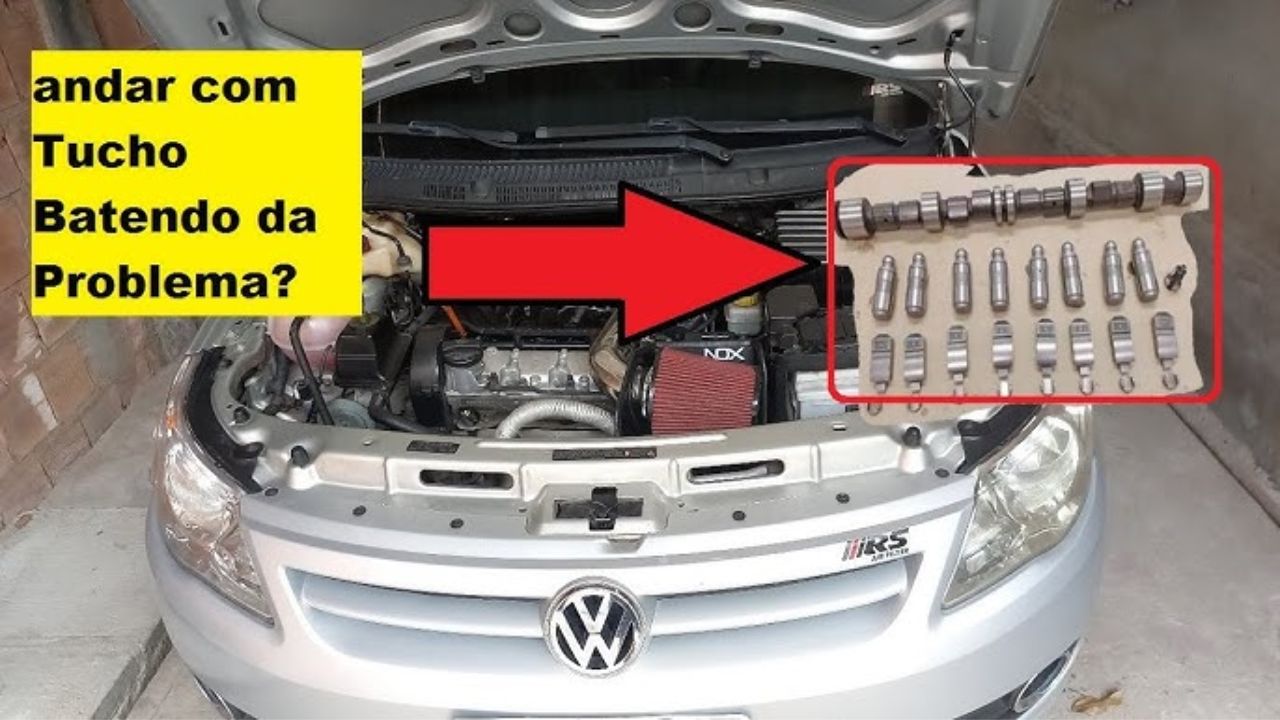
Learn How to Detect a Tappet Knocking Engine, the Impacts on Performance and Fuel Consumption of the Vehicle and the Repair Alternatives to Preserve the Engine.
A tappet knocking engine emits a continuous metallic sound, similar to a “tec-tec-tec.” This noise becomes more noticeable when the engine is cold, especially during the first starts of the day, and tends to be more perceptible at idle.
To identify the problem, open the hood in the morning and start the engine.
If the noise comes from the cylinder head, it’s a sign that the hydraulic tappets have slack or wear, and the engine needs attention.
-
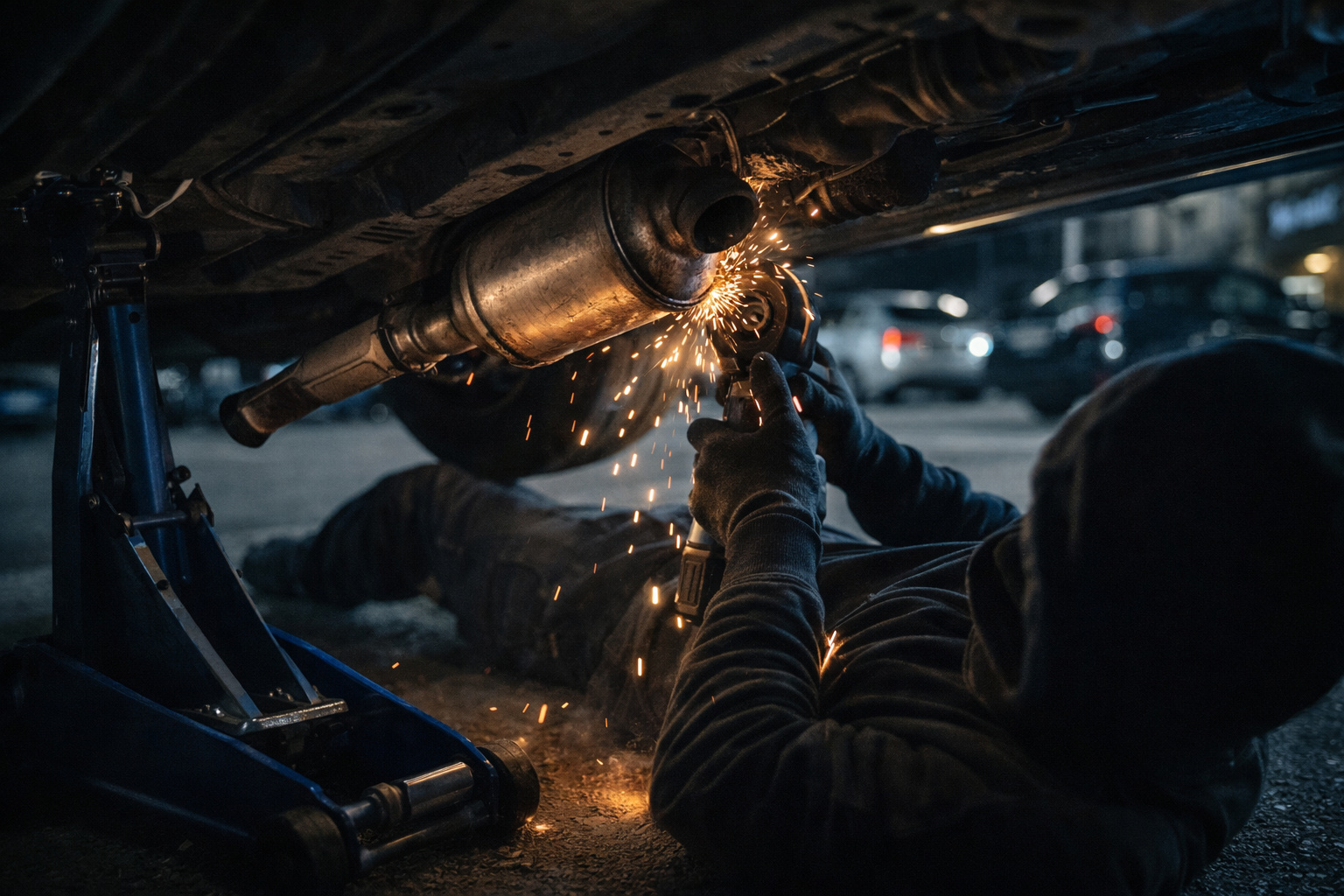
Thefts of catalytic converters are increasing in Brazil, a component that contains platinum, palladium, and rhodium, metals that can be worth more than gold, and can be removed from under a car in less than 2 minutes, causing losses of up to R$ 8,000 and only being noticed when the driver starts the vehicle and hears an extreme noise from the exhaust.
-
Changan launches Nevo Q06 with 800V architecture and 6C ultra-fast charging, AWD option with two rear motors, EV and EREV versions, LiDAR on the roof, and up to 14 different wheels now.

-
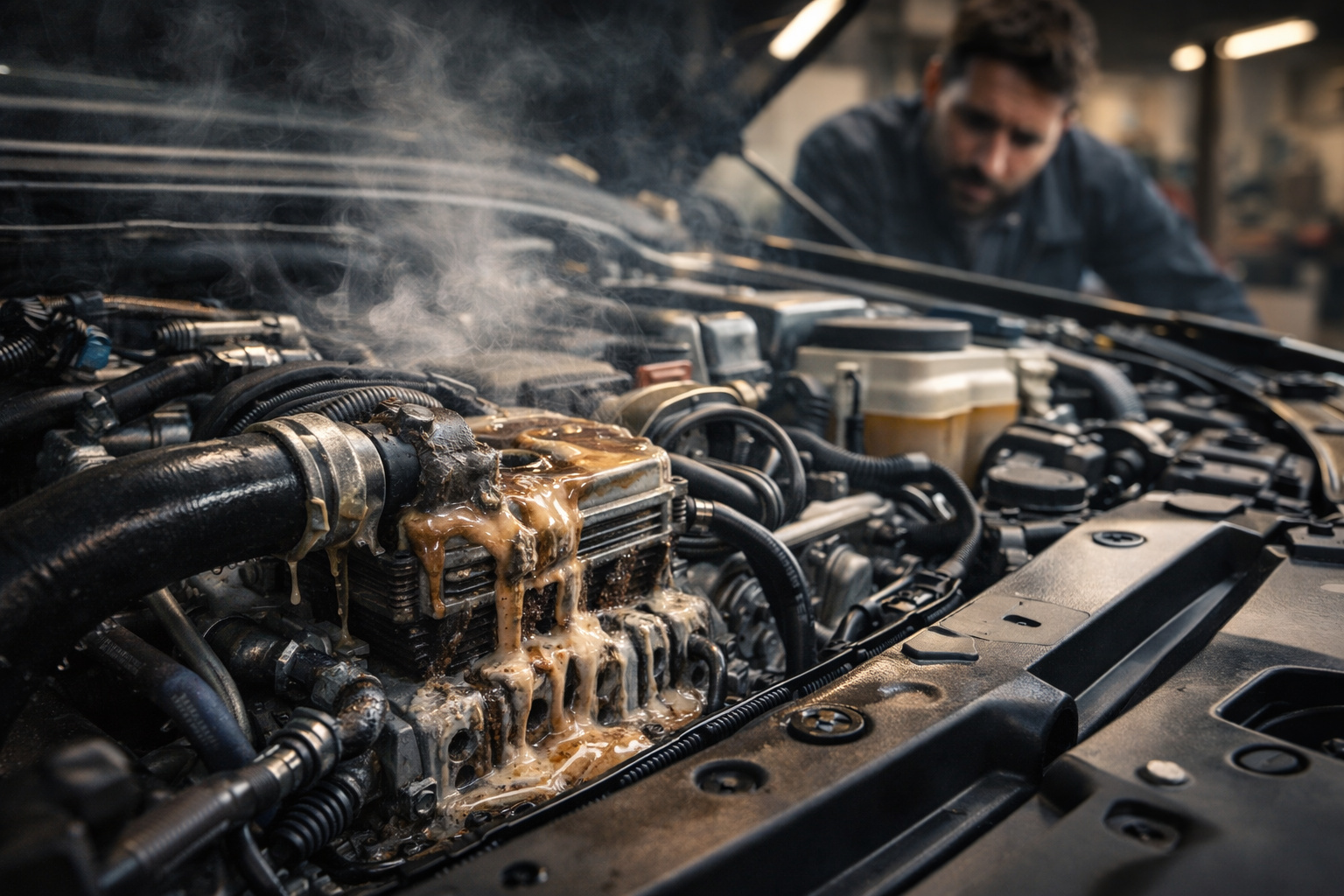
Losses that can exceed R$ 15,000 affect owners of Jeep Renegade and Compass after a failure in the heat exchanger mixes oil with coolant, generating emulsion in the system and causing overheating that can destroy the transmission.
-
Car starting from R$ 29 thousand with Fiat’s unbreakable engine: 4 used options with up to 167 hp, 23 kgfm, and 0 to 100 km/h in 7.4 s; turbo with overboost and surprising performance.

Symptoms of a Tappet Knocking Engine
In addition to the characteristic sound, other signs help diagnose the problem.
During driving, the car may experience loss of power, acceleration issues, and irregular idling.
This happens because the valves are not opening correctly, compromising the intake of the air-fuel mixture.
Oil leaks around the cylinder head also indicate that the tappets may be compromised, increasing the wear of internal engine components.
Consequences of Ignoring the Problem
If the tappet knocking engine is not treated quickly, the wear can spread to parts such as the rocker arms and camshaft.
This leads to reduced performance, higher fuel consumption, and increased maintenance costs.
The irregular operation of the engine affects the entire operation of the vehicle, harming both performance and the durability of internal components.
How to Make the Repair?
The repair of the tappet depends on the severity of the wear. When identified early, it usually suffices to replace only the hydraulic tappets.
If the problem persists for too long, it will also be necessary to replace parts that make contact with the tappets, such as rocker arms and camshaft.
This ensures that the engine operates correctly again.
A hydraulic tappet typically lasts between 100,000 and 150,000 km, but factors such as oil maintenance, driving style, and usage conditions can reduce its lifespan.
Prevention and Maintenance
Maintaining preventive maintenance is the most effective way to prevent the tappet knocking engine from becoming a serious problem. Among the main recommendations:
- Change the oil regularly, according to the manufacturer’s instructions;
- Observe unusual noises, especially in cold engines;
- Check for possible oil leaks around the cylinder head.
Prevention helps extend the life of the engine and avoids costly repairs.
Listening carefully to the metallic sound of a tappet knocking engine and recognizing the early signs of failure is essential to protect the engine.
With correct diagnosis and proper maintenance, it is possible to preserve performance, reduce fuel consumption, and extend the durability of the vehicle.
Detecting the problem early ensures safety, savings, and fewer headaches in the future.
Source: AutoPapo










-

12 pessoas reagiram a isso.