Portuguese
  Spanish


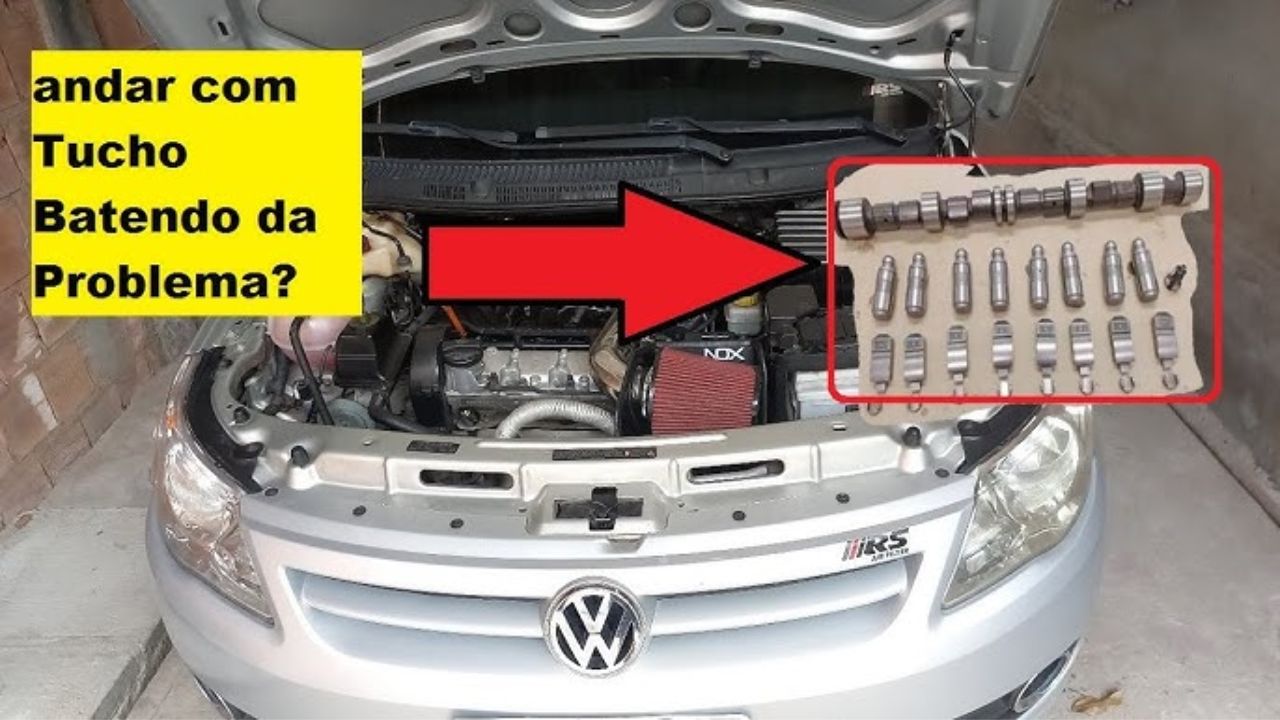


Learn How to Detect a Tappet Knocking Engine, the Impacts on Performance and Fuel Consumption of the Vehicle and the Repair Alternatives to Preserve the Engine.
A tappet knocking engine emits a continuous metallic sound, similar to a “tec-tec-tec.” This noise becomes more noticeable when the engine is cold, especially during the first starts of the day, and tends to be more perceptible at idle.
To identify the problem, open the hood in the morning and start the engine.
If the noise comes from the cylinder head, it’s a sign that the hydraulic tappets have slack or wear, and the engine needs attention.
-
Hilux’s little sister: Toyota relaunches the Land Cruiser 70 in the 2027 lineup with over 40 years of production, a 2.8 turbo diesel engine with 201 hp and 51 kgfm, a six-speed automatic transmission, and a renewed retro look.

-
Automatic, economical, and known for reliability: with a 1.5 engine of up to 110 hp, CVT transmission, seven airbags, and fuel consumption of up to 15.9 km/l, this used hatchback appears as a rational alternative to Polo, HB20, and Onix; meet the Toyota Yaris XLS 2020.
-
He surpassed the Tera, Creta, and Tracker: With a TSI engine of up to 150 hp, 6-speed automatic transmission, and a 373-liter trunk, the Volkswagen T-Cross was the best-selling SUV in June, with 11,753 registrations.

-
It looks factory-made, but it came out of a workshop: a mechanic from Pernambuco builds a handcrafted “mini Toyota,” drives it through the streets, and the video goes viral on social media, leaving residents astonished.




Symptoms of a Tappet Knocking Engine
In addition to the characteristic sound, other signs help diagnose the problem.
During driving, the car may experience loss of power, acceleration issues, and irregular idling.
This happens because the valves are not opening correctly, compromising the intake of the air-fuel mixture.
Oil leaks around the cylinder head also indicate that the tappets may be compromised, increasing the wear of internal engine components.
Consequences of Ignoring the Problem
If the tappet knocking engine is not treated quickly, the wear can spread to parts such as the rocker arms and camshaft.
This leads to reduced performance, higher fuel consumption, and increased maintenance costs.
The irregular operation of the engine affects the entire operation of the vehicle, harming both performance and the durability of internal components.
How to Make the Repair?
The repair of the tappet depends on the severity of the wear. When identified early, it usually suffices to replace only the hydraulic tappets.
If the problem persists for too long, it will also be necessary to replace parts that make contact with the tappets, such as rocker arms and camshaft.
This ensures that the engine operates correctly again.
A hydraulic tappet typically lasts between 100,000 and 150,000 km, but factors such as oil maintenance, driving style, and usage conditions can reduce its lifespan.
Prevention and Maintenance
Maintaining preventive maintenance is the most effective way to prevent the tappet knocking engine from becoming a serious problem. Among the main recommendations:
- Change the oil regularly, according to the manufacturer’s instructions;
- Observe unusual noises, especially in cold engines;
- Check for possible oil leaks around the cylinder head.
Prevention helps extend the life of the engine and avoids costly repairs.
Listening carefully to the metallic sound of a tappet knocking engine and recognizing the early signs of failure is essential to protect the engine.
With correct diagnosis and proper maintenance, it is possible to preserve performance, reduce fuel consumption, and extend the durability of the vehicle.
Detecting the problem early ensures safety, savings, and fewer headaches in the future.
Source: AutoPapo