





 Portuguese
  English
  Spanish
  3 min of reading
  15 comments





The New Headlight Law Requires Drivers to Keep Their Low Beams On During the Day on Single Lane Highways. The Measure Aims to Increase Vehicle Visibility and Prevent Accidents. Learn About the Rules, Exceptions, and Penalties, as Well as the Importance of Taking Care of Your Headlights to Ensure Safety on the Roads.
In an attempt to reduce the number of accidents on highways, Brazil adopted legislation that promises to change driver behavior.
Did you know that a simple action, like keeping your low beams on during the day, can save lives?
The Headlight Law, as it is known, was created to enhance traffic safety and provide more protection for drivers and pedestrians.
-
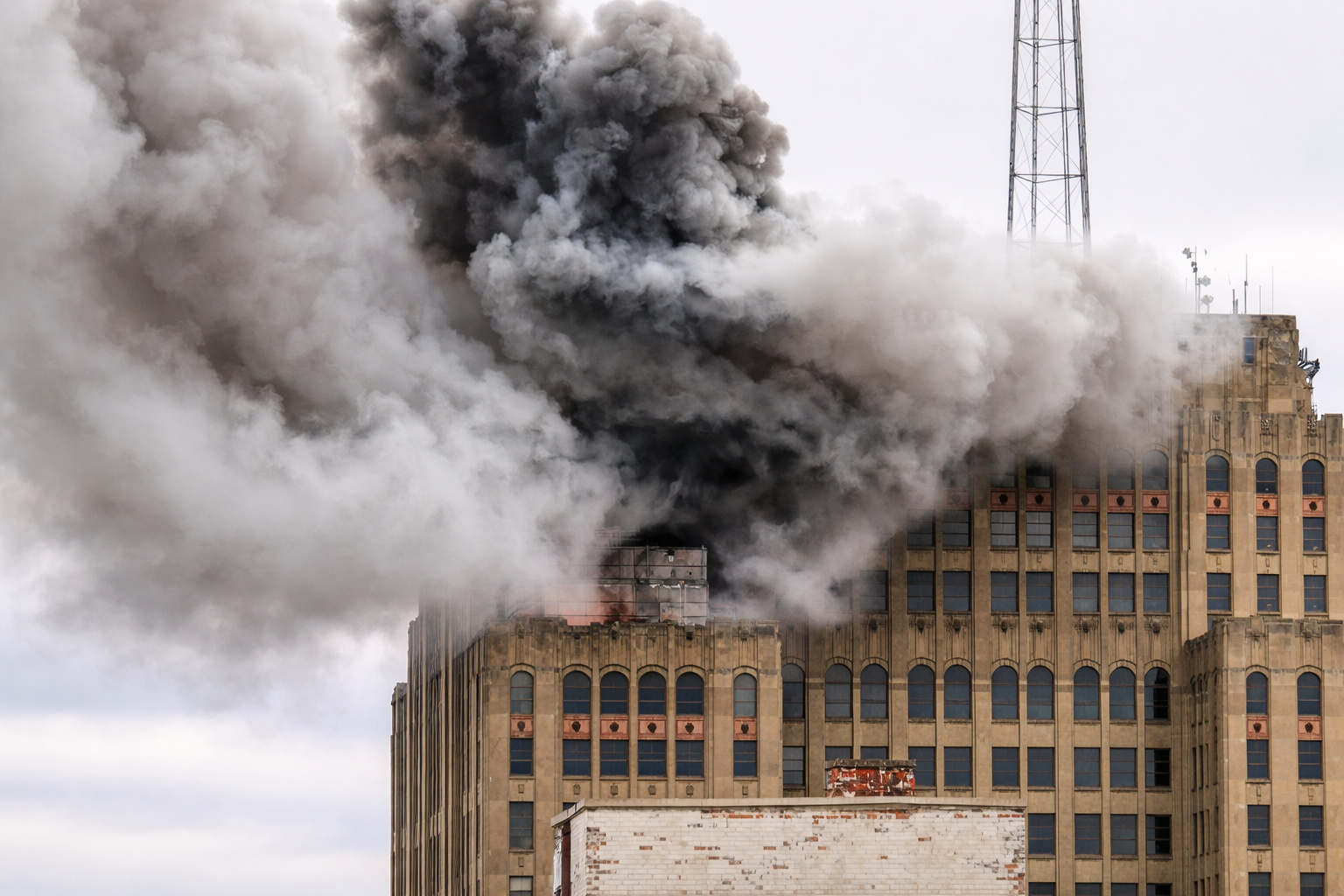
Historic building in the United States reports electrical fire, calls firefighters, and exposes an issue with an appliance that most Brazilians also have at home.
-
IPTU exemption for seniors in 2026: see how to secure the benefit.

-
The institute that trained the greatest aerospace engineers in Brazil has just opened its first campus outside São Paulo after 75 years: ITA Ceará will have R$ 445 million, new courses in energy and systems, and classes are expected to start in 2027.

-
Luciano Hang, owner of Havan, goes to Juiz de Fora after the tragedy in February, brings R$ 1 million, hands out R$ 2,000 cards, and donates up to R$ 15,000 to victims in the region.

But what exactly does this regulation stipulate? Who must follow it? And what are the penalties for those who violate the rule? Keep reading and find out everything about the new requirement that is already in effect nationwide.
What Is the Headlight Law?
Sanctioned and officially called Law 14.071/2020, the measure requires drivers to keep their low beams on during the day on single lane highways outside urban areas.
This requirement primarily aims to increase vehicle visibility, thereby reducing the risk of collisions in low light situations.
According to experts, using headlights during the day significantly enhances vehicle visibility, especially on roads where infrastructure or weather conditions may hinder sightlines.
Where Does the Law Apply?
The Headlight Law has clear rules regarding where and how it should be enforced:
- Single Lane Highways: the use of low beams during the day is mandatory, regardless of weather conditions.
- Double Lane Highways: daytime use of low beams is optional. However, nighttime use remains mandatory on all roads.
This distinction seeks to address the different characteristics of the roads and their safety conditions.
Foreseen Exceptions
Not all vehicles are subject to the obligation to turn on low beams during the day.
Vehicles Equipped with Daytime Running Lights (DRL) are exempt from this requirement on single lane highways but are still required to use their headlights at night.
Benefits of the Legislation
The main reasons for implementing the Headlight Law are clear and straightforward. Among them, the following stand out:
- Greater Visibility: the brightness emitted by low beams makes it easier to identify vehicles from a distance, reducing the risk of front or side collisions.
- Accident Prevention: using headlights serves as an extra barrier against human error, one of the most common factors in accidents.
Furthermore, the legislation significantly impacts driver awareness, promoting a culture of safety.
Penalties for Noncompliance
Drivers who do not comply with the rules of the Headlight Law are subject to penalties.
The violation is considered medium, resulting in a fine and points on the driver’s license.
Thus, following the regulation becomes essential to avoid financial losses and legal complications.
Headlight Care
To ensure safety and avoid penalties, maintaining headlights is essential. Experts recommend:
- Regular Inspections: check the alignment and brightness of the headlights to ensure they are functioning properly.
- Replacing Bulbs: replace burnt-out or dim bulbs to avoid fines and enhance visibility.
Keeping headlights in good condition protects both the driver and other road users.
Why Is the Law Relevant?
Since its implementation, the Headlight Law has brought noticeable changes to Brazilian traffic.
In addition to reducing the number of collisions, the legislation reinforces the importance of proactive attitudes among drivers.
According to road safety data, increased visibility on highways can be crucial for saving lives.
With the new law in effect, safety on Brazilian roads gains an important ally. It is up to each driver to do their part, contributing to a safer and more conscientious traffic environment.
Do you think the Headlight Law will be sufficient to reduce accidents on highways, or are there still other urgent measures to be taken? Share your opinion below!








É discutível sua eficácia perante grande parte de motoristas irresponsáveis que são autores de acidentes. De outro lado, o custo Brasil aumentará, uma vez que faróis acessos consomem energia, que consome mais combustível.
Para quem já esqueceu, incluindo o articulista, isso já foi tentado antes, em 2016, e não ouve NENHUMA redução de acidentes. Ô povinho ignorante!…
Existem outros fatores que também implicam, e até aumenta o índice de acidentes , péssima condições das estradas, iluminação horrível em algumas estradas principalmente em trechos urbanos!