





 English
  Francês
  Alemão
  Italiano
  Japonês
  Norueguês
  Portuguese
  Spanish
 3 min of reading


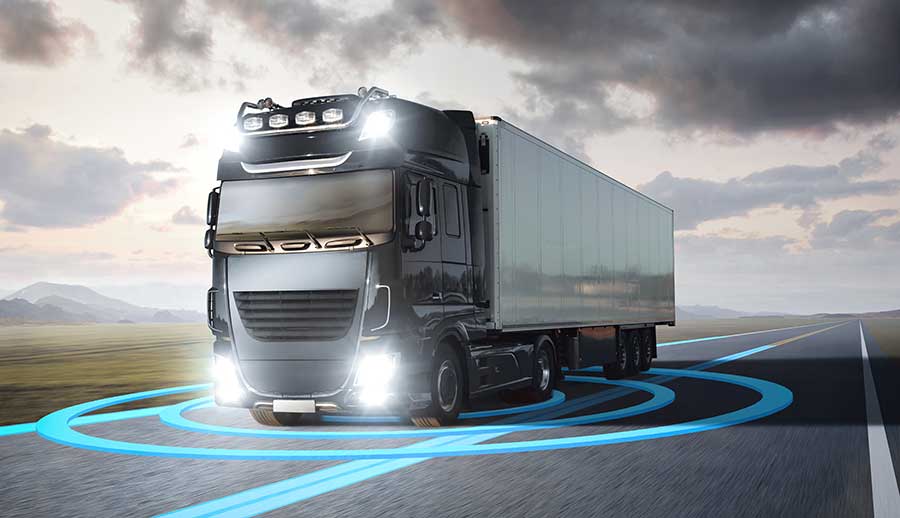
The Big Star Of The Largest Technology Fair In The World, Held From January 5 To 8 This Year In Las Vegas, CES 2023, Was The Autonomous Trucks. Representing Other Trends For Cargo Transportation And Logistics, Various Developers Showcased Their Innovations, Launched Electric Trucks, And Participated In Discussion Panels On E-Commerce Investments For The Sector.
The industry has already understood that it can no longer focus only on passenger cars and ridesharing services. Autonomous driving currently represents much more a focus on innovation and sustainability than a matter of wanting, able, or needing to invest in this technology.
Developers such as Wabbi, Waymo, Aurora, Gatik, Plus, and Kodiac Robotics brought their investments in automated driving systems to CES 2023. The market has increasingly progressed toward commercialization, especially considering the numbers from 2022. There is growing interest from the trucking industry, they all stated, and acceptance levels are becoming increasingly high, even though this is not yet being valued by the mainstream media.
Complete Shift For The Logistics And Fleet Management Sector
The transformations that the logistics sector is undergoing are happening all over the world and include the idea that highways should increasingly feature autonomous trucks, which is why there is so much investment in technology. The focus has been on long-distance trips, with about 90% of the market viewing the endeavor as much more straightforward than previously imagined.
-
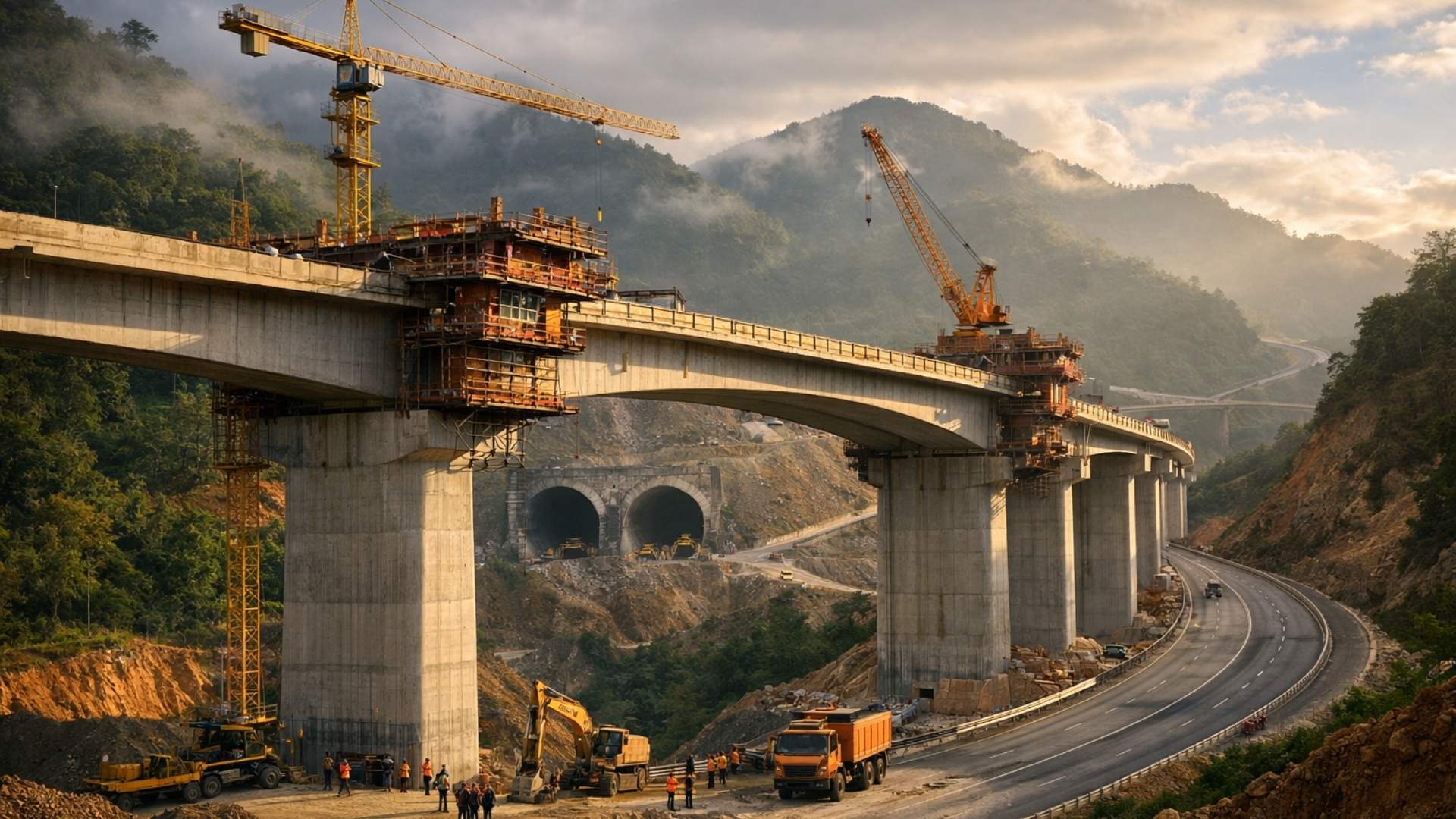
The government puts R$ 8.6 billion on the table to change the highway (BR) with 50 overpasses, 28 bridges, 4 tunnels, and 40 km of bike lanes in 180 km of historic duplication.
-
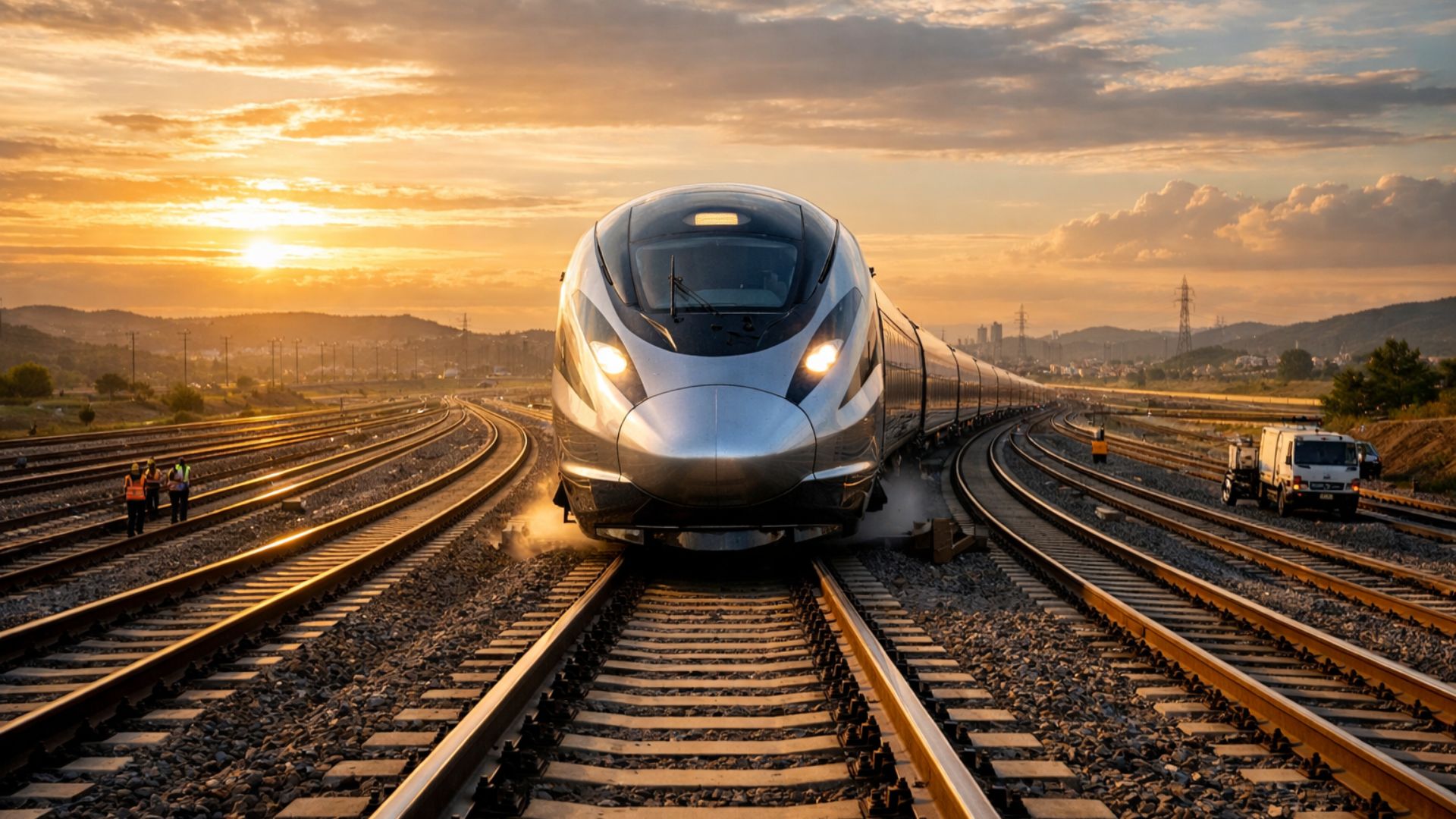
São Paulo surprises the world with a colossal railway network project that promises over 1,000 km of tracks, R$ 194 billion in investments, and 40 projects connecting the capital to the interior with fast and sustainable trains.
-
The world’s largest escalator, measuring 905 meters in China, reduces urban travel time from 1 hour to about 20 minutes and transforms mobility in mountainous regions with an engineering solution adapted to the terrain.

-
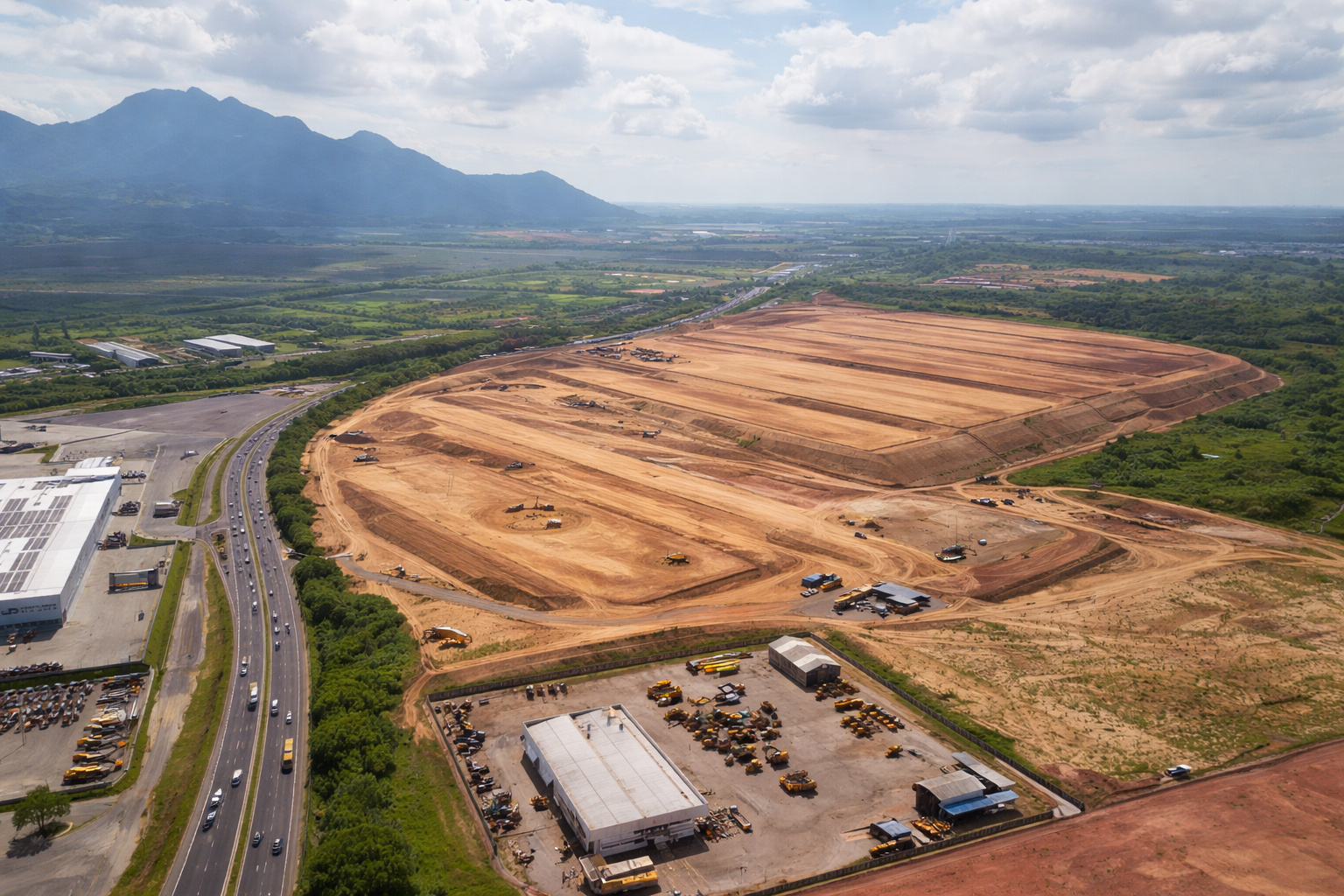
A R$ 300 million logistics giant is taking shape in Serra with over 100,000 m² and raises a question: how can this transform e-commerce and distribution in the state?

However, beyond the investment in vehicle technology, it is essential to enhance road safety, as the significant challenge for autonomous trucks includes excessive rainfall, storms, road conditions, and accidents. Regarding benefits, reducing dependence on skilled labor increases safety and productivity on long trips. On short trips, the winding nature of highways, pedestrian traffic, and the number of parked cars still pose significant challenges for the sector.
When it comes to fleet management, excitement is the word. Although in Brazil these vehicles are still not authorized to operate without a so-called “backup driver,” the impact of autonomous trucks on the economy is tremendous and steers the sector towards modernization. This is because they suggest maximum productivity and predictability while reducing maintenance costs. They also have monitoring devices that ensure great safety for fleets and roads.
However, beyond still being far from having regulation concerning technology development, Brazil is not idle. In December of last year, a level 4 automation technology was launched by a startup from Espírito Santo, which has high precision for safety in confined spaces. The technology was sold to Mercedes-Benz and has been used in the Atego 1730 model. These models can operate 24 hours a day and have been contracted for automatic loading and unloading inside factories, transferring between production lines and distribution.
Level 4 technology is also one that provides greater predictability, safety, and productivity, with a very low environmental impact as it generates less carbon.










Seja o primeiro a reagir!