Portuguese
  Spanish


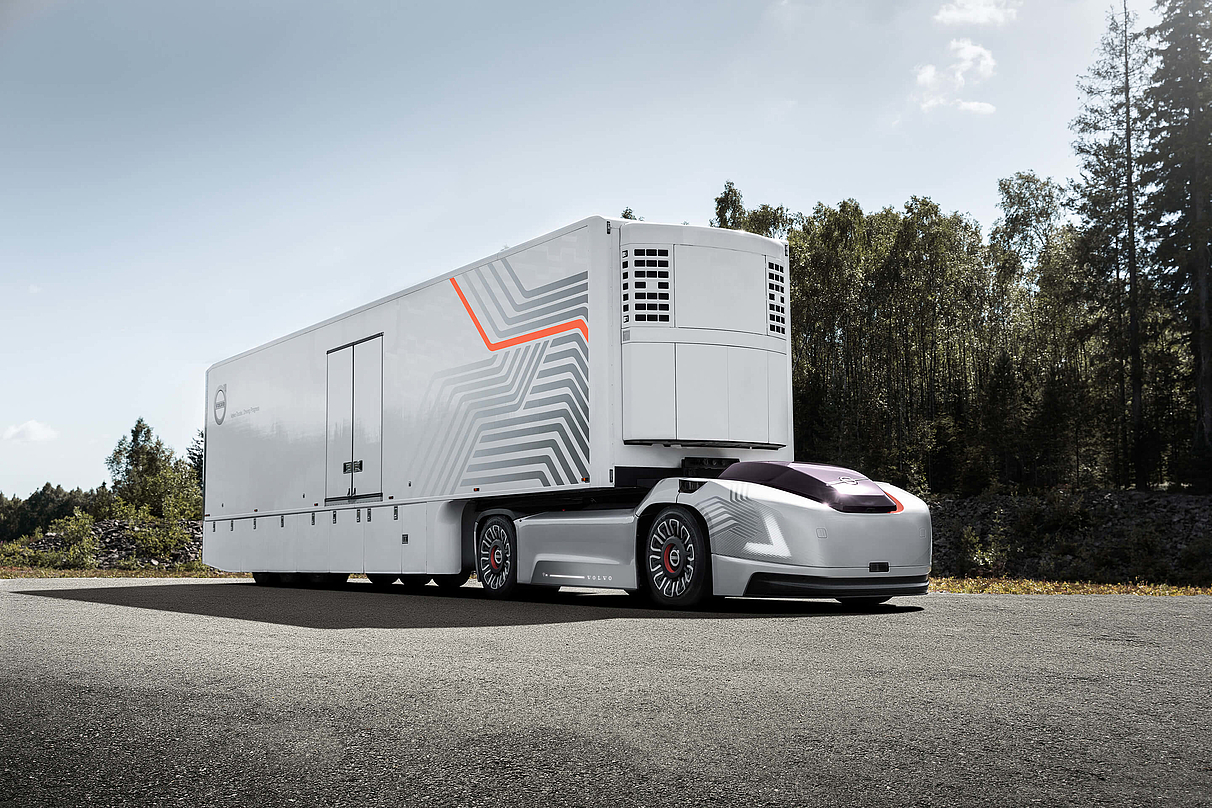

The Logistics Sector Will Be Completely Changed With the Entry of Autonomous Trucks in the Market. Is This Trend Here to Stay?
With the digitalization of processes and other major technological changes, the logistics sector is undergoing profound transformations worldwide. For example, in a short period, autonomous trucks are expected to gain more space on the highways, taking the place of truck drivers.
A recent study from the University of Michigan demonstrated that autonomous trucks could capture about 90% of the long-distance transportation market. Believing it to be a less complicated challenge, driving engineers emphasize that autonomous trucks should be focused on long-distance trips.
Short Trips of Autonomous Trucks Are Much More Complex
As long-distance trips have few curves or extra complexities, experts highlight that it is much easier to design an autonomous truck for this purpose. On the other hand, short trips in cities present a different story, as there are thousands of curves, pedestrians, and parked cars for the autonomous system to handle.
-
He surpassed the Tera, Creta, and Tracker: With a TSI engine of up to 150 hp, 6-speed automatic transmission, and a 373-liter trunk, the Volkswagen T-Cross was the best-selling SUV in June, with 11,753 registrations.

-
It looks factory-made, but it came out of a workshop: a mechanic from Pernambuco builds a handcrafted “mini Toyota,” drives it through the streets, and the video goes viral on social media, leaving residents astonished.

-
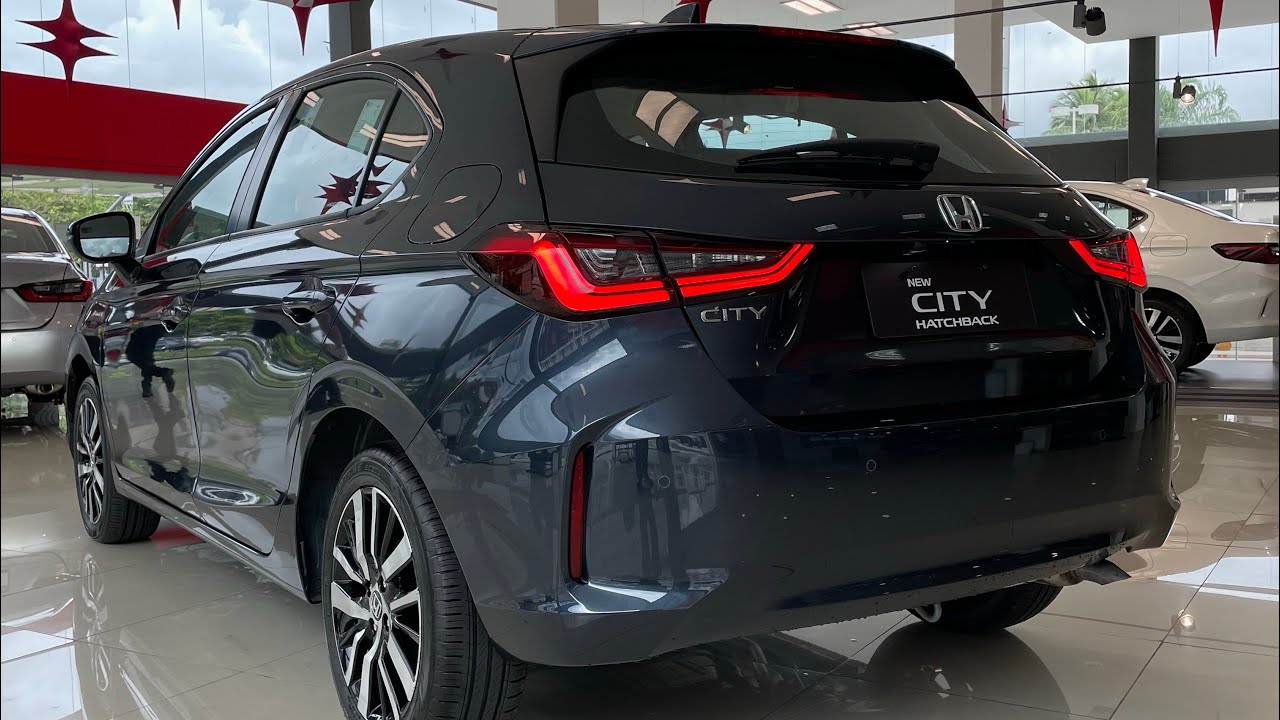
Hatch with sedan space and 1.0 car consumption: equipped with a 1.5 engine with 126 hp, CVT transmission with seven simulated gears, and consumption of up to 17.4 km/l, this used Honda delivers technology, comfort, and reliability; meet the 2022 Honda City Hatch Touring.
-
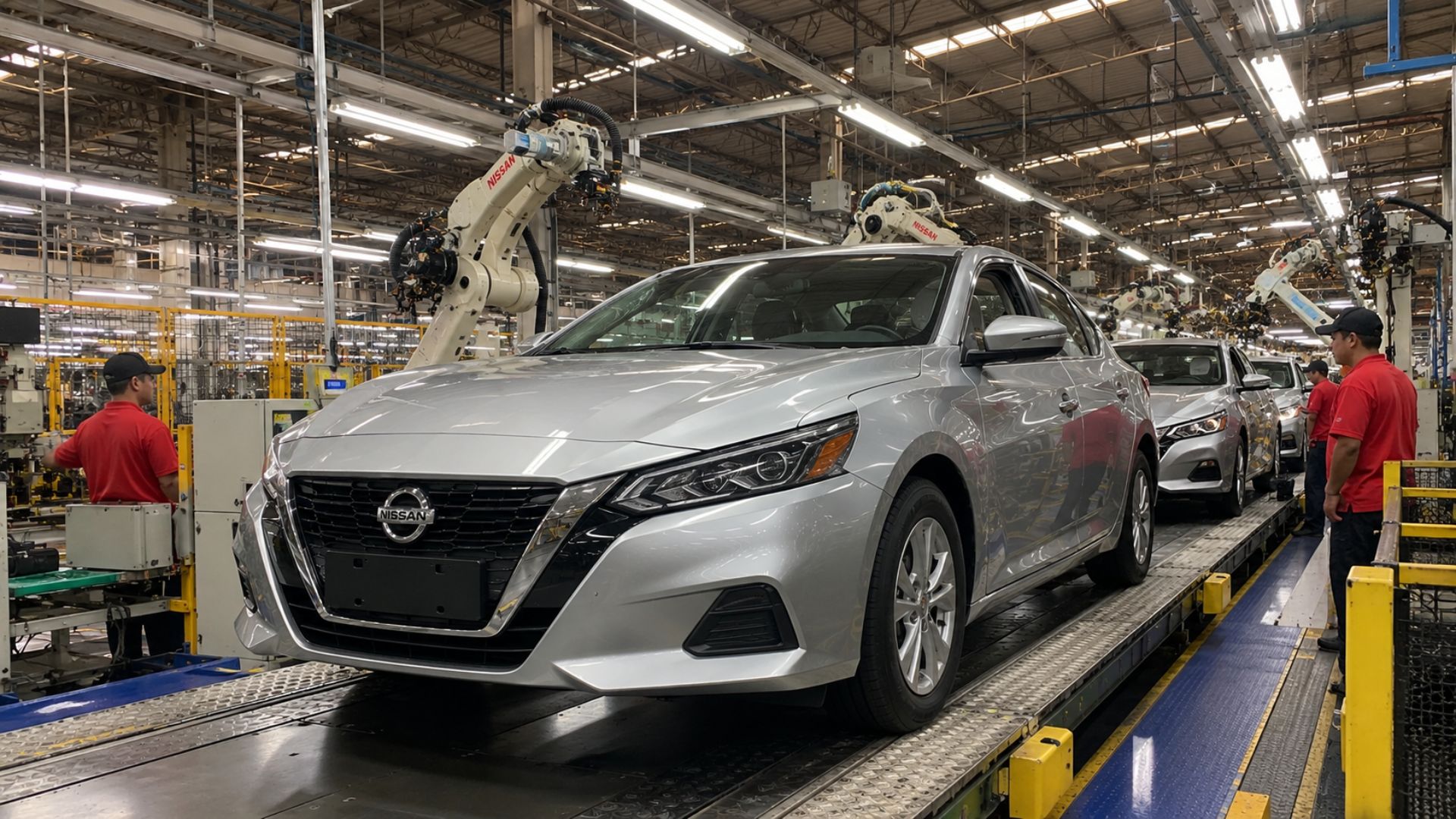
End of an era in Brazil: beloved sedan by Brazilians is discontinued despite having a 2.0 engine with 151 hp, CVT transmission, 466-liter trunk, and up to 650 km of range.


Video About Innovations and Testing of This Technology in Brazil


To accelerate the use of autonomous trucks, one solution could be setting up stations between stages. Drivers could handle the first stage, which is much more complex. Long and time-consuming trips could then be made by artificial intelligence.
“When we spoke with truck drivers, literally all of them said: ‘Yes, this part of the job can be automated.’” said Aniruddh Mohan, who conducted a study on the topic at the University of Michigan, in the USA.
The study emphasizes that if autonomous trucks can overcome these initial barriers, they could replace up to 90% of human driving in the long-distance transportation market.
The systems of autonomous trucks still need to evolve significantly. One highlighted point is the ability of trucks to cope with heavy rain, storms, potholes, and accidents. Another point is obtaining authorization from authorities for driverless trucks on the roads. For this to happen, safety mechanisms must be at an extremely high level.