





 Portuguese
  English
  Spanish
  2 min of reading
  0 comments


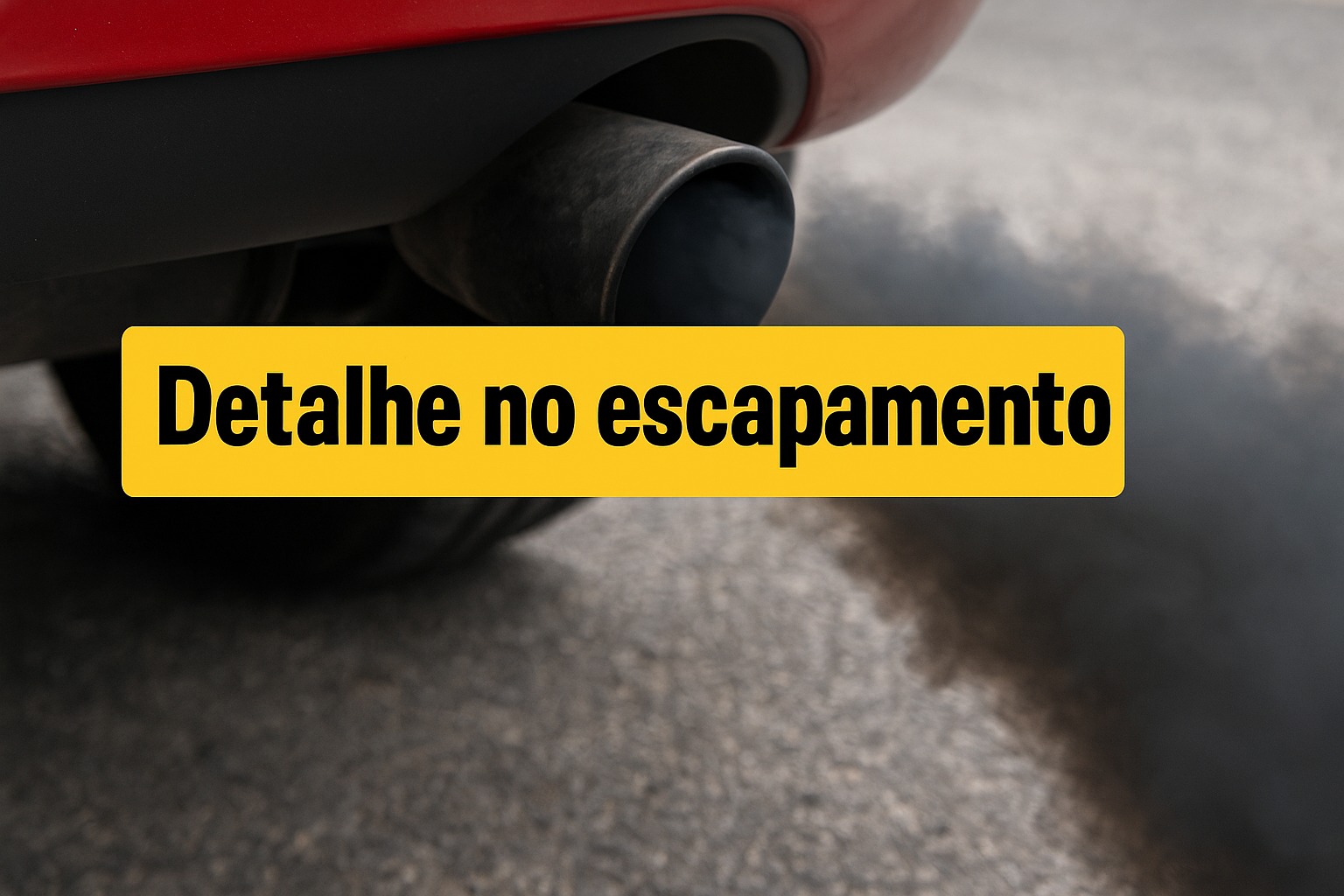
An Almost Invisible Sign in the Exhaust May Indicate High Oil Consumption, Incorrect Lubricant Selection, or Advanced Degradation, Helping the Driver Identify Simple Failures Before Expensive Costs for Corrective Maintenance
The appearance of wet soot on the exhaust tip, detectable by touching it, may indicate excessive consumption of lubricant oil, internal engine wear, and blue smoke emissions, requiring immediate attention before costly decisions like reconditioning.
Simple Check on the Exhaust Works as an Initial Alert
A direct check on the exhaust tip is an important initial signal, as the dark, oily residue indicates that the lubricant oil is being burned along with the fuel during normal engine operation.
Date and Mileage of the Last Oil Change Influence Consumption
Before seeking a workshop, it is essential to check the date and mileage of the last oil change, as extended intervals favor lubricant degradation and significantly increase internal consumption.
-
The 2026 electric Vitara arrives in Brazil and proves that Suzuki is not leaving: 4×4 traction, 184 hp, 61 kWh LFP battery, 293 km range, R$ 259,000, and a trunk capacity of 224 L.

-
Hyundai has unveiled the Boulder, a square SUV with a body-on-frame design, 37-inch mud tires, and carriage-style doors that seems to be made to take on the Ford Bronco and the Scout Traveller in the United States.

-
The Toyota Hilux is R$ 75.5 thousand cheaper and bets on the 2.8 turbodiesel engine with up to 204 hp and 50.9 kgfm to catch up with the VW Saveiro, which leads with 4,472 sales.

-
The new Renault Koleos has a screen exclusively for the passenger that is invisible to the driver, heated rear seats, and 29 assistance systems, but its Chinese competitors cost R$ 40,000 less and deliver more power.


In vehicles subjected to severe use, such as heavy traffic, frequent short trips, or heavy loads, the oil loses its properties faster, increasing consumption and causing blue smoke in the exhaust.
Incorrect Oil Viscosity Favors Excessive Burning
The wrong choice of lubricant oil viscosity can result in high consumption, as unsuitable products easily leak past the rings and guides, reducing internal lubrication control.
Oil Out of Specifications Accelerates Engine Wear
The use of oil that is out of the recommended specifications, whether by base or performance level, compromises the protection of the parts, reduces lubrication efficiency, and accelerates significant internal wear.
When the lubricant does not meet the technical requirements of the engine, friction increases, thermal protection is lost, and maintenance costs rise over time.
Paying attention to these points helps avoid hasty diagnoses, reduces unnecessary expenses, and contributes to greater durability of the mechanical assembly, keeping the vehicle in proper working condition.
Maintaining the correct oil, adhering to change intervals, and observing simple signs in the exhaust are basic yet effective measures to preserve the engine and avoid serious failures in the future.









Seja o primeiro a reagir!