






 Portuguese
  Spanish
  2 min of reading
  0 comments


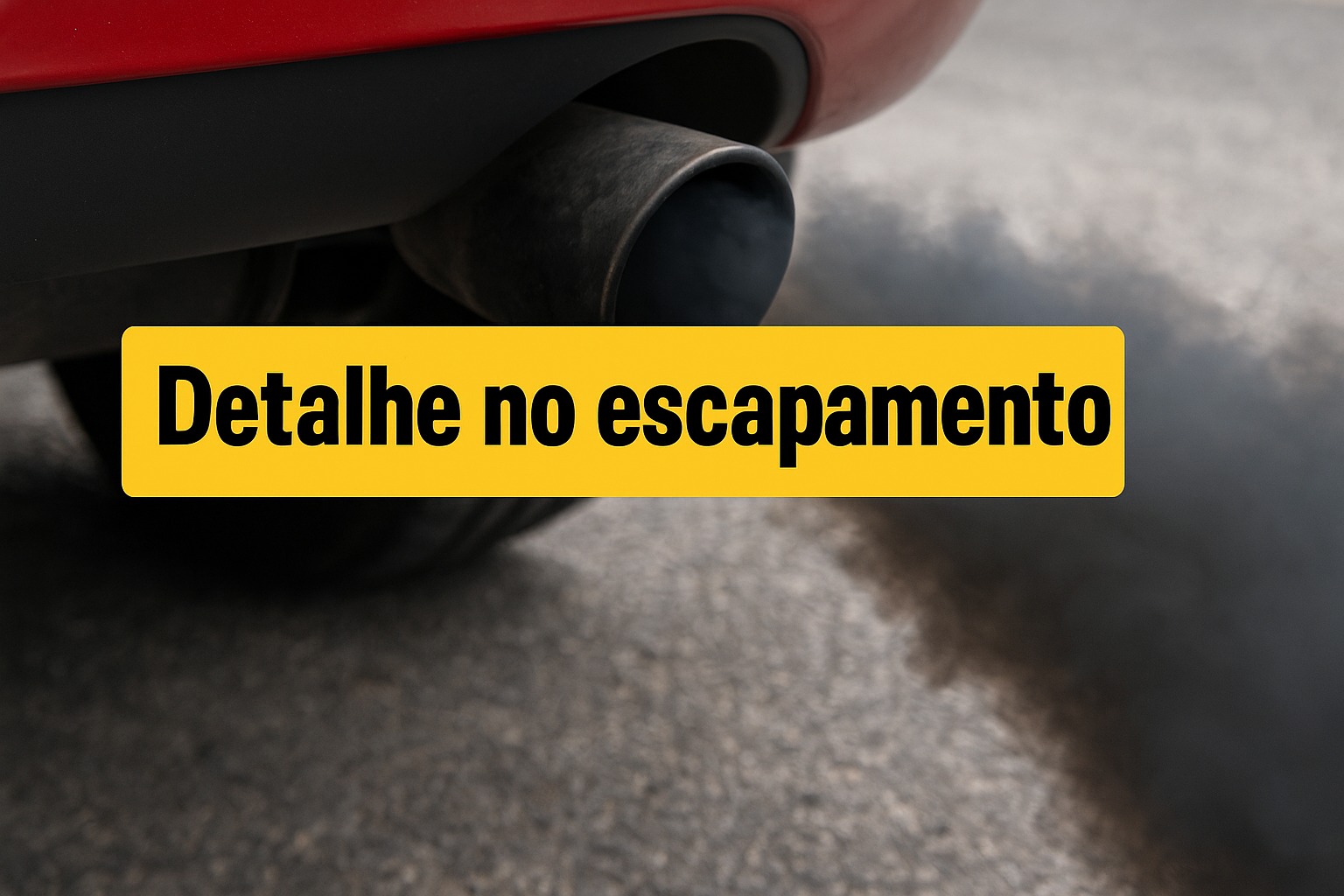
An Almost Invisible Sign in the Exhaust May Indicate High Oil Consumption, Incorrect Lubricant Selection, or Advanced Degradation, Helping the Driver Identify Simple Failures Before Expensive Costs for Corrective Maintenance
The appearance of wet soot on the exhaust tip, detectable by touching it, may indicate excessive consumption of lubricant oil, internal engine wear, and blue smoke emissions, requiring immediate attention before costly decisions like reconditioning.
Simple Check on the Exhaust Works as an Initial Alert
A direct check on the exhaust tip is an important initial signal, as the dark, oily residue indicates that the lubricant oil is being burned along with the fuel during normal engine operation.
Date and Mileage of the Last Oil Change Influence Consumption
Before seeking a workshop, it is essential to check the date and mileage of the last oil change, as extended intervals favor lubricant degradation and significantly increase internal consumption.
-
Uber Faces Shareholder Scrutiny as Board Accused of Ignoring Safety, Compliance, and Harassment Warnings Amid Over 3,500 U.S. Lawsuits

-
Ferrari’s First Electric Car Divides Fans, Priced at $630,000, Amid Concerns Over Limited Editions; Brand Clarifies It’s Not Just for Future Perks
-
BYD Dolphin Mini: The Electric Car That Defies Depreciation, Losing Only 3.58% in a Year and Becoming the Best-Selling Retail Model Under $22,000

-
Electric Car JAC E-JS4 Loses $19,000 in Value in One Year, Leading Record Depreciation of Used Cars in Brazil Due to Expensive Battery and New Models


In vehicles subjected to severe use, such as heavy traffic, frequent short trips, or heavy loads, the oil loses its properties faster, increasing consumption and causing blue smoke in the exhaust.
Incorrect Oil Viscosity Favors Excessive Burning
The wrong choice of lubricant oil viscosity can result in high consumption, as unsuitable products easily leak past the rings and guides, reducing internal lubrication control.
Oil Out of Specifications Accelerates Engine Wear
The use of oil that is out of the recommended specifications, whether by base or performance level, compromises the protection of the parts, reduces lubrication efficiency, and accelerates significant internal wear.
When the lubricant does not meet the technical requirements of the engine, friction increases, thermal protection is lost, and maintenance costs rise over time.
Paying attention to these points helps avoid hasty diagnoses, reduces unnecessary expenses, and contributes to greater durability of the mechanical assembly, keeping the vehicle in proper working condition.
Maintaining the correct oil, adhering to change intervals, and observing simple signs in the exhaust are basic yet effective measures to preserve the engine and avoid serious failures in the future.





Be the first to react!