





 Portuguese
  English
  Spanish
  4 min of reading
  1 comment


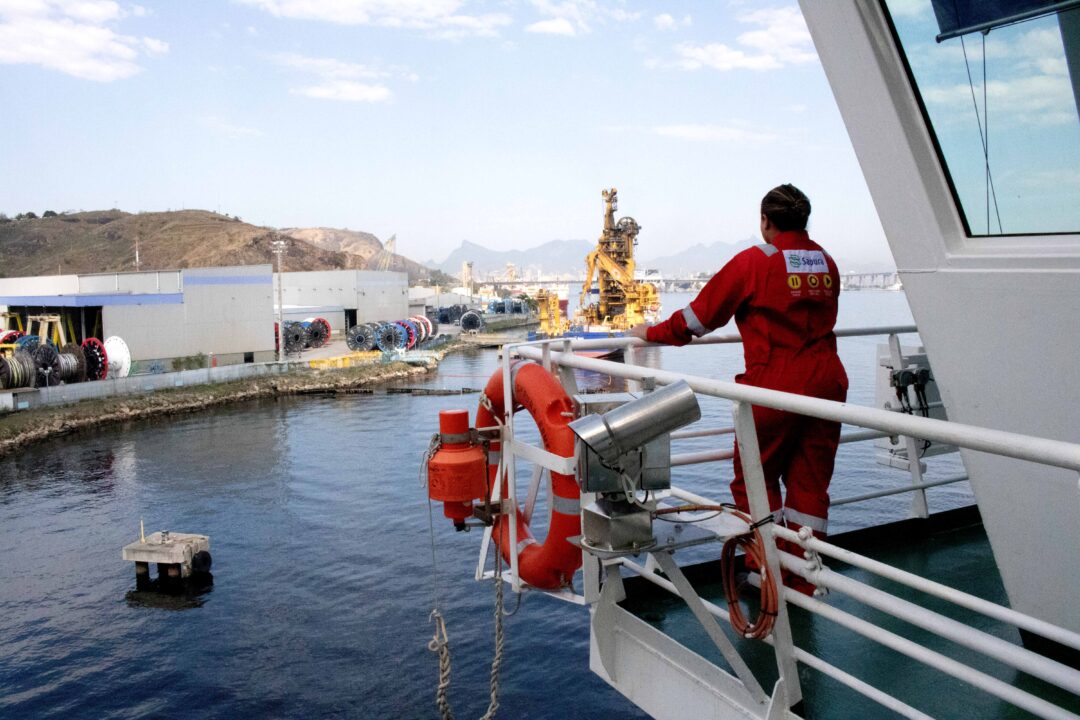

Only 1.78% Of Long-Distance Merchant Command Positions Are Occupied By Women. At Seagems, Izabel Borges Is Captain And Patrícia Soledade Is Chief Engineer.
Statistics from the Brazilian Navy indicate that only 1.78% of command positions in long-distance Merchant Marine are held by women. In the offshore sector, Seagems records notable examples of female professionals emerging in roles rarely held by them in this sector.
At Seagems, Izabel Borges serves as Captain and Patrícia Soledade stands out as Chief Engineer, reflecting the growing presence of women in leadership positions. These workers are breaking new ground and challenging barriers, showing that competence and skill have no gender.
Izabel Borges is a Captain at Seagems, the highest position within the maritime officer team. On the other hand, Patrícia Soledade holds the position of Chief Engineer, responsible for the maintenance of the vessels. On International Women’s Equality Day, celebrated on August 26, topics such as the lack of gender equity in the workplace gain more visibility. Despite advances over the years, women still face significant challenges, such as wage inequality and scarce representation in leadership positions.
-
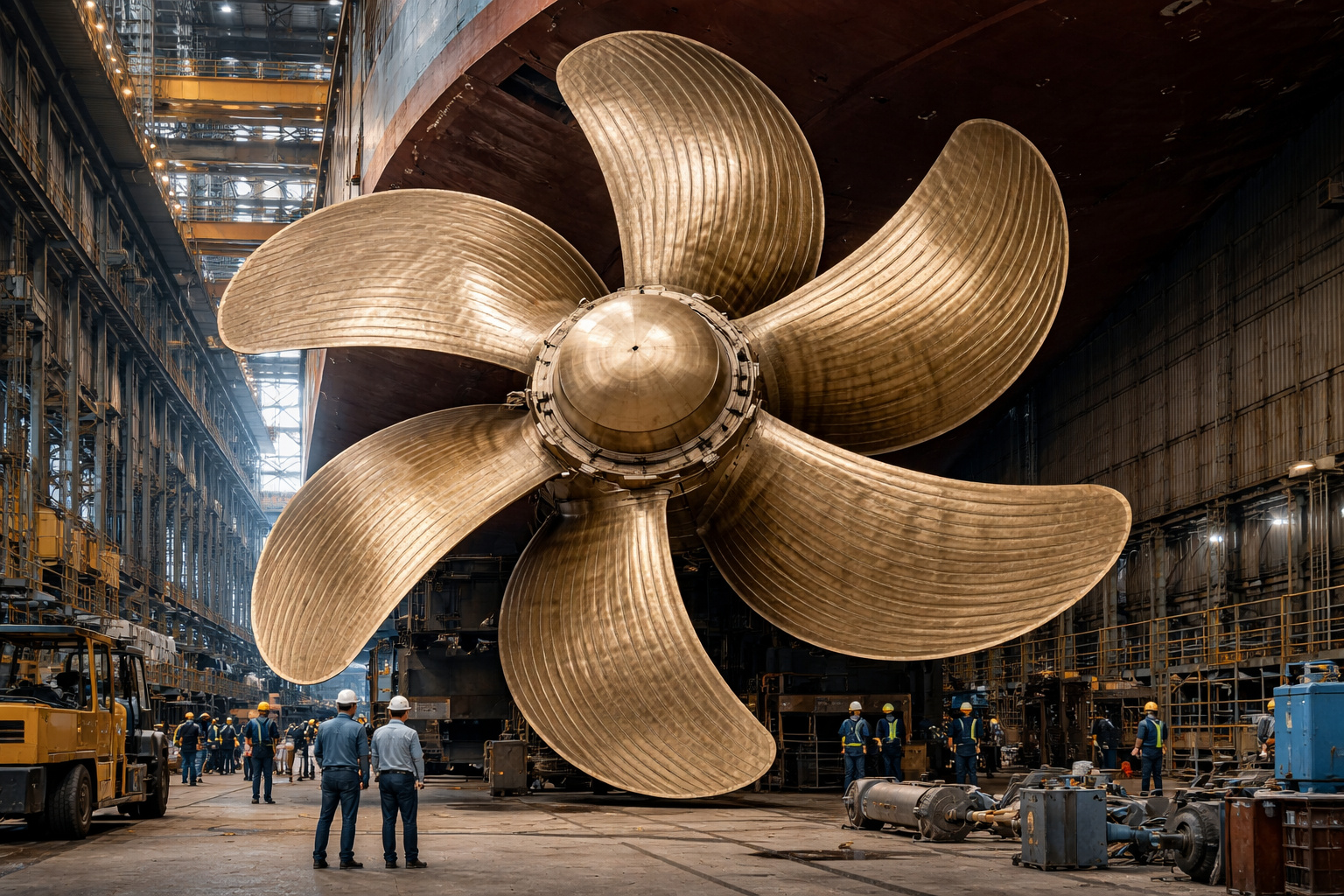
How a 131-ton, 11-meter propeller supports 90% of global trade and transforms the largest container ships on the planet.
-
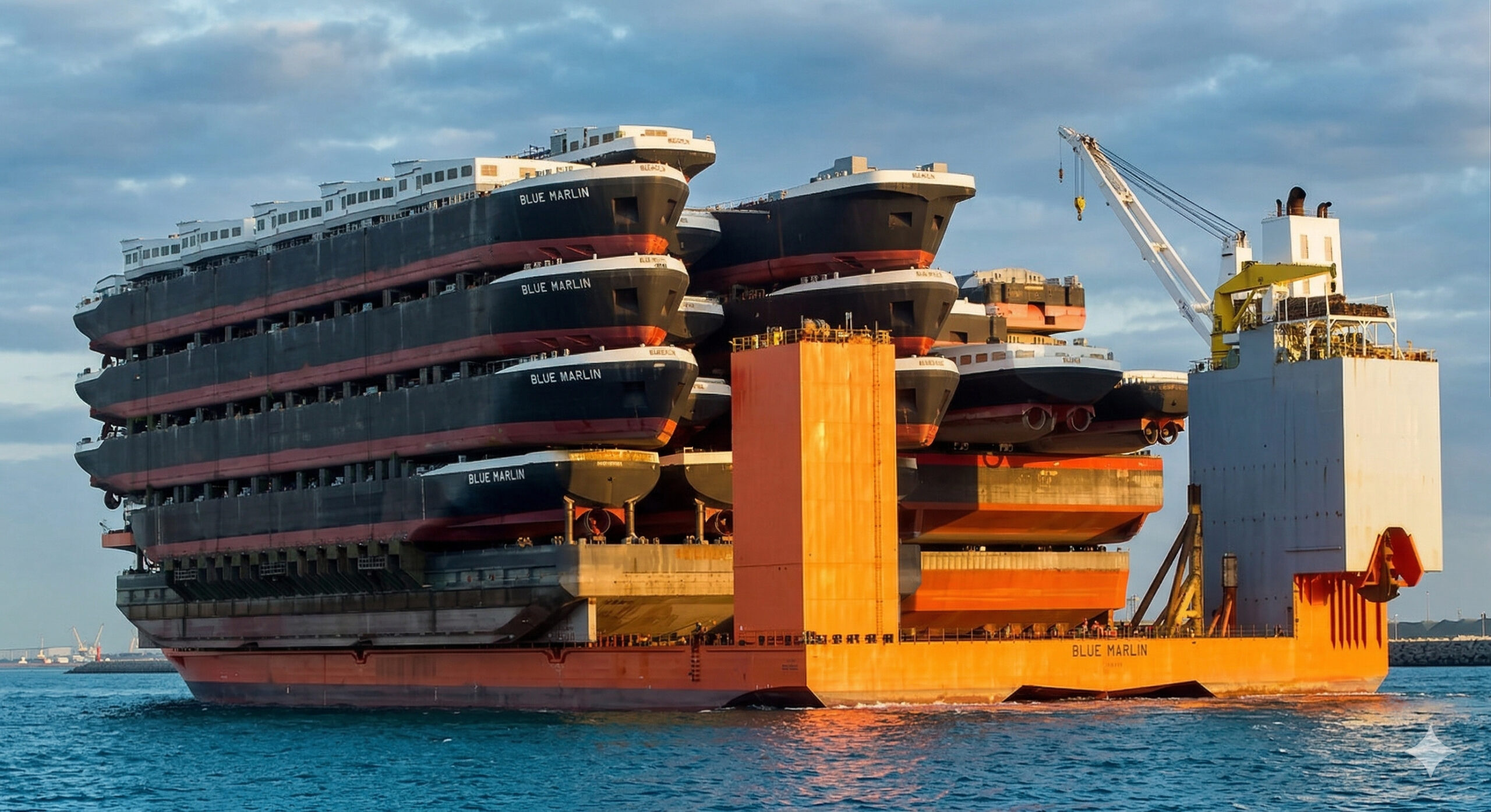
With a length of 225 meters and a capacity of 76 thousand tons, this ship “sinks” its own deck down to 28 meters deep to accommodate war destroyers, oil platforms, and giant radars floating above, and then emerges with everything intact on top like a colossal tray crossing oceans.
-
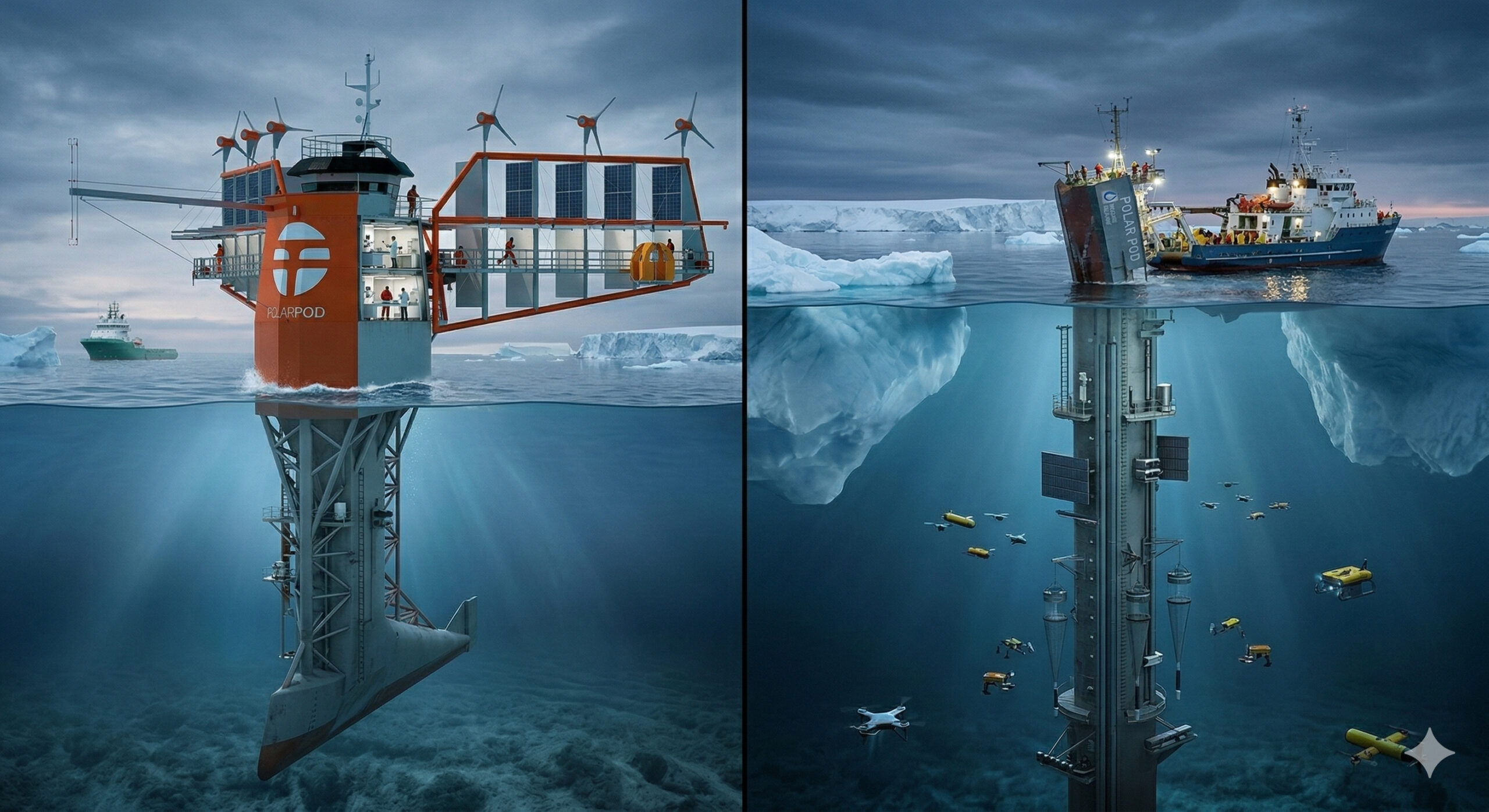
A 100-meter platform without a motor, without a keel, and operating upside down rotates 90 degrees in the ocean, sinks 75 meters, and drifts around Antarctica for two years driven by the planet’s most powerful current to study the largest carbon sink on Earth, still poorly understood by science for accurate climate modeling.
-
With a length of 108 meters and a giant spoon shape, the FLIP was the only ship in the world capable of rotating 90 degrees in the ocean and remaining vertical, with 91 meters submerged, operating for 60 years until it was retired and sent to the scrapyard in 2023.


Challenges Faced By Women In The Workplace
These obstacles limit the development of female professionals and the potential of companies, which lose the benefits of diverse perspectives and talents in their teams. The situation is more critical when observing the presence of women in command positions. In 2023, a survey by FIA Business School revealed that women held only 38% of leadership positions in Brazil, although they represented 43% of employees.
This imbalance underscores the underrepresentation of women at the highest levels of organizations, even with evidence that these professionals are often considered better managers and more reliable. Companies need to rethink their talent promotion and development practices to ensure that women’s potential is recognized and valued.
Women In The Offshore Sector
In the offshore sector, Seagems, a Brazilian company specializing in underwater engineering solutions, has sought to highlight the role of women, with several professionals excelling in positions still rarely occupied by them. According to the Brazilian Navy’s Directorate of Ports and Coasts, the country has 638 Cabotage Captains, of which only 65 are women, and 789 Long-Distance Captains, with only 14 women.
Izabel Borges is one of those leaders, working as Captain of a large vessel at Seagems. To reach this position, one must complete a degree in nautical sciences, offered at only two Merchant Marine schools in Brazil. These courses have annual competitions and require three years of military boarding school study, followed by at least 1460 days of work at sea.
The Journey Of Izabel Borges
Izabel Borges is responsible for all navigation, people, and assets of the vessel, as well as the safety and well-being of the crew. Born in Ibiá (MG), she graduated in Computer Science and worked while studying, commuting daily to Araxá, where she attended college. After graduating, she began studying for competitive exams and discovered the career of Nautical Officer, boarding for Belém for her training.
In 20 years in the profession, Izabel has worked in different areas and types of ships, from oil tankers to specialized vessels for launching pipelines. Even without prior experience, she was invited in 2015 by a recruiter from Seagems to become a Nautical Officer, a position in which she excelled and reached the rank of Captain.
Gender Equity At Seagems
August 26 celebrates the achievements of women and the struggle for gender equality, influenced by the 19th Amendment to the American Constitution, ratified in 1920, which granted women the right to vote in the U.S. At Seagems, talent promotion and development practices have been integrated to foster gender equity, as demonstrated in the journey of Patrícia Soledade, Chief Engineer, responsible for the energy and maintenance of the vessels.
With a decade at the company, Patrícia started as a Third Engineer and climbed the ranks to her current position. She emphasizes the importance of clear gender equity policies implemented by the company, which include pay parity and zero tolerance for discrimination.
Diversity Policy At Seagems
Seagems has a Diversity Policy signed by the CEO, which values a safe and diverse work environment, promoting safety and cooperation. Success stories like those of Izabel Borges and Patrícia Soledade are a source of pride for the company, which aims to increase female participation in the offshore sector.
Currently, 28% of leadership positions at Seagems are held by women, and 14% of executives are also women. Additionally, the company has observed a 10% growth in female participation over the past decade.
Initiatives To Promote Equity At Seagems
To promote gender equity, Seagems has implemented various policies:
– Training Program for Practitioners, in partnership with the Brazilian Merchant Marine since 2014, promoting the training of new Nautical and Engineering Officers. Since its inception, 120 young people have participated, with 40% being women.
– Succession Plan, monitoring employee skills progress and enabling promotions upon reaching 100% of the Training Matrix.
– Whistleblower Channel, providing a confidential platform for reporting unethical or illegal conduct.
Women In Energy
Seagems also contributed to the book ‘Women In Energy’, highlighting the journeys of Glaucia Maciel and Izabel Borges, promoting inspiration for other women wishing to enter the sector. The company participates annually in salary surveys to ensure the competitiveness of its compensation package.
Finally, the Collective Labor Agreement, renewed annually, ensures compensation and benefit criteria for all, reflecting Seagems’ commitment to gender equity.
Source: © SEAGEMS Press






Ana Patrícia Dias