





 Portuguese
  English
  Spanish
  3 min of reading


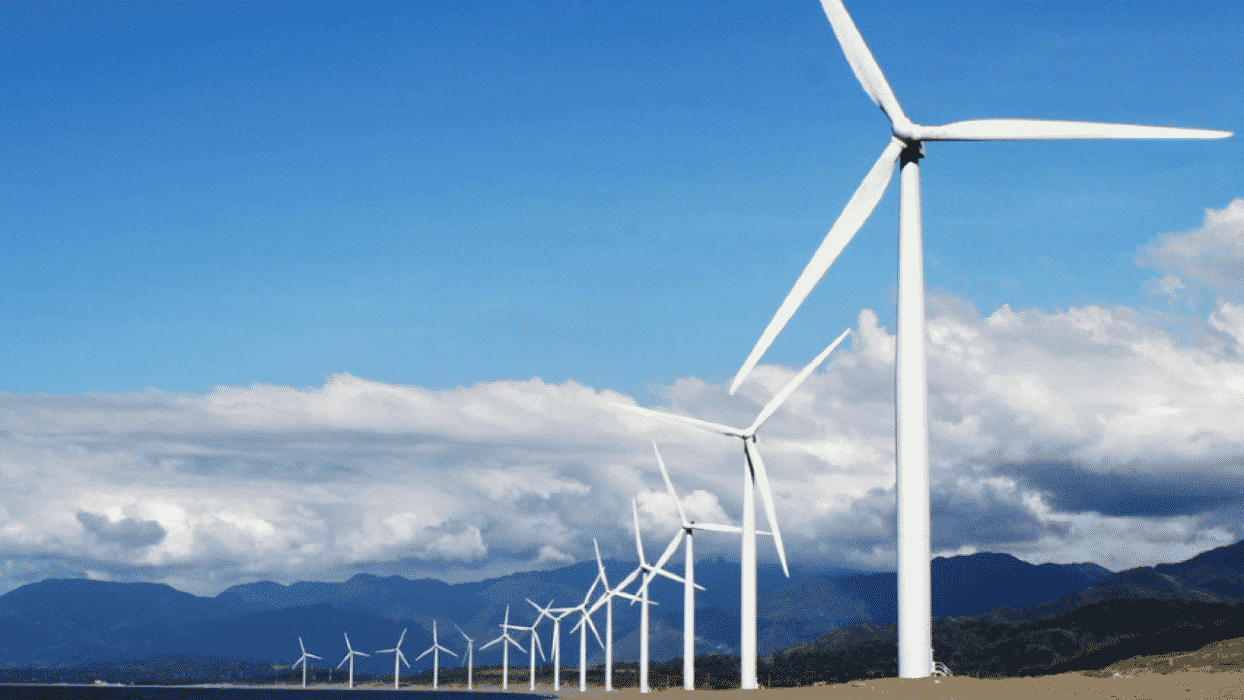
Clean and Sustainable or Harmful to Residents? The Lack of Specific Standards and Regulations for Developing Wind Farms Is Generating Negative Impacts on Residents of Some Brazilian Regions, According to Exclusive Content from The Intercept Brazil.
It is hard not to be impressed when we pass by a wind power park, with energy being produced by the wind that moves the large blades of the wind turbines. The sight of the wind towers that look like giant pinwheels conveys the idea of being a clean and sustainable energy system, as promoted by companies in the sector. However, according to The Intercept Portal, that is not true. The occupation of land by small family farmers and other traditional peoples for wind energy facilities generates a series of property disputes. Large multinational corporations take advantage of the lack of specific laws and regulations to use abusive leasing contracts.
Wind Farms Were Encouraged Due to Crises


The production of clean energy from wind towers is essential for the ongoing climate change in the world. The government support for the construction of wind power parks in the country began in 2001, when Brazil was undergoing a major energy crisis caused by a lack of rain, which resulted in numerous blackouts and put the hydroelectric-based energy model into question.
The federal government then launched programs to promote the production of wind farms and lines of credit with low-interest rates. But the major “explosion” of parks with wind towers only came after the global crisis of 2008, caused by the collapse of the real estate market in the United States.
-
Renewable energy advances globally with Asia taking the lead; Irena’s analysis indicates a strategic progress that drives the energy transition and reduces generation costs.
-
Globo broadcaster achieves 100% renewable energy and advances climate goal, strengthening environmental commitment, reducing emissions, and influencing large companies to adopt more sustainable and competitive strategies.
-
New mapping reveals the Brazilian states with the greatest potential for the production and use of green hydrogen in Brazil to lead the global market.
-
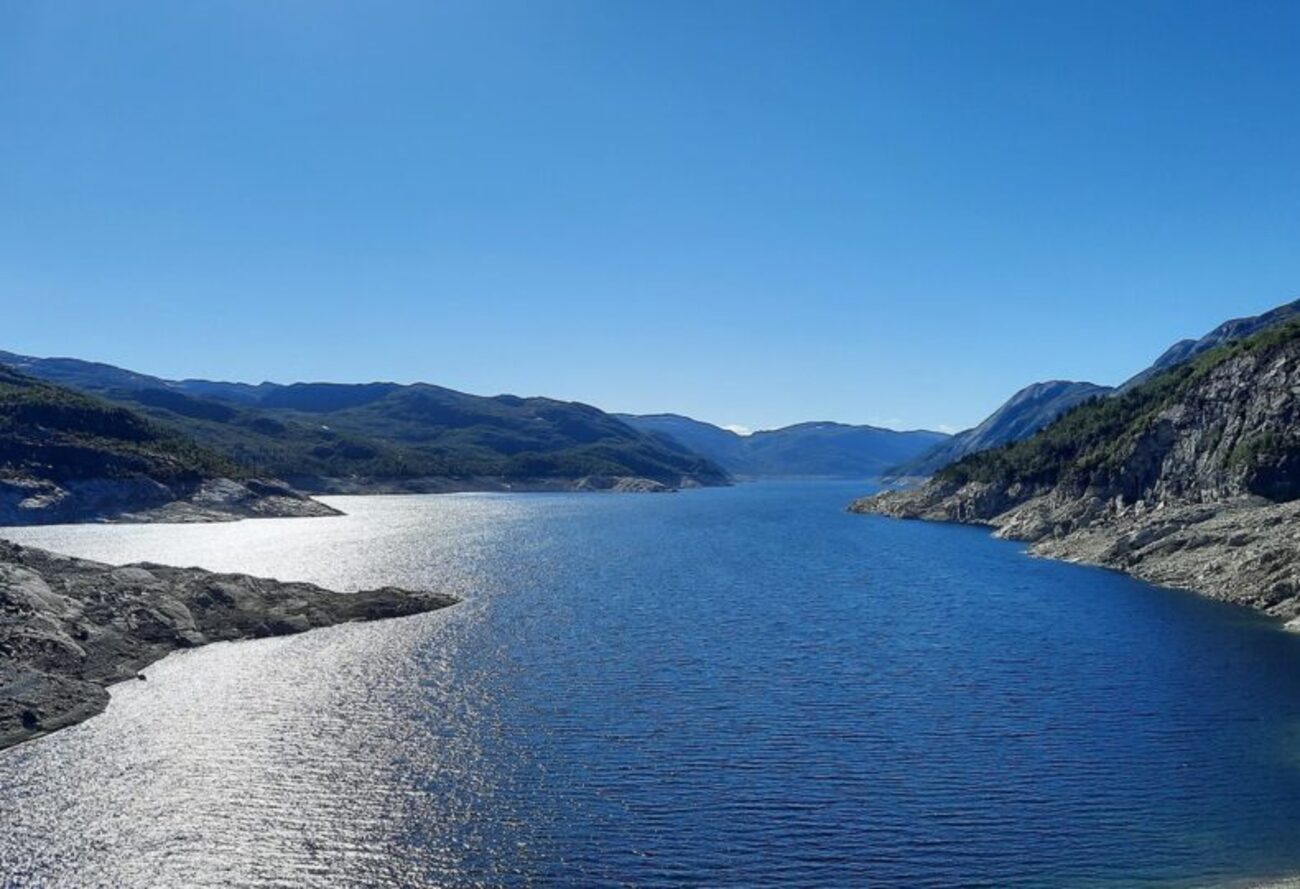
Historical drought and lack of snow in the Norwegian Alps threaten the largest clean energy reserve in Europe and could drive up electricity prices.
With financial markets in disarray and its own reputation in tatters, the eyes of international multinational investors turned to Brazil’s wind potential. In response to the interest, the government held an exclusive auction for the contracting of clean energy generation projects.
Northeast Has About 930 Wind Power Parks
The Northeast region is by far the region with the most wind towers. In total, there are 930 parks, with about 610 in full operation, 177 with granted installation licenses, and 143 under construction. The market is dominated by multinationals, such as the Spanish Iberdrola, the Italian Enel Green Power and the French Voltalia Energia.
According to the researcher from the Center for Studies, Research, and Agrarian Reform Projects at Unesp, Lorena Izá Pereira, this is a new arrangement of the foreignization of national lands, a process of territorial control for profit generation that began with the Portuguese exploitation of gold.
According to the researcher, the meaning of foreignization has always been the same, to ensure the accumulation of capital, especially in times of crisis. Given a context characterized by the convergence of various crises and global geopolitical changes, foreignization tends to become more complex, yet it does not lose the essence of generating the concentration of lands and capital, the exploitation of resources and labor, among others.
Multinationals Exploit Areas Without Spending Money
The wind farms will hardly appear in the statistics of lands owned by foreign multinationals in the country. This is because the giants in the sector realized that it is much better to exploit the areas without having to spend money on their purchases.
The play now is to make leasing contracts with landowners. Often these are small rural landowners, very poor people who live off subsistence production. The leasing contracts are governed by Decree 59.566, 1965 and 1966, and by the Land Statute.
Through these contracts, the wind multinationals provide a monthly payment to landowners, a fixed amount or a percentage of the profit, in exchange for the unrestricted right to use the rural properties.
A major example of this is in the Vila Pará Wind Complex, in Serra do Mel, Rio Grande do Norte: in the state, families are receiving R$ 85 monthly for leasing their lands to energy companies.
Source: The Intercept Brazil








Seja o primeiro a reagir!