





 Portuguese
  English
  Spanish
  3 min of reading


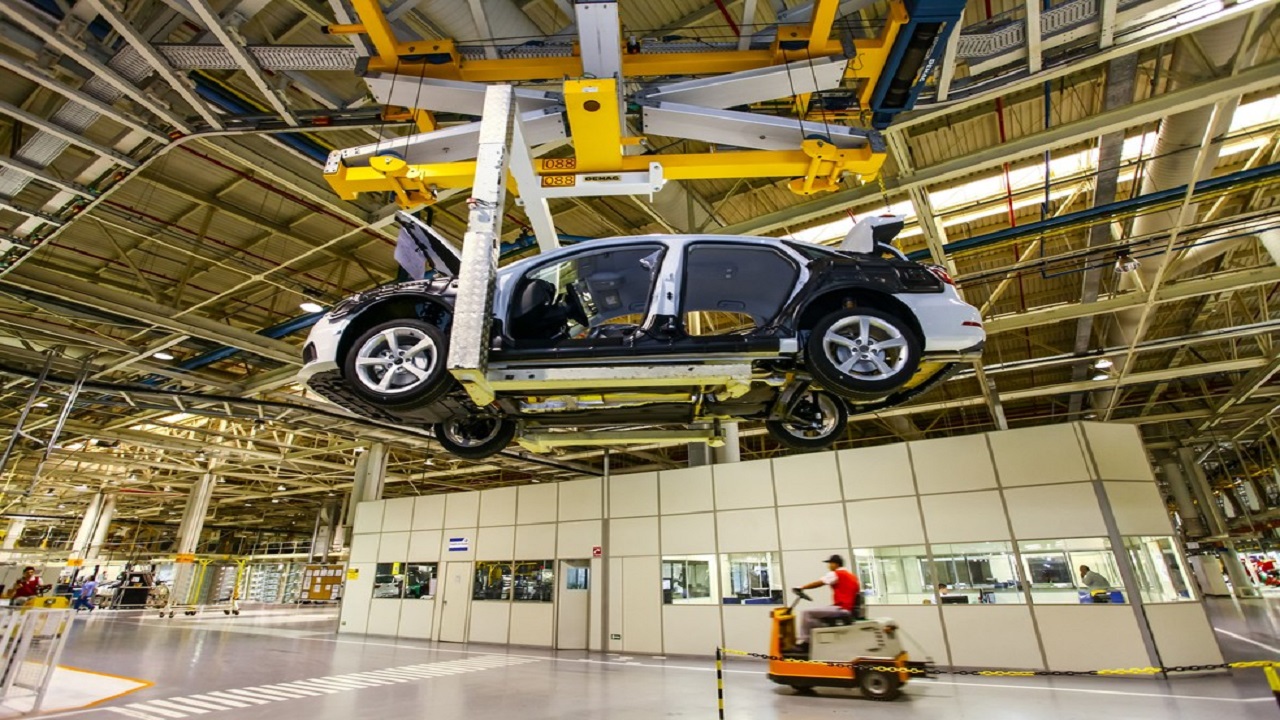
In an Official Statement, Announced This Tuesday (22), the Multinational Audi Confirmed That It Will Launch Its Last Cars with Internal Combustion Engines, Diesel and Gasoline in 2026.
With the aim of generating sustainability, the multinational Audi announces that it intends to stop manufacturing internal combustion engines, gasoline and diesel in 2026, and in this year of 2021, consumers will already be able to feel a greater presence of the automaker’s electric cars circulating.
Read Also
The End of Internal Combustion Engines at the Multinational Audi
According to what was anticipated last week, the multinational will begin to launch only electric cars in five years. The announcement was made by Audi CEO Markus Duesmann during the Climate Neutrality Foundation conference in Europe.
The halt of internal combustion, diesel and gasoline engines is part of a strategic realignment, which forecasts that the multinational will accelerate its shift to electric cars.
-
Most drivers make a big mistake on the road without knowing: there is an exact speed that makes the engine work with minimal effort and saves much more fuel, and it is neither 80 km/h nor 100 km/h as many imagine.

-
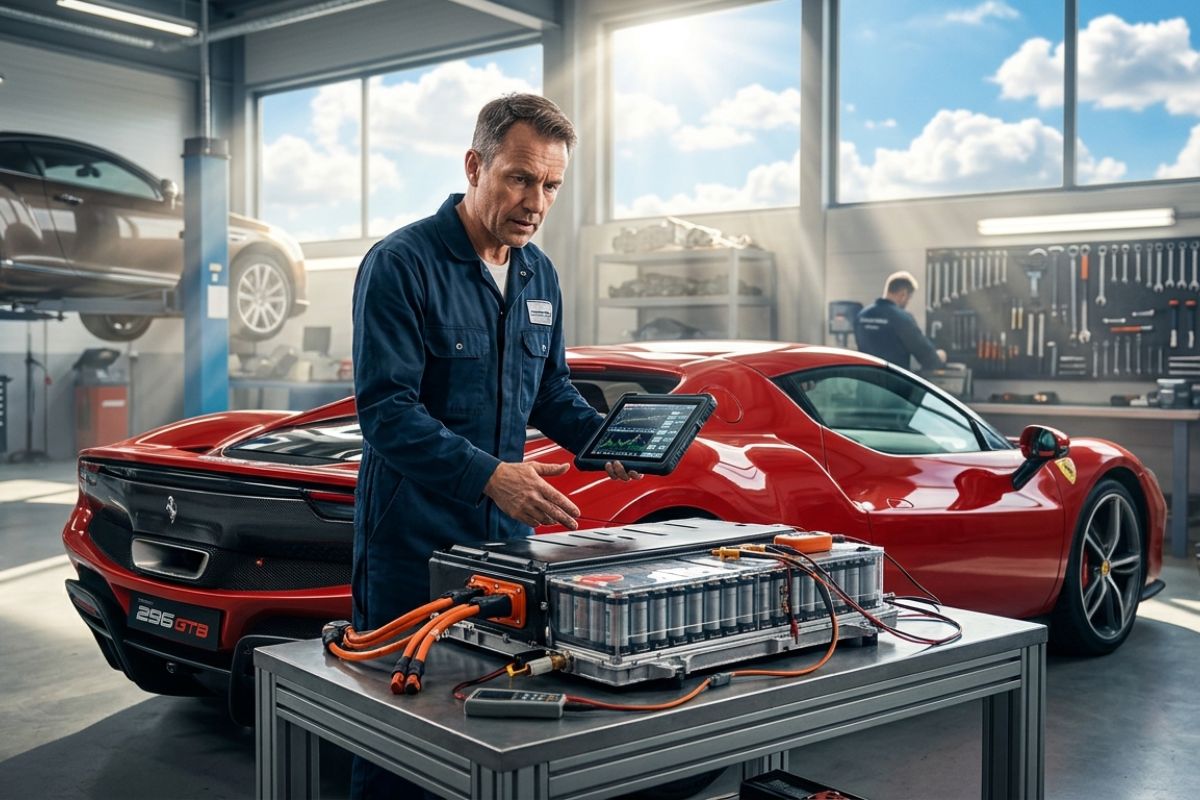
Mechanic explains: Ferrari 296 has a hybrid system management failure that can drain the high-voltage battery to an “irrecoverable” point in the car; recovery requires charging cell by cell on a bench, is risky, and the battery can cost R$ 250,000 imported.
-
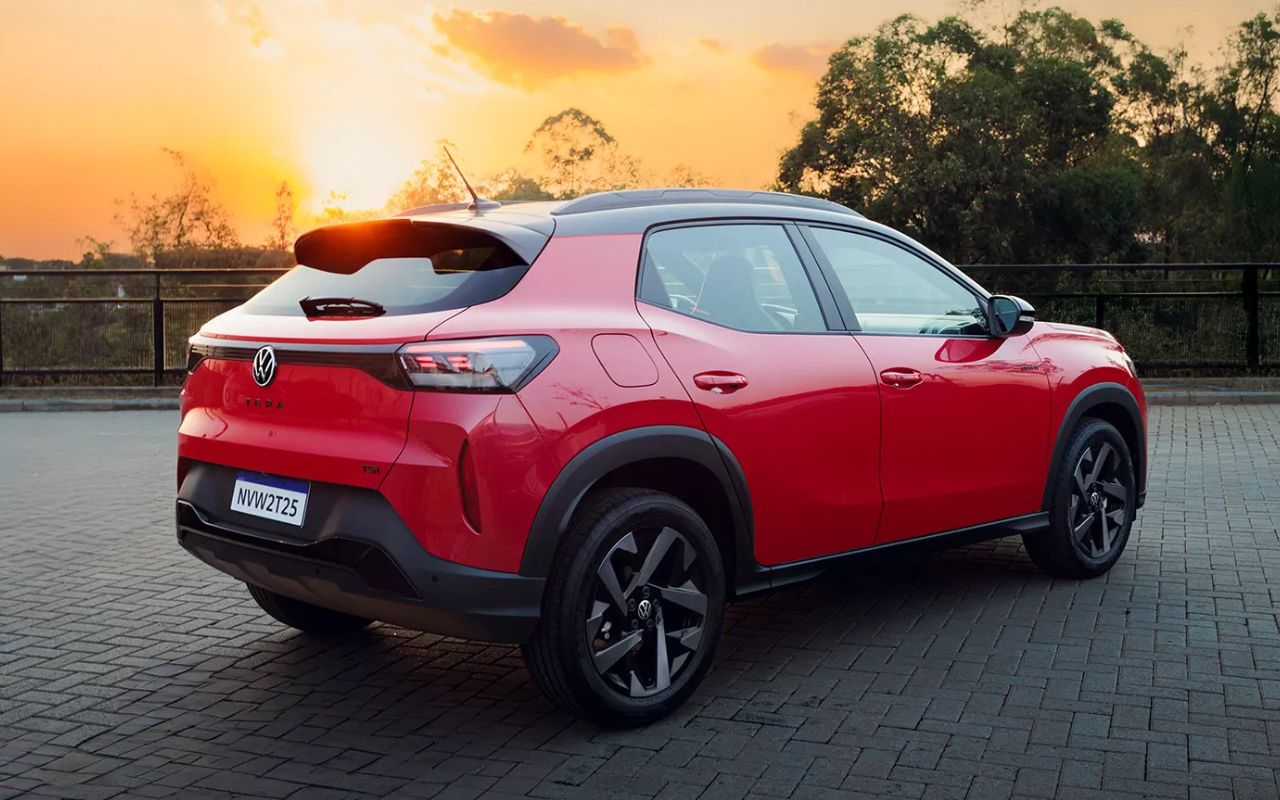
It surpassed the T-Cross, Creta, and Tracker: with nearly 8,000 units sold, the Volkswagen Tera was the best-selling SUV in March 2026.
-
Honda performs miracles in fuel consumption with a hatch that marks 13.2 km/l in the city and 15 km/l on the highway, leaving Polo, HB20, 208, and Onix behind and becoming a reference among compact cars without resorting to turbo or hybrid systems.

There was another schedule, but the manufacturer shortened the deadlines to completely cease internal combustion engine production by 2033 at the latest. Thus, by 2050, Audi aims to achieve the title of zero carbon emissions in all its processes.
CEO of Audi Comments on the Transition to Electric Cars
According to Duesmann, through its innovative strength, the multinational Audi offers people sustainable mobility that is neutral to climate change.
However, in China, despite being a country that is leading in electric cars compared to the markets of other countries, the sales of cars with internal combustion engines, diesel and gasoline may continue for some time after the established deadline of 2033, due to some internal demand issues. Meanwhile, the multinational announces that it intends to continue expanding its line of electric cars while gradually phasing out internal combustion, diesel and gasoline engines.
Audi recently launched the RS e-tron GT, Q4 Sportback e-tron, e-tron GT and Q4 e-tron models. Therefore, this year there will be more electric cars than models with internal combustion engines. Duesmann states that with this goal, the multinational is creating the necessary conditions for a powerful and determined transition to electric mobility.
The Expansion of Audi
This growth in the electric sector will require a significant expansion of charging infrastructure and the supply of clean energy. The multinational states that it is directly involved with these projects, both in the charging of electric cars and in providing clean energy solutions through partnerships.
Regarding electrification, Brazil is well aligned with Audi’s schedule, with Audi e-tron, e-tron S Sportback, e-tron Sportback and RS e-tron GT models already circulating in the country.







Seja o primeiro a reagir!