Portuguese
  Spanish


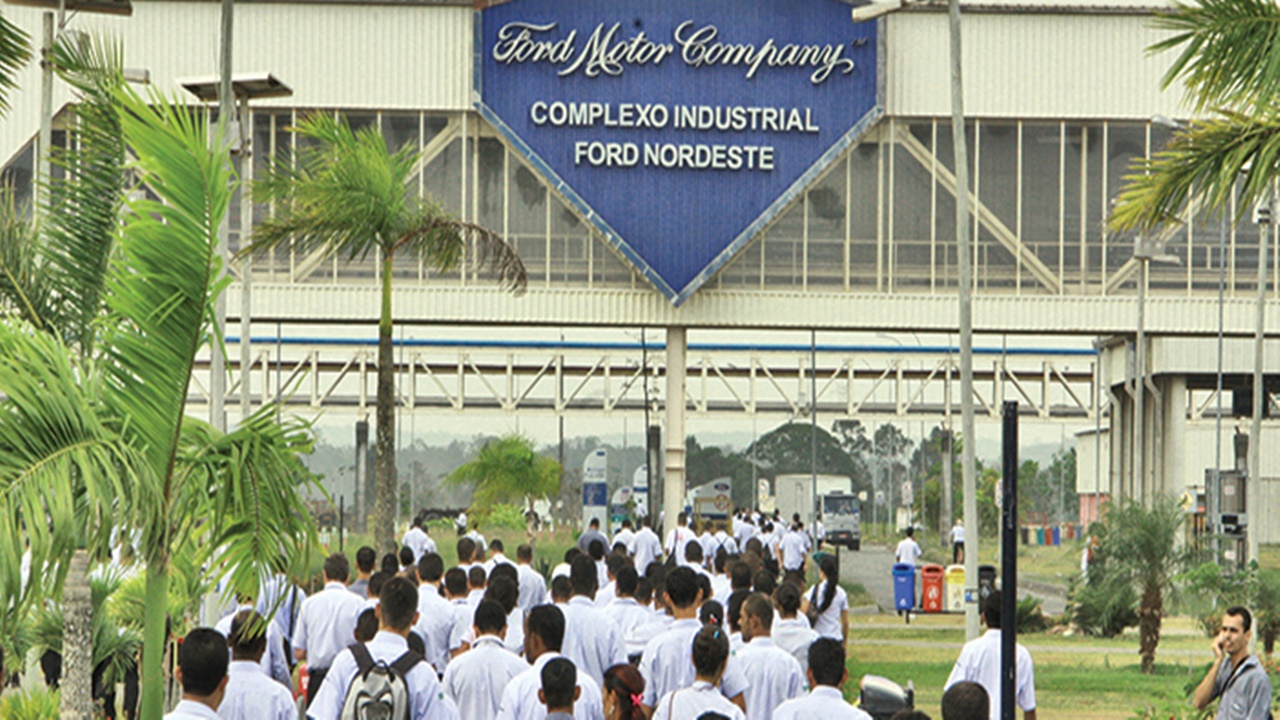

After Ford Exits the Country and Closes Vehicle Production at Its Factories in SP and Camaçari, the State of Bahia Experiences the Largest Industrial Drop Since 2020
In light of the exit of the multinational Ford from Brazil and the closure of its factories in SP and Camaçari, Bahia’s industrial production registered in February the largest drop since May of last year. This is indicated by data released last Thursday (04/08) by the Brazilian Institute of Geography and Statistics (IBGE). Ford will have to pay at least R$ 130 thousand to workers laid off for halting vehicle production and closing its factory in SP
Read Also
- After Ford’s exit, Renault and Nissan are moving to halt vehicle manufacturing and close their factories in Brazil, says Carlos Ghosn
- Ford’s Missing Giant, a 600-Horsepower Turbine-Powered Truck, Found After Forty Years
- Camaçari Faces Factory ‘Disassembly’ with Ford’s Exit and 7,500 People Expected to Lose Their Jobs
- After Ford’s Exit from the Country, Audi, a Multinational Owned by the Volkswagen Group, Announced It Will Halt Its Vehicle Assembly Line in Brazil
- After Ford’s Exit from the Country, Multinationals Honda and Chevrolet Halt Vehicle Production in Brazil and the Automotive Industry May Collapse
According to the survey, from January to February, Bahia’s industry recorded a 5.8% drop. In comparison to February 2020, the decline was 20.9% – the most significant for Bahia’s industry since May 2020, when it fell by 21.4%.
The decision to end Ford’s production in Brazil generated a domino effect on the Bahian economy, which is reflected in other sectors.
-
Mother Who Called Herself a ‘Pinterest Failure’ Learned Wood Furniture Restoration from Videos, Now Earns Around $15,900 Monthly

-
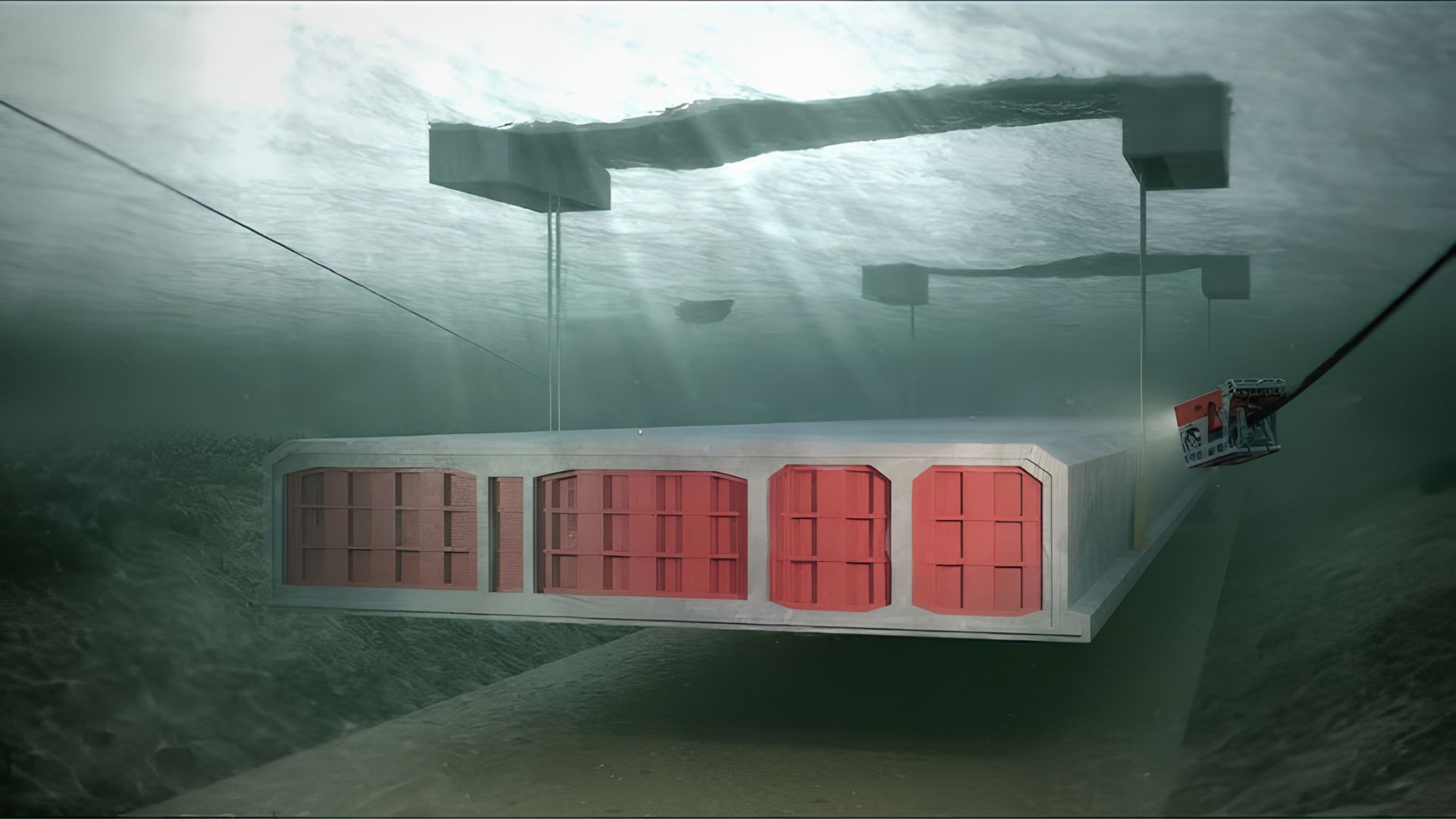
Denmark Constructs World’s Largest Immersed Tunnel to Connect with Germany, Sinking 217-Meter Concrete Sections in the Baltic Sea
-
Low-Cost Concrete Panel House Goes Viral: Investor Reveals Prefabricated Kit Structure for Around $1,500, Assembled in 30 Days, with Plans for Rental and Resale Income

-
Polymeric Mortar Revolutionizes Brazilian Construction with Efficient, Clean Application and Uniform Finish



The automaker stated that with the closure of its plants in the country, five thousand jobs were lost in Brazil and Argentina, but according to Dieese, the impact of the automaker’s exit is expected to be 20 times greater. This is because there is a whole indirect supply chain linked to the company’s production.
After Ford, Multinationals Renault and Nissan May Close Their Factories in Brazil, and the Automotive Industry Could Collapse in the Country
After Ford’s exit from Brazil, the global supply chain crisis and the pandemic caused automakers like Chevrolet, Honda, Audi (Volkswagen), Scania, Volvo, and Mercedes-Benz to suspend vehicle production as well. Now, according to information provided by Carlos Ghosn, former CEO of major vehicle manufacturers, multinationals Renault and Nissan may close their factories in Brazil, and the automotive industry could face collapse in the country.
The Brazilian automobile market has dropped from 4 million units/year to only 2 million, said former Nissan president Ghosn.
After Ford, Chevrolet, Honda, and Audi Withdraw or Reduce Vehicle Production in the Country, Multinational Bosch Brings Manufacturing From the USA to São Paulo
The German multinational auto parts manufacturer Bosch went against the trend of automakers Ford, Chevrolet, Honda, Audi (Volkswagen), Scania, Volvo, Mercedes-Benz, Nissan, and Renault that decided to withdraw or reduce production in Brazil, and brought to Brazil the production of injectors and injector nozzles for trucks that were previously manufactured in its factories in the United States, thereby expanding the diesel injection systems division at its Curitiba plant.
Furthermore, the intention of the German multinational is to supply not only the domestic market but also export a large quantity – which can reach up to half of the production.