





 English
  Francês
  Alemão
  Italiano
  Japonês
  Norueguês
  Portuguese
  Spanish
  3 min of reading


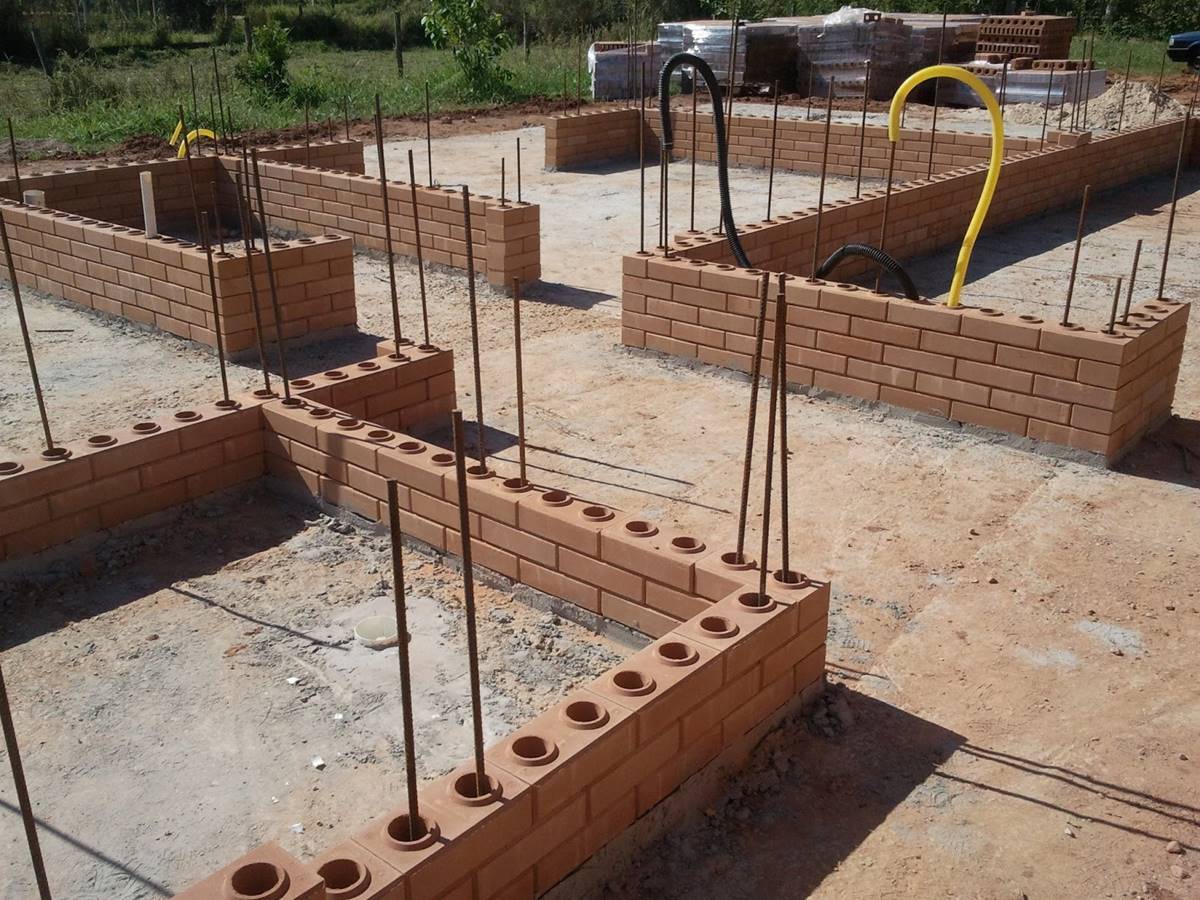
Engineers Manage to Create Brick for the Construction Industry That Is Capable of Self-Replicating and Removing CO2 from the Atmosphere
Have you ever imagined a solid material, perfect for the construction industry, that is capable of growing on its own like coral reefs? This is basically how the bricks work in the laboratory of scientist Wil Srubar at the University of Colorado in the United States; the creations of the biotechnology engineers are not only alive but in the process of reproduction.
Read Also
Known as engineered living materials (ELM), the bricks are produced by bacteria and microbes that convert sand, nutrients, and other raw materials into a biocement, just as corals synthesize reefs. Therefore, when one of the bricks is split in half, in about six hours, two will form.
With ELM, it is possible to build inert structural materials, such as hardened cement or wood-like substitutes, with applications for the construction industry, as they can serve as bases for self-constructing airport runways and living bands.
-
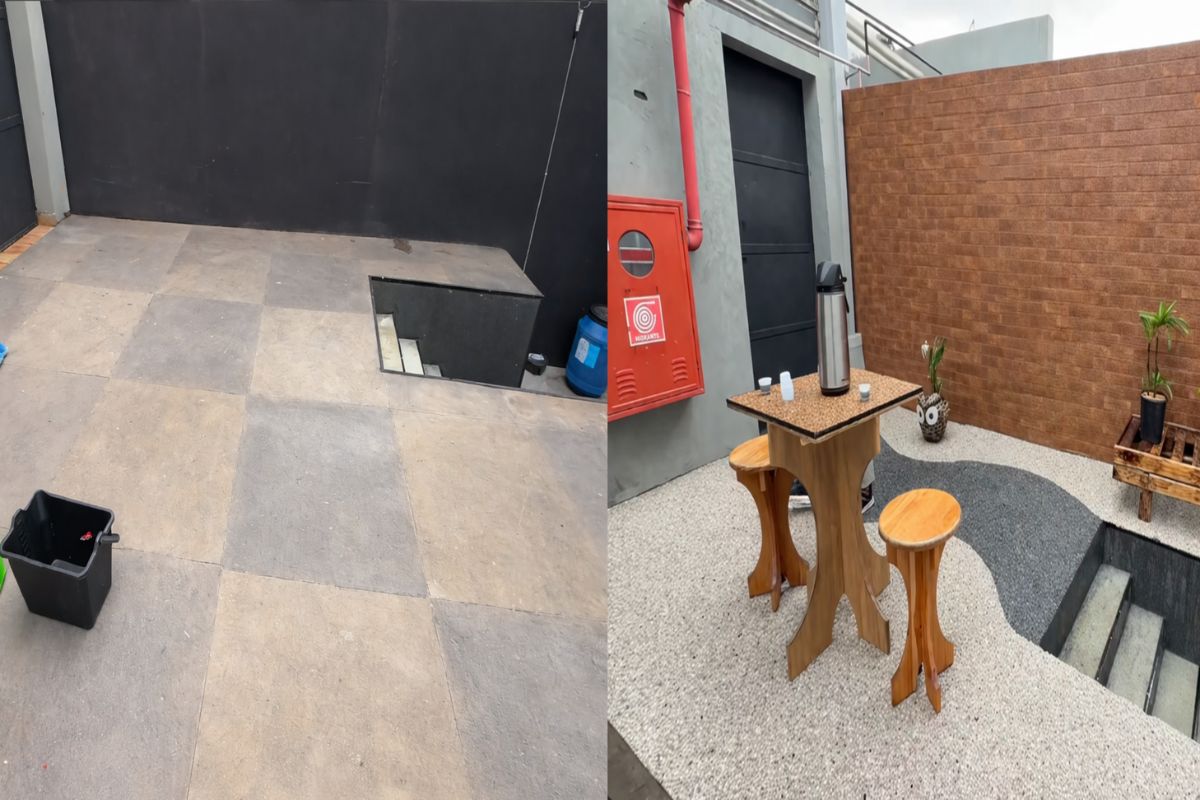
In just three hours, a natural stone floor transforms the entrance of the house with an organic effect, immediate drainage, and a sophisticated non-slip finish that doesn’t puddle water, dries quickly, and impresses with the final result.
-
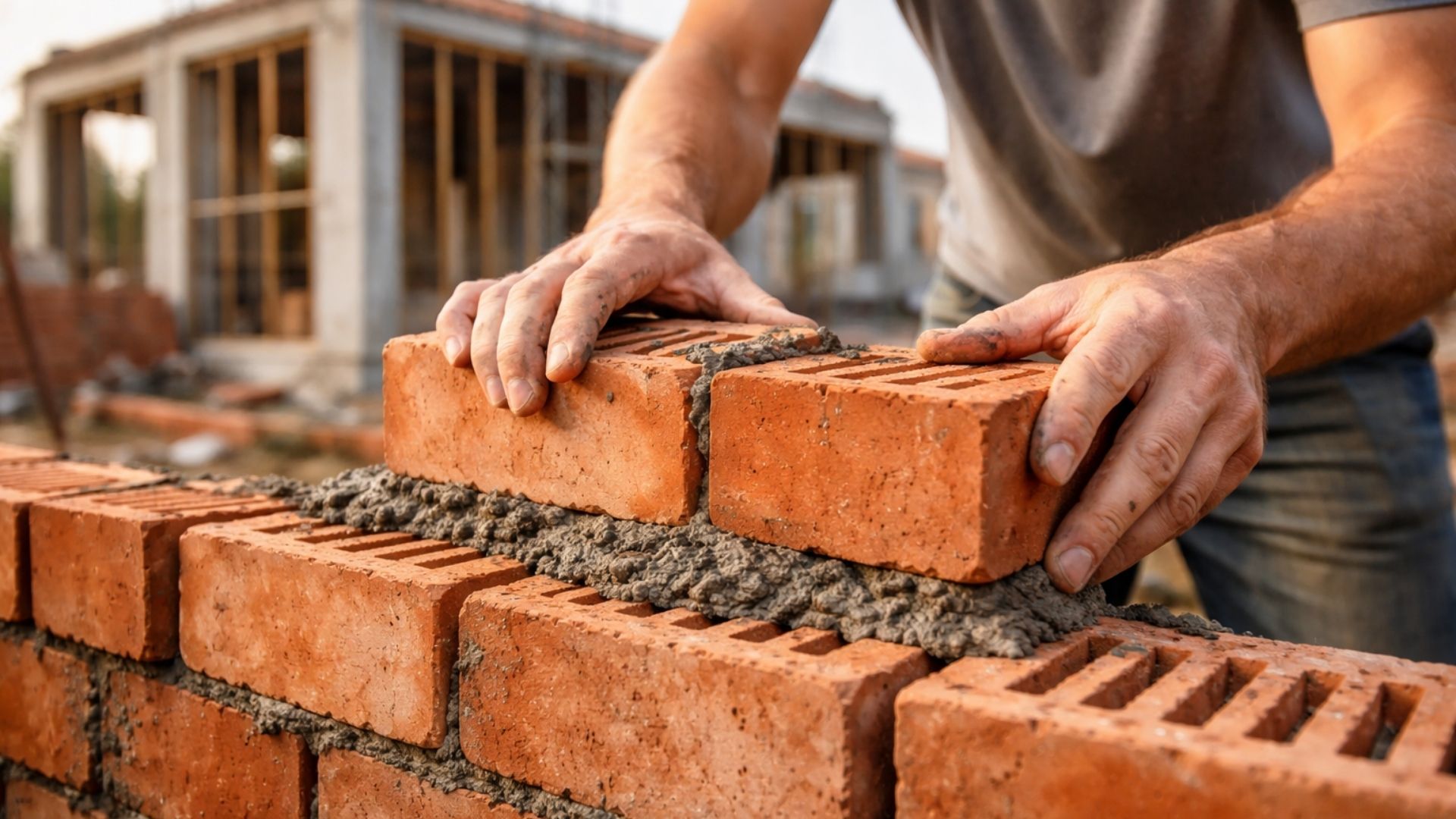
‘Interlocking brick’ made of earth arrives in the construction industry with cost reductions of up to 40% on the project.
-
Espírito Santo will receive the largest engineering project in its history with the duplication of BR 262, which will have 50 viaducts, 28 bridges, and 2-kilometer tunnels cutting through the most challenging mountainous region of the entire state.

-
A project of nearly 9 million reais already has the first kilometer paved in Santa Catarina and promises to completely transform the access between Jaraguá do Sul and Rio dos Cedros in an area where tourism is growing at a rapid pace.

Ecologically Made Bricks Are Very Useful for the Construction Industry
The novelty of Srubar’s biocement is that this invention manages to retain living cells even in the final structure. This is possible because scientists control the temperature and humidity, keeping these organisms alive. And when they want to stabilize growth, they simply deactivate these controls.
Until now, bricks have typically been made with clay, sand, lime, and water, which are mixed, molded, and heated in kilns to over 1000 °C, in a process that consumes a lot of energy and generates hundreds of millions of tons of CO2 emissions annually.
Engineers at bioMASON Explore the Use of Bacteria in Brick Manufacturing for the Construction Industry
On the other hand, engineers from a company in North Carolina, USA, called bioMASON, were among the first to explore the use of bacteria in the production of this material. In this case, the microbes convert nutrients into calcium carbonate, which hardens the sand and transforms it into an excellent material for the construction industry, resistant to ambient temperature.
“Could you cultivate a temporary runway somewhere by sowing bacteria in the sand and gelatin?” asks Sarah Glaven, a microbiologist and ELM specialist at the U.S. Naval Research Laboratory. In June 2019, engineers at Wright-Patterson Air Force Base in Ohio created a prototype as she questioned, covering 232 square meters.
The hope, explains Blake Bextine, who runs an ELM program for the U.S. Defense Advanced Research Projects Agency, is that instead of transporting tons of materials to create expeditionary airfields, military engineers could use local sand, gravel, and water and apply some “drums” of bacteria — which produce cement — to create new runways in a matter of days. This movement has resulted in a number of groups carrying this same concept forward.









Seja o primeiro a reagir!