





 Portuguese
  English
  Spanish
  4 min of reading
  0 comments


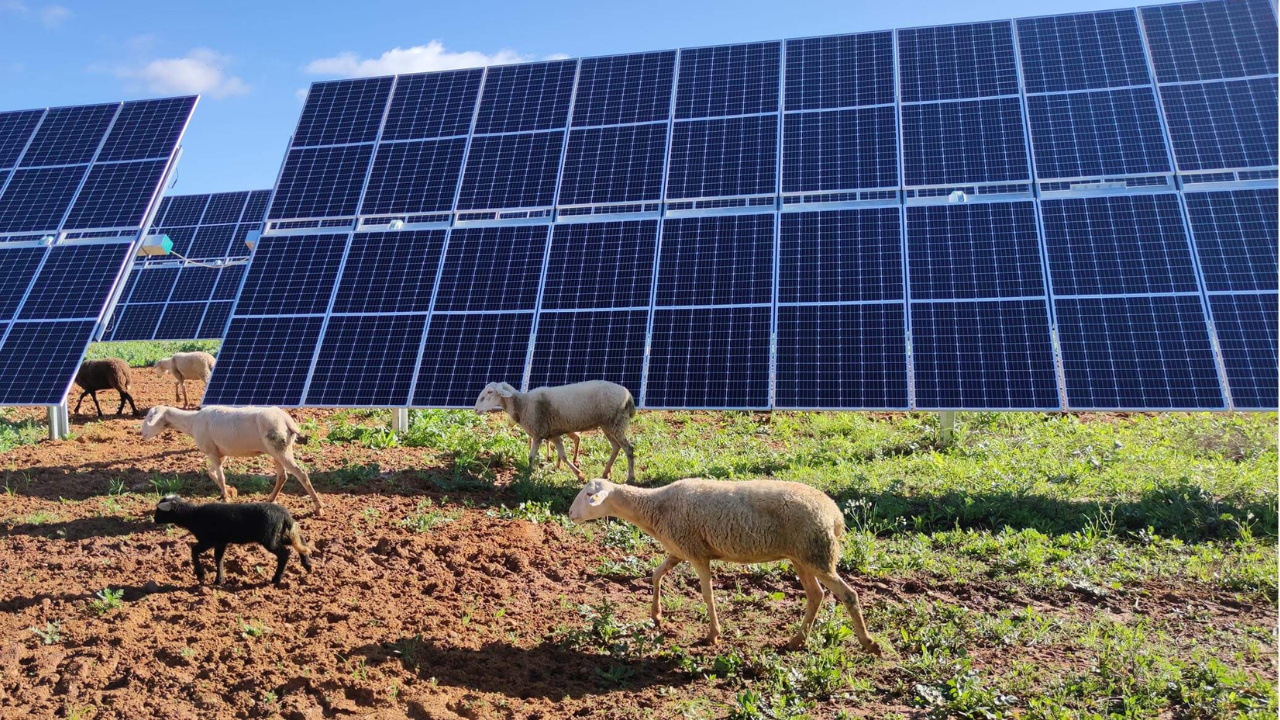
Community Solar Energy Initiatives Multiply in Spain After Regulatory Changes, Bringing Clean and Cheap Electricity to Vulnerable Families and Transforming Small Municipalities into Energy Innovation Hubs.
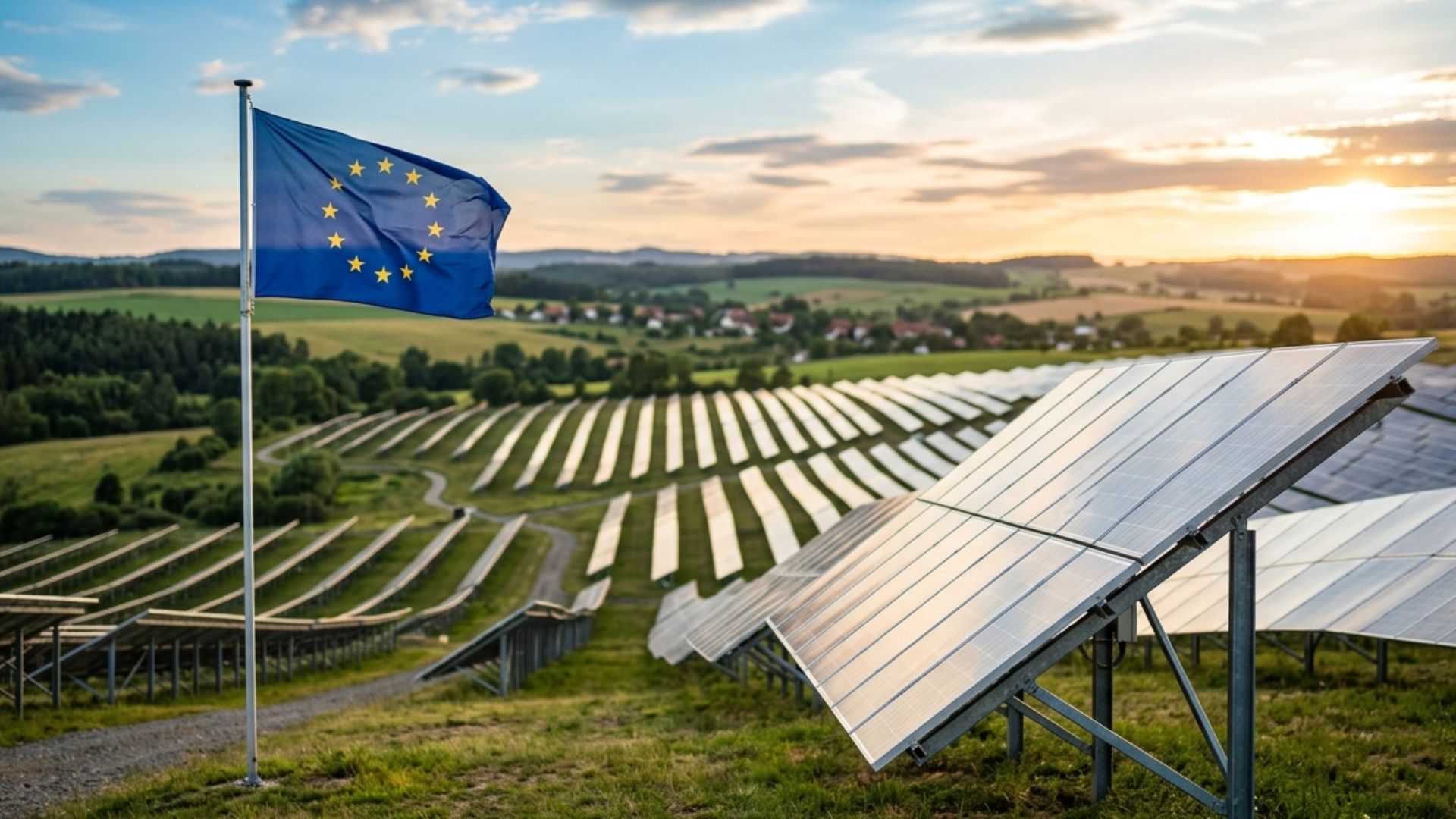
Spain is experiencing a rapid and consistent advance in the use of shared solar energy. The movement gained traction after recent regulatory changes, and since then, small municipalities have discovered that community cooperatives can be more than just a sustainable alternative: they can be a tool for inclusion and reducing inequalities.
In cities like Taradell, in Catalonia, local initiatives have become national examples. The combination of social engagement, institutional support, and European financial incentives has shown that organized communities can produce clean electricity, redistribute benefits, and alleviate the burden of electricity bills for vulnerable families.
How a Community Garden Became a Reference in Solar Energy
The path of Taradell is symbolic. What began as a simple community horticulture initiative rapidly evolved into one of the most successful renewable energy projects in Spain.
-
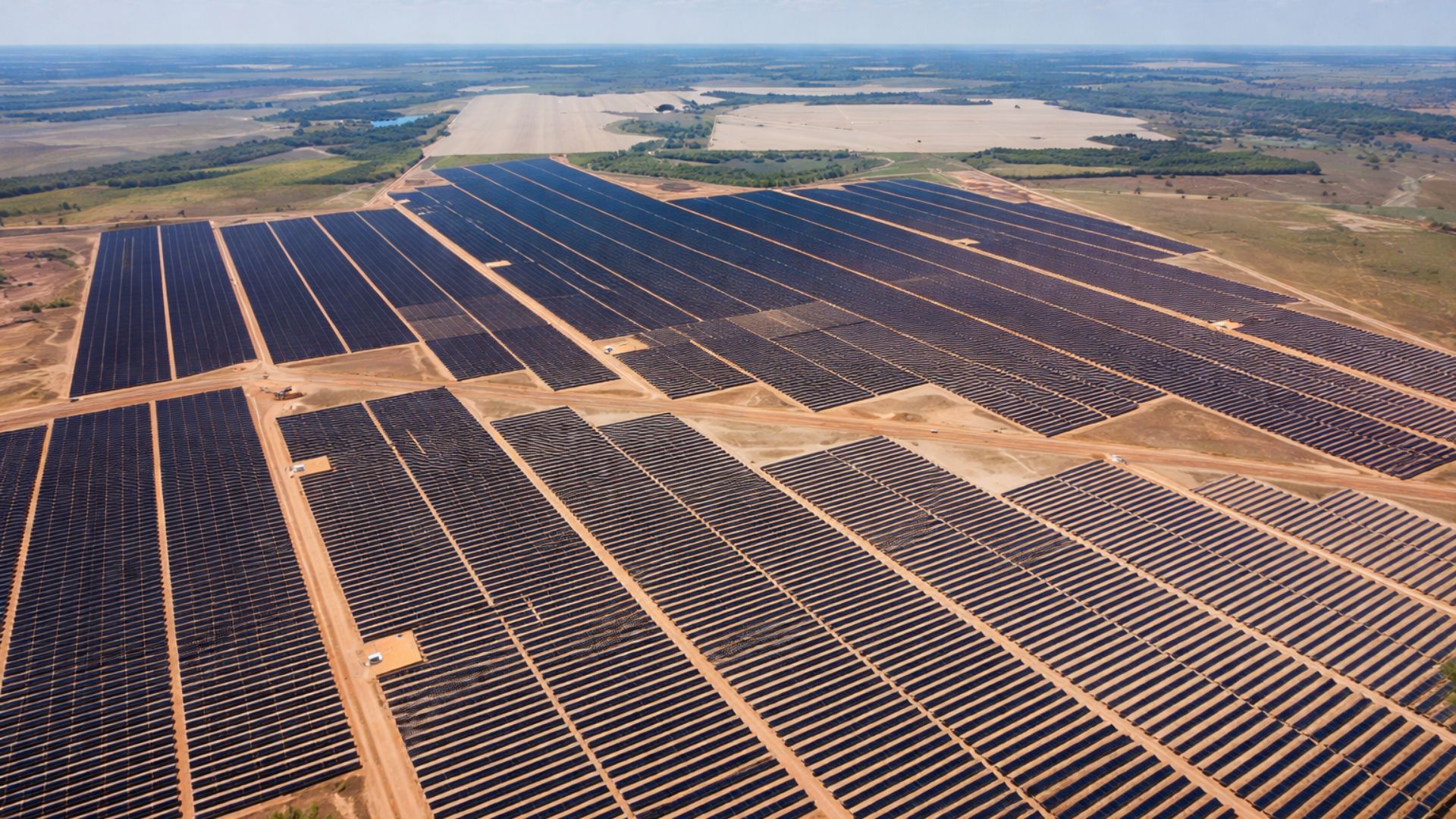
Solar energy gains strength with the Barro Alto solar complex, which increases renewable energy production in Brazil, creates jobs, strengthens the clean matrix, and transforms the electric sector with innovation and sustainability.
-
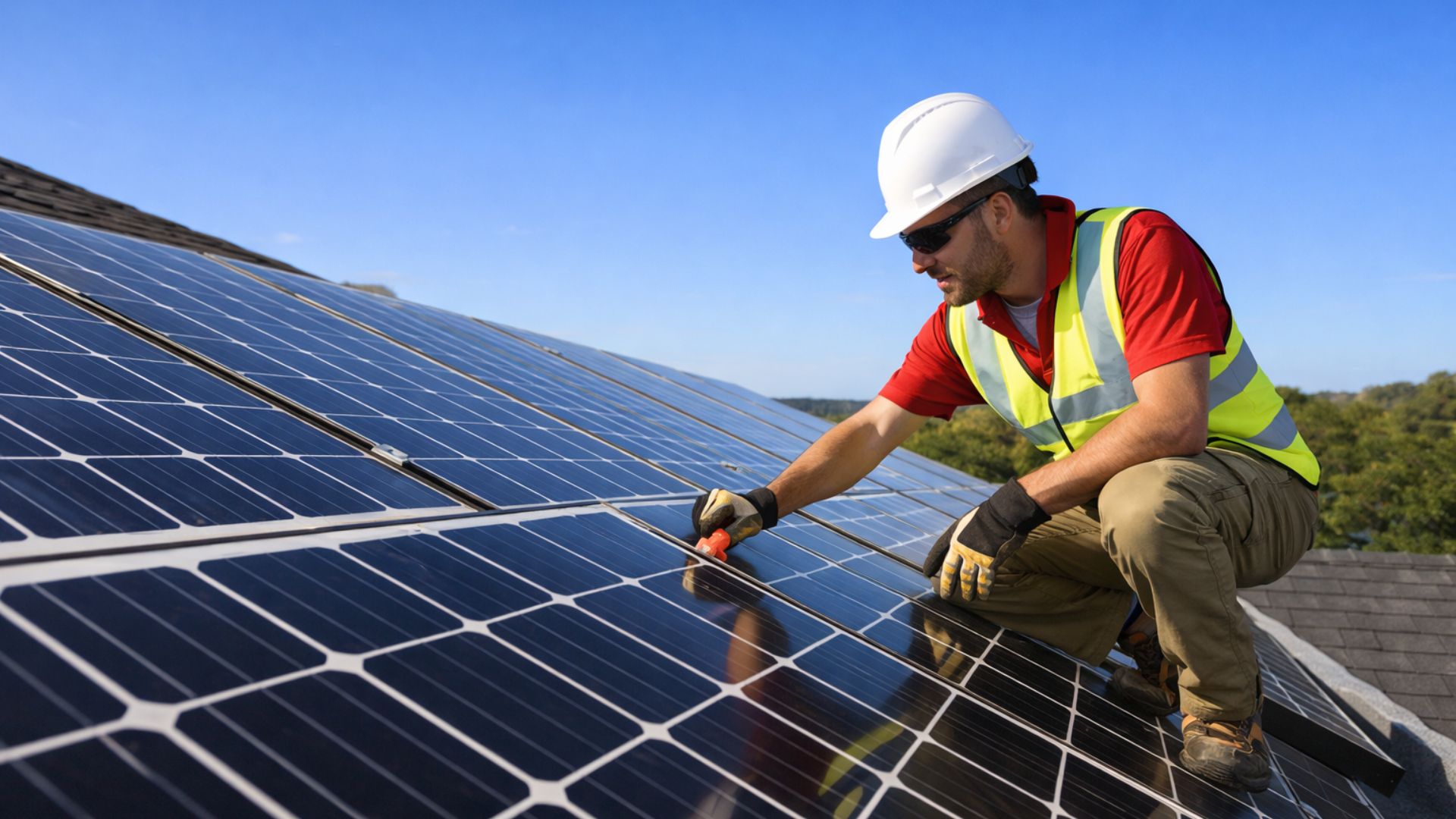
Seagri’s headquarters invests in solar energy with Neoenergia Coelba and promises to cut electricity costs, highlighting a strategic advance in sustainability and energy efficiency within state public administration.
-
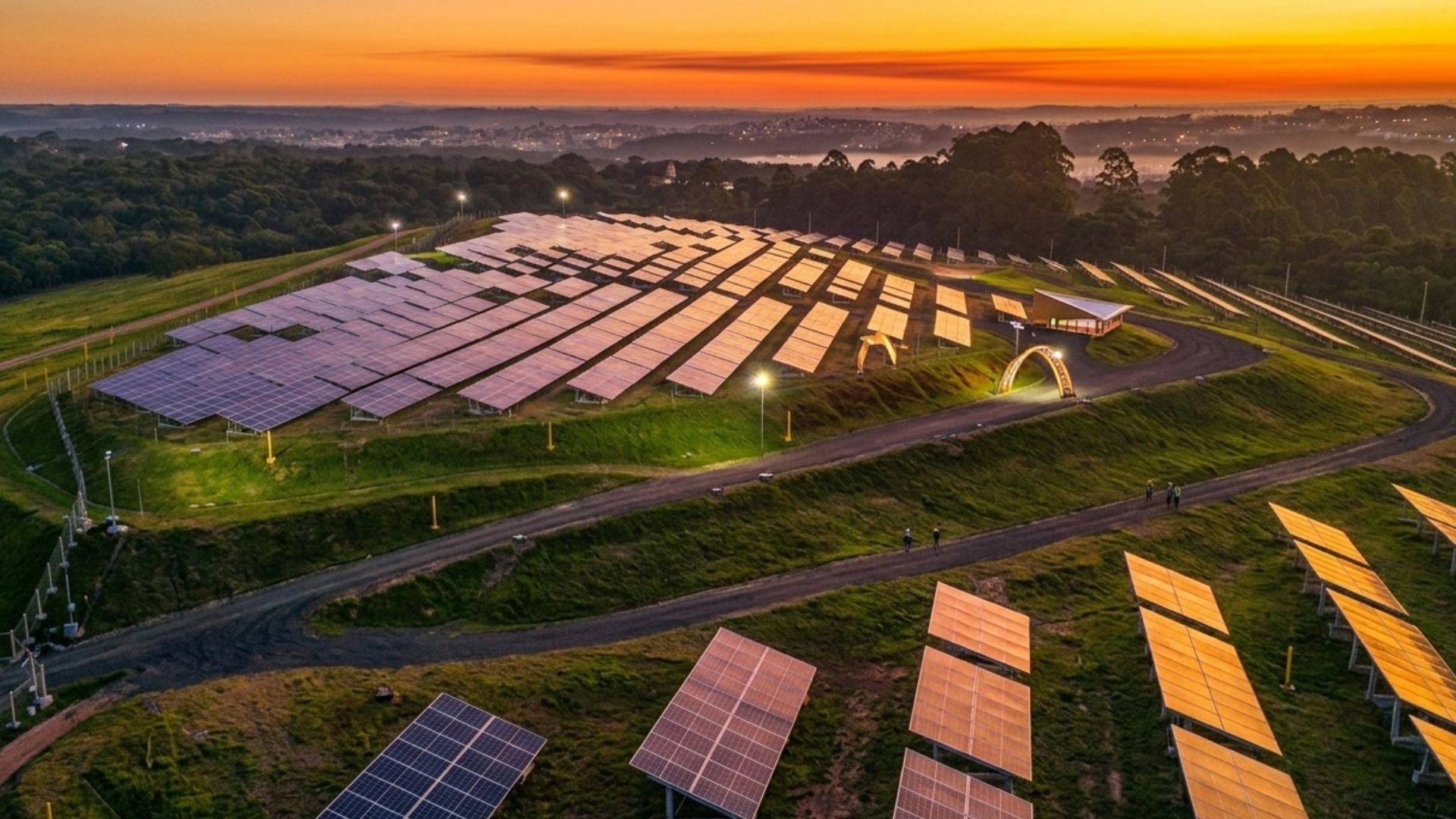
Solar Pyramid draws attention by converting solar energy into million-dollar savings and repositioning the City Hall of Curitiba as an example of innovation, sustainability, and intelligent use of public resources.
-
Europe records strong euro economy with solar energy in March and sparks curiosity about which country leads growth that redefines the energy market and reduces costs.
Four residents, already involved in local actions, realized that the city had the potential to go beyond gardens.
Thus, the cooperative Taradell Sostenible was born, now consisting of 111 members and responsible for supplying renewable electricity to over 100 homes. Many of these belong to low-income families.
From the beginning, inclusion was a priority. The cooperative’s president, Eugeni Vila, noted that access to membership needed to be more democratic.
“The question was how people with low income could join the cooperative if membership cost €100,” Vila said. The solution was immediate: families deemed poor by local authorities began to pay only €25 to enter the system and access cheaper energy.
The support from the Spanish Institute for the Diversification and Saving of Energy (IDAE) was crucial for installing the first solar panels on the rooftop of a sports center and a cultural building. Vila highlights that the European program NextGenerationEU was essential to make the project feasible. “We are very proud of the fact that IDAE considers us pioneers,” he stated.
However, the story of Taradell did not occur in isolation. The advance of solar communities across the country gained momentum starting in 2018 when the government revoked the so-called “solar tax” — a rule created in 2015 that penalized those who generated their own electricity.
The elimination of the fee caused the installation of rooftop panels to grow 17 times, according to IDAE data.
Following this change, the institute began to direct substantial resources to collective initiatives. In total, it allocated €148.5 million to support 200 community energy projects.
At the same time, the relaxation of rules for sharing was essential. The maximum distance between the generating unit and the consumers increased from 500 to 2,000 meters.
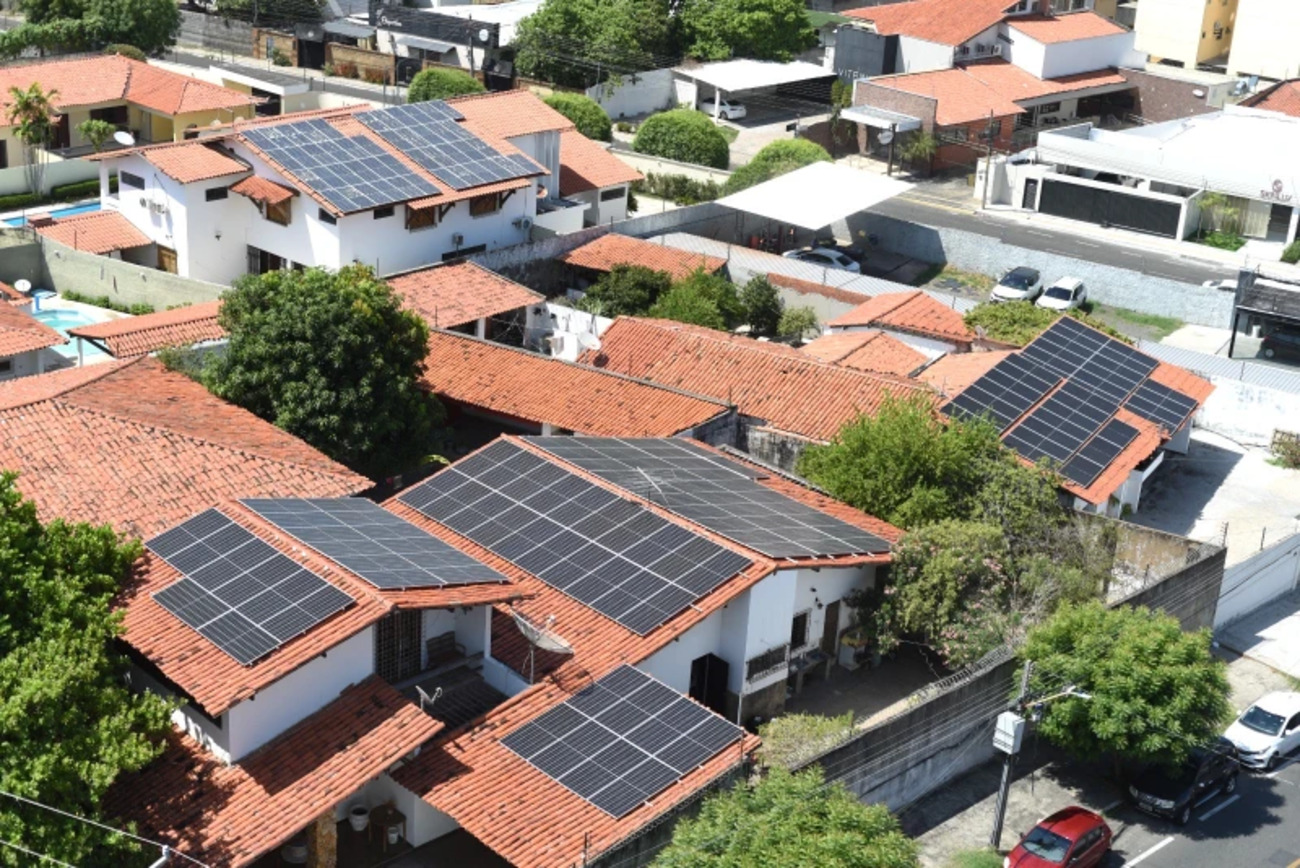
This allowed public buildings, warehouses, and sports centers to transform into small power plants capable of supplying entire neighborhoods.
This strategy addressed a clear need: to reduce energy costs for families classified as being in energy poverty, unable to afford the €5,000 to €6,000 required to install their own panels.
Cooperation Networks Expand the Impact of Solar Energy
With this favorable scenario, cooperatives began to act in networks. Taradell, for example, partners with Balenyà and La Tonenca, paving the way for larger, faster, and more efficient projects.
“We developed a formula to help people who are in financial difficulties, integrating them into a network that helps improve their situation,” Vila explained. The European initiative Sun4All reinforced this movement by financing projects aimed at low-income families.
The benefits also reached geographically challenging areas. In Galicia, small islands began to replace old diesel generators with solar systems with support from IDAE.
On the island of Ons, with only 92 inhabitants, the head of the Atlantic Islands National Park, José Antonio Fernández Bouzas, explained that the plan is to install solar panels on administrative buildings to supply residents, many of whom are elderly.
On the Cíes Islands, solar systems already provide energy for local businesses, reducing dependence on diesel and contributing to the environmental protection of one of Spain’s most sensitive ecosystems.
Decentralized Solar Energy Strengthens Spanish Energy Security
Another crucial point is the resilience of the national grid. The blackout that affected Spain and Portugal at the beginning of the year exposed how a centralized system can fail in a widespread manner.
Small, distributed, and community solar plants reduce risks. The model is especially relevant in a country where 65% of the population lives in buildings, many of which lack the proper structure to install individual panels.
The expansion of community solar energy, therefore, is not just about sustainability but also about energy security.
The case of Taradell sums up this transformation. Four activists, a community garden, and an engaged municipality initiated a shift in logic: clean, shared, and accessible energy.
“We are proud to be pioneers,” Vila said. Today, dozens of cities replicate the model, showing that solar energy can go far beyond panels — it can redefine social relations, strengthen communities, and democratize access to electricity.





-

-

2 pessoas reagiram a isso.