





 Portuguese
  English
  Spanish
  4 min of reading
  0 comments


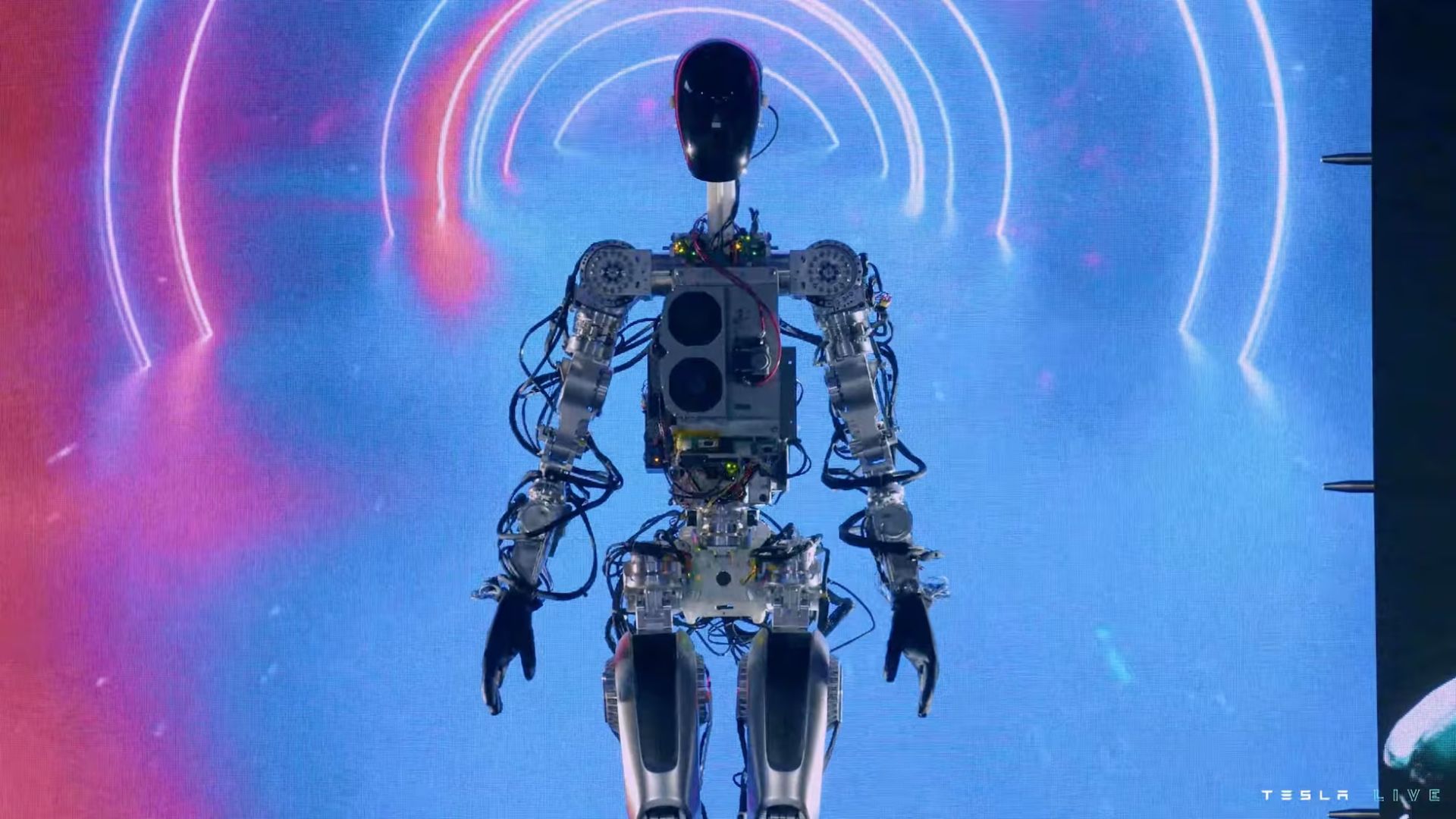
On July 22, 2023, a robotic arm with a counterweight of 3.6 tons hit the technician at the Tesla factory; the medical costs already exceed US$ 7 million and the lawsuit seeks US$ 51 million in damages, suffering, and loss of future income
Peter Hinterdobler, a 50-year-old robotics technician, lived a nightmare at the Tesla factory in California on July 22, 2023. He was assisting in the disassembly of an industrial robot when, without any warning, the mechanical arm was reportedly activated. According to the petition filed in court, the power of the equipment combined with the counterweight of almost 3.6 tons, producing a brutal blow that threw the worker to the ground and left him unconscious. Following this episode, in addition to the human drama, an emblematic case arose regarding safety in automation and corporate responsibility.
The information was disclosed by American media outlets and is included in the lawsuit filed in federal court in Oakland, which details the incident and its developments; according to the court documents, Hinterdobler was assisting an engineer with the removal of the motor from the base of the robot when the arm suddenly detached. In other words, the description points to a scenario where a total lockout protocol failed — something unacceptable in high-risk environments.
The Medical Bill and the Lawsuit: US$ 51 Million at Stake
The financial consequences are enormous. Hinterdobler has already accounted for over US$ 1 million (around R$ 5.3 million) in medical expenses and estimates needing an additional US$ 6 million (about R$ 32 million) for future treatments. Given this, the lawsuit seeks US$ 51 million (approximately R$ 272.6 million) in damages, distributed as US$ 20 million (R$ 106.9 million) for moral damages, US$ 10 million (R$ 53.4 million) for emotional suffering, US$ 8 million (R$ 42.7 million) for loss of future earning capacity, and additional amounts for lost wages and other damages. In short, the calculation presented aims to cover both material effects and the lasting emotional and professional impacts.
-
They were brilliant! Scientists discover that our ancestors in China were already making super advanced tools 160,000 years ago, changing everything we knew.

-
Scientists unveil 3 million years of climate secrets hidden in the ice of Antarctica.

-
Ancient farmers created “aggressive plants” that changed nature forever.

-
Astronomers find a “backward” solar system that ignores all the rules of space and leaves scientists scratching their heads!


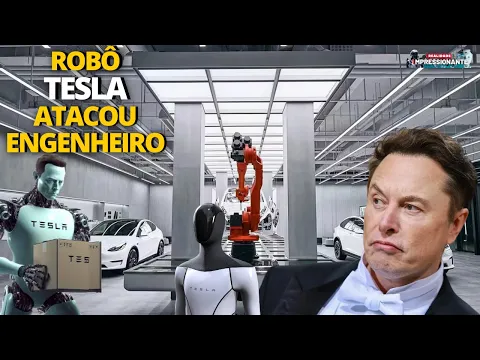

What the Lawsuit Claims About Safety
According to the complaint, Tesla allegedly did not follow basic safety protocols. The robot, the lawsuit claims, was not properly shut down, secured, and stabilized before the procedure — which constitutes a breach of standards in routines that require lockout/tagout. Additionally, the machine was reportedly moved to an undesignated area, which in itself increases exposure to risks. The employee also contends that new safety procedures were implemented only after the accident and that the manufacturer refuses to provide the CCTV footage of the incident, despite repeated requests. In other words, the narrative points to systemic failures in prevention and transparency.
History of Problems at the Fremont Facility
The case does not arise in a vacuum. The Fremont facility has already made headlines regarding working conditions. In 2023, the company was sued by a federal commission over allegations of widespread racism. In August 2025, a former security director made serious accusations, citing drug trafficking and fights within the factory. Furthermore, there were other accidents: in 2018, a worker ended up with a broken jaw; in 2023, a female employee was reportedly stuck in a Model Y during a procedure. Thus, the previous reports build a backdrop that amplifies the relevance of the current lawsuit.
Automation in Debate: Statistics from the CDC and OSHA
The episode also brings back to the center of the debate the risks of automation. According to the Centers for Disease Control and Prevention (CDC) in the U.S., the integration of robots in production lines removes workers from dangerous tasks, but introduces new risks, especially when protocols are neglected. A study based on data from the Occupational Safety and Health Administration (OSHA) and cited by various news outlets indicates 77 accidents involving robots between 2015 and 2022 in the country, with 93 injuries, including amputations and fractures. As the robot density per worker increases — especially in the automotive sector — cases like Hinterdobler versus Tesla are likely to become a legal benchmark in the era of Industry 4.0.
According to the reports and documents cited, the discussion is not limited to an isolated episode; it involves lockout procedures, training, risk auditing, and incident traceability (such as access to CCTV). In summary, the lawsuit could set parameters regarding duty of care, reparations, and best practices in the interaction between workers and robotic systems.
Source: Xataca






-

-

-

-

-

-

53 pessoas reagiram a isso.