





 Portuguese
  English
  Spanish
  4 min of reading
  0 comments


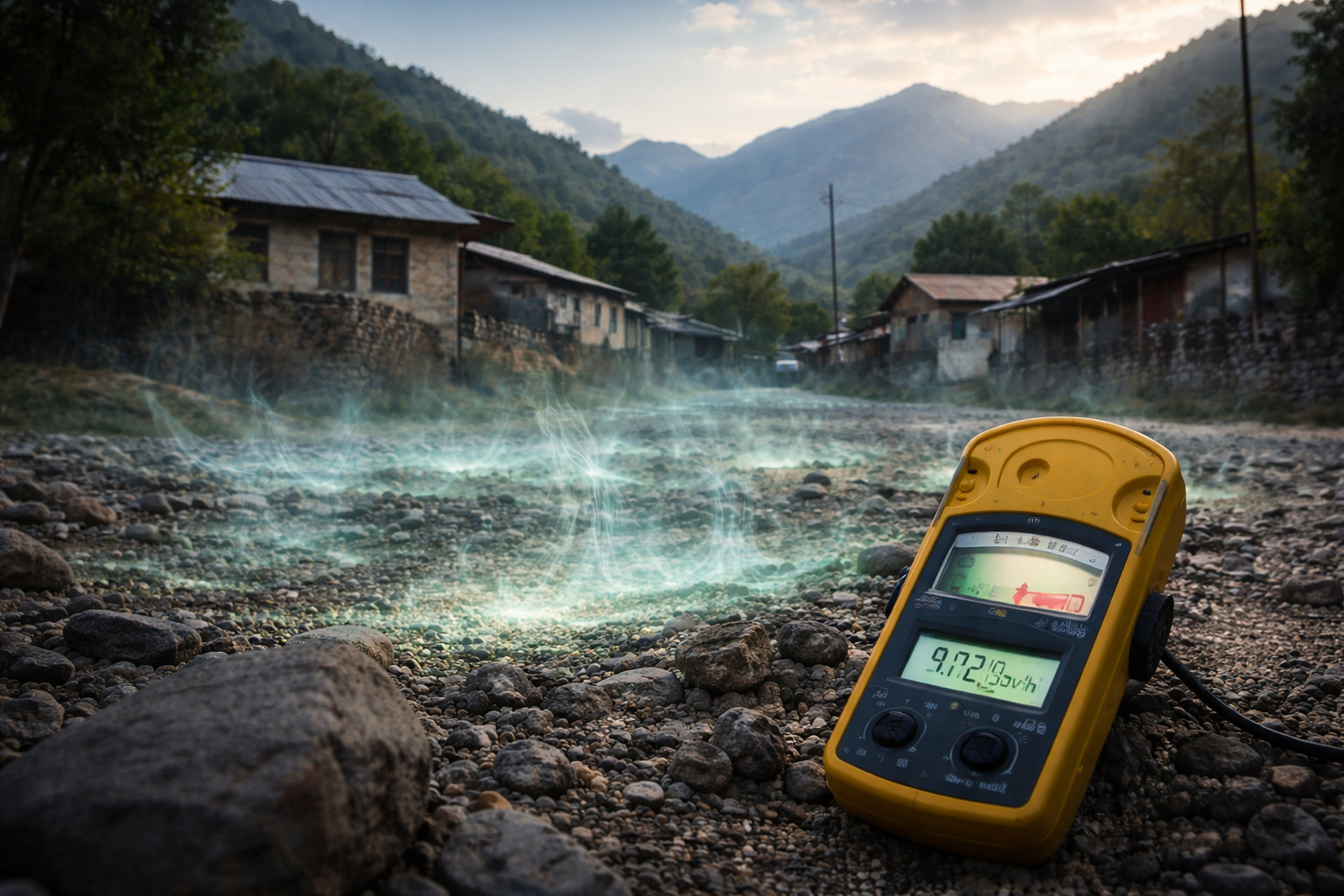
In Ramsar, Iran, The Soil Emits One of the Highest Natural Radiation Levels on the Planet, Surpassing Famous Nuclear Areas and Imposing Real Limits on Human Exposure.
When it comes to extreme radiation, the collective imagination tends to immediately point to Chernobyl or Fukushima. However, one of the most radioactive environments on the planet is not the result of a nuclear accident, bomb test, or human error. It is a natural phenomenon, scientifically documented for decades, where the soil, water, and even building materials emit radiation levels that rival and in some cases exceed those of famous nuclear exclusion zones.
This place is Ramsar, a city located in the north of Iran, on the shores of the Caspian Sea, recognized by researchers as one of the regions with the highest natural exposure to ionizing radiation ever recorded in the world.
Where Is Ramsar and Why Is It So Different From Any Other Place
Ramsar is situated in a mountainous region rich in natural hot springs. These warm waters carry large amounts of radium-226, a radioactive element that settles in the soil, rocks, and sediments over time.
-
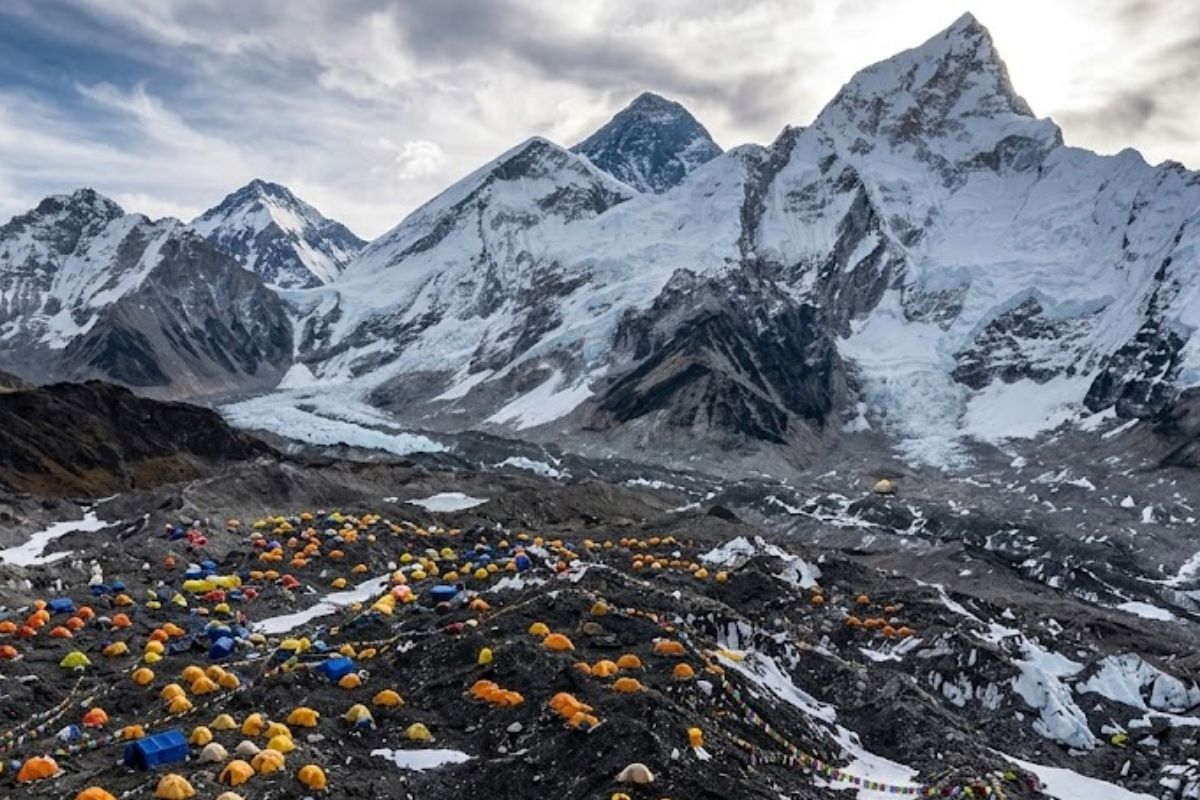
Tourists on Everest were poisoned by guides who mixed substances in food to provoke false symptoms of altitude sickness while helicopter operators and hospitals charged inflated rescue fees to insurance companies.
-
Few people know this, but Neil Armstrong, one of the most famous NASA astronauts in history, survived the Korean War after jumping from the plane during his seventh combat mission aboard the USS Essex aircraft carrier of the United States.

-
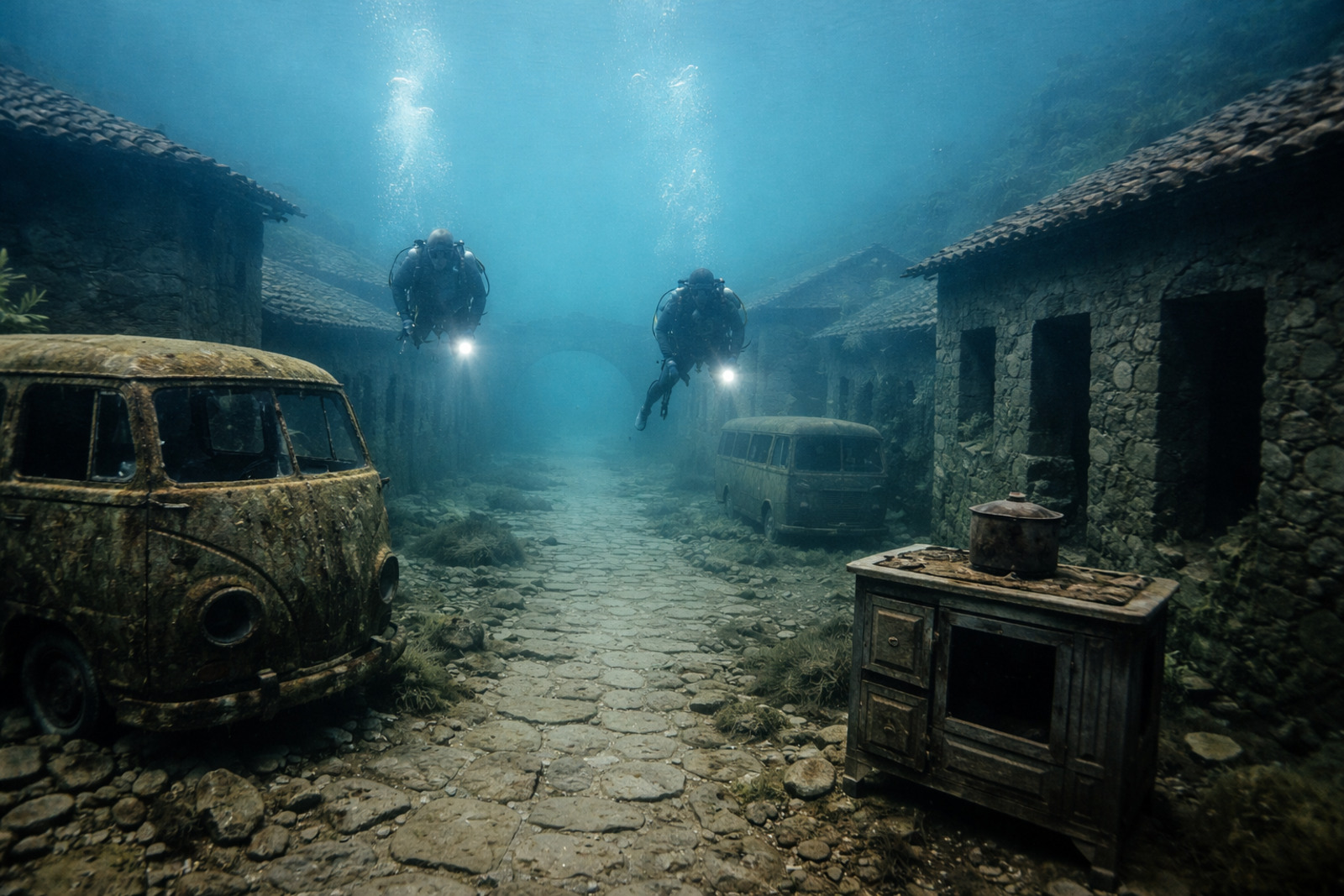
Diving with a camera in Lake Furnas reveals a submerged city with an entire street, almost intact houses, a preserved bridge, a wood stove, a Kombi, and even a bus at the bottom of the largest lake in the Southeast.
-
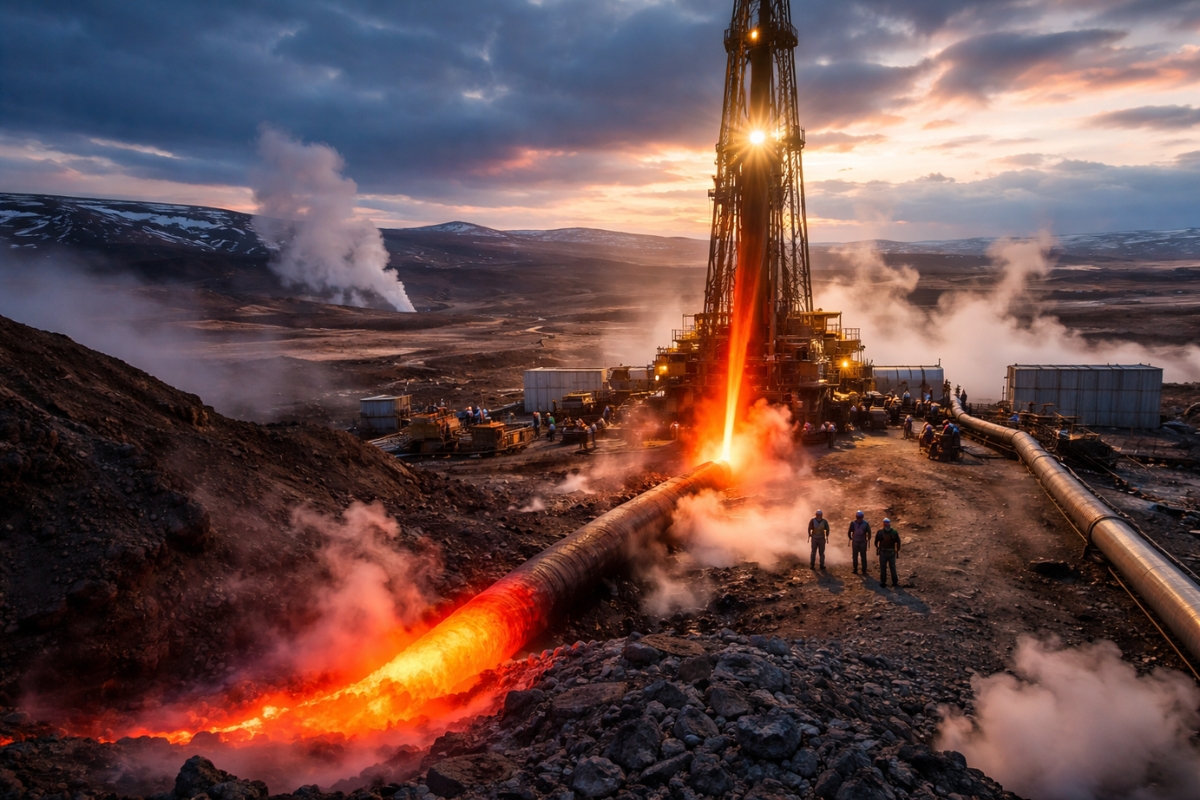
Iceland accidentally drilled into a magma pocket at 2,100 meters and revealed that the extreme heat beneath the crust could pave the way for a new source of continuous energy.



The result is an environment where radiation does not come from the air, nor from industrial waste, but from the ground itself. In certain specific neighborhoods, the measured background radiation is hundreds of times higher than the global average.
For comparison, while the global average for natural exposure is around 2.4 millisieverts (mSv) per year, areas of Ramsar have recorded values above 200 mSv annually, a number that exceeds recommended limits for workers in the nuclear industry in many countries.
What Makes Ramsar One of the Most Radioactive Areas on the Planet
This phenomenon occurs due to the combination of three rare natural factors acting together:
First, the presence of geological veins rich in uranium and radium in the region. Second, the constant circulation of hot springs, which dissolve these radioactive elements and bring them to the surface. Third, the historical use of these materials in house construction, where radioactive sediments have been incorporated into walls and floors over decades.
In some residences, measurements have indicated that the internal radiation level is higher than in areas near the old Chernobyl nuclear power plant, although the origin is completely different.
Length of Stay Limits and Scientific Monitoring
Unlike nuclear exclusion zones, Ramsar has not been evacuated. The population continues to live in the area, but with constant monitoring by researchers and health authorities.
Studies conducted by institutions such as the International Atomic Energy Agency (IAEA) and European universities have established that, in certain areas, continuous presence in enclosed environments can significantly elevate the annual absorbed dose.
Therefore, it is recommended to avoid construction in critical points, limit renovations that reuse local sediments, and constantly monitor radiation levels in specific residences.
The Scientific Paradox: High Radiation Without Clear Effects
One of the most intriguing aspects of Ramsar is that, despite the high doses, there is no conclusive evidence of a proportional increase in cancer or genetic mutations among the local population.
This paradox has made the city a central subject of studies on radiation hormesis — the hypothesis that small or moderate exposures may activate the body’s defense mechanisms, reducing cellular damage.
Comparative research has analyzed chromosomes, cancer rates, and biological markers of Ramsar residents compared to populations in low-radiation areas, without finding statistically consistent differences thus far.
This does not mean there is an absence of risk, but it shows that the impact of natural radiation may be more complex than classic models suggest.
Why Ramsar Is Not Chernobyl and Could Never Be
The comparison with Chernobyl arises only because of the numbers, but the contexts are completely distinct.
In Chernobyl, the radiation was caused by sudden release of highly concentrated artificial material, including short- and medium-lived unstable isotopes. In Ramsar, exposure occurs in a continuous, natural, and spread over generations manner, primarily due to radium, which has existed in the environment for thousands of years.
Additionally, Ramsar does not present contamination of food, drinking water, or food chains like those of a nuclear accident. The risk is concentrated in the soil and specific enclosed environments.
A Natural Laboratory That Challenges Science
Today, Ramsar is considered an open-air natural laboratory. Researchers in medical physics, molecular biology, and epidemiology use the location to test exposure limits, review radiological risk models, and understand how the human body responds to high levels of natural radiation over a lifetime.
The case challenges international standards, forces conceptual revisions, and shows that not all extreme radiation comes from technological disasters.
A Real Place That Seems Impossible
Ramsar proves that nature alone is capable of creating environments more extreme than many of the worst industrial accidents in history. A place where the soil emits enough radiation to require constant caution, but where life continues — silently — for generations.
It is not Chernobyl.
Never was.
And it may be even more impressive for that.








-

Uma pessoa reagiu a isso.