





 Portuguese
  English
  Spanish
  4 min of reading
  0 comments


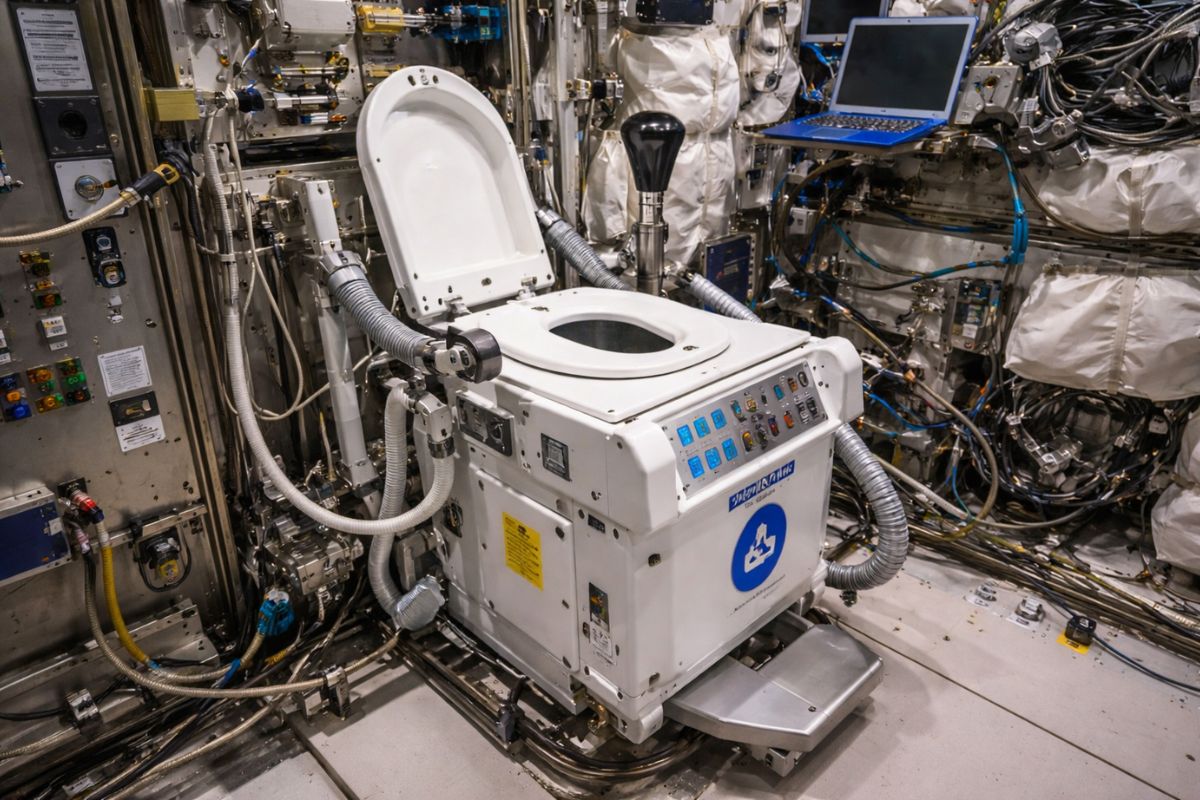
The most expensive bathroom ever built cost R$ 118 million to NASA and was installed in the Orion capsule of the Artemis II mission to function in zero gravity during the ten days that four astronauts will spend traveling to the Moon and back
NASA invested over US$ 23 million, about R$ 118 million, to develop a single bathroom capable of functioning in zero gravity inside the Orion capsule. The equipment, officially called the Waste Management System, took off on Wednesday, April 1st, aboard the Artemis II mission, the first crewed mission of the American agency to the Moon in over 50 years.
What makes this bathroom so expensive is the complexity of the problem it needs to solve, according to the Diário do Comércio. In zero gravity, liquids float, solids do not fall, and any leak becomes a real risk for equipment and crew. NASA had to create an entire system with funnels, hoses, air flow suction, and fastening devices so that the four astronauts of Artemis II could use the bathroom of the Orion capsule safely during ten days in space.
How a R$ 118 million bathroom works in zero gravity

The Waste Management System installed in the Orion capsule solves two distinct problems with specific engineering for each.
-
From space, Buenos Aires appears as a colossal spot of light surrounded by kilometers of darkness, revealing at a single glance the exact boundary between the metropolis and the countryside, seen from 400 km altitude.

-
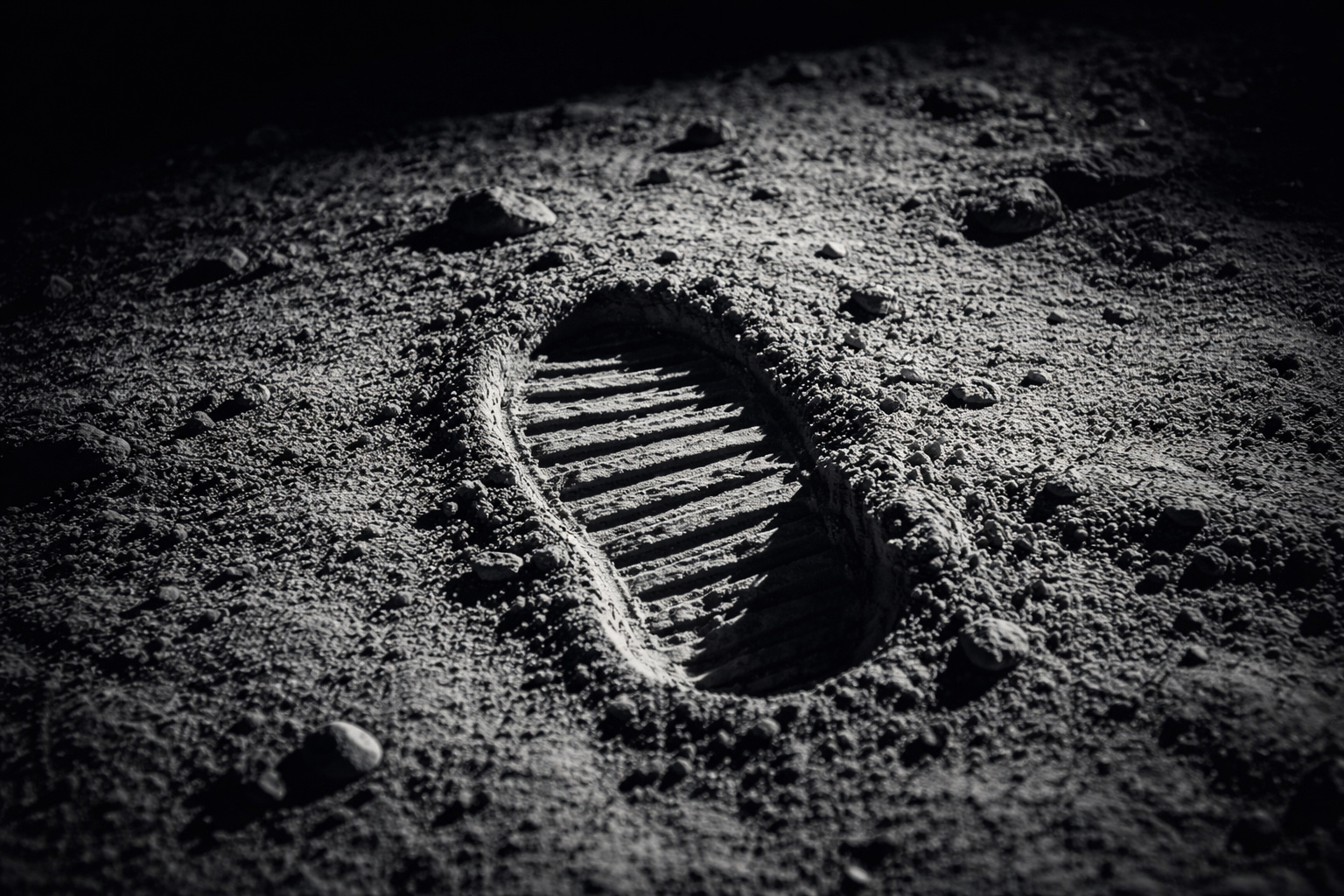
Man never set foot on the Moon? 5 scientific proofs confirm that humanity has been there and definitively dismantle conspiracy theories.
-
The Brazilian Army will adopt humanoid robots to test the concept of future combat, says a website, surprising everyone, but later revealing that it was all just an allusion to April Fool’s Day.

-
There is a city in China right next to Hong Kong where people speak Portuguese, the streets have names in Portuguese, and the architecture looks like it came straight out of a historic city in Brazil.


For urine, the bathroom uses a funnel connected to a hose, with a gentle airflow that directs the liquid and prevents it from escaping and floating around the cabin in zero gravity.
For solid waste, the equipment features a specialized seat that sucks the waste into a sealed container.
Since astronauts cannot sit normally in zero gravity, NASA’s bathroom includes straps and fastening devices that keep the body stable during use.
The entire system was designed to operate under the extreme conditions of the Orion capsule, where each component needs to function perfectly because any failure in zero gravity can contaminate the closed environment of the spacecraft.
NASA found a problem with the bathroom before the launch of Artemis II
Shortly before the launch of Artemis II, NASA engineers identified a problem with the sanitation system of the Orion capsule.
The failure raised concerns because the bathroom is one of the essential systems for a ten-day mission, and without it functioning properly, astronauts would have to resort to improvised solutions.
After a technical analysis, the equipment was deemed fit and cleared for use. The mission control instructed the astronauts to allow the system to reach operational speed before adding fluids, a precaution indicating that the problem was related to the air flow suction mechanism.
The incident shows that even a R$ 118 million bathroom can have failures, and that NASA had to make quick decisions to avoid compromising the schedule of Artemis II.
Why Artemis II is the first mission with a bathroom on board
It may seem strange, but the Apollo missions that took astronauts to the Moon between 1969 and 1972 did not have a proper bathroom.
Astronauts used adhesive bags and rudimentary collection devices, uncomfortable methods that generated famous complaints in NASA’s records.
Artemis II represents a significant evolution in this aspect. With four astronauts confined in the Orion capsule for approximately ten days in zero gravity, NASA understood that a functional sanitation system was not a luxury, but a technical necessity.
The investment of R$ 118 million reflects the complexity of creating a bathroom that works without gravity, occupies minimal space within a capsule that is already cramped, and does not generate waste that could contaminate the air the crew breathes.
Ten days in space and a bathroom that needs to work perfectly
The Artemis II mission took four astronauts to an orbit around the Moon with a planned duration of ten days. During this period, each system of the Orion capsule will be tested under real conditions, and NASA’s R$ 118 million bathroom is one of them.
If the Waste Management System works well in zero gravity throughout the mission, it will become a reference for future flights.
NASA plans increasingly longer missions to the Moon and, in the future, to Mars. For weeks or months-long trips, a reliable bathroom in zero gravity ceases to be a curiosity and becomes critical infrastructure, as important as life support and navigation systems.
The Artemis II is the first real test of this equipment with humans aboard the Orion capsule, and the data collected during these ten days will determine whether the system is ready for the next stages of the program.
R$ 118 million for a bathroom seems like a lot?
The bathroom of NASA installed in the Orion capsule costs more than many entire buildings on Earth.
But in zero gravity, 384,000 kilometers from home, with four people confined for ten days, a sanitation system that does not work is a health crisis, not just an inconvenience.
Artemis II is testing this equipment now, in real time, on the first crewed mission to the Moon in over half a century.
Would you pay R$ 118 million for a bathroom? Do you think NASA overdid it with the investment or is this the real price of solving a problem in zero gravity? Leave your opinion in the comments.







Seja o primeiro a reagir!