





 Portuguese
  English
  Spanish
  3 min of reading


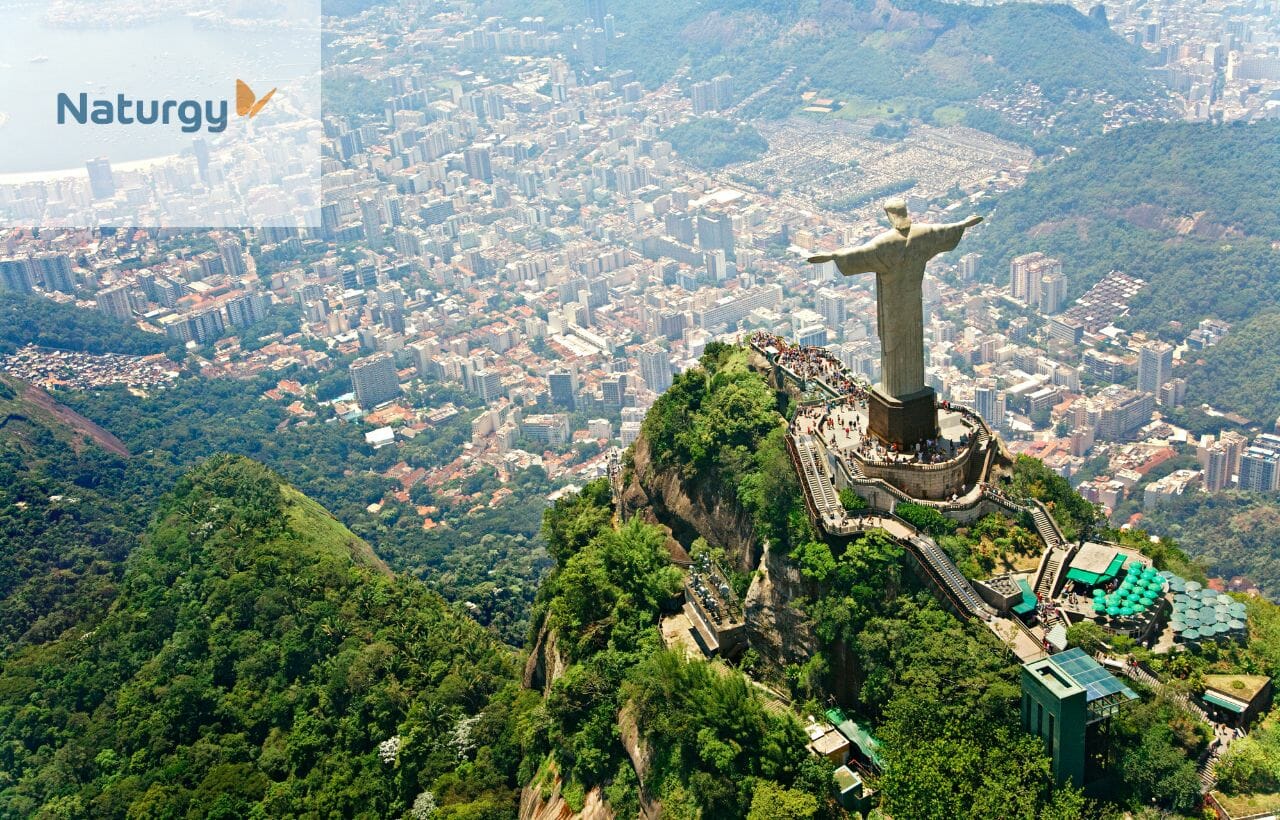
Naturgy, one of the main energy companies in the country, is committed to investing in the development and expansion of natural gas infrastructure in Brazil.
With a total investment of R$ 418 million in different projects, the company is focused on improving service capacity for residential, commercial, CNG stations, and industrial clients. Specifically in the state of Rio de Janeiro, where its largest operation is concentrated, a significant amount of R$ 364 million is being invested. This investment aims to expand the natural gas networks and boost the region’s economic and socio-environmental growth.
Expansion of Natural Gas Networks
The strategic plan of Naturgy for Rio de Janeiro includes the expansion of natural gas networks to new regions in the municipalities of Itaguaí, Mangaratiba, Niterói, São Gonçalo, Duque de Caxias, São João de Meriti, Rio das Ostras, Barra Mansa, Macaé, and Guapimirim. The goal is to increase service capacity, enabling more consumers and sectors of the economy to access natural gas.
In the municipality of Rio de Janeiro, works are underway to expand capacity and interconnect the natural gas distribution networks in the neighborhoods of Barra da Tijuca, Recreio dos Bandeirantes, and Taquara. In total, 7.7 kilometers of new networks will be built, which will allow a substantial increase in gas supply to meet the demands of residential and commercial real estate projects that are constantly growing in this region.
-
Petrobras confirms that it will reimburse amounts to distributors and return the price difference from the gas auction following a regulatory decision.
-
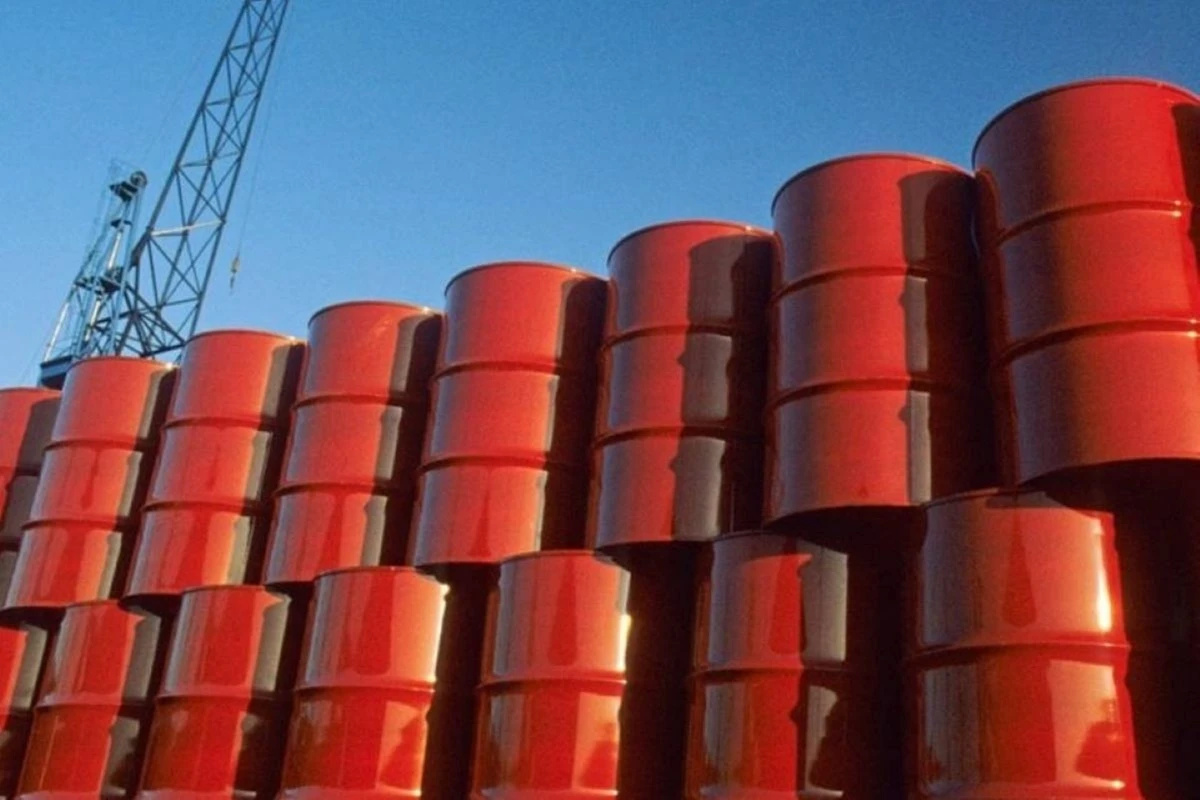
Petrobras buys back fields for billions — what no one is talking about regarding this decision and how it could impact jobs and oil in Brazil.

-
New escalation of tensions and oil crisis in the Middle East forces world powers to accelerate energy transition plans.
-
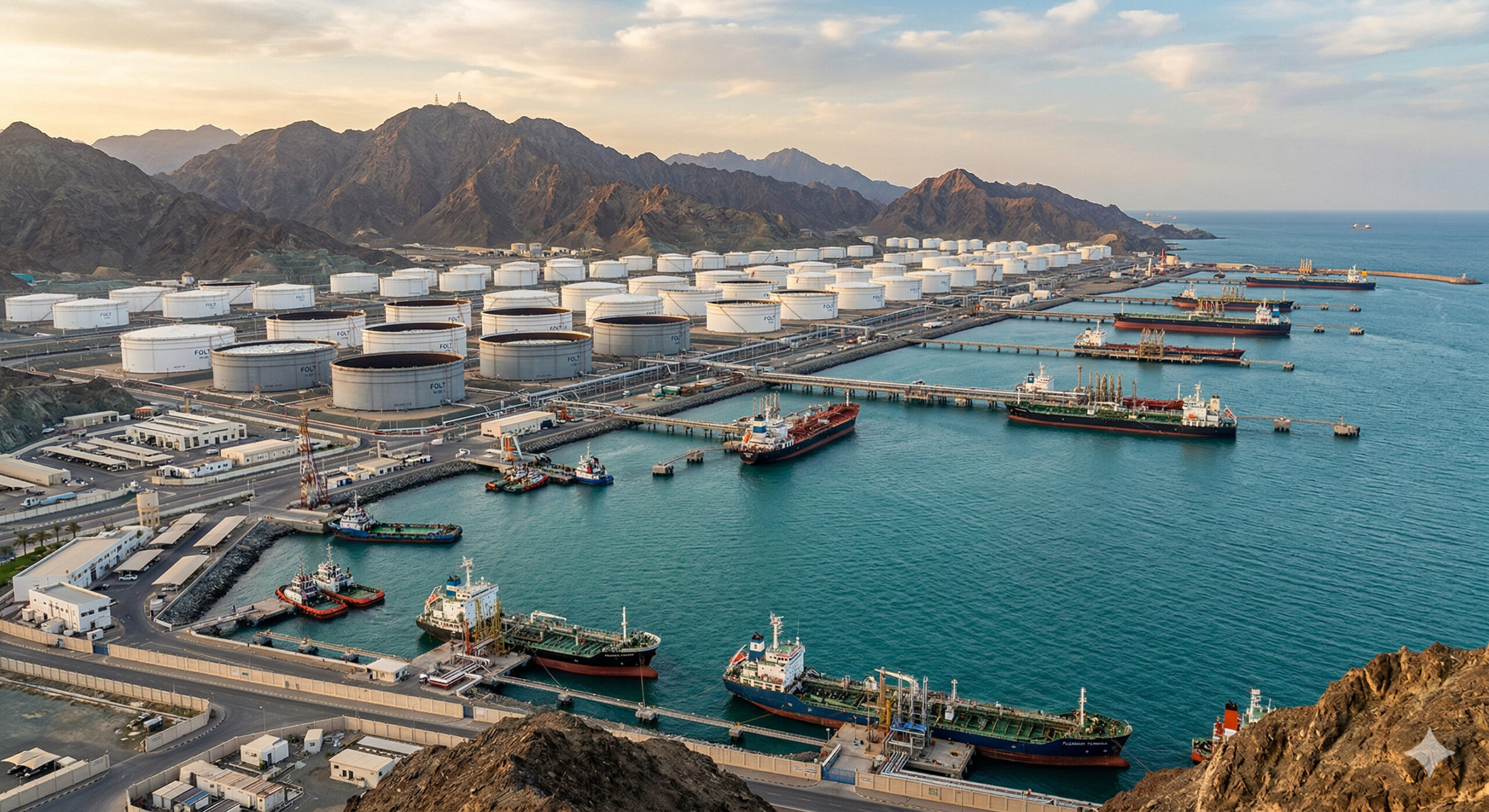
Giant reservoirs with a capacity of 18 million cubic meters have turned Fujairah into one of the largest energy vaults on the planet. This facility, located outside the Strait of Hormuz, stores oil on a colossal scale and has become a silent piece that supports the global flow of fuels.
Investments in Mangaratiba, Itaguaí, and Other Municipalities
Naturgy is also directing resources for the construction of a gas pipeline that will connect Mangaratiba and Itaguaí. With a total length of 16.8 kilometers (including 12.8 kilometers of trunk network and four kilometers of distribution network in Itacuruçá), this pipeline will serve all segments, from residences to industries.
In addition, other projects for network expansion and interconnection are underway in the municipalities of Niterói, São Gonçalo, Duque de Caxias, São João de Meriti, and the capital. In total, 11.8 kilometers of new networks will be constructed in these locations.
In the municipality of Rio das Ostras, Naturgy will expand the existing natural gas distribution networks. The project includes the construction of 11.4 kilometers of medium-pressure network, interconnecting the District Regulation Stations (ERD), which will increase gas supply in that region.
Expansion and Interconnection of Networks in Barra Mansa, Macaé, and Guapimirim
Another highlight within the concession area of Naturgy in the state of Rio de Janeiro are the expansion and interconnection projects that will be carried out throughout 2023 in the municipalities of Barra Mansa, Macaé, and Guapimirim. It is estimated that these projects will result in the construction of an additional 6.7 kilometers of new networks in these locations, bringing access to natural gas to a larger number of consumers and economic sectors.
Socioeconomic and Environmental Impact
Over the last 25 years, Naturgy has been one of the pioneering companies in the development of the natural gas distribution network in Brazil. With a cumulative investment of around R$ 14 billion just in the state of Rio de Janeiro, the company has played a key role in the socioeconomic progress of the region.
These investments have also generated job opportunities, with the creation of approximately 14,000 direct and indirect jobs. It is also estimated that more than 40,000 positions have been generated from the investments made since 1997.








Seja o primeiro a reagir!