





 Portuguese
  English
  Spanish
  3 min of reading
  0 comments


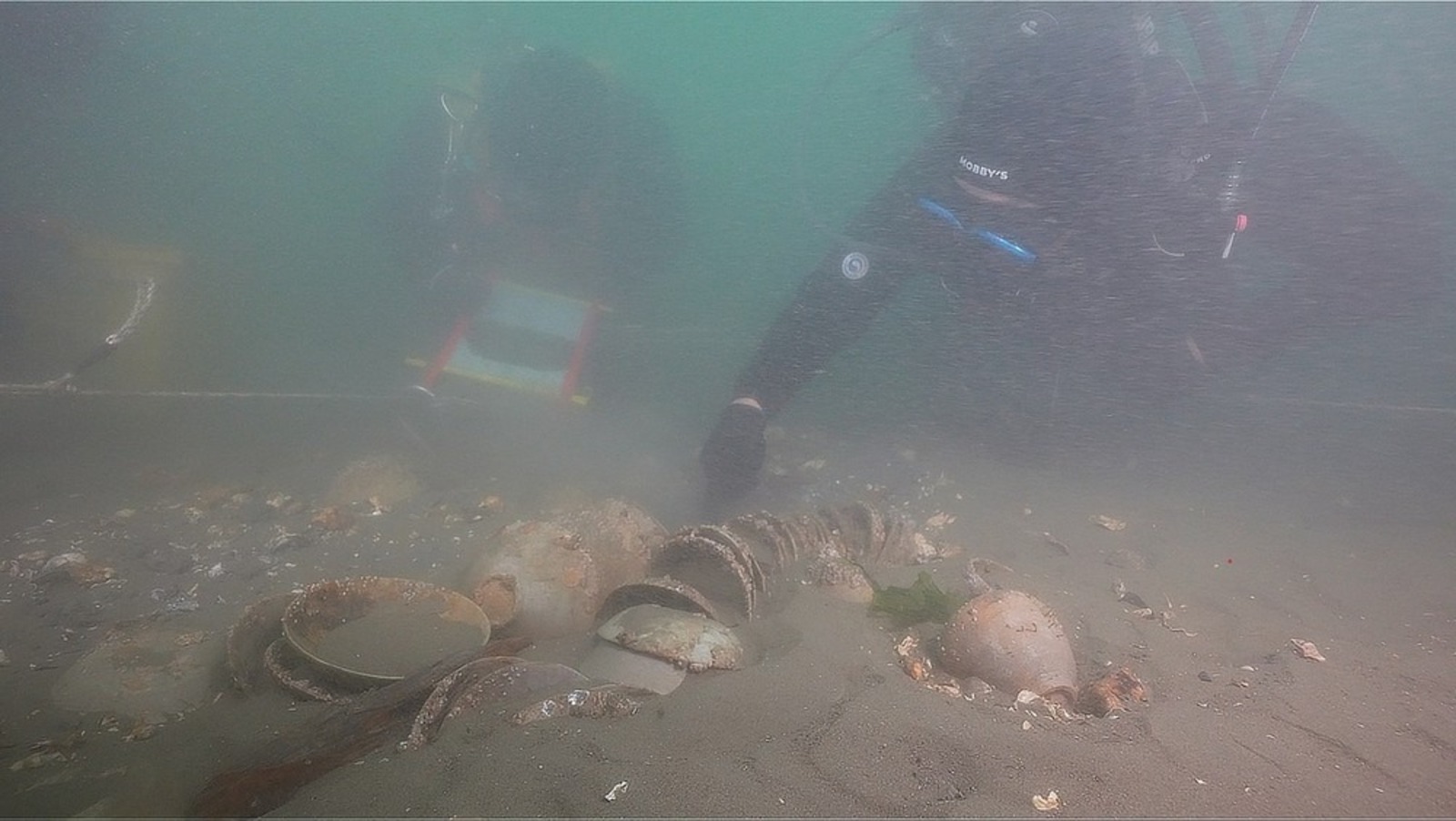
After Almost Ten Years of Deep-Sea Work, the Recovery of the Mado 4 Reveals Details of State Transport of Tributes, Joseon-Era Naval Techniques, and the Discovery of an Even Older Shipwreck Near Taean
After almost ten years of deep-sea work, researchers have completed the recovery of the Mado 4, a cargo ship from the Joseon era. The vessel was on the seabed in the Taean region, on the west coast of Korea, and had been there for about 600 years. The find in the shipwreck reignites debates about the state organization of the period as it brings together pieces that reveal how the official transport of tributes was carried out.
The ship was found in 2015. Since then, specialized teams have worked to collect more than 120 artifacts.
This material includes wooden tags used to identify cargo, rice containers, and porcelain intended for the government.
-
They seemed like common bones, but scientists were surprised to find a relic over 12,000 years old that dates back to before the Bronze Age.
-
With an almost perfect ring of 70 km visible from space, known as the “Eye of Quebec” and over 100 km in length, the Manicouagan Crater in Canada reveals the colossal mark left by a giant asteroid and has become one of the most impressive formations ever identified on the Earth’s surface.

-
Scientists have found in China dinosaur embryos dating back 190 million years in various stages of development, and the discovery still preserves traces of extremely rare proteins in the bones, something that could change what is known about life before hatching.
-
The CEO of Honor in Spain says that smartphones will change with AI, foldables, and even robot phones; the component crisis is making cheap models more expensive in 2026 and shifting the focus to premium.

Origin of the Ship and Its Role in State Transport
The items retrieved from the hull confirm that the Mado 4 was part of the joun, the system responsible for transporting grains and goods from provincial depots to Hanyang, now Seoul.
This transport met administrative demands and helped sustain the political functioning of the Joseon dynasty.
The National Maritime Heritage Research Institute informed The Korea Herald that the ship likely sank around 1420.
The vessel was sailing on a route considered difficult, which departed from Naju in the south of the peninsula.
Strong currents and rocky formations along the west coast may have contributed to the accident. Therefore, the hull remained protected by layers of sand for centuries, which explains the unusual state of preservation.
Differentiated Structure and Advances in Naval Construction
Furthermore, the Mado 4 brought important innovations regarding the engineering of that period. The ship has two masts, unlike the single-masted models previously found in similar excavations.
This configuration surprised experts as it alters the current understanding of the development of Korean vessels.
Another notable point is the use of iron nails. Marks on the hull show metal repairs that were not associated with traditional techniques in the country.
These elements indicate that naval construction during the Joseon era may have incorporated technologies that were previously undocumented.
Discovery of an Even Older Shipwreck
The recovery of the vessel brought another unexpected result. During the operation, divers located a second ship nearby.
Sonar scans identified pieces of celadon pottery dated between 1150 and 1175, suggesting a shipwreck from the Goryeo kingdom.
If confirmed, it will be the oldest record ever found in Korean territory. The fragments presented to the public in Seoul reinforce interest in the region.
Taean has become a reference since 2007, when fishermen discovered the Mado 1 wreck.
More than ten vessels have already been identified there, revealing a maritime corridor that moved goods and information over several centuries.
Exhibition and Future of Research in Taean
While undergoing desalination and conservation processes, the Mado 4 is already part of a special exhibition at the Taean Maritime Museum.
The exhibition includes more than 120 artifacts recovered from the seabed and will be open until February 2026.
The initiative is from the National Maritime Heritage Research Institute, linked to the Cultural Heritage Administration of South Korea.
The goal is to transform Taean into a hub for maritime archaeology research in East Asia.
With information from Galileu Magazine.






-

Uma pessoa reagiu a isso.