





 Portuguese
  English
  Spanish
  3 min of reading
  0 comments


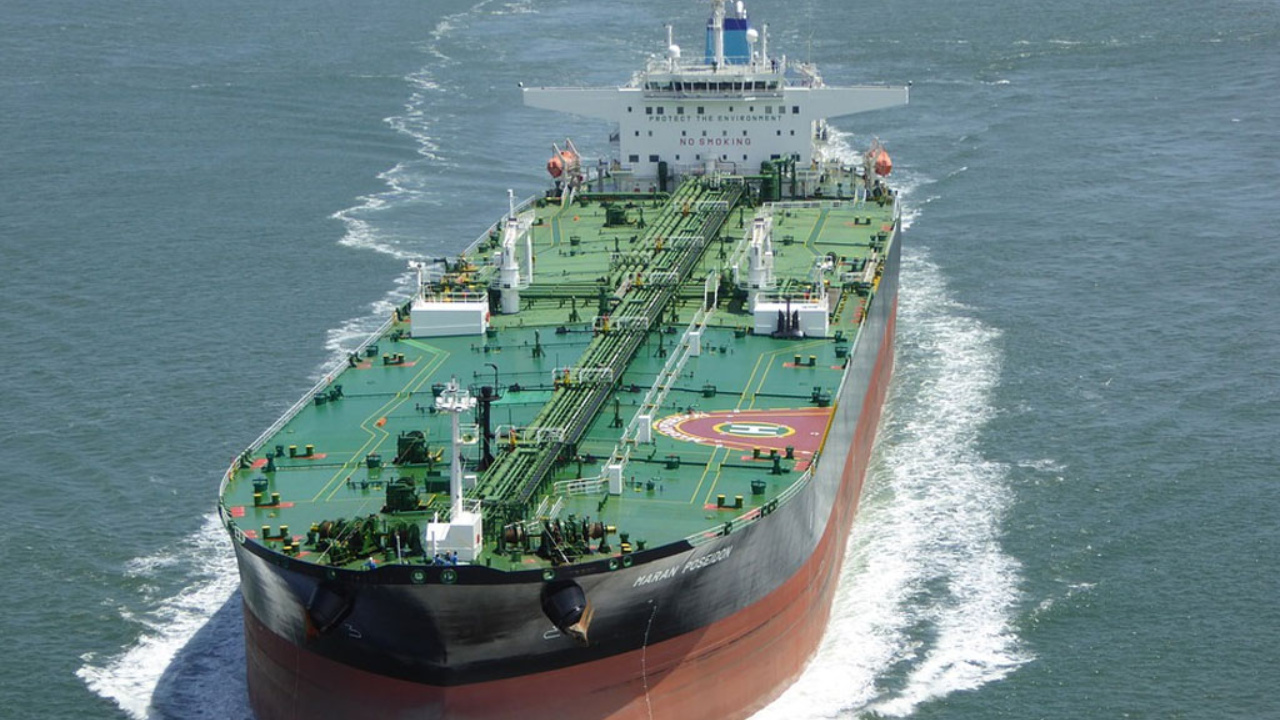
First Ship With Venezuelan Oil Leaves For The USA After Billion-Dollar Deal. At The Same Time, Russia Demands Maduro’s Release And Points Out Flaws In The Country’s Defenses.
Oil has once again taken center stage in the global geopolitical landscape. Amid a historic agreement between Venezuela and the United States, the first ship loaded with Venezuelan crude oil has left the country heading for North America.
At the same time, the arrest of President Nicolás Maduro by American forces provoked an immediate reaction from Russia, which classified the episode as a violation of international law.
Meanwhile, new statements from Russian authorities raised doubts about Venezuela’s military capability, exposing internal vulnerabilities. Thus, oil has become not just an energy resource but also a symbol of political, economic, and strategic tension.
-
Petrobras evaluates suspension of sales to distributors and considers canceling the cooking gas auction following guidelines from the Federal Government.
-
Lula reveals a masterstroke by Petrobras to undo a deal made by Bolsonaro, which involves the return of an important refinery that currently produces less than half of what was expected and makes Brazil dependent on international diesel.
-
A study confirms that the natural gas sector will reduce greenhouse gas emissions in Brazil by 0.5% and accelerate the energy transition by 2026.

-
Petrobras implements a severe adjustment and confirms a 55% increase in the price of aviation kerosene with a proposal for installment payments for the companies.


Billion-Dollar Deal Changes The Route Of Venezuelan Oil
After years of trade restrictions, Venezuela has resumed sending oil directly to the United States. The move came after an agreement to supply 50 million barrels to the North American market.

As a result, the first tanker is already on its way. According to tracking data and documents obtained by Reuters, the vessel Gloria Maris left Venezuelan territory on Sunday (25) carrying about one million barrels of heavy crude oil from the Merey blend.
Additionally, the ship sails under the flag of Liberia and was chartered by the commercial giant Trafigura. The final destination is the offshore port of Louisiana, one of the main oil reception hubs in the USA.
Before this direct shipment, Venezuelan oil was sent to terminals in the Caribbean. From these locations, the cargoes were resold to refineries in various parts of the world. Now, however, the flow has changed.
Trafigura and Vitol were the only companies authorized by Donald Trump’s government to operate the transportation of Venezuelan oil. This approval paved the way for the resumption of large-scale exports.
Besides the Gloria Maris, another vessel left the country on the same day. The ship Volans, flying the flag of Barbados, departed from Jose carrying approximately 450,000 barrels of crude oil. The destination was the Bullen Bay terminal in Curaçao.
Oil And Politics: Crisis Escalates With Maduro’s Arrest
As the oil crossed the ocean, a diplomatic crisis intensified. Russia spoke out for the first time regarding Nicolás Maduro’s capture by the United States.
In an interview with the state agency TASS, Deputy Foreign Minister Sergei Ryabkov called for the immediate release of the Venezuelan leader. For him, the action represents a “flagrant violation” of international law.
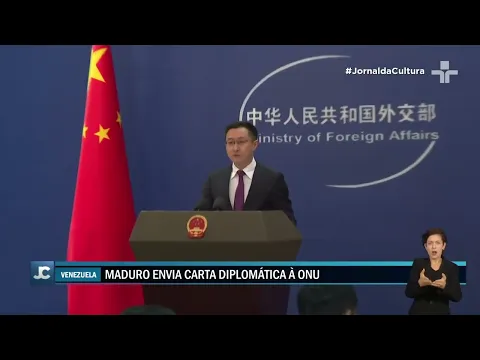
According to Ryabkov, any dialogue can only begin after the president and his wife are released. When asked about the possibility of political asylum, the diplomat did not rule out that option.
“What the future outcome will be is a separate question. And there is simply no reason to talk about that now,” he added.
In addition to diplomatic reactions, another statement caused surprise. The Russian ambassador to Venezuela, Sergei Melik-Bagdasarov, revealed that the Maduro government did not adequately utilize its air defense systems against American troops.
In an interview with Rossia 24, released by EFE, he stated that only two shots were fired with Russian batteries. Both missed. The reason, according to him, was the lack of training of Venezuelan forces.
The diplomat was direct in pointing out responsibility: “Besides having a machine gun in your hands, you need to know how to shoot it.”
These flaws reinforce the perception of the regime’s fragility, especially at a time when oil is circulating again on a large scale.
Does This War For Oil Concern You Regarding Your Financial Future?






Seja o primeiro a reagir!