





 English
  Francês
  Alemão
  Italiano
  Japonês
  Norueguês
  Portuguese
  Spanish
  10 min of reading


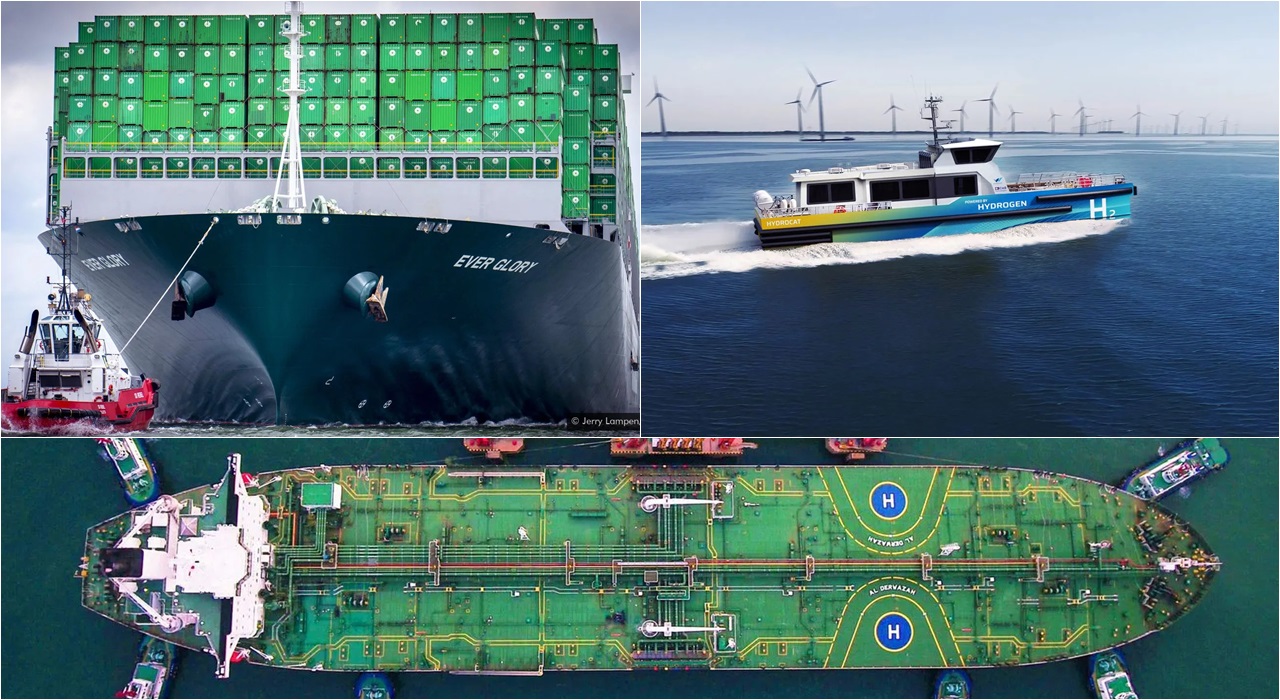
The Shipping Industry Currently Emits 3% of All Greenhouse Gases. To Keep Temperatures Within Safe Limits, According to Experts, Ships and Other Vessels Will Need to Be Decarbonized. Could Green Hydrogen Be the Answer?
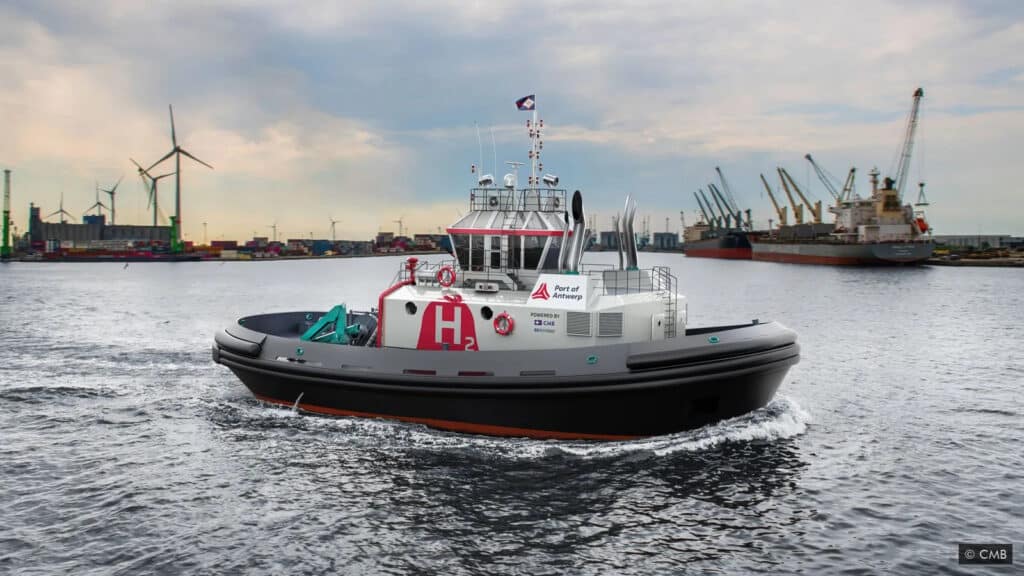
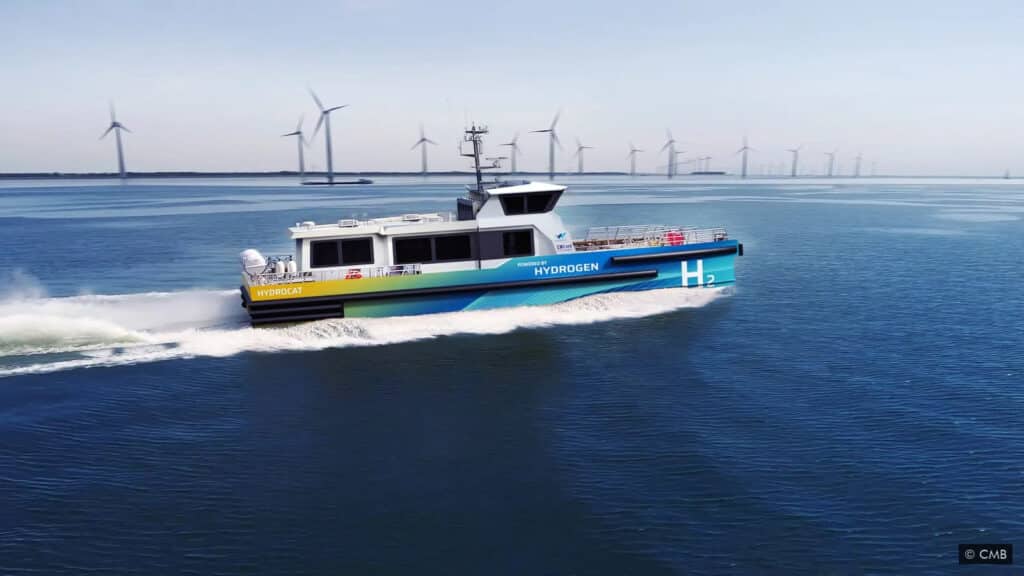
On a river in the northern sector of Belgium, a vessel powered by a fuel that everyone expects to be the secret to help reduce greenhouse gases generated by ships around the globe in the future, hydrogen.
The fuel was tested on Hydroville, a special ferry for 16 passengers that travels between Kruibeke and Antwerp. Hydroville was launched three years ago as the world’s first hydrogen-powered passenger ship. Its hybrid engine allows it to operate with both hydrogen and diesel.
“We decided for ourselves, look, we have to start with this today, even though there is still no demand,” says Roy Campe, managing director of CMB.Tech, the R&D subsidiary of CMB, the owner of Hydroville. “We need to start today to ensure that in 10 years we can start producing all of our ships with low emission levels. It’s not a light switch that you just turn on.”
-
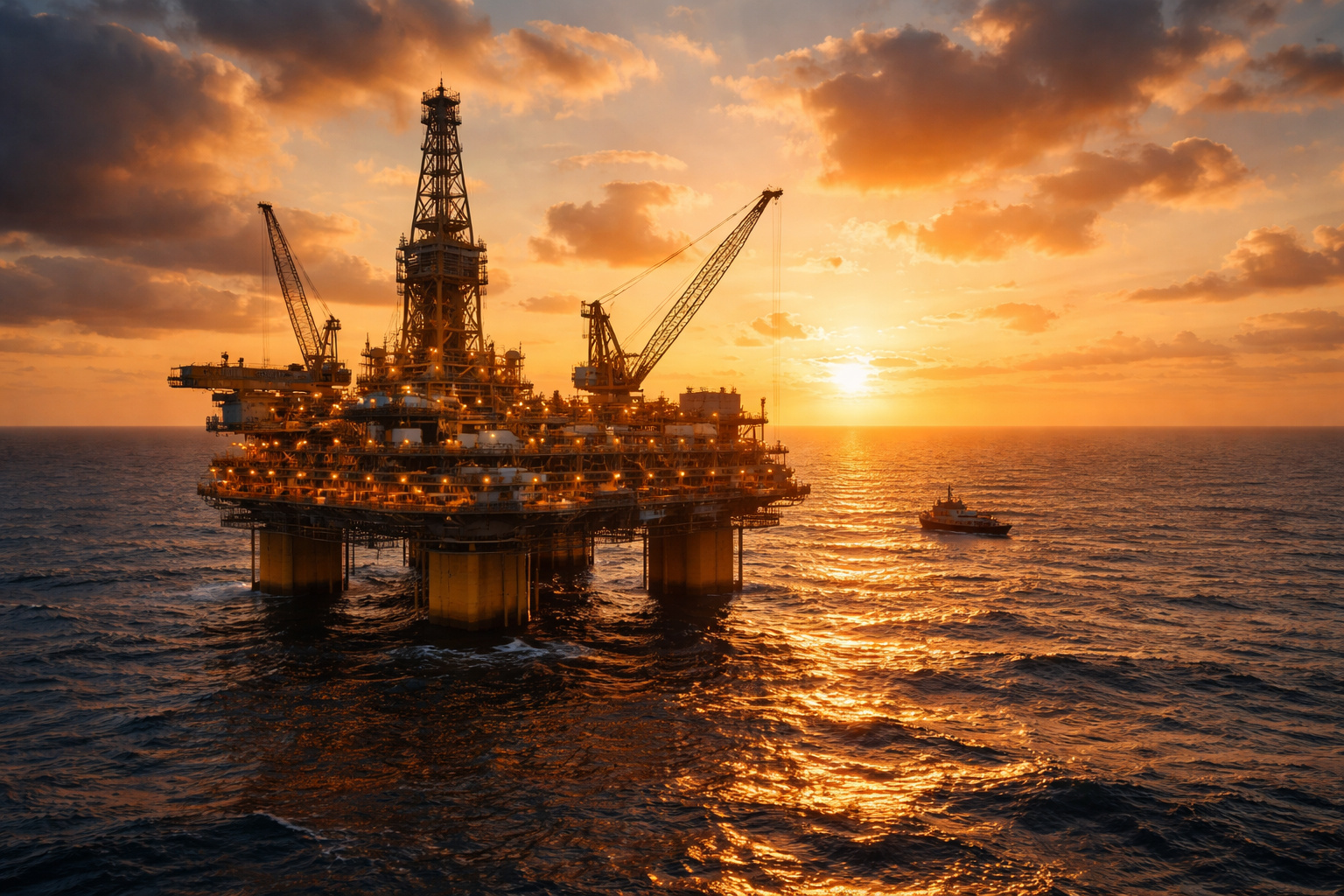
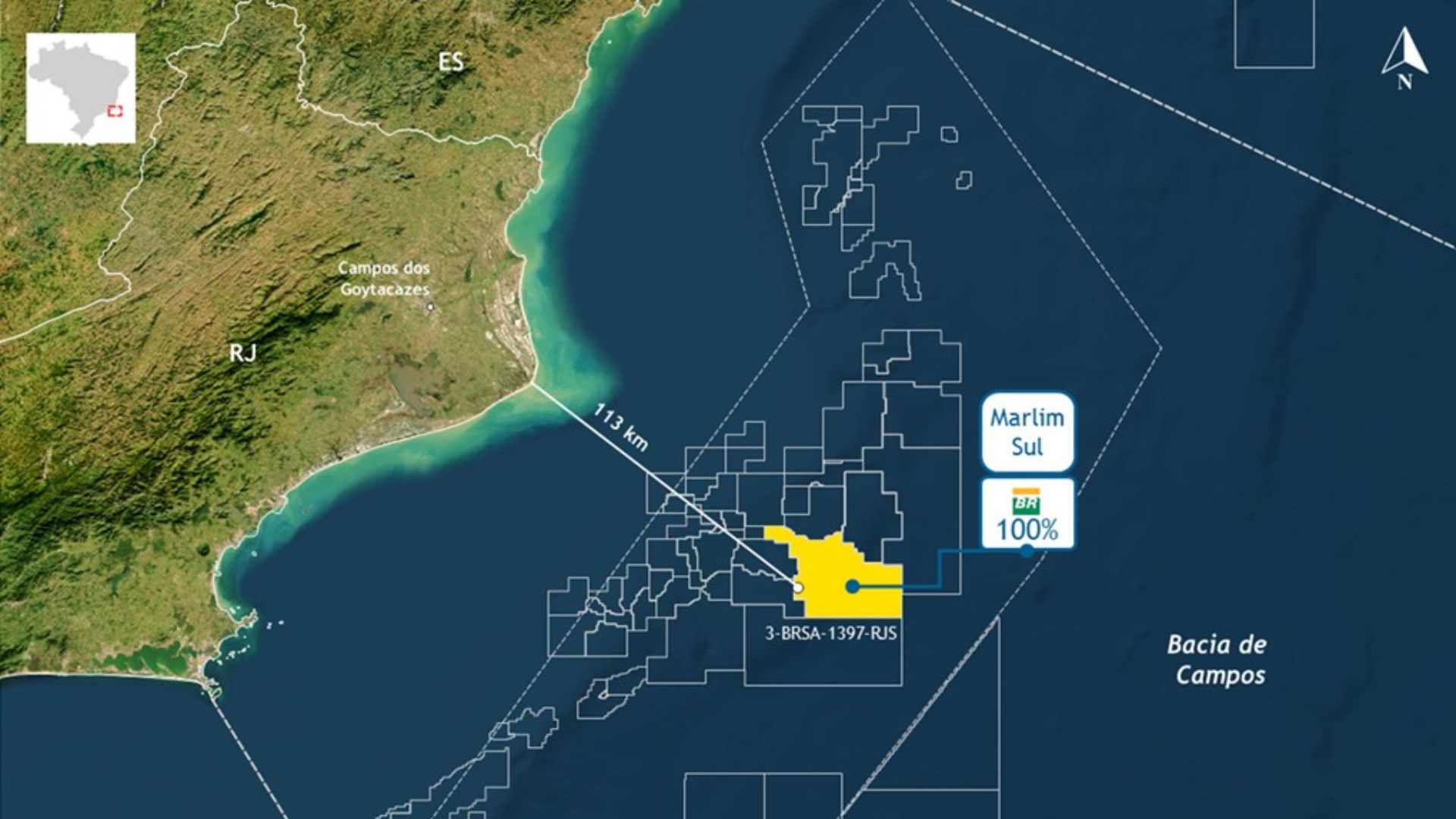
Petrobras finds high-quality oil in the pre-salt at 113 km from RJ and reignites expectations about strategic reserves in the Campos Basin.
-
Ocyan opens registrations for startups focused on innovation in the oil and gas sector and will select projects for Innovation Day with the support of Nexio.

-
With 160,000 m² of collectors, an area larger than 20 football fields, Silkeborg, in Denmark, hosts a solar thermal plant that heats 19,500 homes and could become the largest solar heating plant in the world.

-
Petrobras announces new oil discovery in the pre-salt of the Campos Basin and reinforces Brazil’s prominence with high-quality reserves that can increase production and energy revenues.

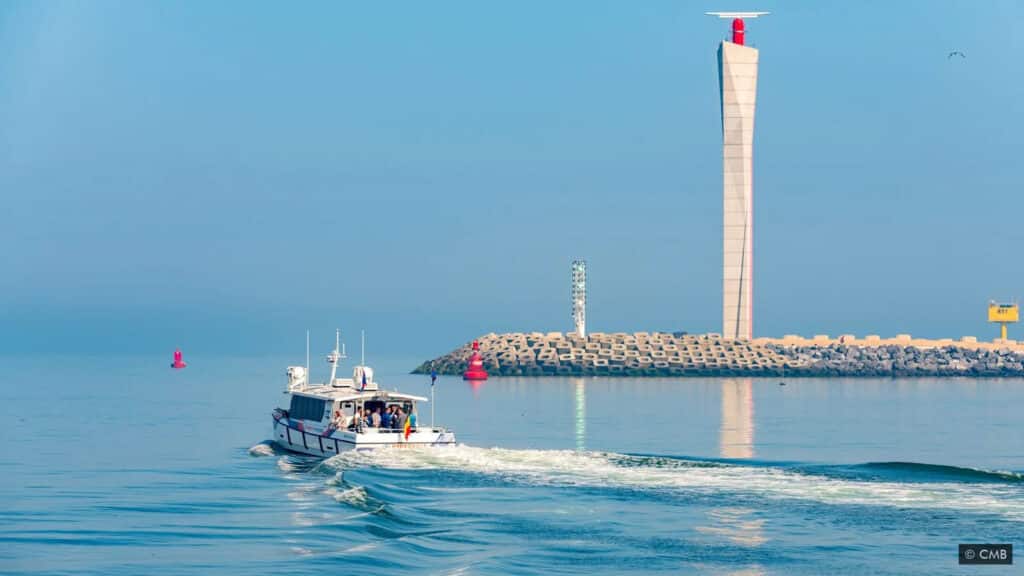
CMB is already in the process of building several other hydrogen-powered boats, including a larger ferry for 80 people in Japan, with a launch expected in early 2021.
The small vessel sector is a major “laboratory” for expanding clean technology solutions to larger cargo ships, according to Diane Gilpin, founder of the Smart Green Shipping Alliance. Currently, ships emit 3% of all greenhouse gases, and emissions are expected to grow by up to 50% by 2050 if the industry continues on a normal path. Governments have pledged to cut maritime transport emissions in half by 2050, but the industry has been slow to implement these measures so far.
It takes a lot of energy to transport a ship in the water, and that number tends to maximize as global trade grows. To cut emissions, some of that energy could be reduced through ships using more efficient designs, installing technologies to harness the wind, going a bit slower to save fuel, or simply transporting fewer things.
But ultimately, if maritime transport is to fully decarbonize — which must happen if the world wants to stay within safe temperature limits — it needs to find a substitute for fossil fuels.
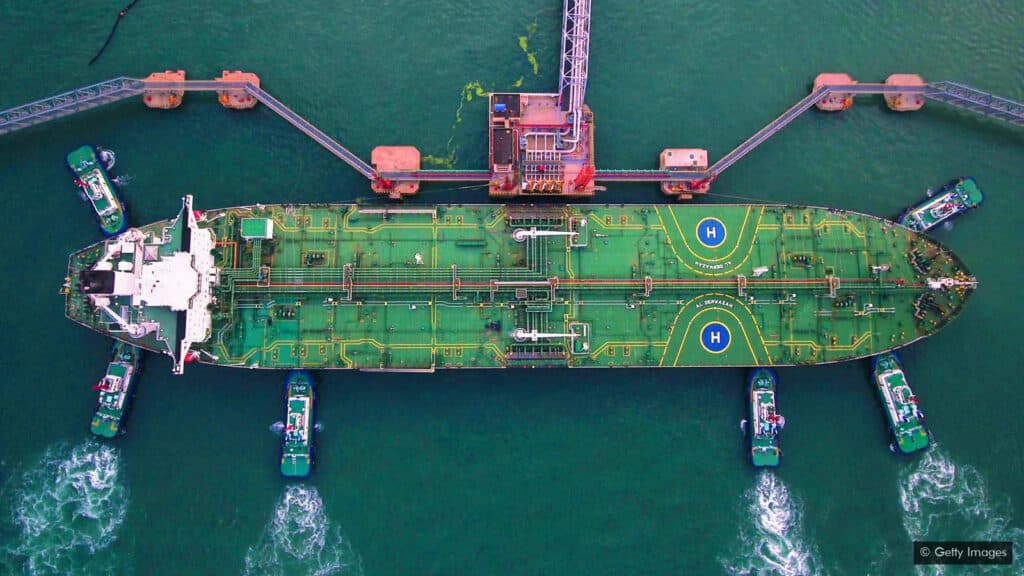
The CMB hydrogen program is one of several transport projects around the world testing how hydrogen and other fuels made from it, such as ammonia and methanol, can be used to power a low-carbon maritime industry of the future. These fuels, often collectively called “synthetic” fuels, are seen as a particularly promising option because they can be produced with clean electricity — such as solar or wind energy — and burned without emitting greenhouse gases.
Why Hydrogen?
Hydrogen is not the only alternative fuel option, of course. Biofuels — fuels made from plant materials or animal waste — are another. But they have a large variety of planned uses in other sectors, while their sustainable production is limited, says Tristan Smith, a maritime emissions researcher at University College London.
Batteries charged with renewable electricity are another option. But there will likely be limits on the distance they can travel; large ships crossing oceans would simply require too many batteries to run solely on them.
Almost all hydrogen is produced using fossil fuels — in fact, 6% of global natural gas and 2% of coal currently goes to hydrogen production.
This leaves hydrogen and other synthetic fuels made from clean electricity. The gas is already widely used in industrial processes around the world — demand for it has tripled since 1975. But almost all hydrogen, which is already heavily used in industry, is produced with fossil fuels. In fact, 6% of global natural gas and 2% of coal currently goes to hydrogen production. Although this type of hydrogen can be used to fuel ships with zero emissions from the ship itself, it is obviously not low-carbon, as fossil fuels are used to produce it.
But hydrogen can also be produced without fossil fuels, using renewable energy to split water in a process called electrolysis. This process is expensive, and currently only 0.1% of hydrogen is made with it, but this is where the main hope for an environmentally friendly shipping fuel lies. “Green hydrogen can be truly emission-free over a full lifecycle,” says Marie Hubatova, a transportation emissions specialist at the Environmental Defense Fund. “This means from the point where the fuel is extracted or produced to the point of combustion.”
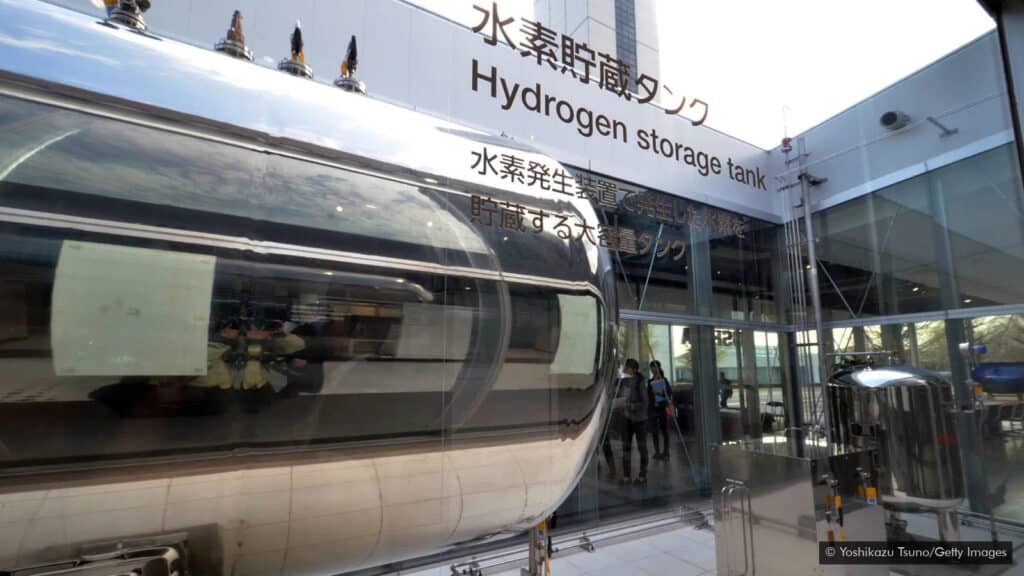
The problem is that right now the availability of green hydrogen simply is not there, says Xiaoli Mao, a researcher at the International Council on Clean Transportation (ICCT) marine team. “Fuel producers need to see some legitimate demand to invest in its production, so it’s like a chicken/egg problem — whether ship technology develops first or the fuel side develops first,” she says.
CMB itself is acting as a pioneer, building its own maritime refueling station for cars, buses, and hydrogen ships at the Port of Antwerp, which will produce its own hydrogen using an electrolyzer. “First, we need to show, look, we are customers and we are willing to pay this amount for hydrogen,” says Campe. “And then you see, ‘Oh, there’s a business case for electrolyzers.’”
How It Will Work on Ships
After hydrogen is produced, there are several ways to use it to power ships.
It can be burned in an internal combustion engine, as Hydroville is currently doing. One downside is that burning anything in the air, which consists largely of nitrogen, inevitably produces some level of nitrogen oxides — which are major air pollutants.
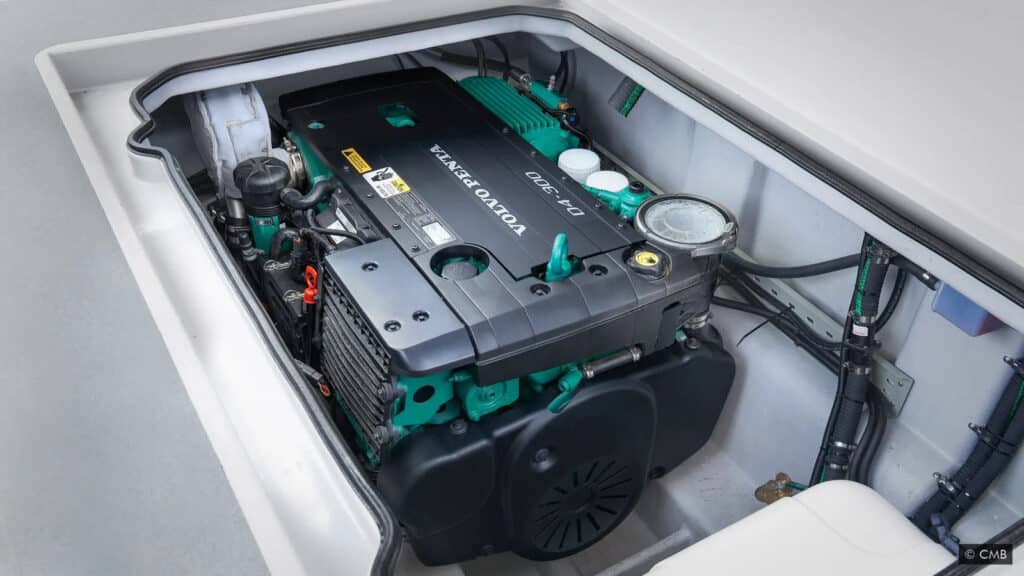
These emissions could be tackled with the installation of some sort of after-treatment device, says Mao. But hydrogen can also be used in a fuel cell — a device that chemically converts fuel into electricity without the need to burn it, and the only emission is water. “The main challenges of making this work on a ship are just making it big enough,” says Smith, noting the huge expense of installing enough fuel cells to power a ship. “There is a real question of whether or not this is an option that will work at ship scale.”
Other options may exist for hydrogen. A UK company, Steamology, is in the early stages of developing steam-powered hydrogen electricity. Here, the steam created by burning hydrogen with pure oxygen from a tank is used to drive a turbine, generating electricity. The technology is being tested in trains but has great potential to be used in the shipping sector, its founders say. “It’s pretty rudimentary in many respects,” says Matt Candy, CEO of Steamology. “So we believe we have a steam electric solution. We have no nitrogen oxides, our emissions are genuinely zero. But we have to go through the problem of burning hydrogen in an oxygen environment.”
Despite these promising technologies, the shift to hydrogen fuel doesn’t come without significant challenges.
To begin with, it is highly flammable. CMB runs training programs for its crew and others, examining everything from how to maintain a hydrogen system onboard a ship to how to deal with fire safety. It is also very expensive, although costs are dropping; it will require extra electricity capacity.
But the real challenge of using it in long-distance shipping is the difficulty of storing it. Hydrogen cannot simply replace the fuel being refueled in the current system. To store it aboard a ship as a liquid, it needs to be frozen at cryogenic temperatures of -253C (-423F), says Hubatova. And even then, it takes up a lot of space — about eight times more than the amount of marine gas and oil needed to provide the same amount of energy, according to EDF analysis.
The extra space needed for hydrogen has raised concerns in the industry that it may be necessary to offload cargo to make room for fuel. But an ICCT analysis concluded that this barrier could be overcome. It found that 43% of current journeys between China and the United States — one of the busiest shipping routes in the world — could be made using hydrogen without the need for cargo space or more frequent stops to refuel. Nearly all journeys could be powered by hydrogen, with only minor changes in fuel capacity or operations, it concluded.
Using Hydrogen to Produce Ammonia May Be an Alternative
Hydrogen is often used as an umbrella term for synthetic fuels, but many experts believe another option is actually better: using green hydrogen to make green ammonia, another fuel that can be burned or used in a fuel cell. Ammonia is much easier to store than hydrogen (it needs refrigeration, but not cryogenic temperatures) and takes up about half the space, as it is much denser. It can also be converted back to hydrogen onboard a ship, meaning it can be loaded and stored on the ship as ammonia, but used in a hydrogen fuel cell.
“At the moment, the best bet is just to convert [hydrogen] into ammonia,” says Smith. “Ammonia is much cheaper to store; you can store it in a pressurized tank, so you don’t need to have any form of cryogenics. It’s just a small amount more expensive to make than hydrogen.”
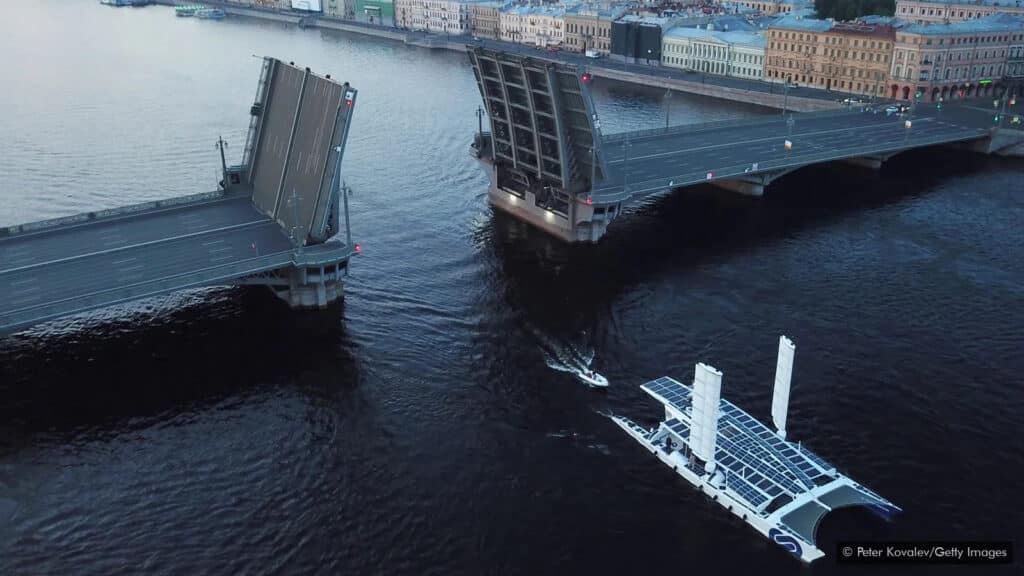
The caveats? First, ammonia is toxic to both humans and aquatic life, so caution is necessary. Second, the extra step to convert hydrogen into ammonia will use more renewable electricity, making ammonia slightly more expensive.
Still, ammonia is seen by many in the industry as the most viable option: a consortium of companies recently received EU funding to install the world’s first ammonia-powered fuel cell on a ship in 2023.
Green hydrogen itself is already expensive, and for a long time, many have doubted whether it will ever be cheap enough to be widely used as fuel. But huge cost reductions in wind and solar energy in recent years have helped challenge that view, with some experts projecting that the cost of green hydrogen will drop significantly more over the next decade.
Change Needed
After a sluggish start to climate action in recent decades, there are some signs that the shipping industry is beginning to pay attention to the risks that the climate crisis represents. According to Smith, large percentages of the industry now think they will need to shed fossil fuels, with hydrogen-derived fuels like ammonia considered the most likely alternatives. “There are a million questions about how we get from where we are today to that end goal,” he says. “But the idea that this is where we’re going now is very, very, very popular.”
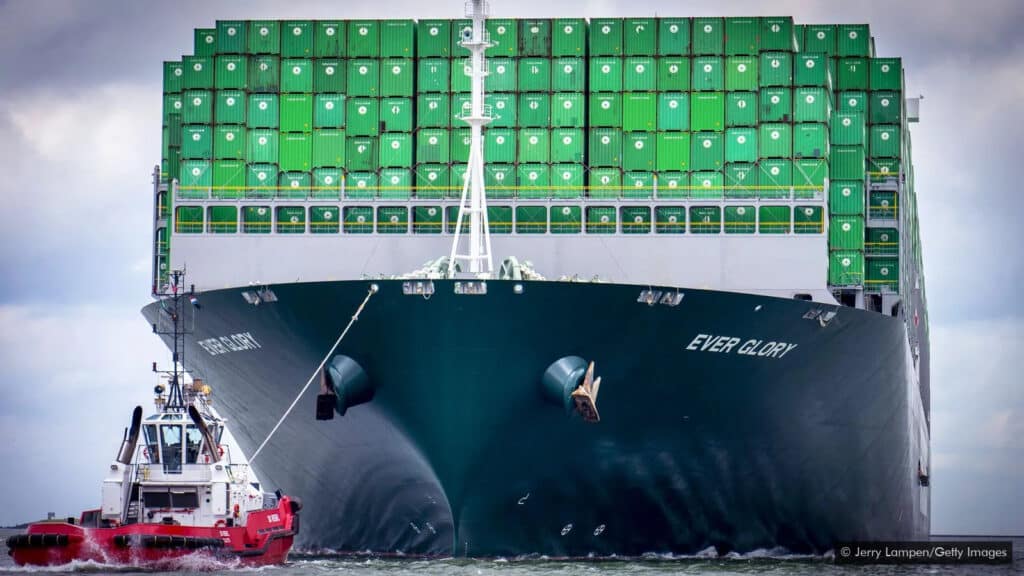
This is supported by groups such as the Getting to Zero Coalition, a group of shipowners, ports, and countries committed to introducing zero-emission ships on deep-sea shipping routes by 2030. Earlier this year, the group compiled a list of 66 zero-emission pilots and demonstration projects for shipping around the world, many involving hydrogen fuels. “They will likely be the group that will be truly pioneering hydrogen and ammonia ships on a larger scale than the pilots,” says Hubatova. “This bottom-up action is very important as it sends the right signal to the industry at large.”
But in the absence of stronger regulation for industry emissions, the pace of decarbonization will be limited. “The role of a top-down approach in the form of regulations is also crucial as it will ensure that everyone moves to carbon zero, not just the more progressive participants,” says Hubatova.
We have options: we can essentially phase out fossil fuels on ships or we can try to incentivize the hydrogen-derived fuel market.
Tristan Smith
In fact, Smith argues that the primary constraint on shipping emissions does not come from technological barriers, but from the political process — most significantly, the International Maritime Organization, the UN body responsible for dealing with the climate impact of shipping. “We have options: we can essentially phase out fossil fuels on ships, or we can try to incentivize the hydrogen-derived fuel market,” he says.
Smith himself predicts three stages over the next 15 years for hydrogen-derived fuels in shipping: an increase in testing and first-of-their-kind projects from now until 2025; hydrogen uptake by industry pioneers by 2030; and a broader rollout after 2030 as costs come down and refueling infrastructure becomes more widespread. Shipping companies are already talking about ordering “zero-ready” ships that can easily be adapted for ammonia, he added. “Their mindset is: I know that in 10 years I will have to do something to operate that ship with ammonia,” he says.
The outcome of shipping emissions depends on a wide range of factors, from regulations to the adoption of other technologies. But there is a growing body of evidence about how quickly the shipping sector can decarbonize if it chooses to do so, with a major report finding that it could nearly completely decarbonize by 2035 using currently known technologies, including alternative green fuels like hydrogen.
Gilpin believes the sector could halve emissions by 2030. “If we treated this climate emergency as we treated the Covid emergency, we certainly could,” she says. “But we don’t, we think, ‘Oh, it’s a bit hard, let’s have another meeting about it.’”
Mao agrees that to ensure widespread adoption of lower emissions transportation technology, stringent mandatory regulations are vital. Even if hydrogen fuels are not widely used for a decade or more, she says, “we really need to start now.”
“There are many barriers, let’s face it,” she says. “We must dedicate our research money to make this a reality in the future.”










Seja o primeiro a reagir!