Portuguese
  Spanish



The Main Objective Of The Research To Generate Energy Through Hydrogen From AES Tietê Is To Partially Replace The Fossil Fuel And Reduce Damage From The Greenhouse Effect
AES Tietê, one of the most efficient electric power generators in Brazil, along with Hytron, a technology and innovation-based company, and IATI – Advanced Institute of Technology and Information, are in a research project aimed at generating energy through hydrogen. The partnership has as its main objectives to replace fossil fuel and substantially reduce current greenhouse gas emissions.
See Other News Of The Day:
- The Largest Steel Industry In Brazil And Latin America Calls Today (10/23) For Job Openings In Rio De Janeiro For High School Candidates
- Mineradora Vale Proposes To The Victims Of The Disaster In Brumadinho, In Minas Gerais, To End Emergency Aid
- Job Openings To Work In A Paper Industry In Pernambuco
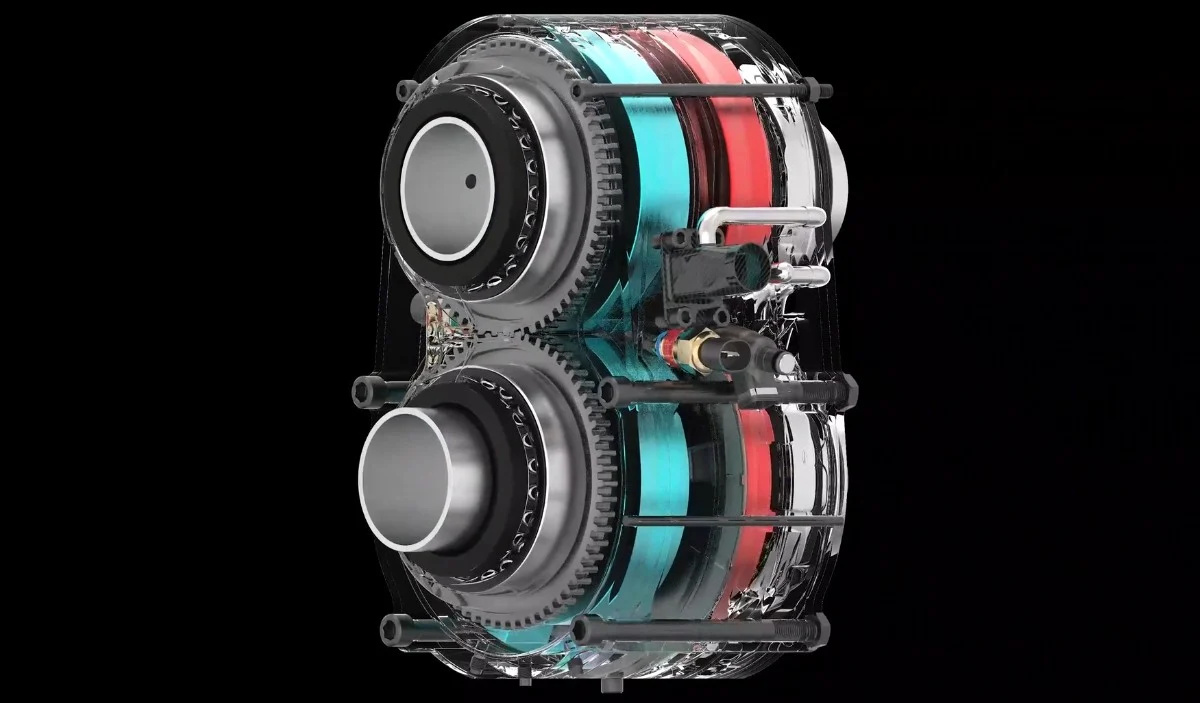
To achieve this, an adaptation kit for the use of hydrogen in GMG will be developed, along with a national electrolyzer that will make the production cost of hydrogen comparable to that of diesel.
Julia Rodrigues, R&D and Innovation Coordinator at AES Tietê, says that “The project aims to partially replace fossil fuel and considerably reduce current greenhouse gas emissions. Today, it is common to use diesel GMG systems primarily as energy backup during peak hours, in rural areas, and also in isolated systems, causing very high environmental impact.”
-
Giant Batteries Take Center Stage in Chile Auction as Company Offers 960 GWh of Solar Energy for Nighttime Use, Aiming to Stabilize Solar Power Supply

-
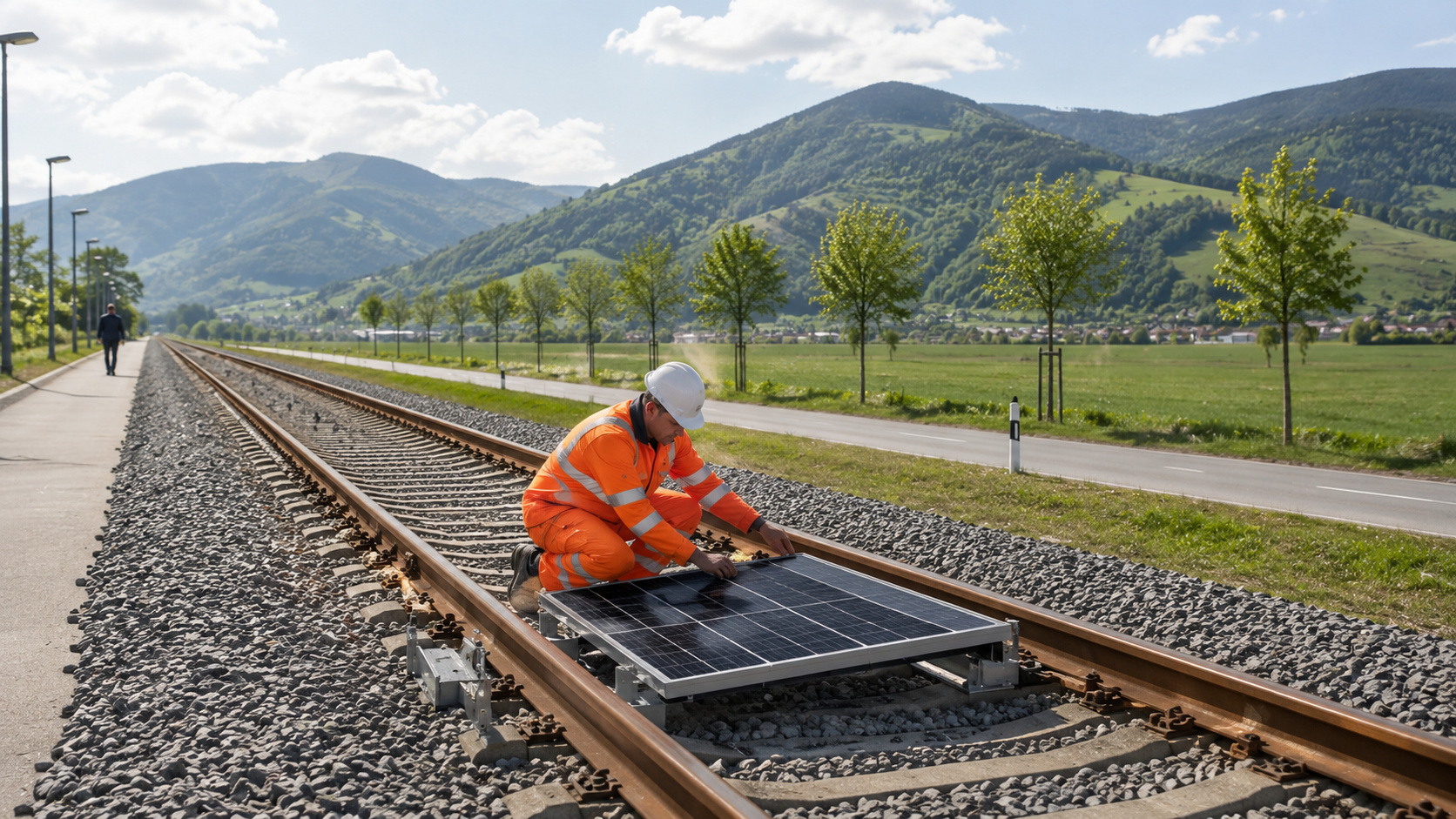
After a Year of Success in Switzerland, Solar Railway Attracts Italy’s Interest for Clean Energy Transformation
-
Robots Clean Solar Panels in Desert Power Plants Without Water, Preventing Energy Losses
-
Brazil’s Offshore Wind Energy Potential Worth $1 Trillion Stalled by Long-Delayed Agreement



To enable this project, Hytron is developing a low TCO (Total Cost of Ownership) electrolyzer, whose material is preferably civil, which will generate hydrogen from water.
IATI is designing a conversion kit so that diesel generators can operate with a hybrid of 50% H2 and 50% diesel, which can be used for existing and depreciable assets.
The project will have an investment of R$ 4.2 million for construction, testing, and evaluation, which will provide a viable and environmentally friendly alternative to diesel GMG using H2.
The coordinator of AES Tietê concluded by saying that “Today there are no commercial systems that allow the use of hydrogen as a substitute for diesel in GMG. Our sales estimate for the kits and electrolyzers is 0.1% of the market in the first year, with a growth of 10% per year.”