






 Portuguese
  Spanish


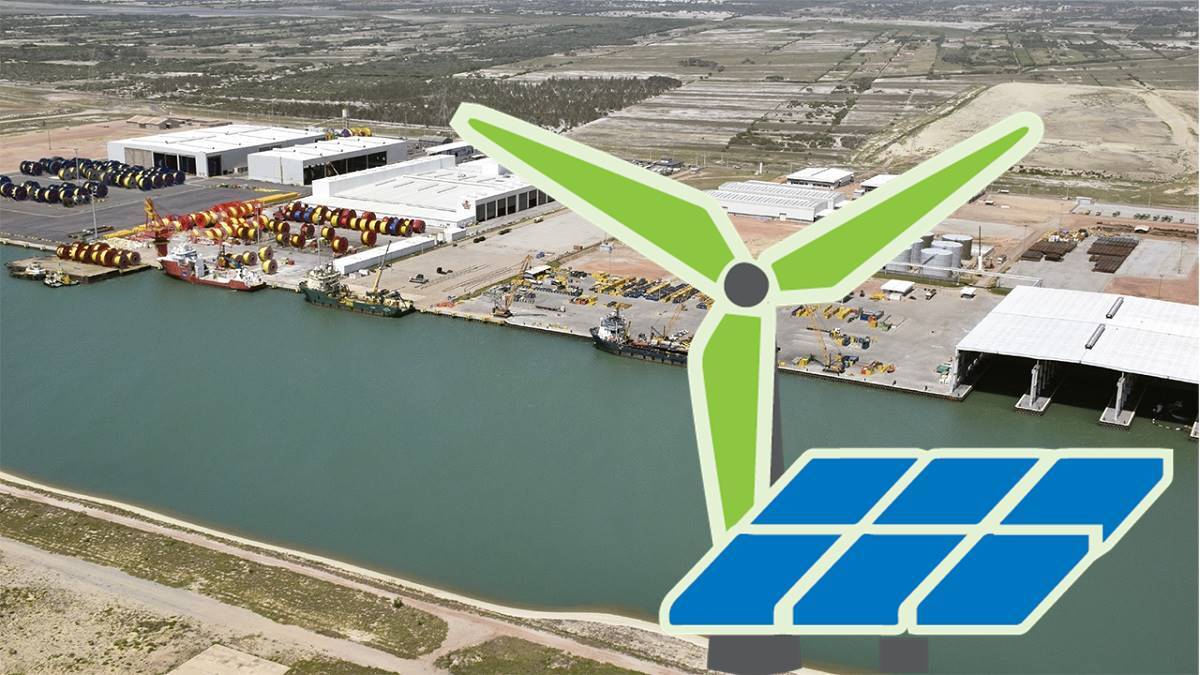

As One of the Most Important Integrated Hubs in the World, Porto do Açu Now Wants to Participate in the Transition to Lower Carbon Indices and Expand Its Portfolio of Renewable Energy Services
The advancement of renewable energy sources including solar, wind, and hydrogen in Brazil has intensified competition between newcomers and giants in the energy sector. Despite the pandemic, which led to a decrease in electricity consumption this year, solar, wind, and biomass projects have made their way onto the investment agendas of companies, already eyeing a future demand increase. Porto do Açu cannot be left out and is starting the licensing process for the construction of solar and hydrogen power plants.
Read Also
“We want to include Porto do Açu in the evolution of renewable energy including solar and hydrogen projects, and the energy transition is a significant step towards that,” emphasized Costa Fraga.
Equinor and Porto do Açu
The CEO of Porto do Açu does not want to reveal details of his future projects in renewable energy and hydrogen, but he states beforehand that he is already looking at a future partnership for an offshore wind farm that is in the licensing phase near Porto do Açu, under the domain of market leader Equinor.
-
Giant Batteries Take Center Stage in Chile Auction as Company Offers 960 GWh of Solar Energy for Nighttime Use, Aiming to Stabilize Solar Power Supply

-
Eni Acquires 25% Stake in Chilean Lithium Project, Plans to Invest Up to $225 Million in Eco-Friendly Extraction Method
-
After a Year of Success in Switzerland, Solar Railway Attracts Italy’s Interest for Clean Energy Transformation
-
French Brand Transforms 6 Million Brazilian PET Bottles into Sustainable Sneakers for Global Fashion Market
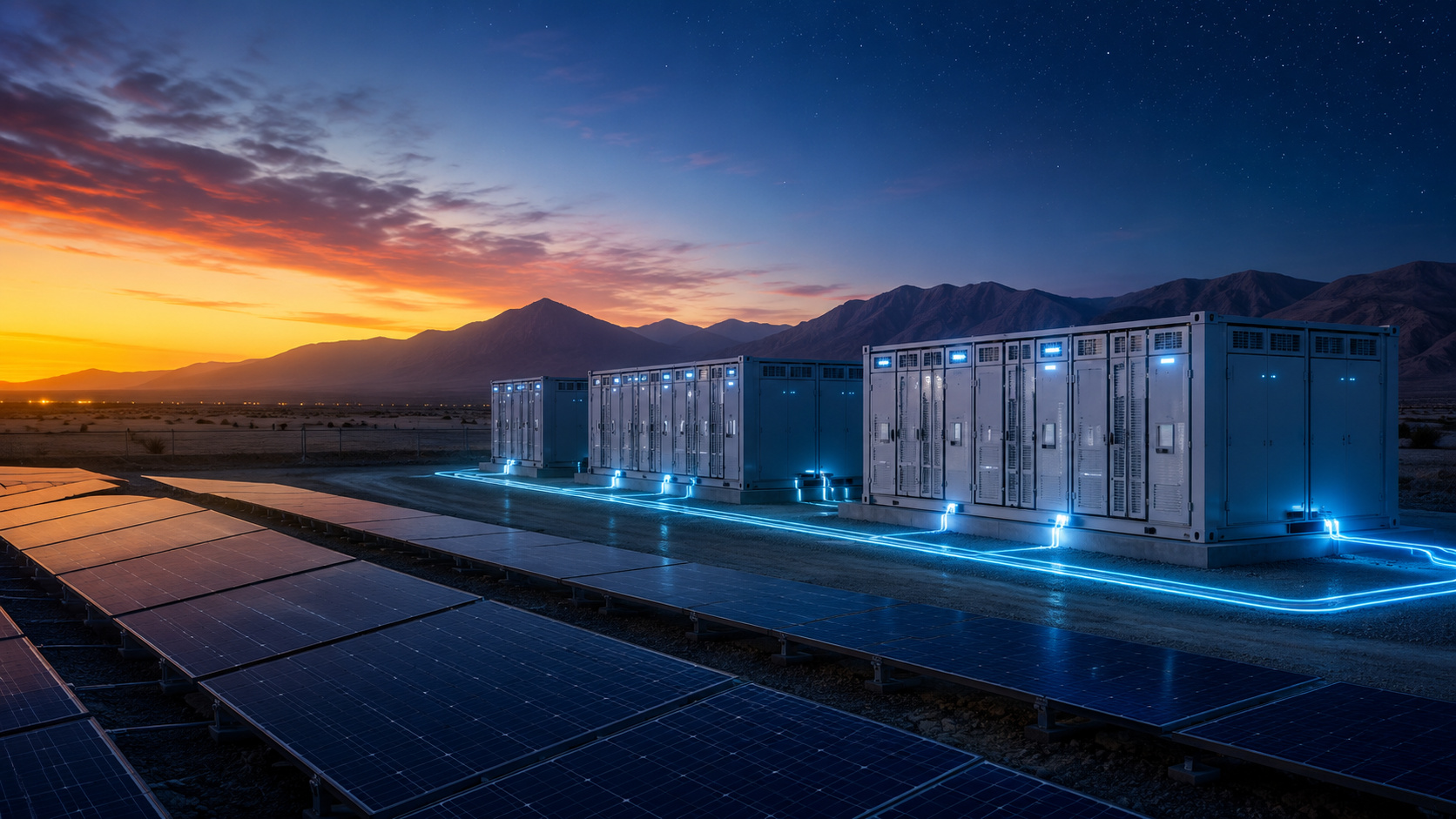
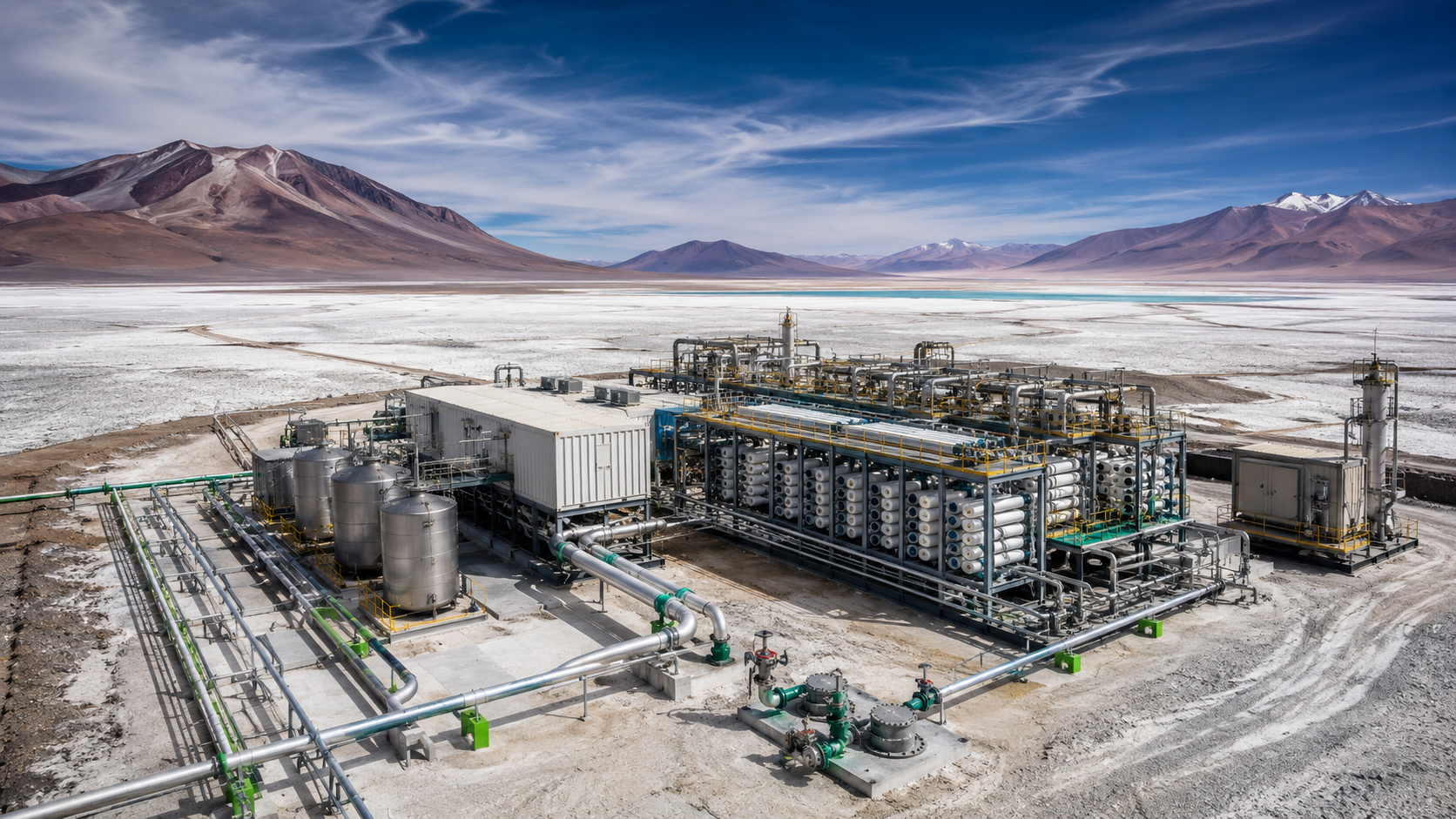


“My desire is for Porto do Açu to serve as a base for moving equipment, supplies, and for us to have our own renewable energy,” stated Costa Fraga.
According to Costa Fraga, Porto do Açu is preparing to build a storage park of up to 11.4 million barrels.
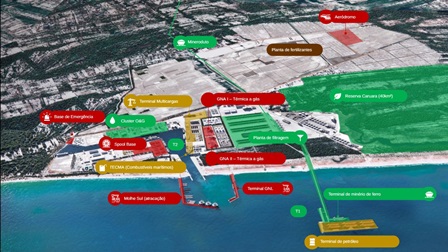
Porto do Açu Aims to Become a Natural Gas Hub (GNA 1)
The largest gas-based energy project in Latin America has already begun to take its first steps. The initiative, led by Gás Natural Açu (GNA), promises to be a landmark in the Brazilian and international oil and gas market.
Approximately R$8 billion will be invested to bring the idea to fruition and boost the local economy. In brief, GNA, a partnership between three different companies — Prumo Logística, BP, and Siemens — will construct a massive natural gas thermoelectric park at Porto do Açu. The port is located in São João da Barra, in the northern region of the state of Rio de Janeiro, and is positioned as the main O&G hub in Brazil.
The project consists of the implementation of:
- two natural gas thermoelectric plants (GNA I and GNA II), which together will reach 3 GW of installed capacity;
- a regasification terminal for LNG (Liquefied Natural Gas), with a capacity of 21 thousand cubic meters/day.
The development of the gas hub is also an attraction for companies that use gas as a raw material or that seek greater competitiveness in energy costs to establish themselves at Porto do Açu. This attracts new customers to the sector, connecting producers directly to consumers. All companies established at Porto do Açu that use gas as a raw material or energy source benefit from the Açu Gas Hub.







