





 Portuguese
  English
  Spanish
  4 min of reading


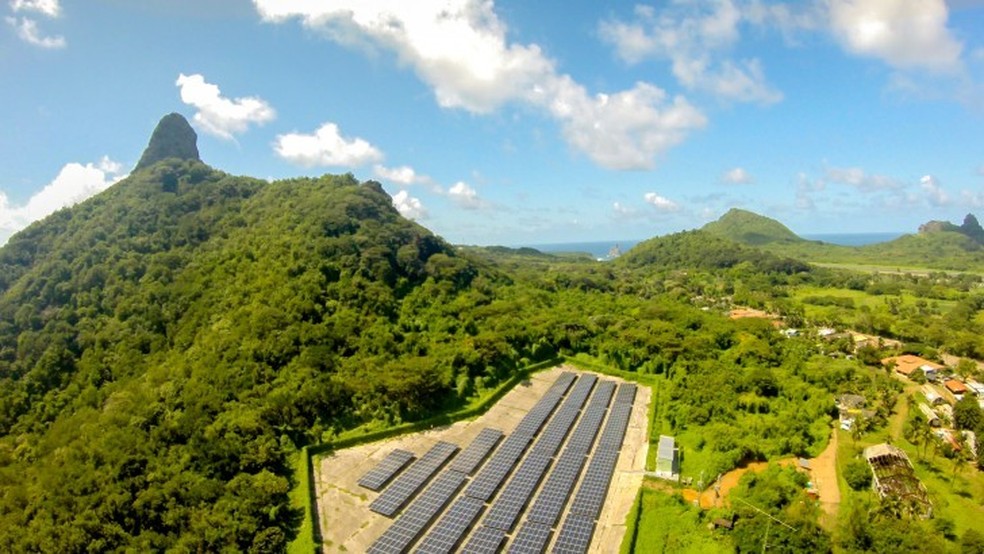
The Announcement by Neonergia Quoting the Solar Power Plants That Will Supply Electric Cars Is Part of the Sustainable Energy Program Noronha
On Thursday (08/12), the CEO of Neonergia, Mario Ruiz-Tagle, announced that the Sustainable Energy Program Noronha provides for the implementation of renewable energy solutions and encourages the preservation of the archipelago. Two new solar power plants with the capacity to supply 50 electric vehicles will be built in Fernando de Noronha. According to the Energy Company of Pernambuco (Celpe), the equipment is on the island and the first plant will be installed in the Vacaria region by December 2021. Also check this news: BMW Develops Charging System for Electric Cars Powered by Solar Energy
- The Gas Pipeline Coming from Bolivia Will Make CNG Cheaper in MT and Sell at Popular Prices for Low-Income Families, Says Governor
- SENAC-PR Opens 1,000 Slots in Free Online and Distance Learning Courses in Logistics, IT, Human Resources, and Various Other Areas
- Ultrapar Sells Oxiteno to Focus on Renewable Energy Investments and Energy Transition
- Petrobras Hires Fugro for Three Years for Inspection, Repair, and Underwater Maintenance Services
- VLI Logistics of Brazil, Controller of Freight Rail Concessions, Calls for Recent Graduates from All Areas for Job Openings on This Day (08/17) in Its Trainee Program
Use of Electric Cars in Fernando de Noronha
The State Decree No. 16.810/20 establishes that by 2030, the existing fossil-fuel-powered cars on the island must be replaced by electric vehicles, thereby the Neonergia project is contributing to the state policy on climate change. One of the most significant contributions is the encouragement of the expansion of electric cars on the island, powered exclusively by solar photovoltaic energy. The strategic project, led by the Energy Company of Pernambuco (Celpe), is part of the Research and Development (R&D) Program from Aneel, and has partners such as eiON, CPqD, WEG, and Renault.
To ensure the supply of electric vehicles from renewable sources, two new solar photovoltaic plants will be built on the island, totaling 100 kilowatts peak (kWp) with associated battery banks. The energy generated by both plants will be sufficient to supply not only the project cars but also other electric-powered vehicles. The areas for the installation of the plants will be provided by the Administration of Fernando de Noronha, and the solar panels for the first unit will be installed later this semester. Charging points for electric cars will be distributed in strategic locations across the archipelago.
-
Renewable energy advances globally with Asia taking the lead; Irena’s analysis indicates a strategic progress that drives the energy transition and reduces generation costs.
-
Globo broadcaster achieves 100% renewable energy and advances climate goal, strengthening environmental commitment, reducing emissions, and influencing large companies to adopt more sustainable and competitive strategies.
-
New mapping reveals the Brazilian states with the greatest potential for the production and use of green hydrogen in Brazil to lead the global market.

-
Historical drought and lack of snow in the Norwegian Alps threaten the largest clean energy reserve in Europe and could drive up electricity prices.

In Addition to Solar Plants, There Are Other Neoenergia Projects
Another action of the Sustainable Energy Noronha besides the solar power plants is the technological upgrade process of public lighting on the island, involving the replacement of 450 lamps that make up the entire lighting system. The company will replace the current sodium vapor equipment with LED technology, providing better brightness and an annual savings of 76.5 MWh (megawatt-hour), with a 40% reduction in the cost of public lighting for the Island Administration. The Energy Efficiency project, regulated by Aneel, has an investment of approximately R$ 225 thousand and is expected to be completed in September.
Also Check This News: City in São Paulo State Will Implement Solar Power Plant to Feed Electric Bus System
The city hall of São José dos Campos, in the interior of São Paulo state, approved the company Cápua Projetos e Construções for the implementation, maintenance, and management of solar photovoltaic plants that will power the electric bus system in lot 01 of the municipal transport system.
The model is for distributed generation, including the management of electricity credit compensation. There will be 12 articulated electric buses measuring 22 meters in length, which were purchased by the city hall of the interior of São Paulo, to circulate in the so-called Green Corridor, which will have a total length of 25 km. The first phase will have 14.5 kilometers and will connect the southern and eastern regions, considered the most populous, passing through the city center.
The vehicles that will operate in the city in the interior of São Paulo state have chassis, batteries, and systems made by BYD and Marcopolo Attivi Express bodywork. Lot 01 covers the northern, western, and southern regions; and will house the southern section of the Green Line project (electric bus corridor). In the case of the Green Line, the 22-meter electric buses made by BYD and Marcopolo will have their operating costs assumed by the Lote 1 concessionaire, including maintenance of rolling stock and energy when the southern section of the Green Line is ready for operation.








Seja o primeiro a reagir!