





 Portuguese
  English
  Spanish
  3 min of reading
  0 comments



Geological monitoring technology uses radar data and sensors to identify invisible risks beneath cities.
A new technological approach developed by researchers is using AI models to detect problems in sinkholes, allowing for the identification of underground voids before they turn into dangerous surface collapses.
The system analyzes vast sets of seismic and geospatial data to predict the formation of sinkholes and other types of soil instability. This innovation represents a critical advancement for urban safety, as it offers a form of continuous monitoring that manual inspection methods cannot achieve.
The capability of AI models to detect problems in sinkholes lies in recognizing subtle patterns in satellite images and synthetic aperture radar (SAR) sensors. By detecting millimeter-scale deformations in the earth’s surface over time, artificial intelligence can signal areas of imminent risk with high precision.
-
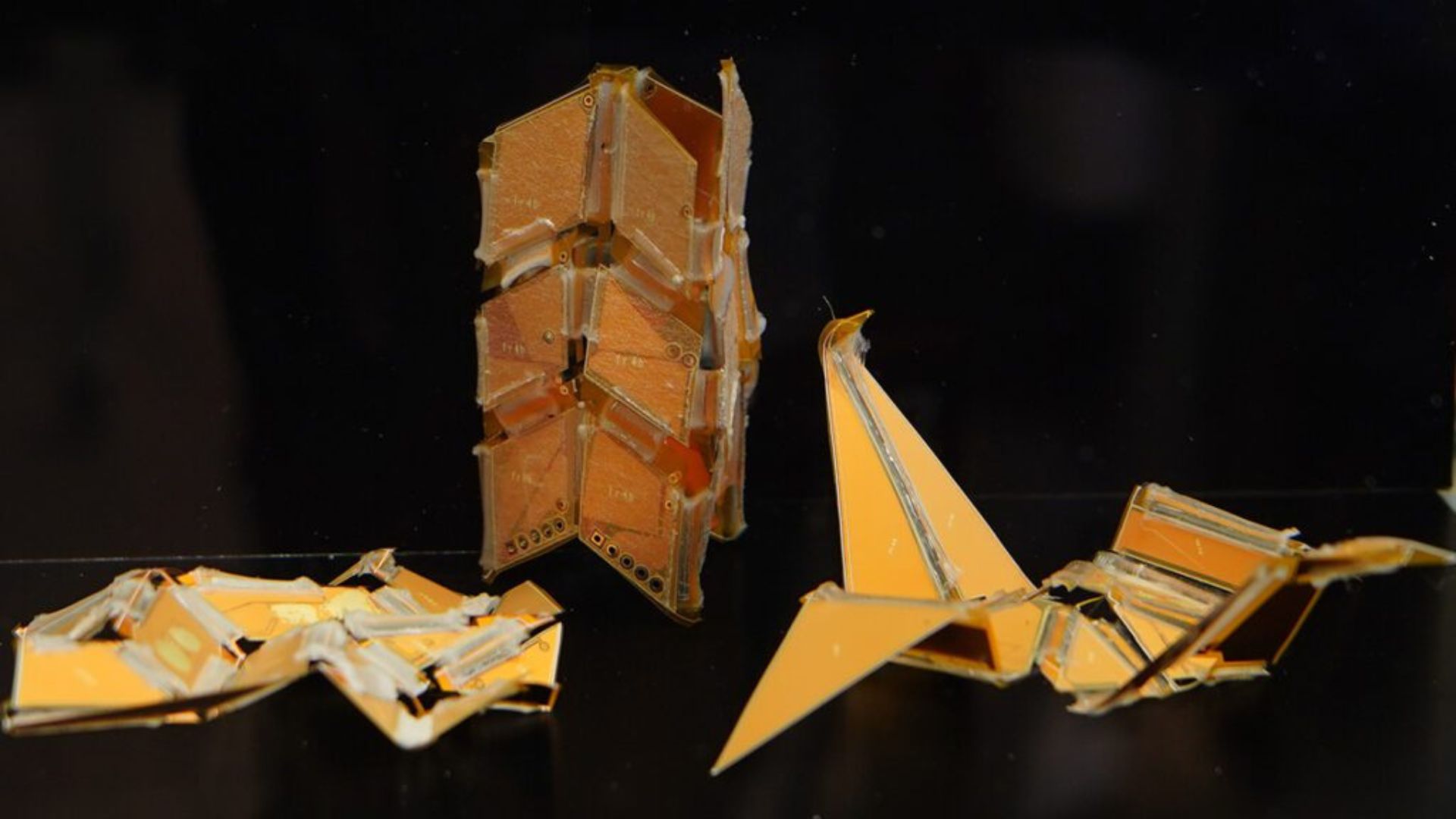
Princeton engineers create a flexible 3D-printed robot that eliminates motors and uses heat to perform complex movements.
-
Security alert: The proliferation of fake QR codes in public places facilitates financial scams and personal data theft.

-
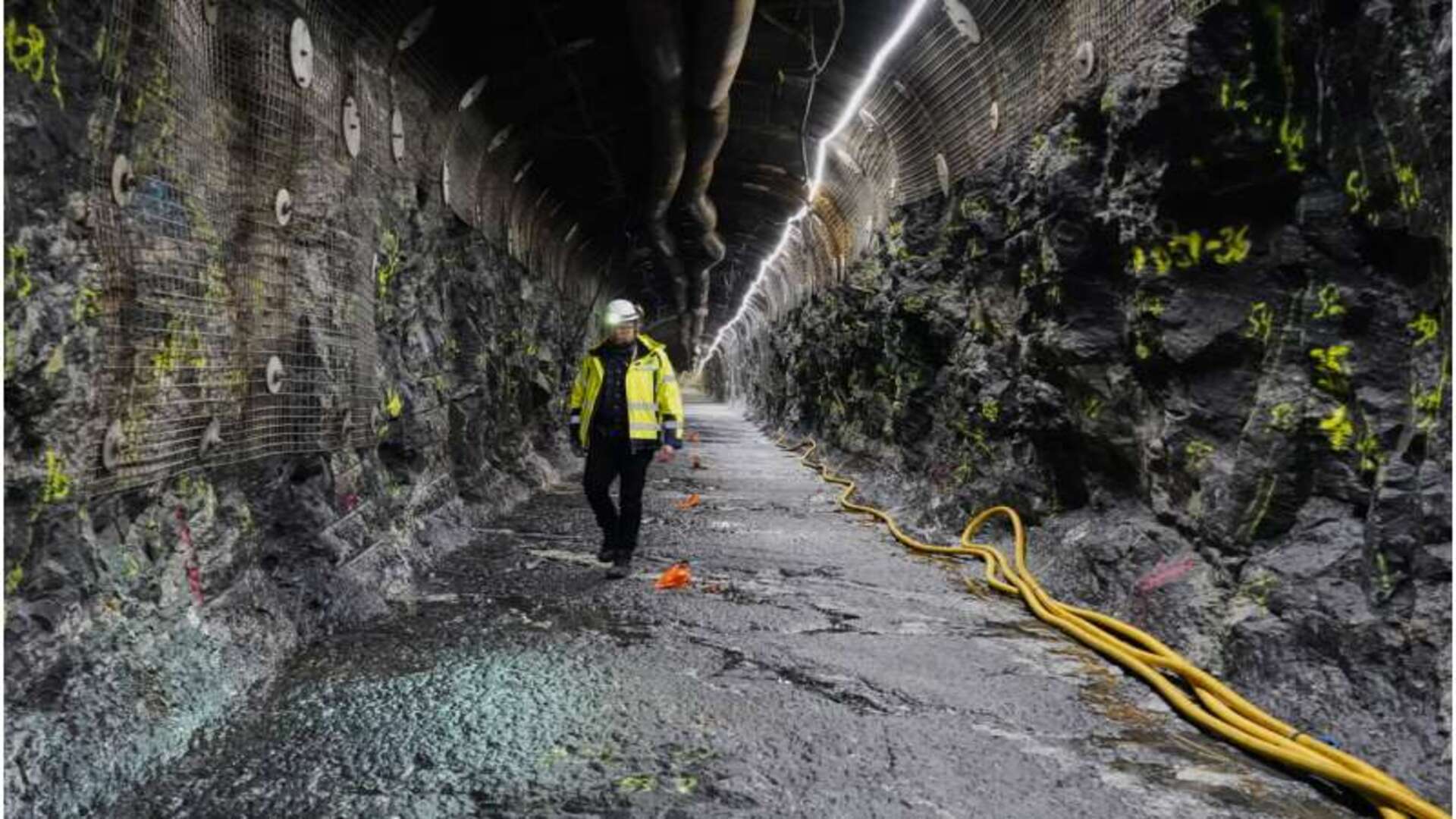
Finland completes the world’s first nuclear waste deposit in a stable rock formation 1.9 billion years old for millennia of protection.
-
Generation Z is reviving classic iPods and investing in technical modifications to create a listening zone free from notifications and algorithms.

This anticipation allows municipal authorities to carry out preventive interventions, such as filling voids, saving financial resources and, fundamentally, protecting human lives in vulnerable regions.
Data processing and remote sensing
The basic operation of the system involves integrating ground sensors with deep learning algorithms that filter out irrelevant environmental noise. When the AI models for detecting problems in sinkholes process radar information, they can differentiate between natural ground movements and anomalous subsidence caused by internal erosion. This distinction is vital to avoid false alarms and focus engineering efforts where the threat of sudden collapse is statistically more likely.
In addition to orbital data, the technology can be fed by information from sensors installed in infrastructure networks, such as water and sewage pipes.
The use of AI models to detect problems in sinkholes in conjunction with the Internet of Things (IoT) creates a real-time thermal map of underground vulnerability. Whenever a sudden change in soil density is recorded, the system issues an automatic alert to maintenance teams, speeding up the technical response to structural failures invisible to the naked eye.
Cost reduction and impact on infrastructure
The application of AI models to detect problems in sinkholes drastically reduces the need for costly and time-consuming exploratory drilling.
In the past, the identification of underground voids relied on physical inspections that often occurred only after visible cracks appeared on the surface. With the digitization of geological monitoring, it is possible to conduct a preventive diagnosis that extends the lifespan of roads, sidewalks, and building foundations in areas prone to erosion phenomena.
Another significant benefit is the simulation capability that AI models for detecting problems in sinkholes offer to urban planners. The algorithms can project how different climate scenarios, such as heavy rains or prolonged droughts, will affect soil stability in specific areas.
This level of detail transforms disaster management from a reactive practice into a proactive strategy, grounded in concrete data about local geology and the hydric behavior of the terrain.
Future of urban geological safety
The expansion of these tools to cities around the world promises to revolutionize the way we deal with natural risks in built environments. As AI models for detecting problems in sinkholes become more accessible, their integration with smart city systems is expected to become the global standard. The continuous refinement of algorithms ensures that predictions become increasingly accurate, reducing the margin of error in identifying dangerous underground cavities.
The success of this technology demonstrates how advanced computing can be an indispensable ally in mitigating complex structural problems. With AI models for detecting problems in sinkholes operating in the background, the infrastructure of metropolises gains an extra layer of resilience.
Automated monitoring of the underground is no longer a futuristic vision but a necessary technological reality to face the challenges of urbanization and climate change that affect the stability of our ground.
Click here to access the study.






Seja o primeiro a reagir!