





 Portuguese
  English
  Spanish
  3 min of reading
  0 comments


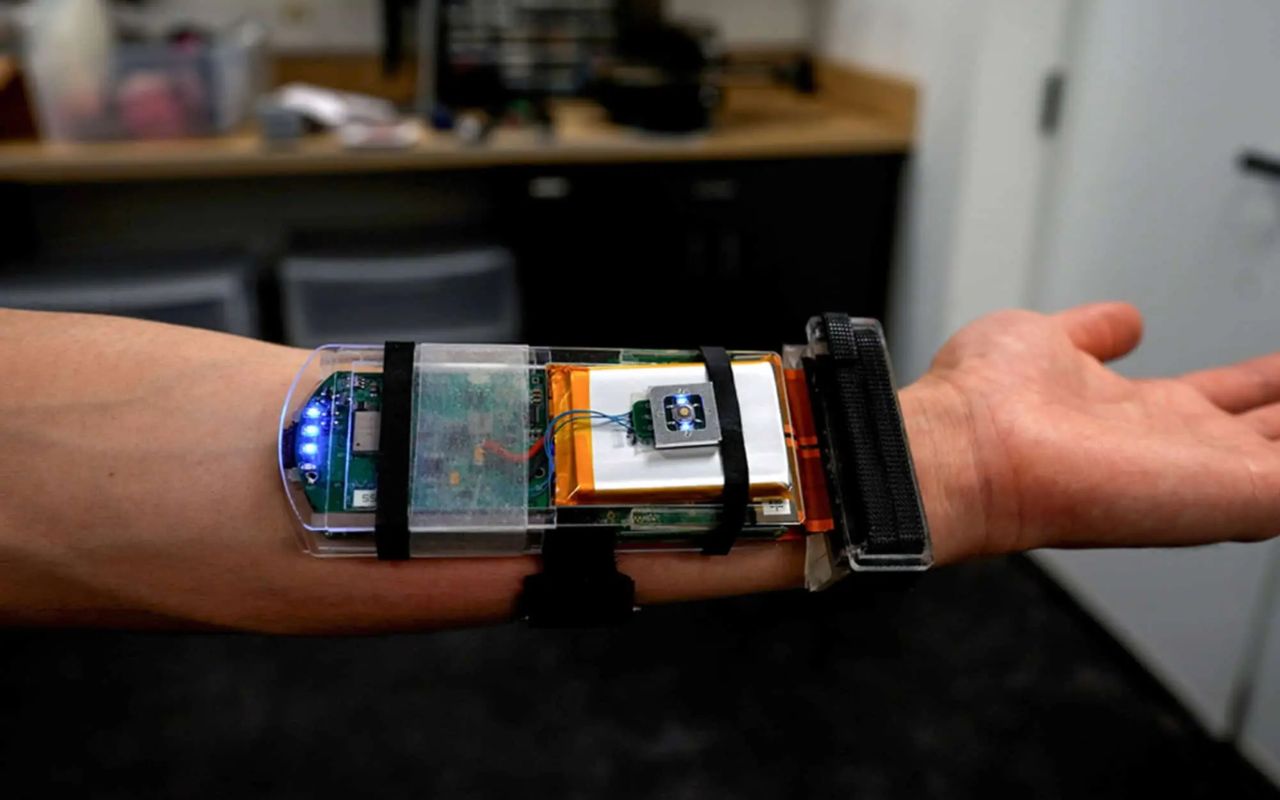
New MIT technology: researchers created a bracelet with ultrasound capable of controlling robots and virtual systems with precise hand movements in real time.
A new technology developed by researchers at the Massachusetts Institute of Technology (MIT) promises to transform the way humans interact with machines. The study, published on March 25, 2026, in the journal Nature Electronics, presents a bracelet equipped with ultrasound sensors capable of tracking, in real time, hand movements and translating them into digital commands.
The innovation was created in the United States, aiming to make the control of robots and virtual systems more precise, natural, and intuitive.
According to the scientists, the technology combines internal images of the wrist with artificial intelligence, allowing for a high level of detail in identifying the position of the fingers and palm. Thus, it seeks to overcome the limitations of traditional methods and bring the performance of machines closer to the complexity of the human hand.
-
Scientists extract DNA from a tree older than the pyramids, assemble a genome 8 times larger than that of humans, and find clues that may explain how this living being has survived for over 5,000 years without aging like almost all other organisms.

-
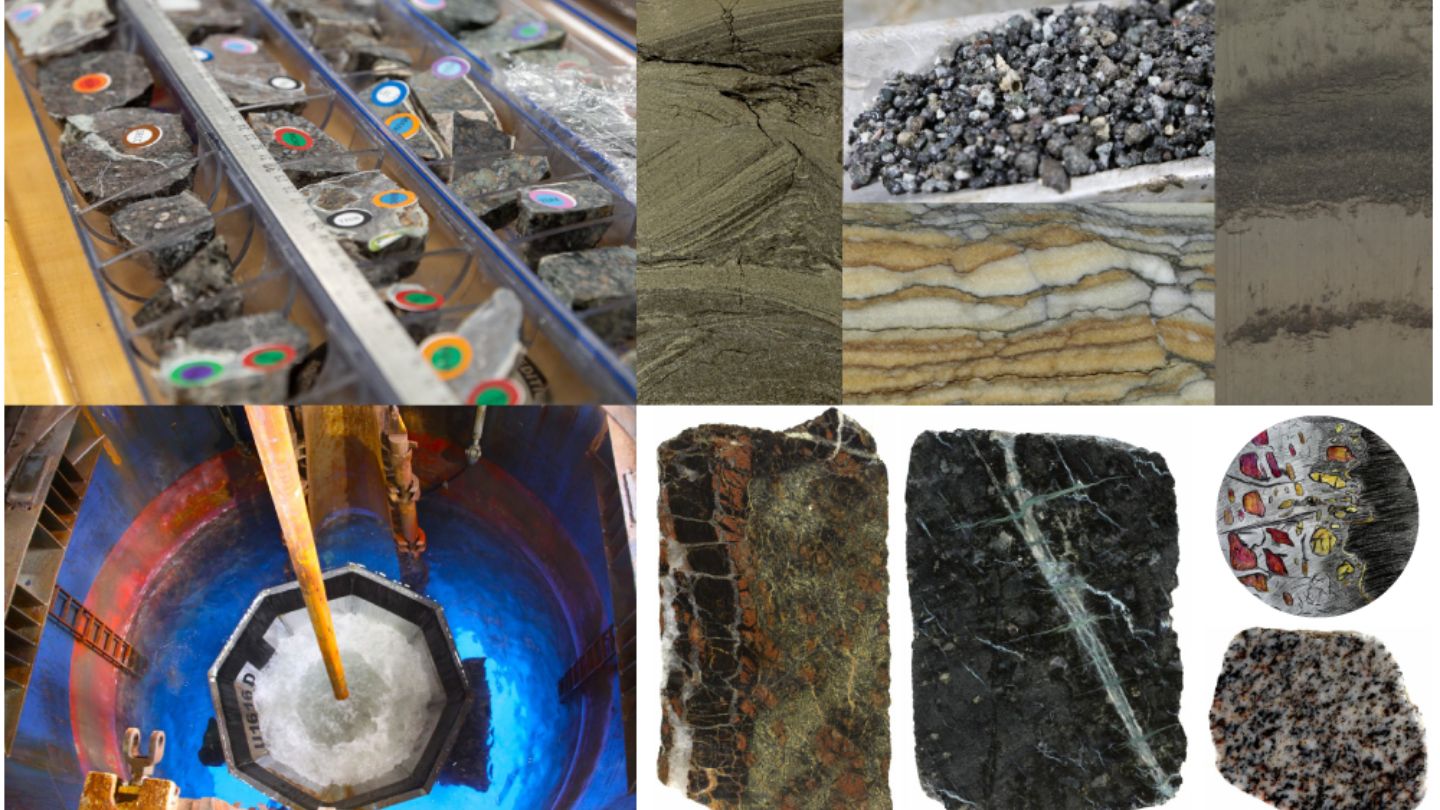
The Tyrrhenian Sea reveals a “fertile” mantle pierced more than 1,200 meters beneath the seabed by scientists in the IODP Expedition, which was expected to generate large volumes of magma, but surprisingly shows limited magmatic activity and leads researchers to investigate why one of the youngest tectonic regions in the Mediterranean does not behave as the models predicted.
-
Meteorologists warn that the polar vortex is behaving in an unprecedented manner, and the speed of this anomaly could cause frost and droughts outside the norm in major agricultural production areas.

-
The phenomenon of the “brown ribbon” of sargassum is advancing across the Atlantic Ocean on a gigantic scale, becoming visible from space and directly impacting tourist beaches, maritime activities, diving, and the environmental balance in tropical regions.

How does the ultrasound-based bracelet work?
The bracelet uses small ultrasound sensors, similar in size to a watch, positioned directly on the user’s wrist. These sensors capture continuous images of the muscles and tendons as the hand moves.
Then, the data is processed by an artificial intelligence system trained to interpret these signals. According to the researchers, the tendons function like “strings,” controlling the fingers similarly to a puppet.
To better understand, here’s what the system analyzes:
- Movement of the tendons in real time
- Position of the wrist muscles
- Subtle variations between different gestures
- Combinations of finger movements
With this, the new technology can accurately identify even intermediate movements, something difficult for conventional systems.
Impressive precision in tests with robots and complex gestures
During the tests, eight volunteers participated in experiments that included everything from simple gestures to more complex tasks. Among them were the 26 letters of American Sign Language and the manipulation of objects such as scissors, pencils, and tennis balls.

The results were striking: the bracelet was able to accurately predict hand positions in virtually all cases.
Additionally, the captured movements were transmitted to robots in real time. In this way, the machines were able to reproduce human actions with a high degree of fidelity, such as playing simple songs on a piano and simulating throws in games.
New technology expands possibilities in virtual environments
Another highlight is the integration with digital systems. The new technology has also been applied in virtual environments, allowing users to interact with objects on the screen without needing to touch devices.
For example, it was possible to enlarge images, move elements, and execute commands just with hand gestures. This paves the way for advancements in virtual and augmented reality.
Meanwhile, experts point out that current methods have significant limitations. Systems with cameras can fail when there are visual obstacles, while gloves with sensors restrict natural movements.
Now, researchers at the Massachusetts Institute of Technology are working to make the device even more compact and accessible. The intention is to expand the database with different hand shapes, increasing the system’s accuracy.
According to the team, this new technology could revolutionize robot training, especially in tasks that require high precision, such as surgeries or delicate industrial operations.
Source: Olhar Digital








Seja o primeiro a reagir!