





 Portuguese
  English
  Spanish
  5 min of reading
  2 comments


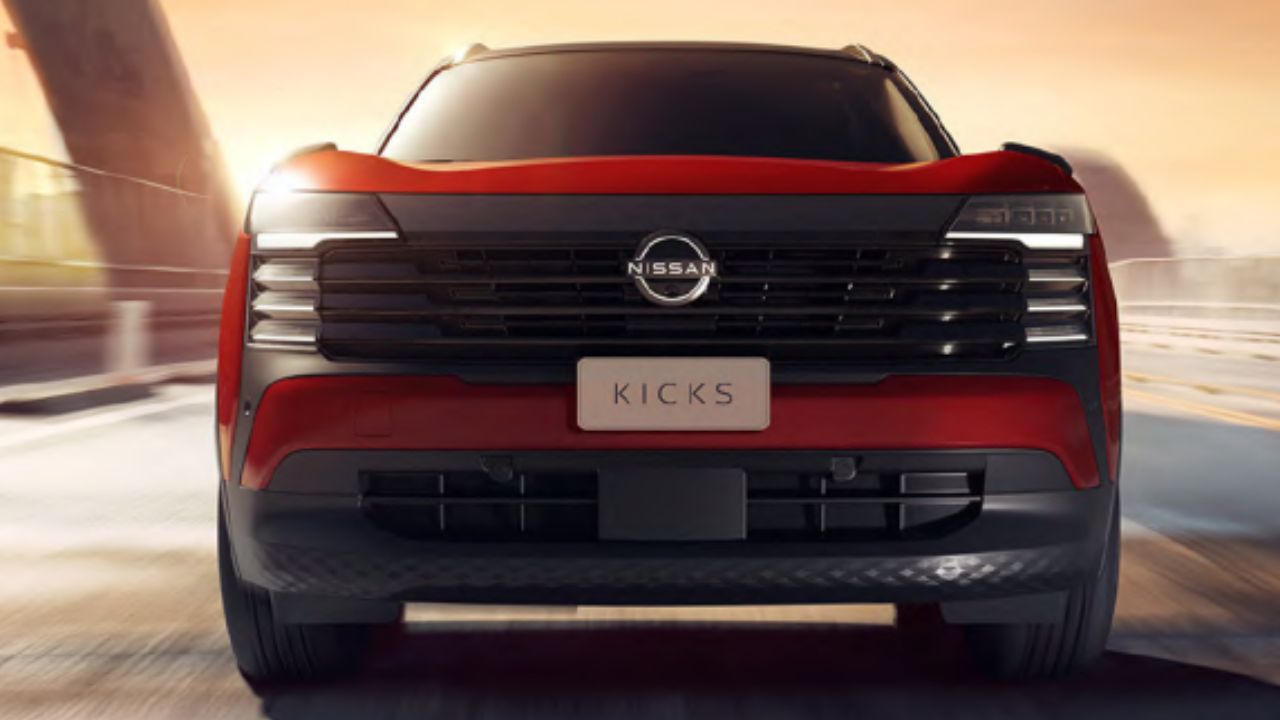


With An Unprecedented Platform And More Technology, The New Generation Of The SUV Bets On A Turbo Engine That Divides Opinions; Analysis From The Car Channel Cars With Comanzi Reveals The Pros And Cons.
The arrival of the Nissan Kicks 2025 represents one of the most significant changes in the compact SUV segment in Brazil. Completely renewed, the model abandons the old structure to adopt a more modern platform, a bold design, and a robust technology package from the entry-level versions. The major controversy, however, lies under the hood: the replacement of the veteran 1.6 naturally aspirated engine with a 1.0 three-cylinder turbo, shared with the Renault Kardian. The detailed analysis from the channel Cars With Comanzi raises the central question that will define its success: Is the new engine sufficient for the size and weight of the SUV?
This transformation places the Nissan Kicks 2025 in a new position in the market. While it evolves in finish, safety, and interior space, the choice of engine generates a crucial debate about the weight-to-power ratio. With a weight increase of over 200 kg compared to the previous generation, the vehicle’s performance on the road and with maximum load becomes the main point of questioning for consumers, especially in the more expensive versions that approach R$ 200,000 and compete with more powerful rivals.
The Structural Revolution: New Platform And More Weight
Unlike a simple facelift, the Kicks 2025 is, in fact, an entirely new car. The most profound change lies in its base, the new CMF-B platform, a modern architecture of the Renault-Nissan alliance, already used in European models like the Juke. As highlighted in the review from Cars With Comanzi, this evolution resulted in a larger, safer vehicle with better driving dynamics, aligning the Brazilian SUV with the brand’s global standards.
-
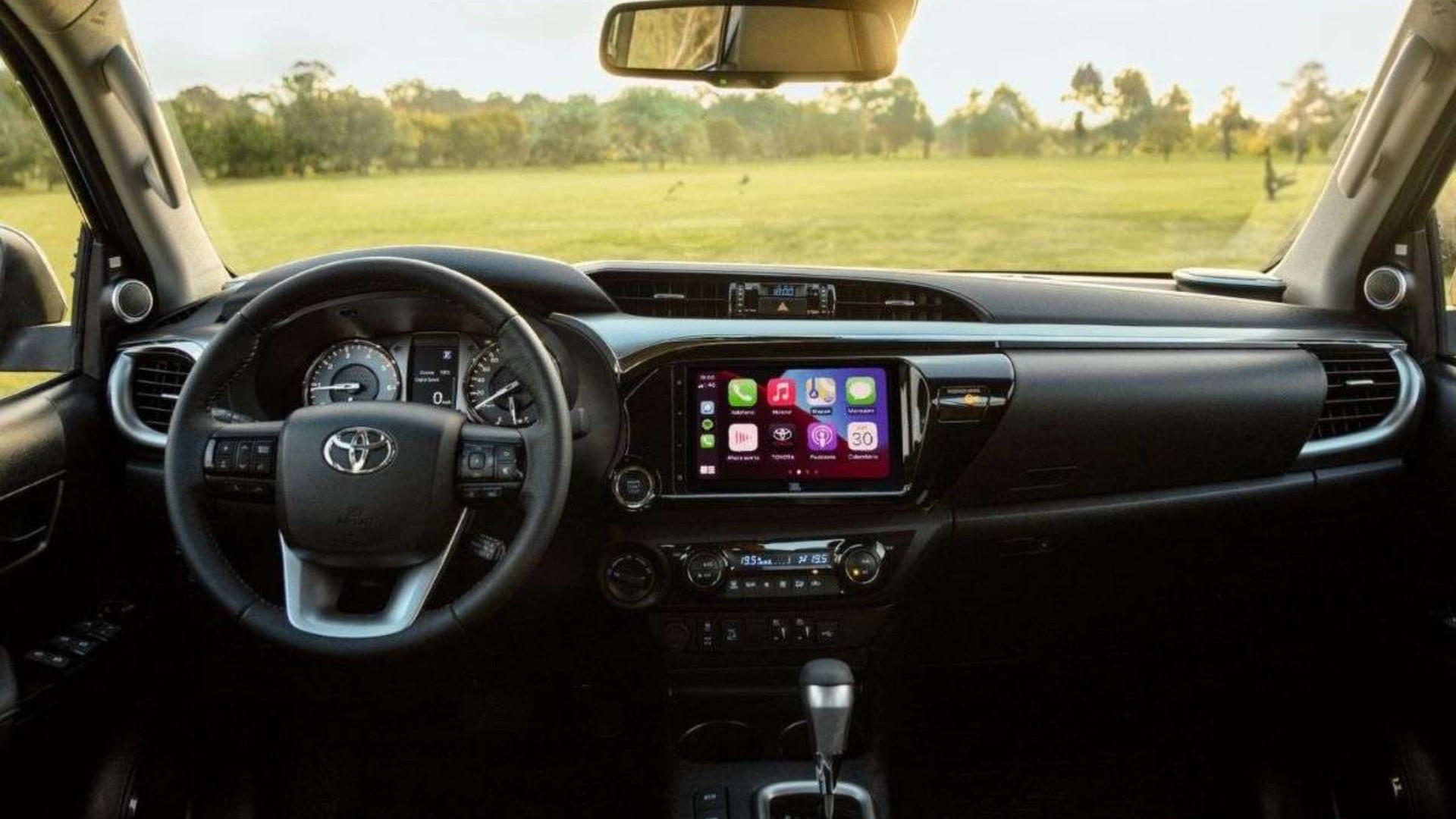
The Toyota Hilux is R$ 75.5 thousand cheaper and bets on the 2.8 turbodiesel engine with up to 204 hp and 50.9 kgfm to catch up with the VW Saveiro, which leads with 4,472 sales.
-
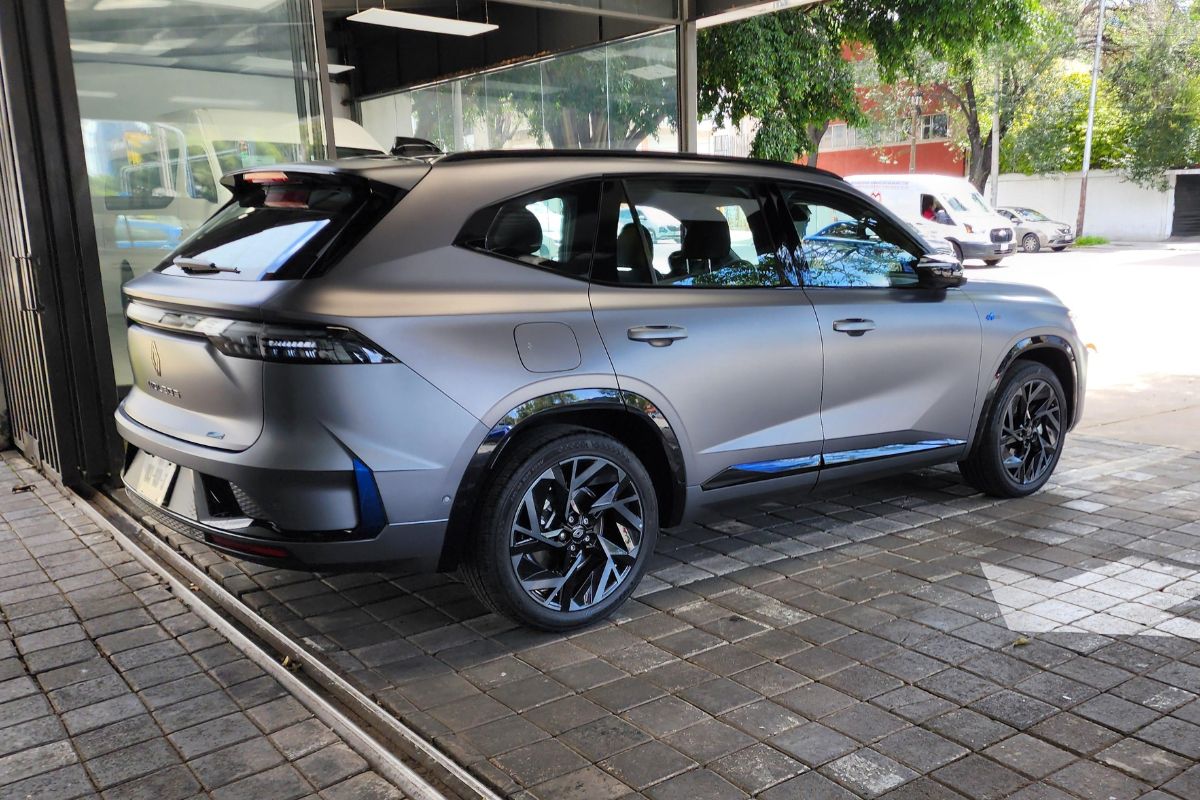
The new Renault Koleos has a screen exclusively for the passenger that is invisible to the driver, heated rear seats, and 29 assistance systems, but its Chinese competitors cost R$ 40,000 less and deliver more power.
-
The car stored for 38 years: when opening the barn door, what appears is breathtaking and looks like a scene from a movie!

-
Fiat works miracles in the Brazilian market, lowers the price of its 0 km hatch to R$ 69,990, reestablishes the model as the cheapest car in the country, and reignites the battle against Kwid and C3.

However, this modernization came at a direct cost on the scales. The new structure, along with the more refined equipment and finish, caused the SUV’s weight to jump from 1,122 kg in the previous generation to 1,333 kg in the Advance version, an increase of 211 kg. In practical terms, it’s as if the new Kicks is carrying permanently two and a half extra people compared to its predecessor. This factor is crucial to understand the performance and consumption dynamics of the vehicle.
Performance In Question: The Controversy Of The 1.0 Turbo Engine
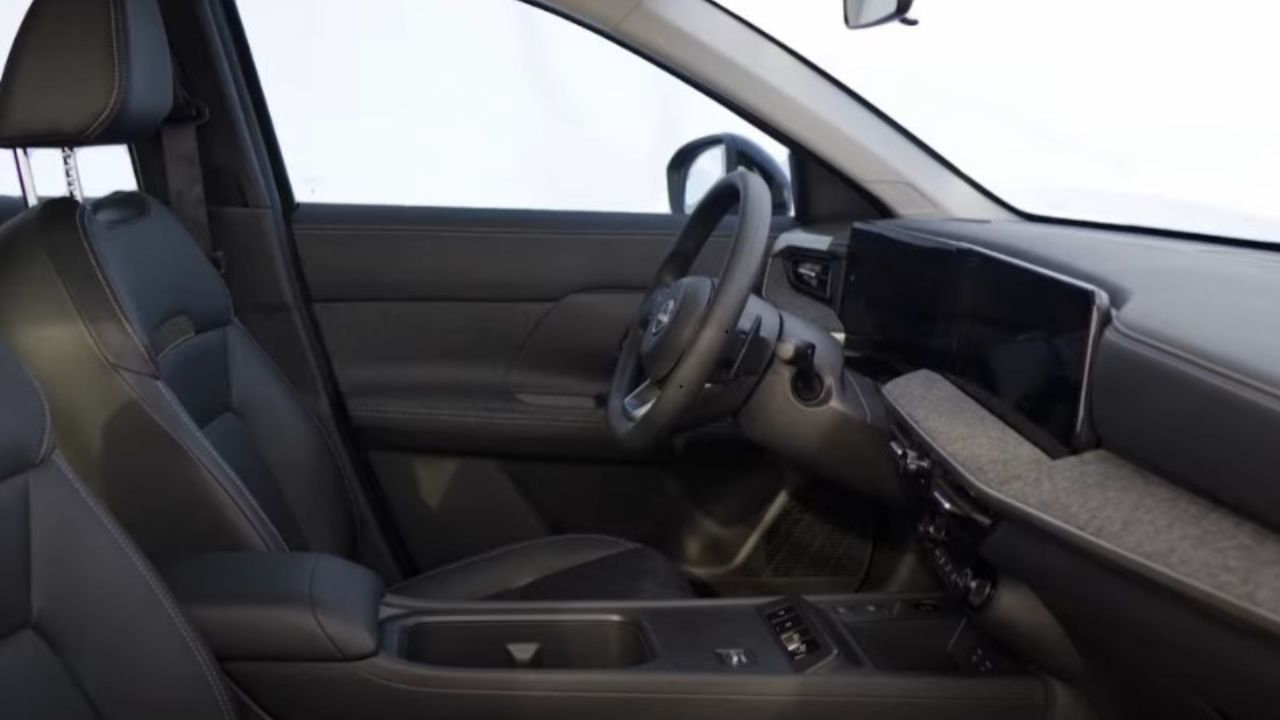
Here lies the heart of the debate. The 1.0 turbo engine delivers figures that exceed the old 1.6: it produces 125 horsepower and 22.4 kgf.m of torque on ethanol. The maximum torque, by the way, is the highest among 1.0 turbo engines on the market and arrives early, at 2,500 RPM, which, according to Cars With Comanzi, makes the Kicks 2025 very agile in urban traffic. The sensation of acceleration and the pickups at low speeds are praiseworthy, transmitting an impression of strength and agility in the city’s “stop-and-go.”
The paradox arises when analyzing the acceleration figures and the behavior on the road. Despite being more powerful, the Nissan Kicks 2025 is slower from 0 to 100 km/h, taking 12.4 seconds compared to 11.8 seconds for the old model. The explanation lies in the unfavorable weight-to-power ratio. On the road, especially with the car loaded and during overtaking, the engine needs to operate at higher revs, where the lack of “breath” becomes noticeable. The extra power cannot compensate for the additional weight, creating a feeling of strain.
Why Not The 1.3 Turbo Engine? Nissan’s Strategy
The most raised question by enthusiasts and potential buyers was directly posed to Nissan by the team from Cars With Comanzi: why not equip the Kicks with the 1.3 turbo engine producing 163 horsepower, already used in other models of the alliance? The official response from the manufacturer was that the 1.0 turbo engine was deemed “sufficient” to meet most profiles of Brazilian consumer use. It was a strategic decision to balance costs and market positioning.
Still, critics argue that, especially in the top-of-the-line Platinum version, which has a price close to R$ 200,000, the absence of a stronger engine undermines competitiveness. In this price range, direct competitors offer engines with superior performance. The analysis from Cars With Comanzi reinforces that more power is not a luxury, but a safety factor, crucial for maneuvers such as overtaking on single-lane highways.
Finish, Technology, And Equipment: Where The Kicks 2025 Shines
If the engine divides opinions, the interior and the list of features are universally praised aspects. The leap in finish quality is noticeable, even in the intermediate Advance version. The dashboard features rubberized materials and the interior includes upholstered armrests, conveying the perception of a superior category vehicle. The interior space has also been increased, providing comfort for rear seat passengers, and the 470-liter trunk is one of the largest in the segment.
From the entry-level version, the Nissan Kicks 2025 comes equipped with a robust safety package (ADAS), including collision alerts with autonomous braking and lane-keeping assist. The Advance version adds features such as a 360º camera and a digital dashboard integrated with multimedia. However, the channel Cars With Comanzi points out some “cheap economizations”, such as the absence of a blind spot sensor and front parking sensors in this version, features that could be included given the price charged.
Is It Worth It?


The Nissan Kicks 2025 is undoubtedly a product that is far superior to its predecessor in almost every aspect: design, safety, technology, and build quality. Its performance in the city is agile and pleasant, and the oil-bathed dual-clutch transmission proves to be efficient and quick. The problem is that the decision to use only the 1.0 turbo engine creates a clear trade-off: it may be ideal for those who drive 90% of the time in the city, but it can frustrate those looking for a family car for frequent highway travel.
Thus, the cost-benefit ratio entirely depends on your usage profile. It shines in finish and technology, but falls short in performance compared to rivals in the same price range. The evolution has been immense, but the choice of engine may have missed an important opportunity.
And you, what do you think of Nissan’s strategy? Do you agree with this change? Do you think it impacts the market? Leave your opinion in the comments, we want to hear from those who live this in practice.








Sou apaixonada pela marca e pela minha concessionária. Tive 2 Nissan Kicks…. experiência maravilhosa. Nenhum detalhe negativo a comentar. Agora continuo fiel à marca : comprei uma Frontier ❤️❤️❤️❤️
Nissan é muita qualidade!!!