





 Portuguese
  English
  Spanish
  3 min of reading
  0 comments


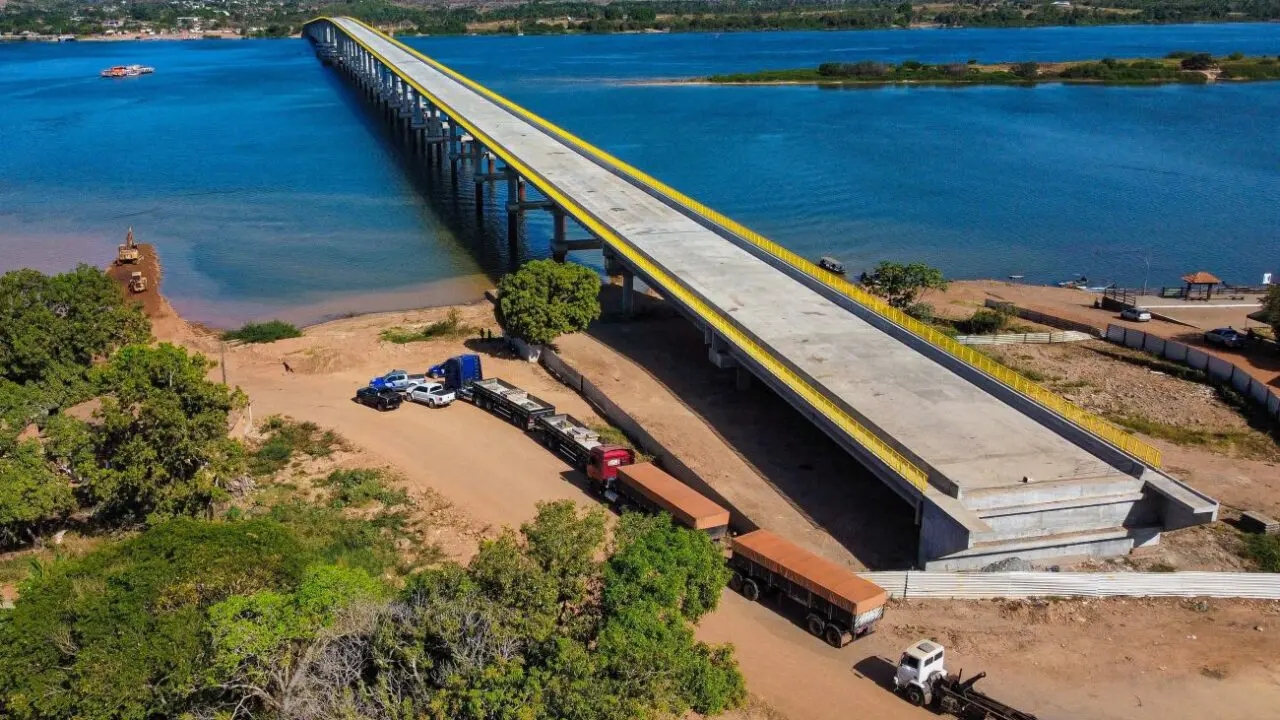
Works on Xambioá Bridge Resumed After More Than a Year Stopped. With 95% Completed and R$ 232 Million Already Spent, the Structure Accumulates Years of Delay Due to Expropriations and Still Lacks a Delivery Date
The bridge over the Araguaia River, connecting the municipalities of Xambioá (TO) and São Geraldo (PA), is considered one of the most awaited projects in the North of Brazil.
Planned to integrate the BR-153 and replace the ferry crossing, the structure has already consumed more than R$ 232.8 million and is 95% completed, but it still cannot be used. The reason: the lack of road access on the Pará side, stalled by expropriation processes.
Structure Almost Ready, but Stuck in Time
With 1,724 meters in length, a 12-meter wide lane, and 1.5-meter sidewalks on each side, the bridge is practically finished. The project also includes 2,010 meters of access – 310 meters in Pará and 1,700 meters in Tocantins.
-
The factory shows how PHC piles and precast tubes are made; steel turns into a welded cage, high-strength concrete enters the mold, spins in centrifugation, cures in steam, and is ready in hours.

-
Small house with natural light becomes a trend in sustainable architecture and reveals how smart designs reduce energy consumption and enhance comfort in compact spaces.

-
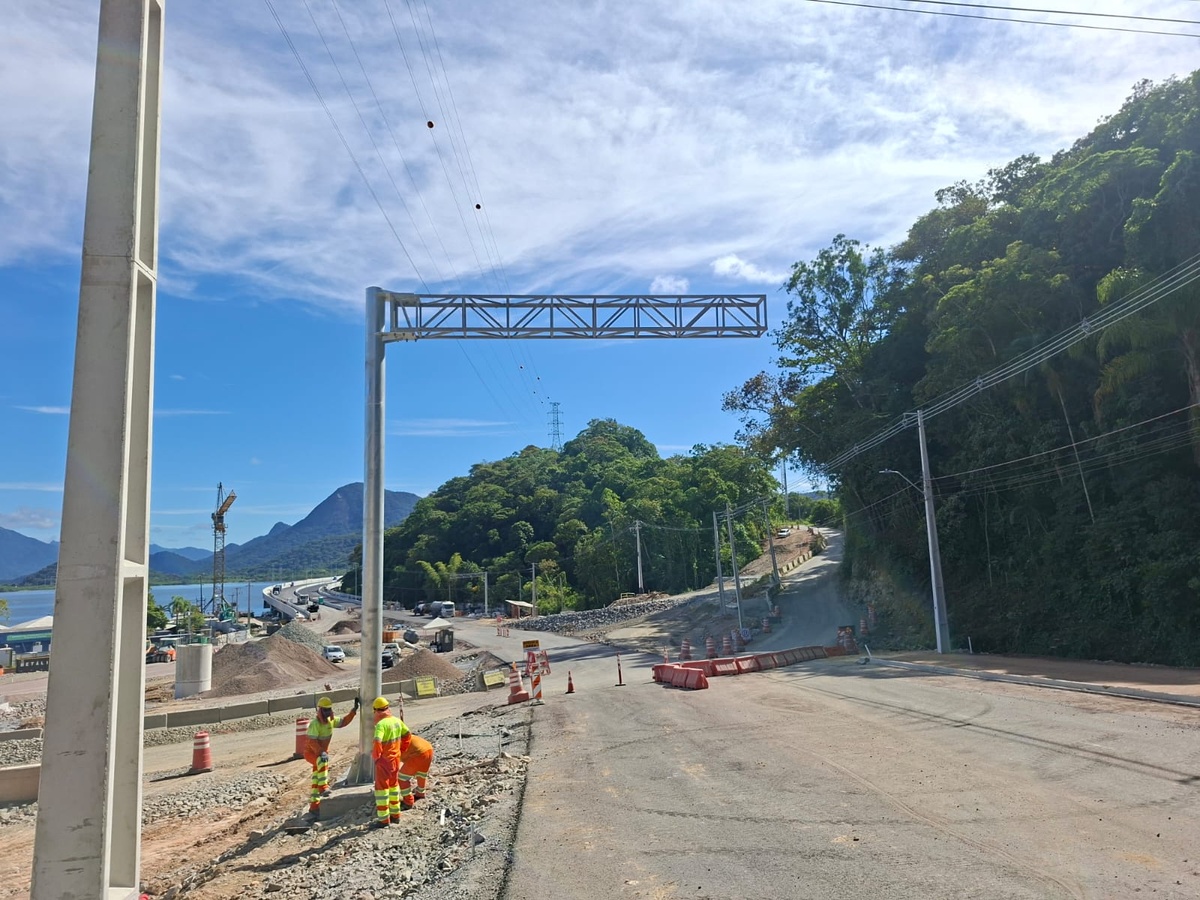
Guaratuba Bridge enters the final phase with high-standard road signage implemented by IASIN and inauguration scheduled for April 2026.
-
A homeless person in Los Angeles built their own wooden house with a garden at the entrance, a bed, a television, and a bathing area, and is now selling identical mini houses for $150 to other homeless individuals who prefer anything over returning to plastic tents.

From a distance, the bridge impresses those passing by the Araguaia River. But without access, it remains unused. Meanwhile, the crossing continues to be done by ferries operated by Pipes Empreendimentos, which face increasing difficulties due to the drought and the narrowing of the navigation channel.
In July 2025, one of these ferries collided with a pillar of the bridge, but fortunately, there were no structural damages or injuries. The Navy opened an inquiry to investigate the incident.

Resumption of Works After Stoppage
After more than a year of uncertainty, the DNIT announced in October 2025 the resumption of works on the headwaters, mobilizing about 30 workers to start the first 150 meters of ramps on the Pará side.
The stoppage was caused by legal disputes and lack of expropriations. According to the director-general of DNIT, Fabrício de Oliveira Galvão, upon taking office in 2023, he found the project “with no work on the headwaters and no expropriation completed.”
It was necessary to remove at least 12 residences from the passage area in Pará before starting the earthworks.
On the Tocantins side, the processes were concluded in the first half of 2025, but in Pará, the first conciliation hearings only took place in August of the same year, further delaying the delivery.
Rising Costs and Legal Battles
The original project, announced in 2017 during the Temer administration, anticipated an expenditure of R$ 132 million. By 2020, this amount had already risen to R$ 157 million.
Today, the sum of the bridge and access exceeds R$ 232.8 million, of which R$ 28.6 million is reserved just for the headwaters.
In addition to the surge in costs, the project has been the target of legal disputes. The construction company OAS questioned the bidding process and managed to halt the work, but in June 2025, the Attorney General’s Office (AGU) won in court, allowing the continuation of works.
The Federal Court of the 1st Region ruled that the stoppage harmed logistics and could lead to cost increases of up to R$ 130 million.
Delivery Still Uncertain
The DNIT insists that the bridge will be delivered by 2025, but there is no confirmed official date. The release for traffic depends on the progress of accesses, especially on the Pará side.
Meanwhile, the population continues to rely on the ferries, which face long lines, accidents, and constant limitations imposed by the weather.
The Xambioá Bridge, a symbol of integration between Tocantins and Pará, also continues to portray the challenges of large public works in Brazil: inflated budgets, legal hurdles, and endless delays.








Seja o primeiro a reagir!