





 Portuguese
  English
  Spanish
  3 min of reading
  0 comments


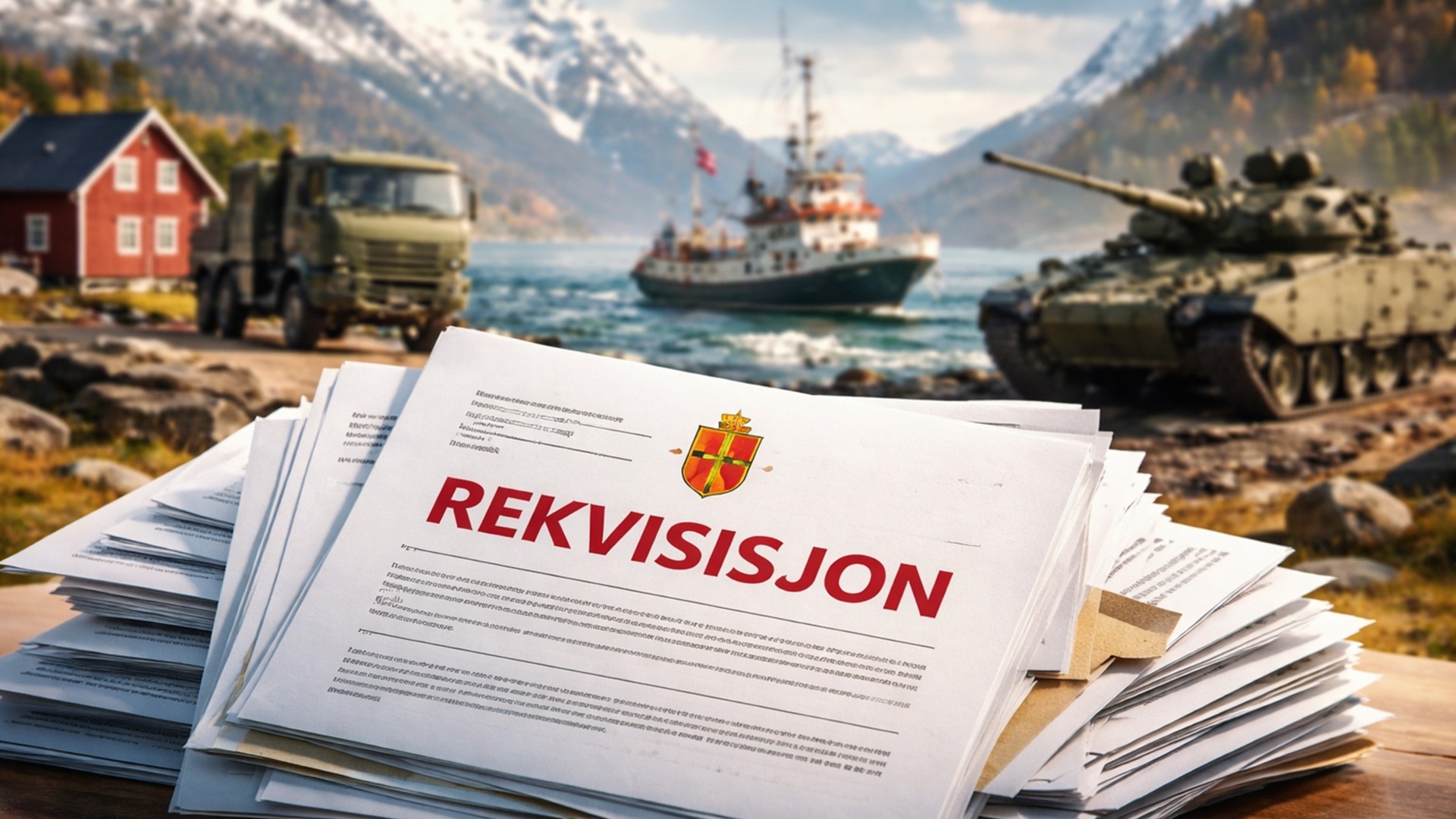
Notices Sent On January 19, Valid For One Year, Inform Citizens About Possible Requisition Of Houses, Vehicles, Boats And Machinery In War Scenario, Amid Increasing Military And Strategic Tensions In The Arctic Involving NATO, Russia, China And Disputes Over Routes And Resources
Norway has alerted its citizens about the possibility of state acquisition of private property in case of war, after sending approximately 13,500 preparatory requisition letters on January 19, valid for one year, amid increasing strategic tensions in the Arctic.
Official Notices And Scope Of Requisitions
The Norwegian government stated that the notices concern the eventual acquisition of private properties, including houses, vehicles, boats, and machinery, if a war situation demands mobilization of civilian resources.
According to the authorities, approximately one third of the 13,500 letters contained new requests, while the other two thirds corresponded to communications already sent the previous year, now renewed within the same legal mechanism.
-
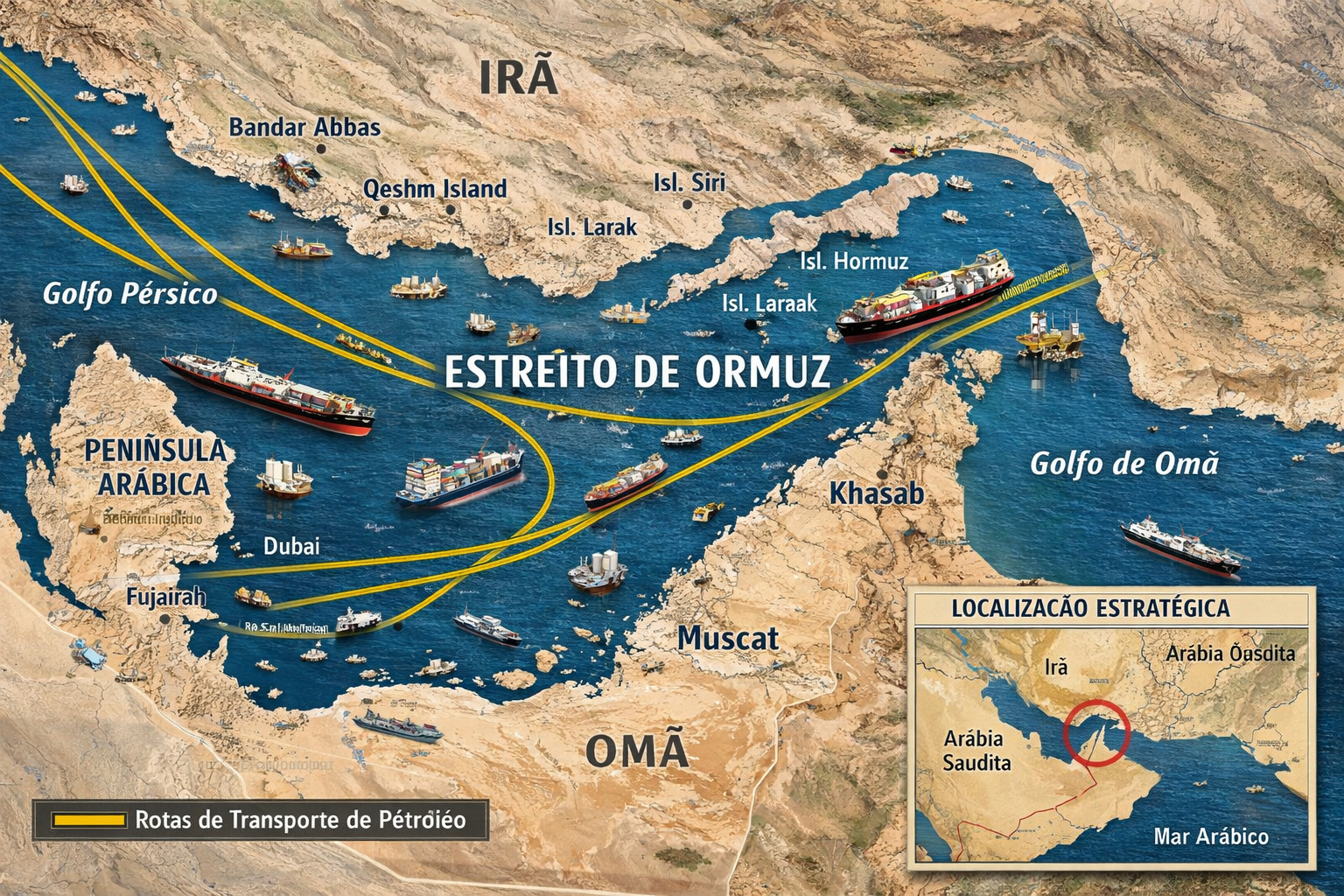
Global summit with over 40 countries pressures Iran for a blockade in the Strait of Hormuz and warns of direct impact on oil, food, and the global economy.
-
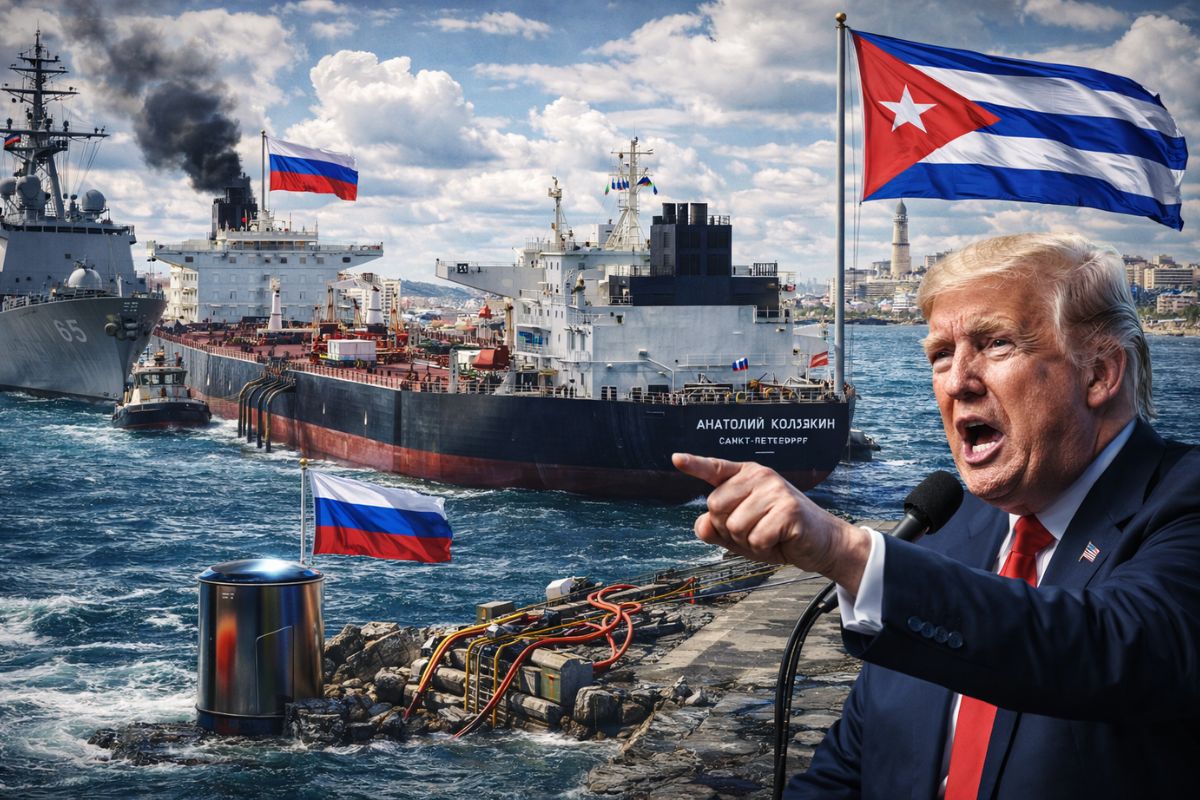
Russia has broken the U.S. maritime blockade to send oil to Cuba and is now loading a second ship while Trump says that “Cuba is next” in a possible military action against the island.
-
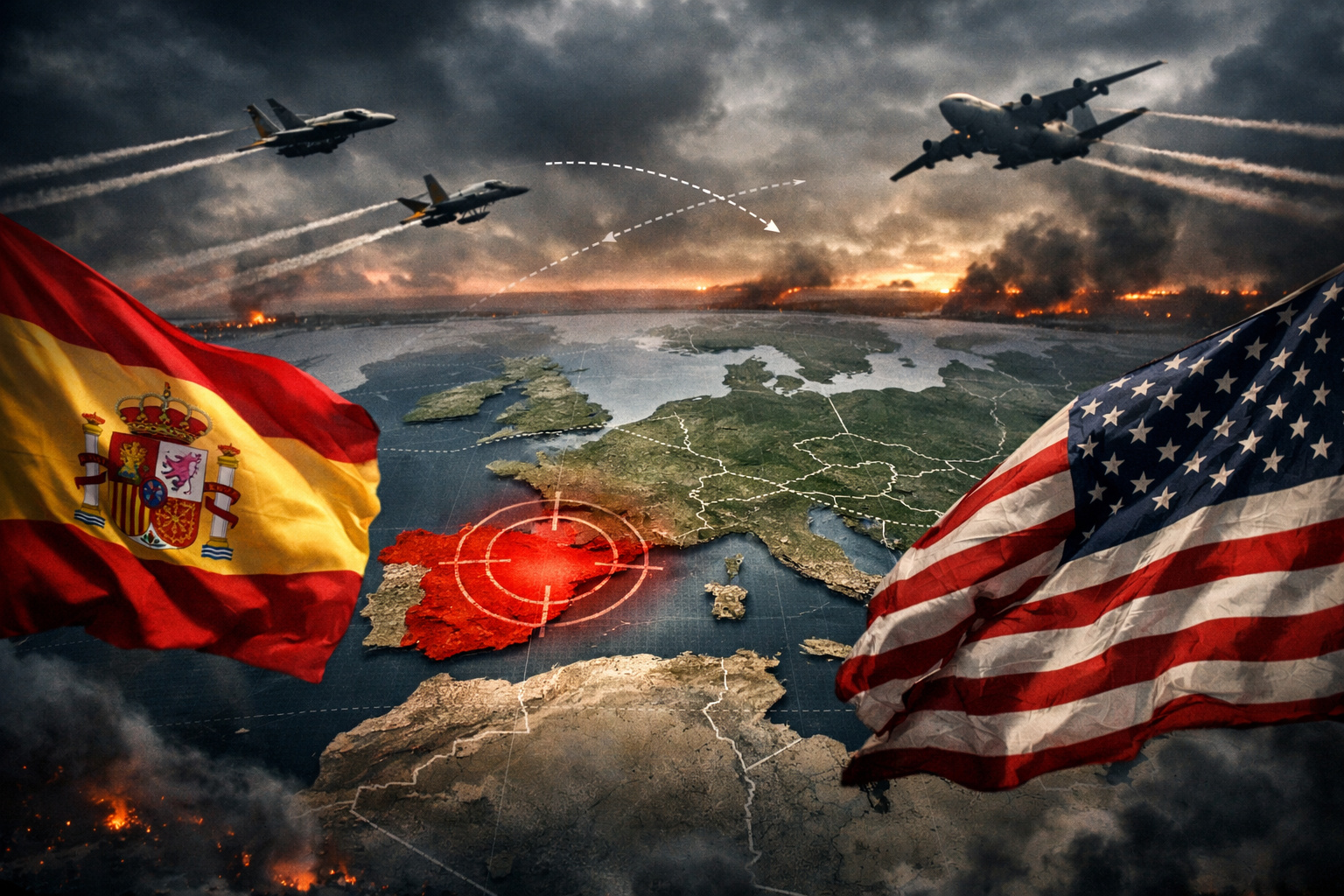
Spain challenges the USA and closes its airspace for operations against Iran, raising global tension and provoking the threat of a trade rupture.
-
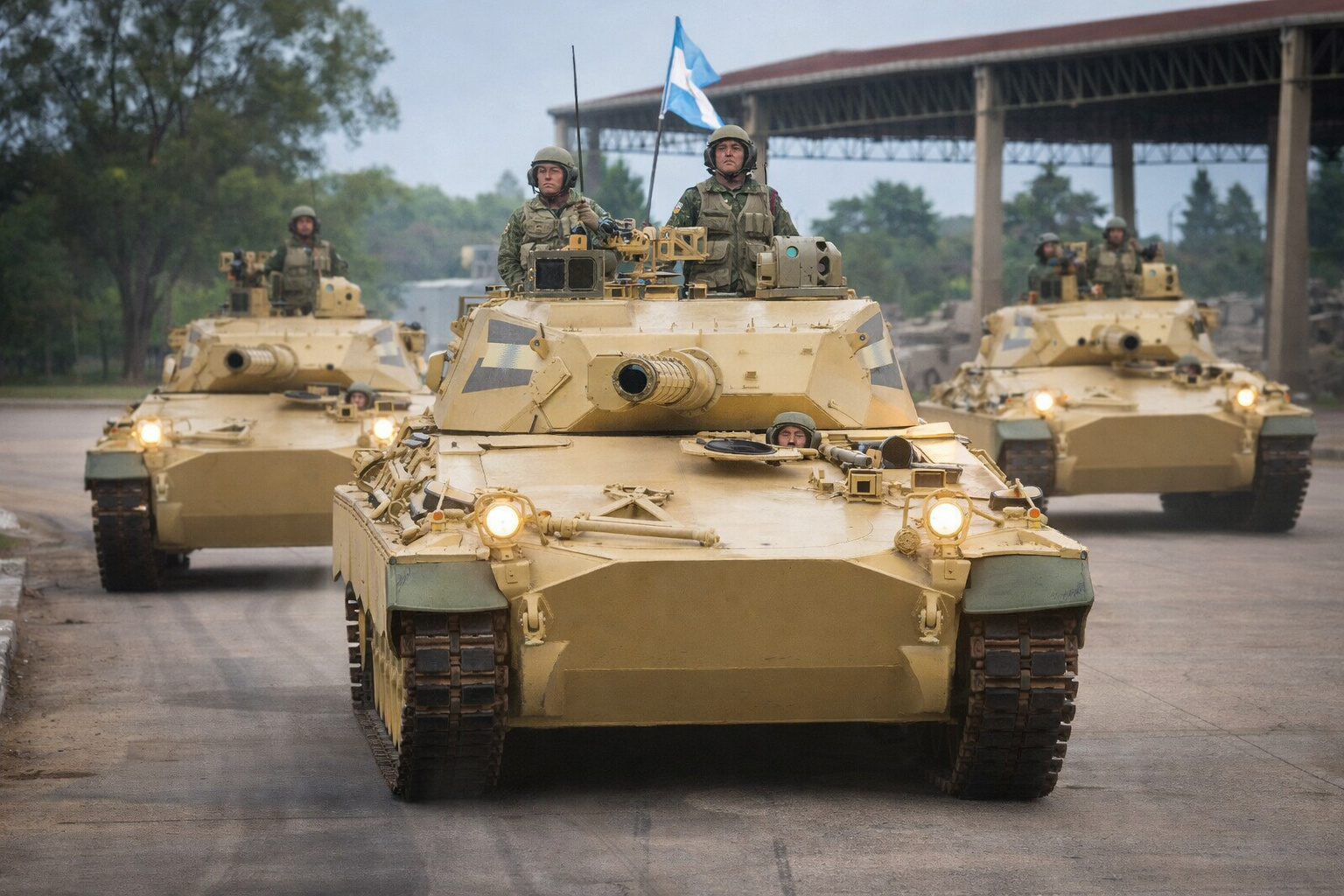
While no other country manufactures tanks in Latin America, Argentina activates the TAM 2C-A2 and raises a curiosity about the technological lag in the region.

In a statement, the military stated that the requisitions aim to ensure that, in a conflict scenario, the Armed Forces have quick access to the necessary resources for the country’s defense.
Border With Russia And Role In NATO
Norway shares a 198-kilometer land border with Russia, as well as an extensive maritime border, and plays a significant role in NATO’s surveillance operations in the Arctic region.
Global warming and the consequent melting of polar ice caps have opened new shipping routes and access to natural resources, increasing strategic disputes among global powers interested in the region.
These changes reinforce the geopolitical importance of the Arctic, now seen as a key area for military, logistical, and economic projection by different countries.
Russian Presence, China And NATO Assessment
Russia is the largest country in the Arctic, with about 2 million inhabitants in the region and a military presence considered massive, controlling approximately 53% of the Arctic coastline.
China defines itself as a “near-Arctic state” and participates in the so-called Ice Silk Road, also known as the Polar Silk Road, linked to the Russian megaproject for regional development.
Four NATO defense experts, including former commander of the United States Southern Command, Glen Van Herck, assessed that the alliance countries will take another decade to reach the level of Russian military capability in the Arctic.
Nuclear Warheads, Political Statements And Greenland
The Russian installation in Kola, near the border with Norway, hosts the largest concentration of nuclear warheads in the world, according to Norwegian authorities.
The Norwegian Minister of Defense, Tore Sandvik, stated that these weapons are not aimed solely at Norwegian territory, but also at the United Kingdom, Canada, and the United States, through the North Pole.
The former U.S. President, Donald Trump, maintained consistent rhetoric threatening to annex Greenland, stating that the world will not be safe without total control of the territory.
On Saturday, Norwegian Prime Minister Jonas Gahr Store declared that Norway’s position is firm and that the country fully supports the sovereignty of the Kingdom of Denmark over Greenland, reinforcing the official stance amid the growing geopolitical dominance in the Arctic.









Seja o primeiro a reagir!