





 Portuguese
  English
  Spanish
  4 min of reading
  0 comments


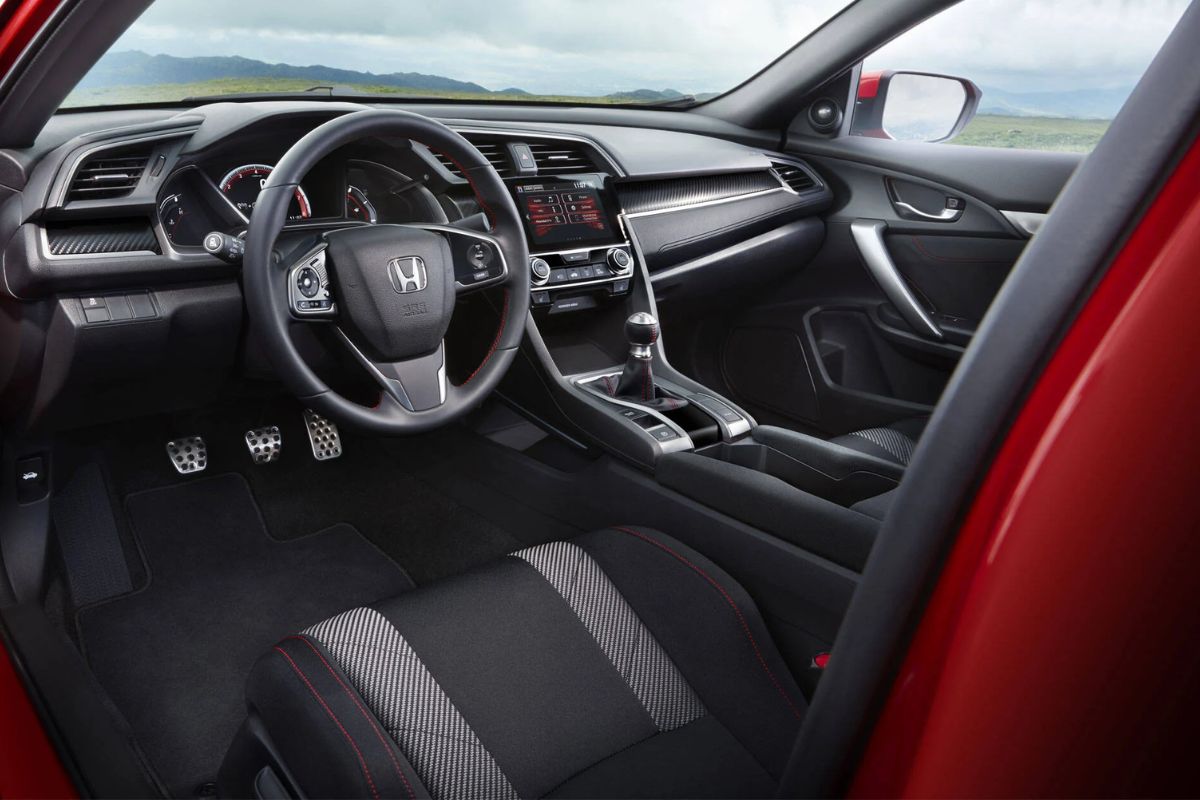
With The Increase Of Ethanol Content In Gasoline To 30%, Imported Car Owners, Especially The Older Ones With Direct Injection, Need To Stay Alert; See The List Of Models That Are Most At Risk.
The Recent Approval Of The Increase Of Ethanol Content In Gasoline To 30% Has Raised A Warning For Owners Of Various Cars In Brazil. The New Gasoline, Although It May Have Environmental Benefits, Poses A Risk To The Engines Of Vehicles That Were Not Designed To Run On A Mixture So Rich In Alcohol, Especially Older Imported Models Equipped With Direct Injection Systems.
This Change May Accelerate The Wear Of Crucial Components Such As Fuel Injectors And Fuel Pumps. Below, We List 10 Cars That, According To Experts, Will Suffer More From The New Gasoline And Will Require Extra Attention From Their Owners.
Why The New Gasoline Is A Problem For Some Cars?
Ethanol Is A “Drier” And More Corrosive Fuel Than Gasoline. Engines Designed Exclusively For Gasoline, Especially Direct Injection Ones, Have Components (Injectors, Pumps, Hoses) That Are Not Prepared For The Lower Lubricity And Higher Corrosive Power Of Alcohol In High Concentration.
-
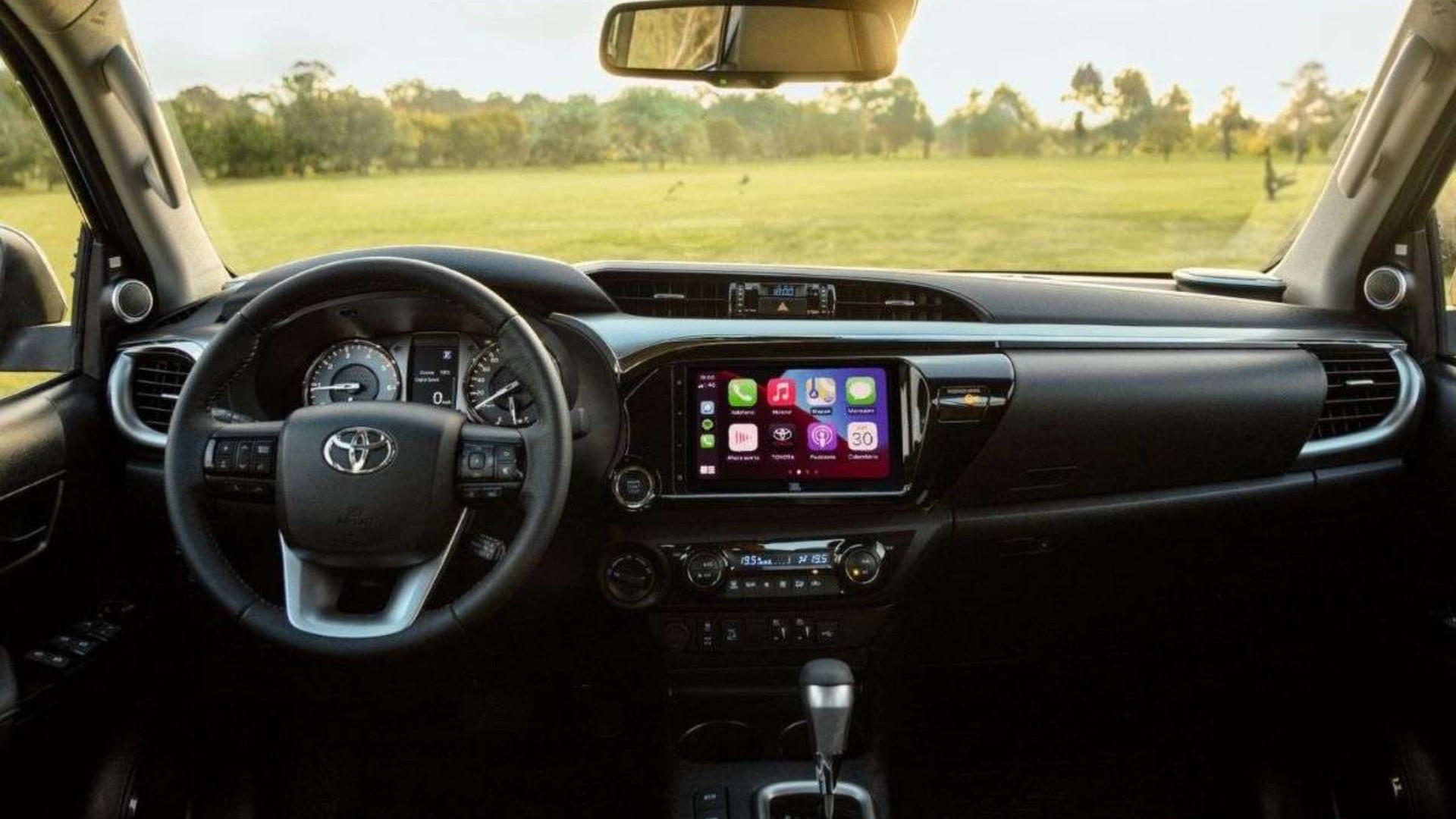
The Toyota Hilux is R$ 75.5 thousand cheaper and bets on the 2.8 turbodiesel engine with up to 204 hp and 50.9 kgfm to catch up with the VW Saveiro, which leads with 4,472 sales.
-
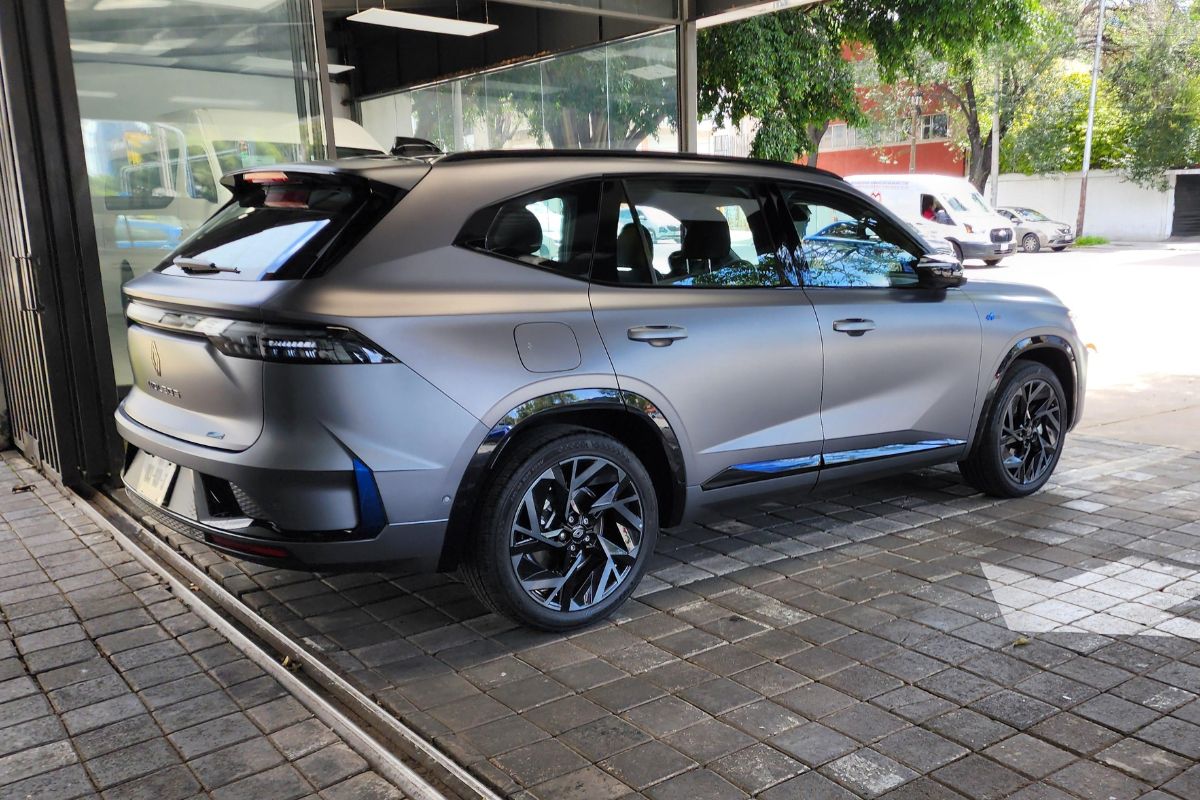
The new Renault Koleos has a screen exclusively for the passenger that is invisible to the driver, heated rear seats, and 29 assistance systems, but its Chinese competitors cost R$ 40,000 less and deliver more power.
-
The car stored for 38 years: when opening the barn door, what appears is breathtaking and looks like a scene from a movie!

-
Fiat works miracles in the Brazilian market, lowers the price of its 0 km hatch to R$ 69,990, reestablishes the model as the cheapest car in the country, and reignites the battle against Kwid and C3.
In Addition, The Electronic Injection Of These Cars Has A Correction Limit. With More Ethanol In The Mixture, The System May Not Be Able To Adjust The Amount Of Fuel Injected Ideally, Which Can Lead To Failures, Loss Of Performance, And In The Long Run, Mechanical Damage.
1. Audi S3 Sportback (2011)
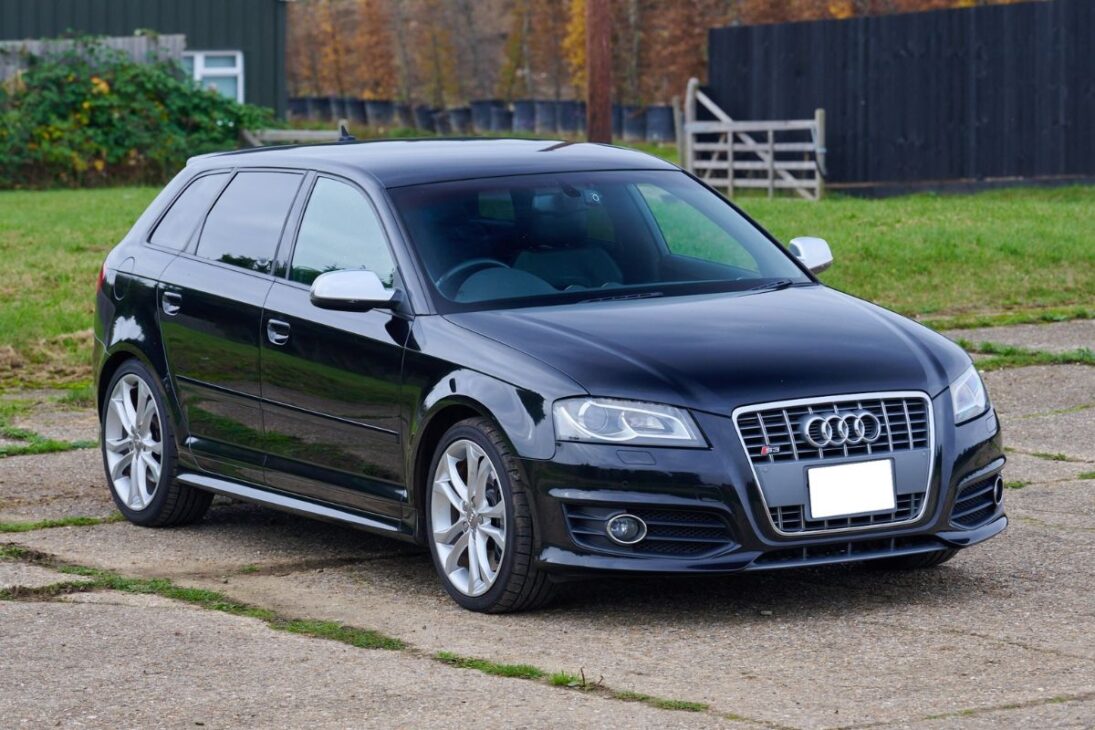
The Audi Sport Hatch, In Its 8P Generation, Uses The 2.0 TFSI (EA113) Engine With Direct Injection. Since It Is A Project That Did Not Anticipate The Use Of Ethanol, Its Entire Fuel Line Is Vulnerable To The New Gasoline.
2. BMW 320i (Until 2015)
The BMW 320i From The F30 Generation, Manufactured Until 2015, Is Equipped With The N20 2.0 Turbo Direct Injection Engine, Which Is Not Flexible. The Sensitivity Of Its Components, Such As The High-Pressure Pump, Requires Attention.
3. Mercedes-Benz C200 (2013)
Like Its Rival From BMW, The Mercedes C200 From The W204 Generation, With Its 1.8 Turbo Engine, Is Also A Model Exclusively Powered By Gasoline And With Direct Injection, Which Places It In The Risk Group.
4. Honda Civic Si (2018)
The Sporty Honda, In Its Tenth Generation, Was One Of The First Cars From The Brand With A Turbo Engine (1.5) And Direct Injection In Brazil. Since It Is An Imported Project And Not Flexible, It May Also Suffer From The New Gasoline.
5. Ford Fusion Titanium (2015)
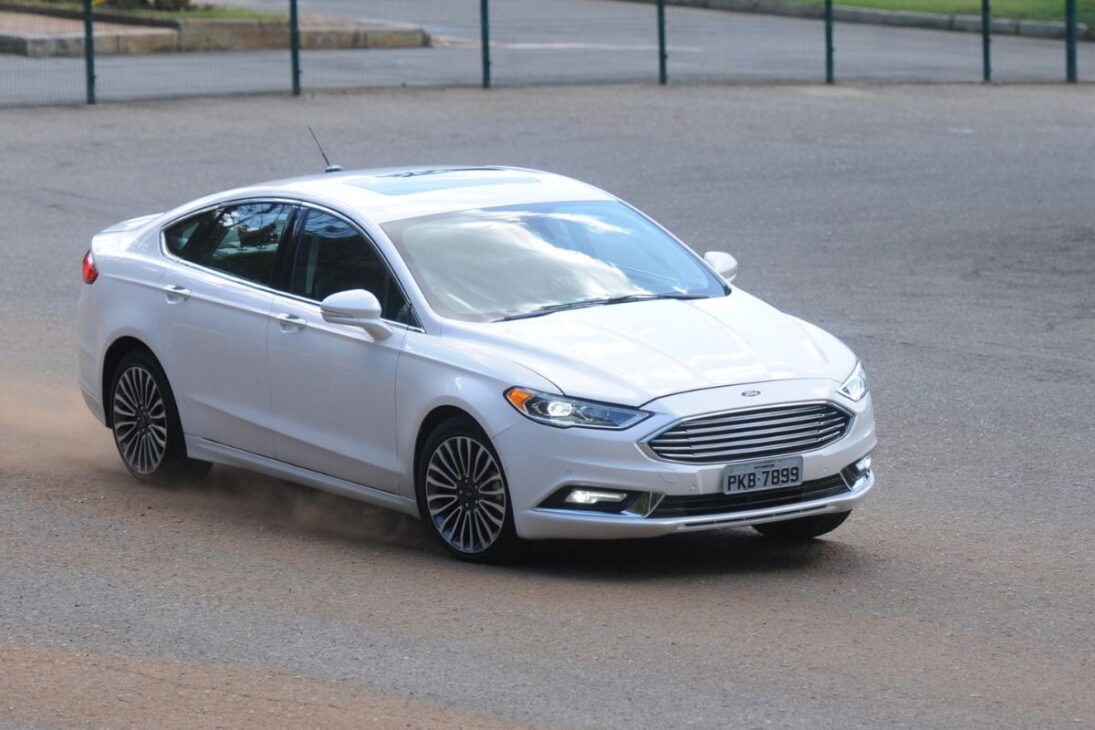
The Large Ford Sedan, Equipped With The 2.0 EcoBoost Engine, Is Another Example Of A Car With Direct Injection That Was Not Designed For Our Reality Of Fuels. Care With The Maintenance Of The Fuel Line Is Essential.
6. Volkswagen Touareg V6
The Luxurious Volkswagen SUV, In Its Versions With The V6 FSI Engine (Direct Fuel Injection), Also Makes The List. Its Six Fuel Injectors And High-Pressure Pump May Have Their Lifespan Reduced.
7. Porsche Cayman (718)
Porsche Sports Cars, Such As The Cayman With A 2.0 Turbo Engine, Are High-Performance Machines With Extremely Precise And Sensitive Direct Injection Systems. The Quality And Composition Of The Fuel Are Crucial For Their Proper Functioning.
8. Land Rover Evoque (Until 2019)
The First Generations Of The Evoque, Equipped With The 2.0 EcoBoost Engine From Ford, Follow The Same Logic As The Fusion. The Direct Injection System Was Not Designed For The High Ethanol Concentration In The New Gasoline.
9. Volvo V40 T5
The Swedish Hatchback, In Its T5 Version, Is Equipped With A 2.0 Five-Cylinder Turbo Engine With Direct Injection. It Is Another Example Of A European Project That May Suffer From Adapting To Brazilian Fuel.
10. Lamborghini Gallardo LP 550-2
Even Supercars Make The List. The Lamborghini Gallardo, With Its Naturally Aspirated V10 Engine, Has A Sophisticated Direct Injection System. The New Gasoline May Accelerate The Wear Of Its Components, Whose Replacement Has An Astronomical Cost.
What To Do To Protect The Engine?


For The Owners Of These And Other Imported Cars Running On Gasoline, The Main Recommendation From Experts Is To Seek A Specialized Workshop To Perform A Remapping Of The Electronic Injection. This Adjustment In The Engine Software Allows The Car To Adapt To The New Parameters Of The Gasoline, Ensuring Proper Operation And Preventing Long-Term Damage.
And You, Do You Have Any Of These Cars In Your Garage? Are You Concerned About The New Gasoline? Leave Your Opinion In The Comments.







-

-

-

6 pessoas reagiram a isso.