





 Portuguese
  English
  Spanish
  4 min of reading
  0 comments


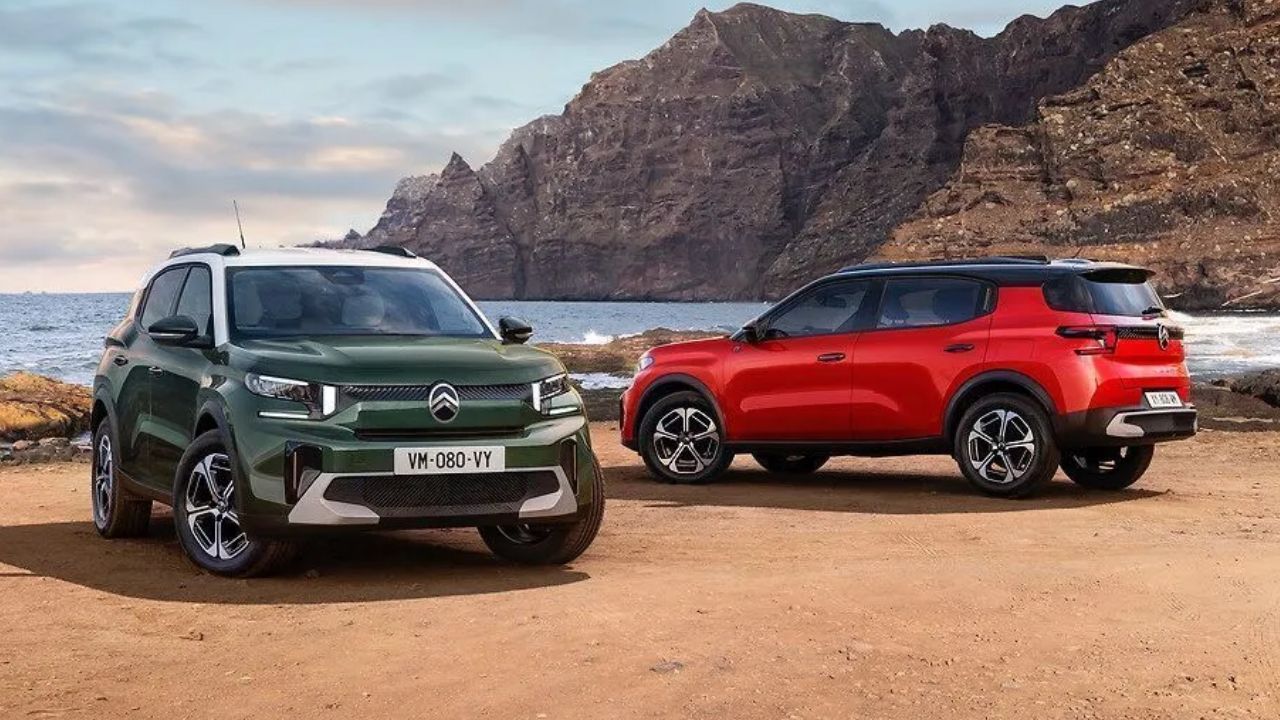
European Model, With Design and Dimensions Distinct from the National, Has Its Design Protected by the INPI and Raises an Alert About the Future of the SUV in the Brazilian Market.
Citroën Brazil took a strategic step that moves the behind-the-scenes of the automotive sector: the new generation of the Citroën Aircross, sold in Europe, has been officially registered with the National Institute of Industrial Property (INPI). The information, revealed in a document that CNN accessed, protects the vehicle’s design in national territory and raises important questions about the automaker’s future plans, which is part of the Stellantis conglomerate.
Despite the registration, it is crucial to understand that the maneuver is not a confirmation of a launch. Companies often protect their intellectual creations in strategic markets to prevent copies and secure future rights. However, the action reinforces that the model is, at the very least, on the radar of the brand’s engineering for the country, especially considering the strong product offensive that Stellantis has promoted in recent years.
The Crucial Differences Between the Brazilian and European Aircross
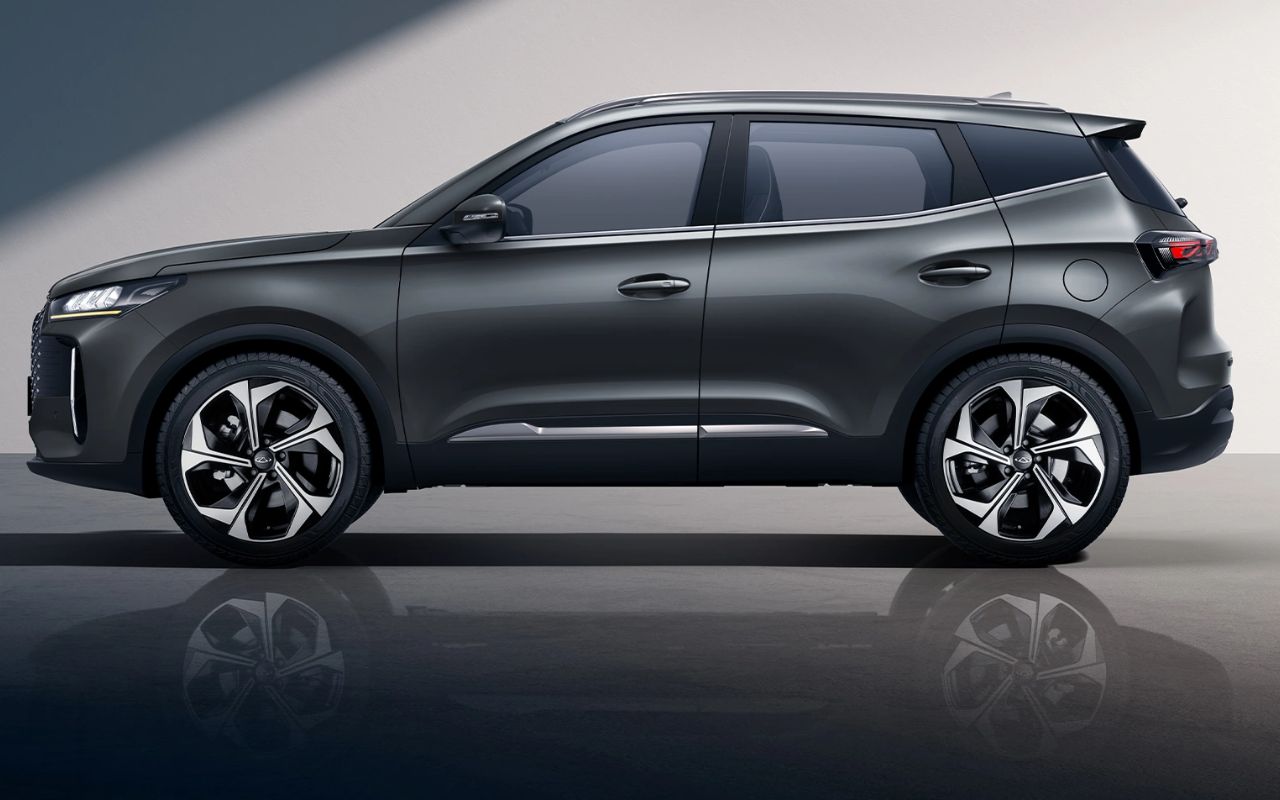
When comparing the Citroën Aircross currently sold in Brazil with the model whose design was registered, the differences are glaring and go far beyond aesthetics. To start with the dimensions: while the national SUV, launched as a project aimed at emerging markets, has 4.32 meters in length, its European counterpart is slightly larger, at 4.39 meters. This difference, although it may seem small, reflects distinct platforms and proposals.
-
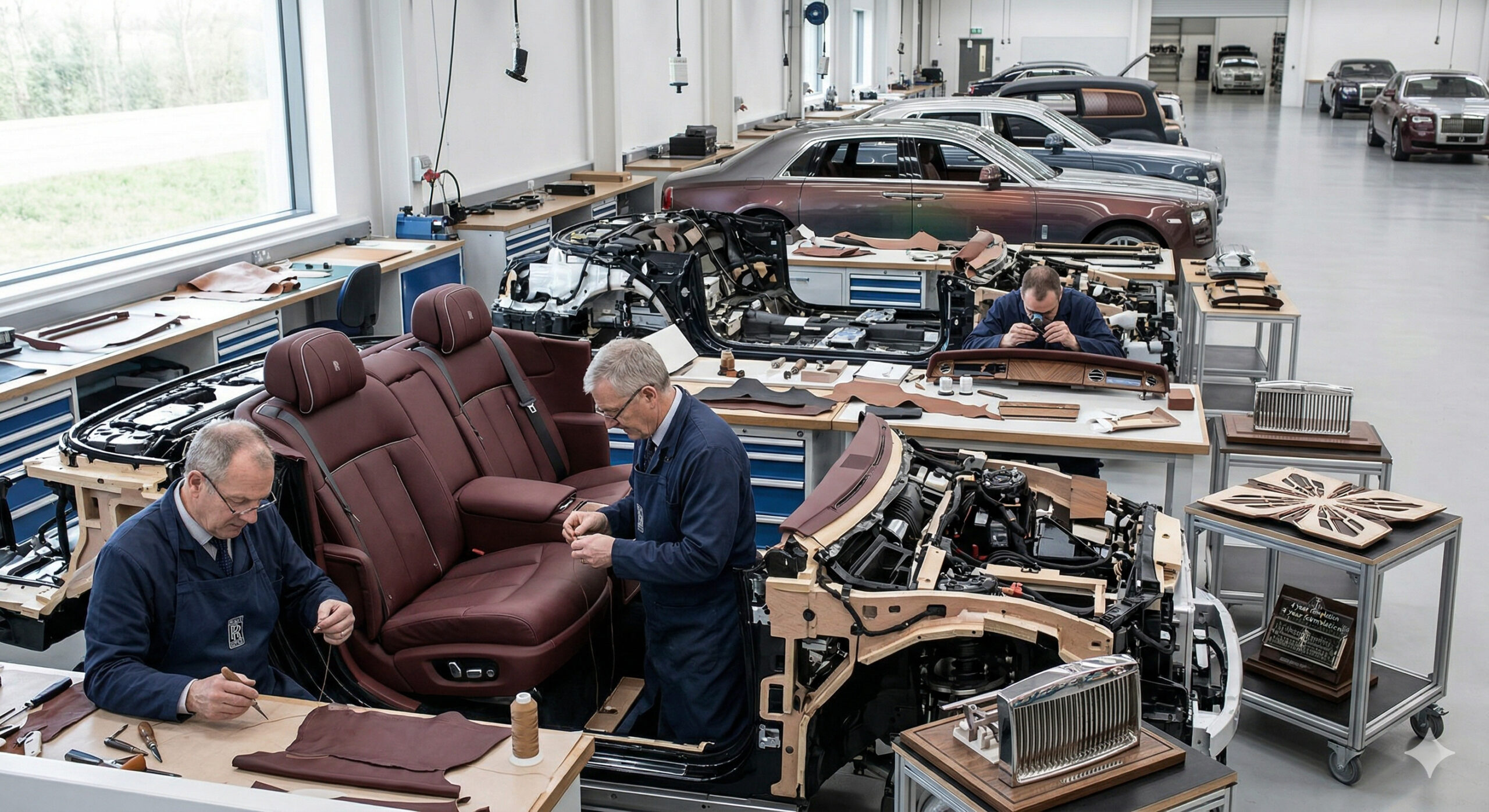
While much of the industry rushes to automate production, Rolls-Royce takes over 600 hours to hand-build each car in Goodwood and still accepts orders so complex that they can take up to four years to be completed.
-
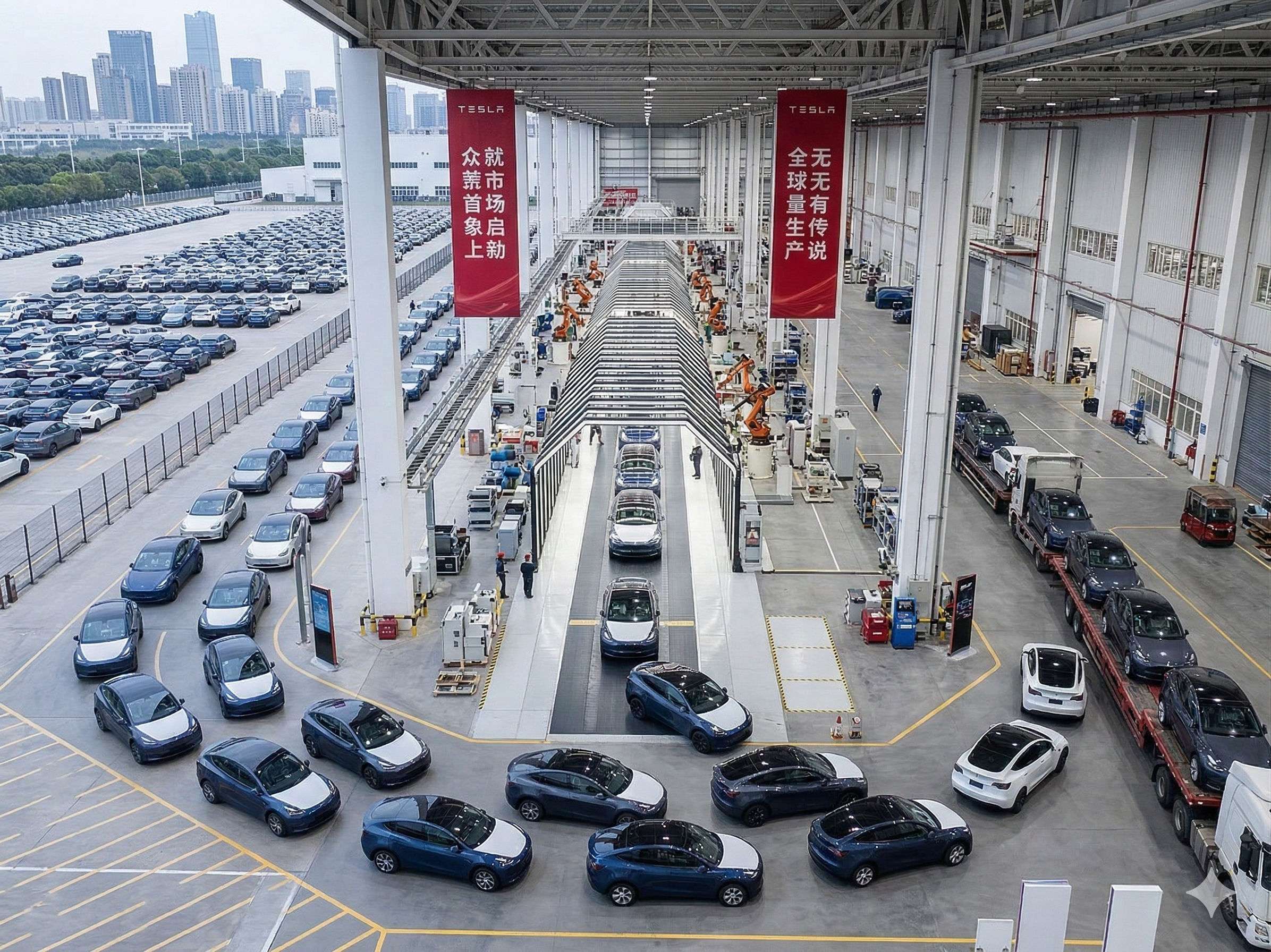
Smaller than the Model Y, lighter, with a single motor and designed to cost less than the current Model 3, Tesla’s new compact electric SUV is born in China and could seal the automaker’s return to the race for mass-market electric vehicles.
-
Kawasaki took the technology from its most brutal racing bikes, squeezed it into a 400cc 4-cylinder engine that revs to 15,000 RPM, and created the ZX-4R, a machine that shouldn’t exist in this displacement but is making experienced riders rethink everything they thought they knew about mid-range motorcycles.

-
The culture of cars that jump on the asphalt was born in the garages of Mexicans in the 1940s, was treated as a crime in the United States for decades, and has now become an official postage stamp of the American Postal Service in a twist that no one expected.

The design is another breaking point. The European model adopts a bolder visual language aligned with the brand’s latest releases in the Old Continent, featuring straighter lines and a more sophisticated lighting setup. Internally, the distinctions continue, with finishes and panels that follow different standards of requirement. Interestingly, some elements, like the air conditioning controls, maintain a similar visual identity, as reported by CNN, indicating a strategy of component sharing.
Engines and Technology: A Generational Leap
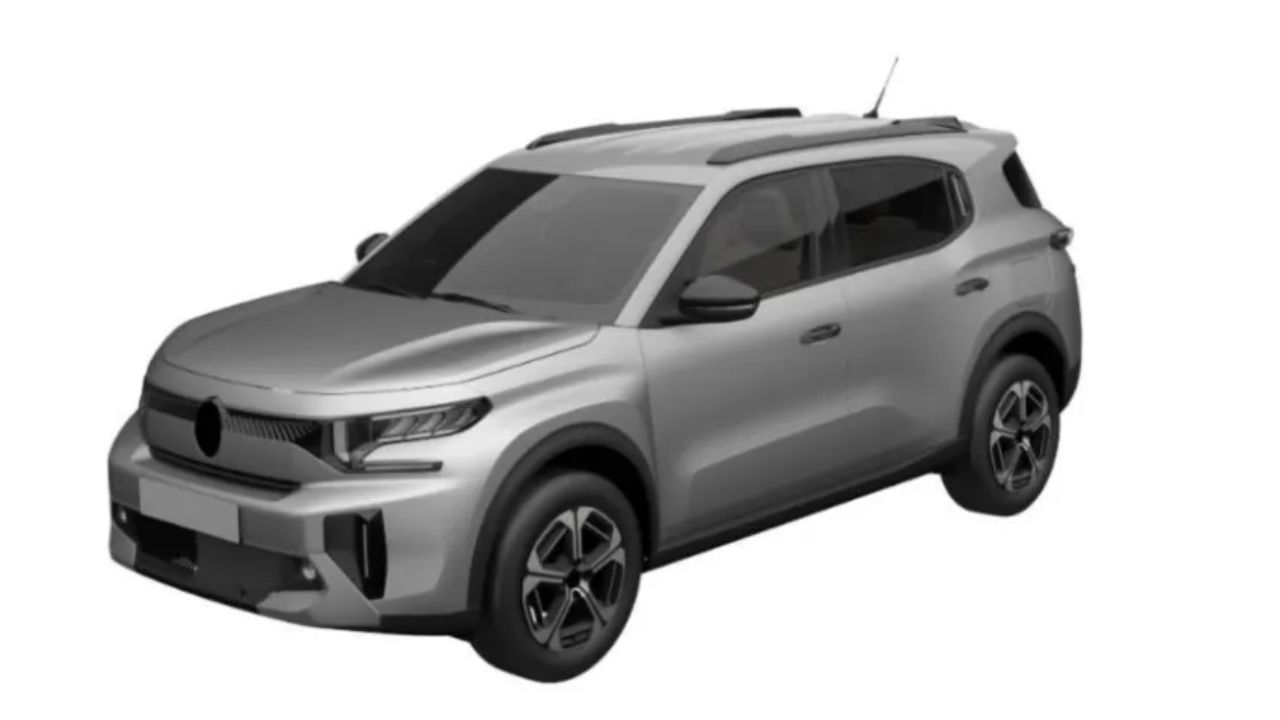
Perhaps the biggest gap between the two models lies under the hood. In Europe, the Citroën Aircross (sold as C3 Aircross) offers a modern and diverse range of engines, including gasoline, mild hybrid, and even a 100% electric variant, the ë-C3 Aircross, which promises a range of up to 400 km on a single charge. This variety meets the stringent pollutant emission standards and the growing demand for electrification in the European market.
In Brazil, the Aircross is sold exclusively with a 1.0 Turbo Flex engine of up to 130 horsepower, an efficient engine suited to the local reality, but representing only a fraction of the technological possibilities available in the European project. The arrival of a new generation, inspired by or based on the European model, could mean the introduction of hybrid systems in Citroën’s portfolio in the country, a path that the Stellantis group has already begun to walk with other brands.
What the INPI Registration Really Means?
Contacted by CNN‘s report, Citroën took a cautious stance. In an official statement, the manufacturer stated that “this type of registration is not related to the brand’s portfolio in the market at the moment”. The statement is protocol and expected since announcements of future launches follow a strict marketing schedule. The company does not confirm, but also does not rule out the possibility, keeping the door open for speculation.
The design patent registration is a protective tool. It ensures that if Stellantis decides to launch the new Citroën Aircross or a vehicle with similar visual elements in Brazil, it will have legal exclusivity over the design. It is a move that prepares the ground, either for a medium or long-term launch, or just to ensure that the visual identity of its global products is not imitated by competitors in the region.
And you, what do you think about this movement by Citroën? Do you believe that the design and engines of the European Aircross would be successful in Brazil? Leave your opinion in the comments, we want to hear what real consumers think about this strategy.








-

-

-

4 pessoas reagiram a isso.