





 Portuguese
  English
  Spanish
  5 min of reading
  138 comments





Proposal for the Civil Code Reform May Remove the Spouse from Inheritance, Change Succession Rules, and Increase Risks of Vulnerability and Family Conflicts in Brazil.
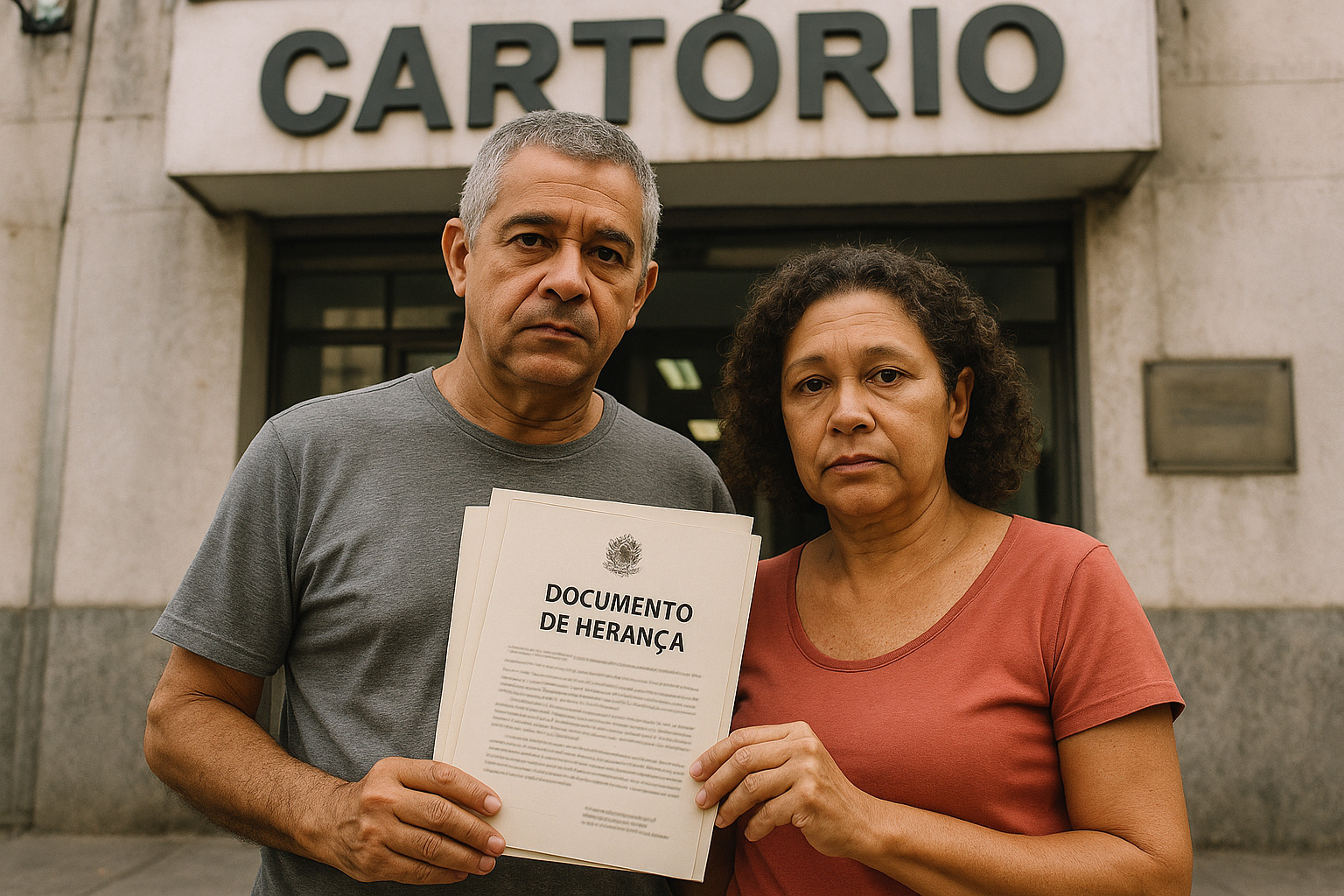
The discussion about inheritance has returned to the center of legal debate after the Commission of Jurists responsible for the reform of the Civil Code (established by the Senate in 2023) advocated for profound changes in succession rules. Among these, the most controversial: the removal of the surviving spouse from the condition of necessary heir in some cases. This change directly impacts Article 1,829 of the Civil Code of 2002, which defines the order of hereditary succession, and breaks with principles that have been established for over two decades in the Brazilian succession system.
The possible partial revocation of the current legal protection for the spouse has direct emotional, asset, and social impacts on millions of families. It is a change that affects not only long marriages but also stable unions, blended families, and couples in property regimes where the assets are concentrated in the name of only one of the partners.
Inheritance in the Current Civil Code: How Protection for the Surviving Spouse Works
The Civil Code of 2002, especially in Articles 1,825, 1,829, 1,831, and 1,845, established one of the most significant succession changes in Brazilian history. Before it, the spouse had very limited participation in succession.
-
The Chamber opens a debate on driver’s licenses at 16 years old as part of a reform that includes around 270 proposals to change the Brazilian Traffic Code and may redesign rules for licensing, enforcement, and circulation in the country.

-
The new Civil Code could revolutionize marriages in Brazil with “express divorce” and changes that could exclude spouses from inheritance.
-
Banco do Brasil sues famous influencer for million-dollar debt and intensifies debate on delinquency, risks of seizure, and direct impact on Gkay’s credibility.

-
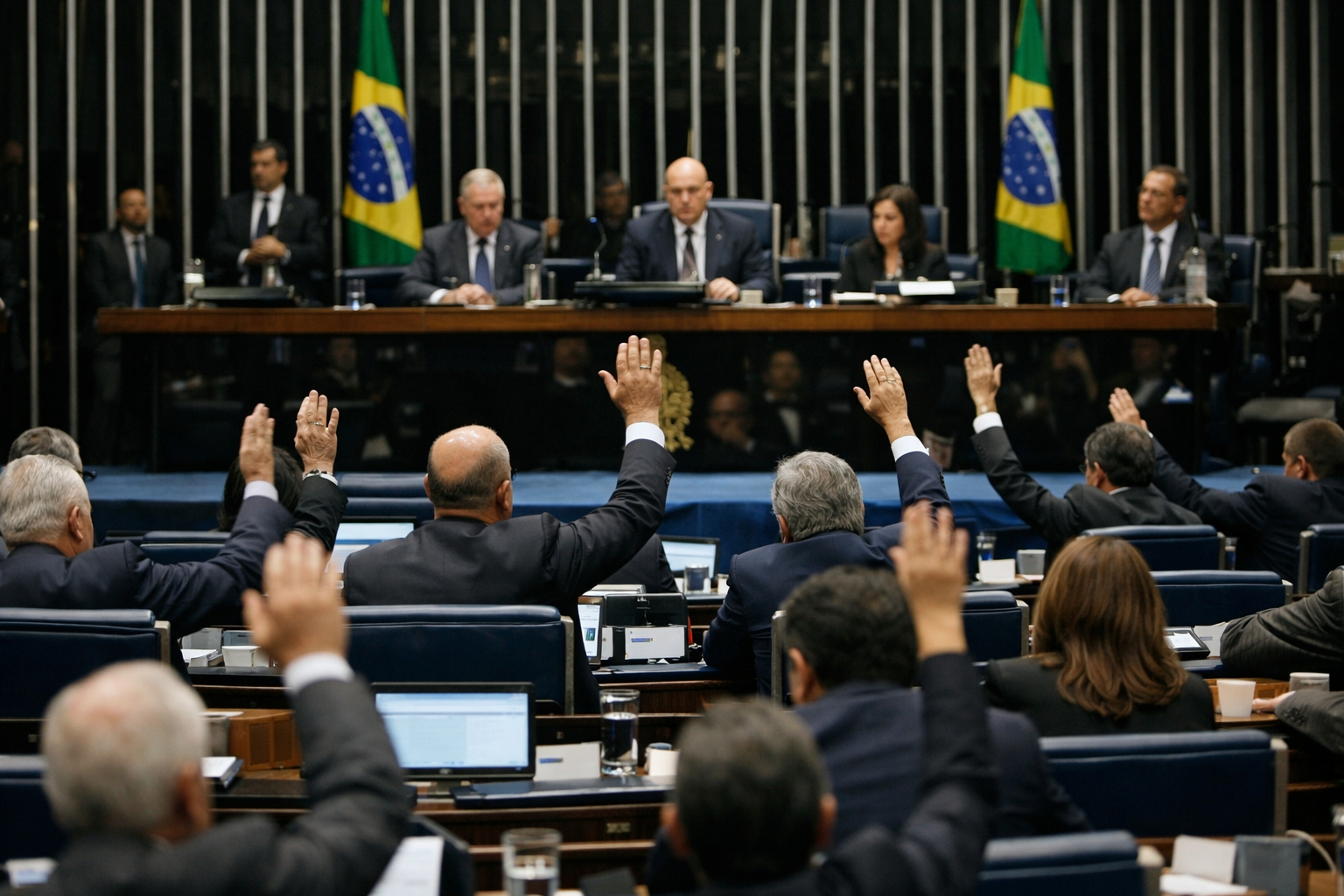
The Senate approves a bill that criminalizes misogyny, hatred, or aversion towards women, and includes the crime in the Racism Law with a penalty of up to 5 years.

With the change, the husband or wife became necessary heirs, alongside descendants (children, grandchildren) and ascendants (parents, grandparents). According to Article 1,845, necessary heirs cannot be excluded from inheritance, except for indignity or disinheritance as provided by law.
Article 1,829 states that:
- in competition with descendants, the spouse is entitled to inherit, except in certain specific regimes;
- in competition with ascendants, the spouse also inherits;
- if there are no descendants or ascendants, the spouse receives the entire estate.
This rule provided minimum asset protection and acknowledged the socioeconomic function of marriage. In many homes, especially in lower-income classes, a large portion of the assets is registered in the name of only one spouse, and without this protection, the widow or widower could be left vulnerable.
The Proposal for Reform: Spouse Loses the Status of Necessary Heir
In the studies presented by the Commission of Jurists (2024–2025), a proposal emerged that profoundly changes this logic: removing the spouse from the list of necessary heirs when there are descendants or ascendants.
In practice, the spouse would only have automatic protection in very specific situations. The division of common assets acquired during the marriage remains unchanged, as it derives from the property regime (Article 1,667). But the inheritance, which is the deceased’s private estate, could exclude the spouse.
Experts warn that if this model is approved, entire families may be caught off guard, particularly in the following scenarios:
– marriages where only one partner works and accumulates assets;
– rebuilt households, with children from only one of the partners;
– couples without a will;
– stable unions without asset formalization.
In all these cases, children or parents could inherit 100% of the assets, leaving the surviving spouse with no share of the estate beyond the division of common property, and in many cases, there may not even be a division, depending on the property regime.
Inheritance and Civil Code Reform: Practical and Legal Impacts
The most evident impact of this proposal involves asset security. Only about 2% of Brazilians have a formal will, according to data from the Notary Associations. That is, the overwhelming majority of families rely solely on the legal rules of the Civil Code. If the spouse loses automatic succession protection, the reality would be different:
• The spouse would be left without assets if the property was not in both names.
• Elderly individuals in long marriages would become more vulnerable.
• Financial dependency could leave widows and widowers unable to maintain their standard of living.
• Children from previous relationships could contest the estate, increasing litigation.
• The number of contentious probates would explode.
Tax specialists also warn that the change indirectly affects ITCMD, estate planning, and family structure.
Civil Code, Inheritance, and Planning: Why the Change May Increase Conflicts
By removing the spouse from necessary succession, any asset protection would depend on a will, prenuptial agreement, or family holding. For family law attorneys, this would generate a rush for legal regularization, but would also leave millions of Brazilians completely unprotected.
This also clashes with Article 226 of the Federal Constitution, which recognizes the family as the foundation of Brazilian society and requires the State to provide special protection. For many legal scholars, excluding the surviving spouse from inheritance would be a regression regarding the dignity of the family unit.
Why the Proposal Faces Social and Legal Resistance
Research released in 2025 by legal sector entities shows that more than 70% of the population rejects the idea of removing the spouse from inheritance. The concern is simple and direct: the surviving partner could be left with nothing, even after decades of living together.
Attorneys highlight that, in addition to the emotional aspect, the measure creates asset insecurity and violates legitimate expectations built up over the years. If the change is approved, situations like these would become common:
• Widows kept in the same property only by informal loans from the heirs.
• Legal disputes between partners and children from previous marriages.
• Litigation over investments made by the couple in assets belonging solely to the deceased.
• A significant increase in actions for recognition and dissolution of stable unions post-death.
The greatest fear is that the absence of mandatory legal protection will create vulnerability in a country where marriage still underpins a significant portion of domestic economic security.
The Future of the Civil Code Reform and What May Still Change
The final text is not yet finalized. The draft bill is still under debate in Congress and may undergo changes before becoming law. Family law sectors, judges, public defenders, and elder protection entities are pressing to ensure that the spouse remains a necessary heir, perhaps with adjustments, but without entirely losing protection.
Experts propose alternatives such as:
• keeping the spouse as a necessary heir but redefining percentages;
• creating different rules according to the property regime;
• ensuring minimum protection in cases of financial dependency;
• preserving the real right of habitation (Article 1,831).
Meanwhile, there is a growing recommendation for families to start discussing wills, preventive inventories, and asset regularization.










Mais uma barbaridade desta tão chamanda lei brasileira, que não protege em nada ao cidadão. Isso deveria ser automático! Na falta do parceiro, é o óbvio que os bens fique com a parceira que aos longos dos anos trabalhou e ajudou a construir. O trabalho sendo dentro ou fora de casa, ele foi nescessário para acumular os bens. Isso é uma maldade o que vocês guardiões da lei querem fazer. Eu convivo com o meu cônjuge a 39 anos e juntos criamos 3 filhos. Seria mais que normal o que construimos juntos, fique com ela.
DE QUEM É MESMO ESSA IDEIA. Haaá!!! Juristas? Pelo amor de Deus. A legislação que deve ser reformada é a penal. Só estava faltando isso para completar a vida da mulher, ficar excluída do patrimônio que ajudou o marido a adquirir. A essa altura a “outra” (quando for fato) vai findar tendo mais direito do que a mulher que cuidou diariamente dele (dano moral pelo tempo perdido, daí vai ter que abrir mão de algum patrimônio para reparar o dano, rsrs, tô rindo mas o caso é serio). Neste país pode um monte de coisas estranhas!!!!
Se regularizar assim, vamos ver a existência ou ausência de amor desses homens e mulheres em busca de enriquecer as custas de patrimônio já construído.