





 Portuguese
  English
  Spanish
  3 min of reading


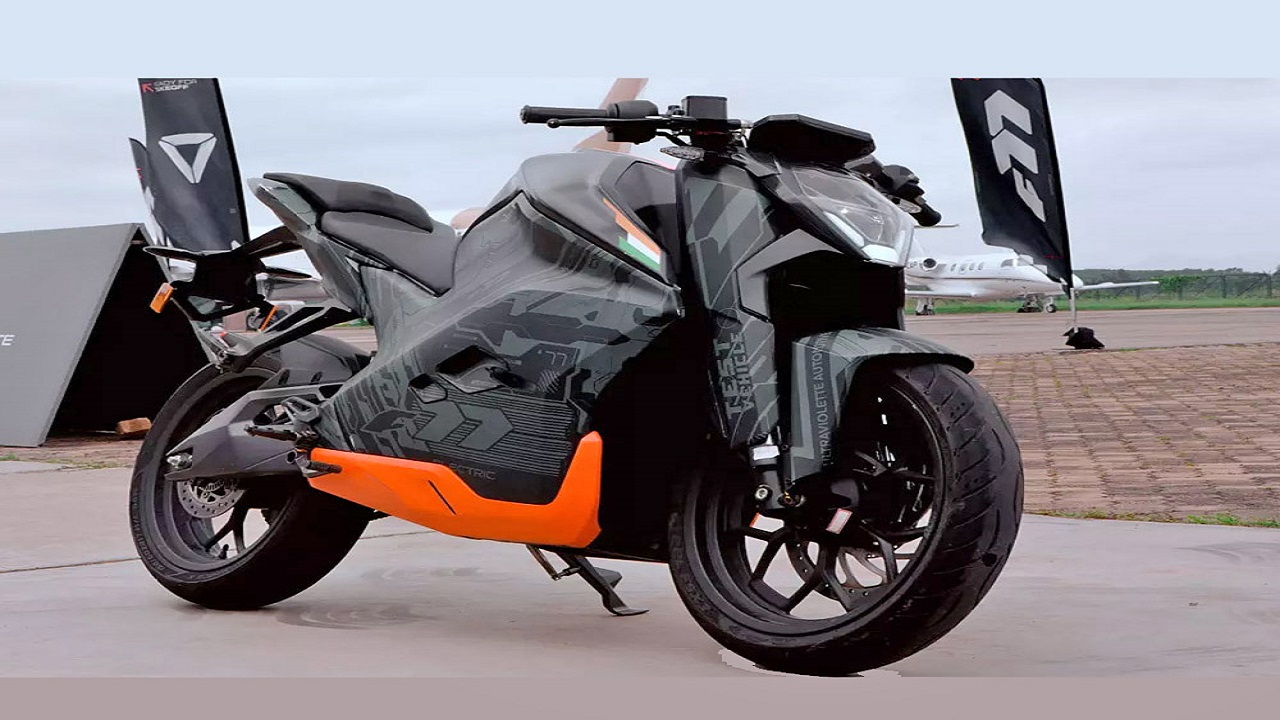
Company Based In India Develops New Electric Motorcycle With A Range Of 300 Km. The Vehicle Called Ultraviolette F77 Will Hit The Streets By The End Of This Year.
The limited range and long battery recharge time are still major issues for those planning to buy an electric car or motorcycle. Therefore, several brands are investing in new technologies and products. The latest innovation promises a model with over 300 km of range without needing to plug in. The model is named Ultraviolette F77.
Ultraviolette F77 Electric Motorcycle Is Equipped With A Fixed Battery Of 10.5 kWh


The vehicle is produced by Ultraviolette, based in Bangalore, India. This mobility startup announced its electric model Ultraviolette F77 during the first “Battery Day” event at its production facility this October.
The main differentiator of the electric motorcycle is its impressive range of 307 km on a single charge. Additionally, the company showcased the new model in production specifications without the bodywork, revealing the revised frame, swingarm, and newly created battery.
-
The German economist Wolf-Peter Schill has no doubts: “Electric cars are already far superior to cars with internal combustion engines.”

-
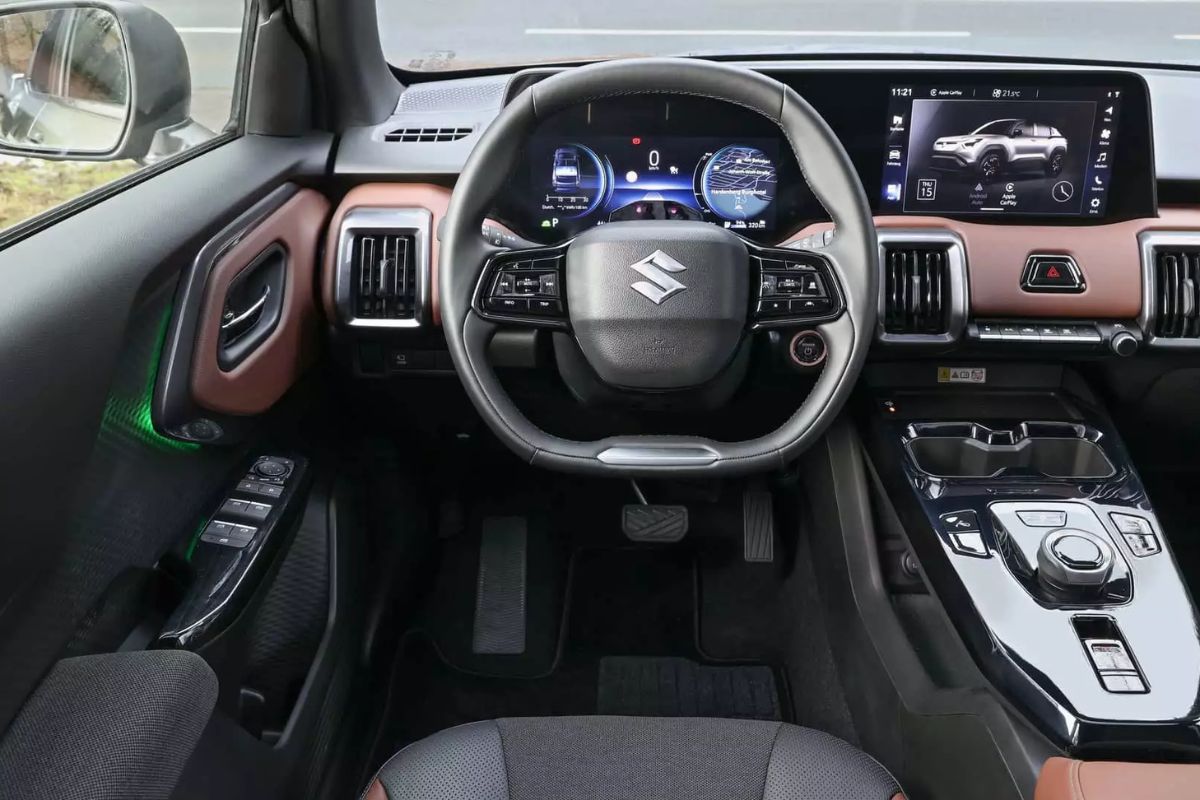
The 2026 electric Vitara arrives in Brazil and proves that Suzuki is not leaving: 4×4 traction, 184 hp, 61 kWh LFP battery, 293 km range, R$ 259,000, and a trunk capacity of 224 L.
-
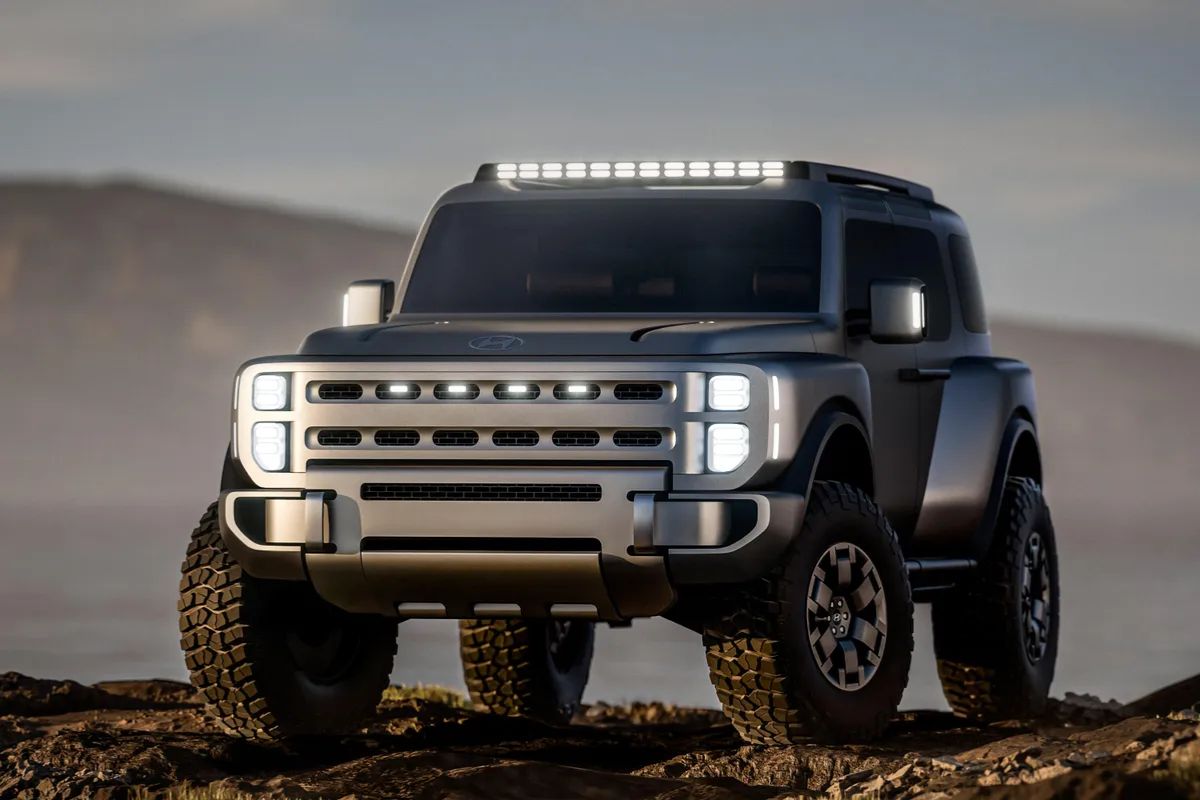
Hyundai has unveiled the Boulder, a square SUV with a body-on-frame design, 37-inch mud tires, and carriage-style doors that seems to be made to take on the Ford Bronco and the Scout Traveller in the United States.
-
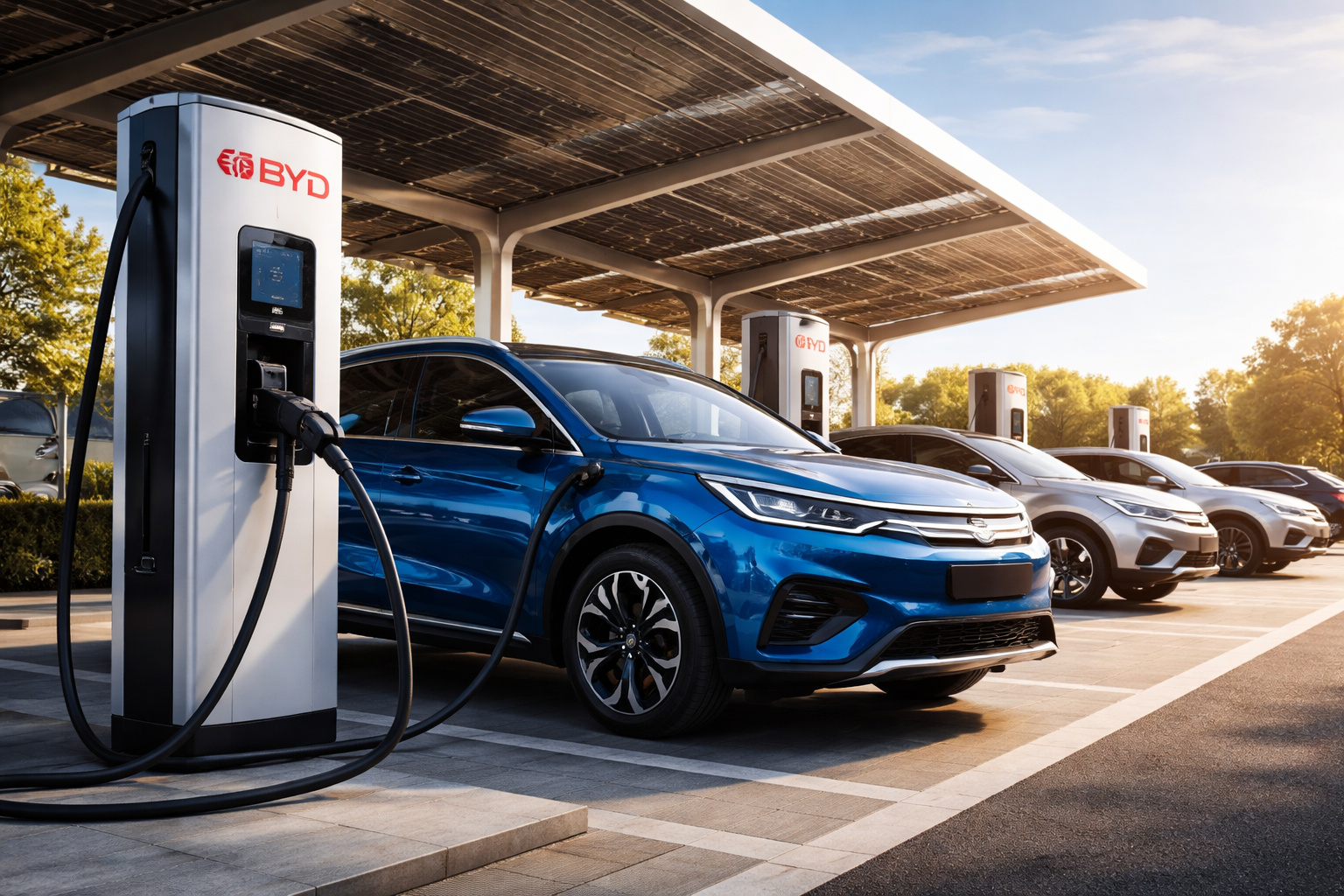
Largest public charging network in Brazil: BYD reaches 125 fast chargers and accelerates national expansion of electric mobility.

It is worth mentioning that this is the second generation of the Ultraviolette F77, now equipped with a fixed battery of 10.5 kWh. According to the brand, the promise is a battery capacity 2.5 times greater than the previous unit.
Thus, the model effectively has the largest battery capacity of any electric vehicle on two wheels in India. For those who are unaware, when the first generation of the electric motorcycle debuted in 2019, it had a range of only 150 km. According to Ultraviolette, the leap in range was due to research and a new design for the energy storage unit.
Electric Motorcycle Expected To Hit The Market By The End Of This Year
The new battery, which offers better range, now also features an aluminum casing. However, the weight of the component has also increased to 50 kg. In comparison, the first-generation version of the motorcycle had three portable and removable batteries; now it has just one fixed battery.
The real-world performance of the new F77 is yet to be seen; however, the company is targeting the 300 – 400cc sector for the model. It’s important to mention that the first generation of the electric motorcycle delivered the equivalent of 9 kgfm of torque and a range of 33 horsepower.
For this new model, pre-orders for the F77 start on October 23, while the launch will happen on November 24. The company plans to start deliveries of its vehicle by the end of this year. The startup is supported by the Indian brand TVS, a partner company of Dafra in Brazil. Therefore, the new brand will have assistance in organizing its first testing center in the Indian city before expanding to other cities in the next 12 months.
The brand also plans to begin exports to other markets in the next two years. According to Ultraviolette, since the first model debuted in 2019, the company has already received over 70,000 reservations from 190 countries.
Brazilian Electric Motorcycle May Reach 400 Km/h
The long-awaited Brazilian electric motorcycle that uses niobium to achieve incredible 400 km/h had some information revealed recently. The vehicle is the result of a partnership between the Brazilian Company for Metallurgy and Mining (CBMM) and Lightining Motorcycles.
In the released material, the company responsible for producing electric motorcycles claims that Brazilian niobium has been used in various components, including the disc brakes, charging module, chassis, among others. The project aims to enable the vehicle to break the 400 km/h barrier.








Seja o primeiro a reagir!