





 Portuguese
  English
  Spanish
 4 min of reading


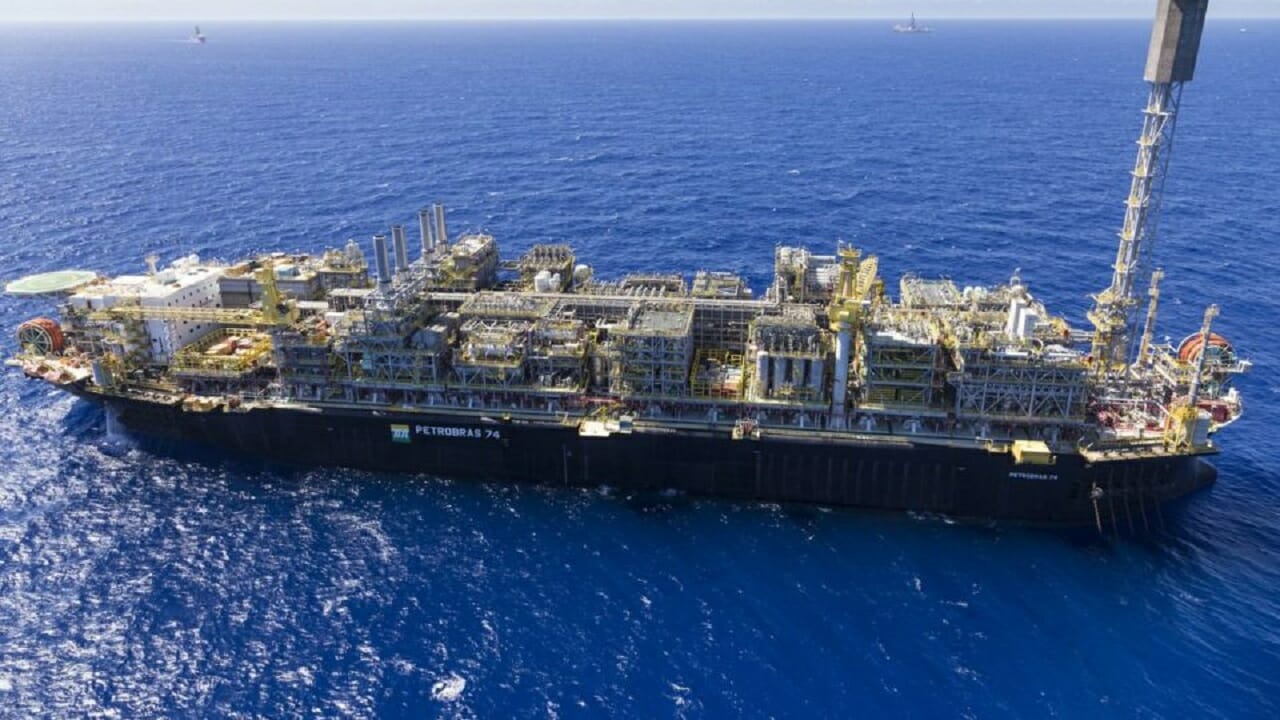
Benefiting Four Brazilian States, the Implementation of New Oil Platforms Promises to Generate Over 20,000 Job Positions, We Separated Some of the Most Requested Positions, Check It Out!
The oil and gas sector has always played a crucial role in the global economy, driving growth and energy sustainability. With technological advancements, companies in the sector are investing in new oil platforms, promising to boost production and simultaneously create thousands of new jobs.
One of the biggest beneficiaries will be Rio de Janeiro, which is expected to receive 19 of the 23 production units planned by Firjan. Throughout this article, we will explore the impact of the new oil platforms on the job market and discover which positions have the most job openings available for working on oil platforms.
The Current Landscape of the Oil and Gas Market
Before we address the jobs generated by the new platforms, it is important to understand the current landscape of the oil and gas sector.
-
Inflation in March reaches 0.88% according to IBGE and pressures the Brazilian economy, impacting family budgets and requiring more strategic decisions to maintain financial control.

-
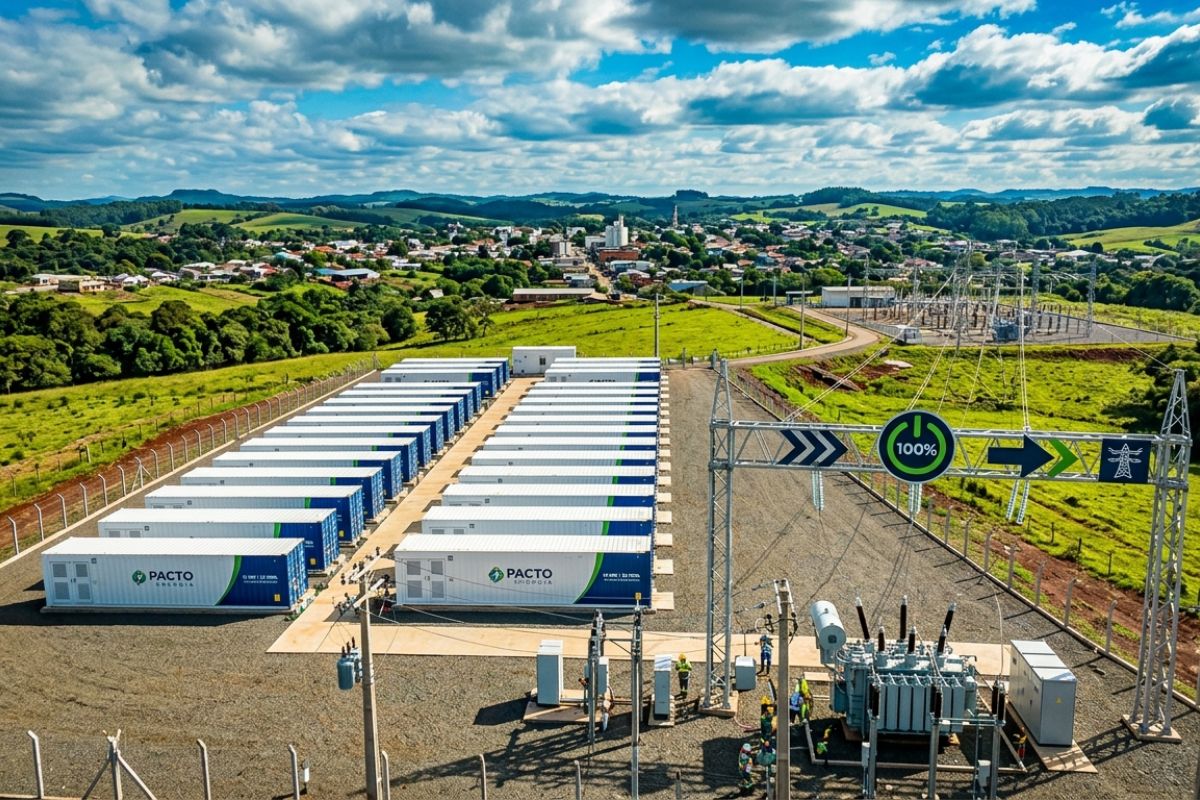
In Paraná, distributor Pacto connects 100% of the load in Coronel Vivida to batteries: a BES of 10 MW and 20 MWh costs just over R$ 30 million and lowers the local tariff now.
-
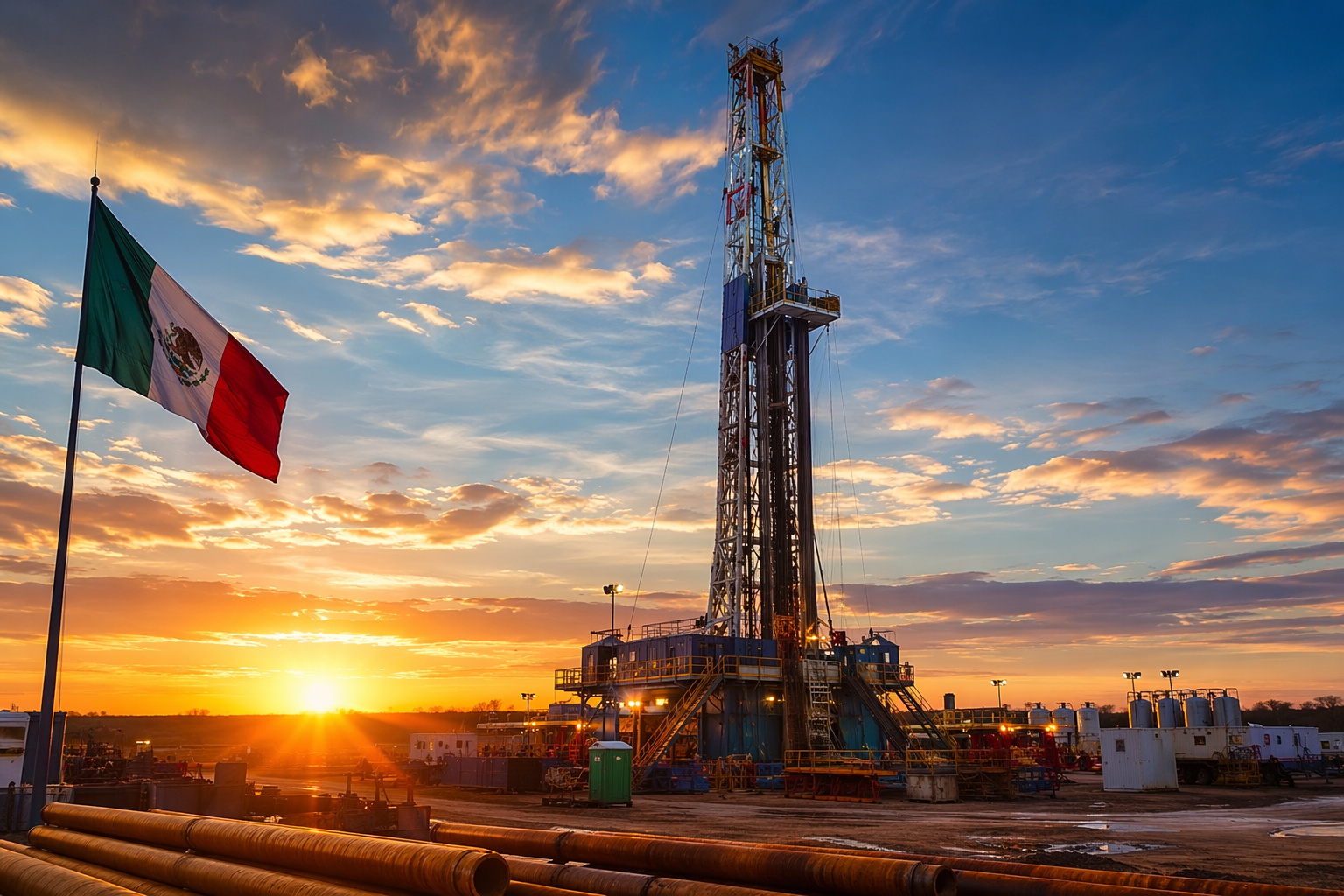
With a dependence of up to 80% on gas imported from the United States, Mexico is responding with a robust energy strategy, betting on shale gas, creating a scientific committee, and preparing to expand natural gas production to reduce vulnerability and strengthen its energy security in the coming years.
-
The United States proposes to Brazil a critical minerals agreement with a minimum price to combat Chinese dumping and priority for investment, but the Planalto is blocking the signing out of fear of upsetting China and due to electoral calculations in a year of competition.

Global energy demands continue to grow, and oil exploration and production play a vital role in meeting these needs. However, the oil and gas industry faces many challenges, such as the transition to cleaner energy sources and the volatility of oil prices.
To meet the growing demands and overcome sector challenges, companies have focused on technological innovations in oil platforms. These new platforms are designed to improve efficiency, reduce operational costs, and minimize environmental impact. The use of advanced technologies, such as automation and artificial intelligence, has been a growing trend in offshore operations.
Job Creation in Oil Platforms
The Federation of Industries of Rio de Janeiro, Firjan, believes that around 21,000 jobs will be created in the next five years (2023 to 2028) in Brazil with the implementation of these projects.
In addition to Rio de Janeiro, which will receive 19 production units, the states of São Paulo, Sergipe, and Espírito Santo will also be awarded an additional 4 units, with two in Sergipe and the other two divided between São Paulo and Espírito Santo, totaling 23 production units initially planned by Firjan.
The new oil platforms promise to open a range of job opportunities, from highly specialized technical positions to management and operations roles.
Numerous job positions may arise throughout the deployment of these production units, benefiting professionals at various levels. According to a survey conducted by Firjan in 2022, the job positions with the highest demand in companies operating in the oil and gas market for professionals with higher education were as follows:
- Mechanical Engineering;
- Chemical and Electrical;
- Administration;
- Economics and Accounting.
Meanwhile, the job positions with the highest demand for technical professionals were:
- Mechanical Technician;
- Electronic Technician;
- Mechatronics Technician;
- Automation and Electrical Technician.
Salaries
Based on data from the General Register of Employed and Unemployed (Caged), Firjan conducted a survey in June this year and found that the average admission salaries in the extraction sector reach R$ 13,685, which is considerably high and can attract qualified and experienced professionals to the sector.
The increase in the average admission salary in the extraction sector is positive news and reflects the impact of new platforms and technologies on the job market.
This increase in salaries can be attributed to several factors, such as the fact that the new oil platforms are demanding highly specialized professionals, such as engineers, maintenance technicians, and automation specialists, who are essential to operate and maintain the facilities efficiently and safely.
These professionals usually possess advanced technical skills and significant experience in the sector, justifying the higher salaries.
Challenges in the Sector
Despite the positive job prospects generated by the new oil platforms, the industry also faces some significant challenges, such as the transition to cleaner energy sources and societal pressure for a more sustainable future, which may affect future oil demand. The result of this: companies may need to rethink their long-term strategies and adapt to an ever-evolving energy landscape.
The new oil platforms are driving the oil and gas sector, creating job opportunities in various areas, from engineering and technology to sustainability and geology. These technological advancements not only increase operational efficiency but also pave the way for a more sustainable industry, not to mention that it also generates new job positions, ensuring continuous job generation.
However, the transition to a cleaner energy future presents challenges for the sector. Companies must be prepared to face these challenges, seizing opportunities for innovation and growth, while seeking ways to adapt to a constantly changing energy demand.








Seja o primeiro a reagir!