





 Portuguese
  English
  Spanish
 3 min of reading


Yesterday (14), the ANP and the Government of Rio de Janeiro Signed an Agreement to Enhance Oversight of Royalties and Special Participation Payments in Oil Exploration
On this Monday (06/14), the Government of Rio de Janeiro and the ANP – National Agency of Petroleum, Natural Gas and Biofuels – signed a cooperation agreement to enhance oversight of royalty payments and special participation on the production of oil and gas in the state. Also see: National Agency of Petroleum (ANP) Conducts Joint Operation in Rio de Janeiro to Investigate Complaints at Fuel Stations; 17 Nozzles Were Sealed
- OceanPact Seeks Professionals With and Without Experience for Job and Internship Openings in Rio de Janeiro
- New Intelbras Factory to Be Built in Santa Catarina State. R$ 40 Million Will Be Invested and 120 Jobs Could Be Created
- Petrobras Sells Onshore Oil Field in Sergipe – Alagoas Basin
- Centec Opens Applications for 700 Vacancies in 8 Free Online Courses in Ceará
- Troller Factory May Be Transferred to Porto do Pecém Due to Graphene Production
Agreement Between the ANP and the Government of Rio de Janeiro
In a statement to the press, the Government of Rio de Janeiro clarifies that the agreement with the ANP defines parameters to improve the methodology for overseeing compensatory revenues from oil and gas exploration in Rio. The State Finance Secretariat (Sefaz-RJ) estimates that the state of Rio de Janeiro may have lost about R$ 10 billion in special participation tax collection over the past ten years.
The execution of the agreement between the ANP and the Government of Rio de Janeiro fulfills a determination from the Federal Supreme Court (STF) and occurs amid the work of the Parliamentary Inquiry Commission (CPI), established by the Legislative Assembly of the State of Rio de Janeiro (Alerj) in March, regarding the drop in revenue from oil recorded at the beginning of 2021. In the first two months, the state collection of royalties and special participations totaled R$ 2.57 billion, about R$ 800 million less than was recorded in the same period of 2020.
-
Petrobras evaluates suspension of sales to distributors and considers canceling the cooking gas auction following guidelines from the Federal Government.
-
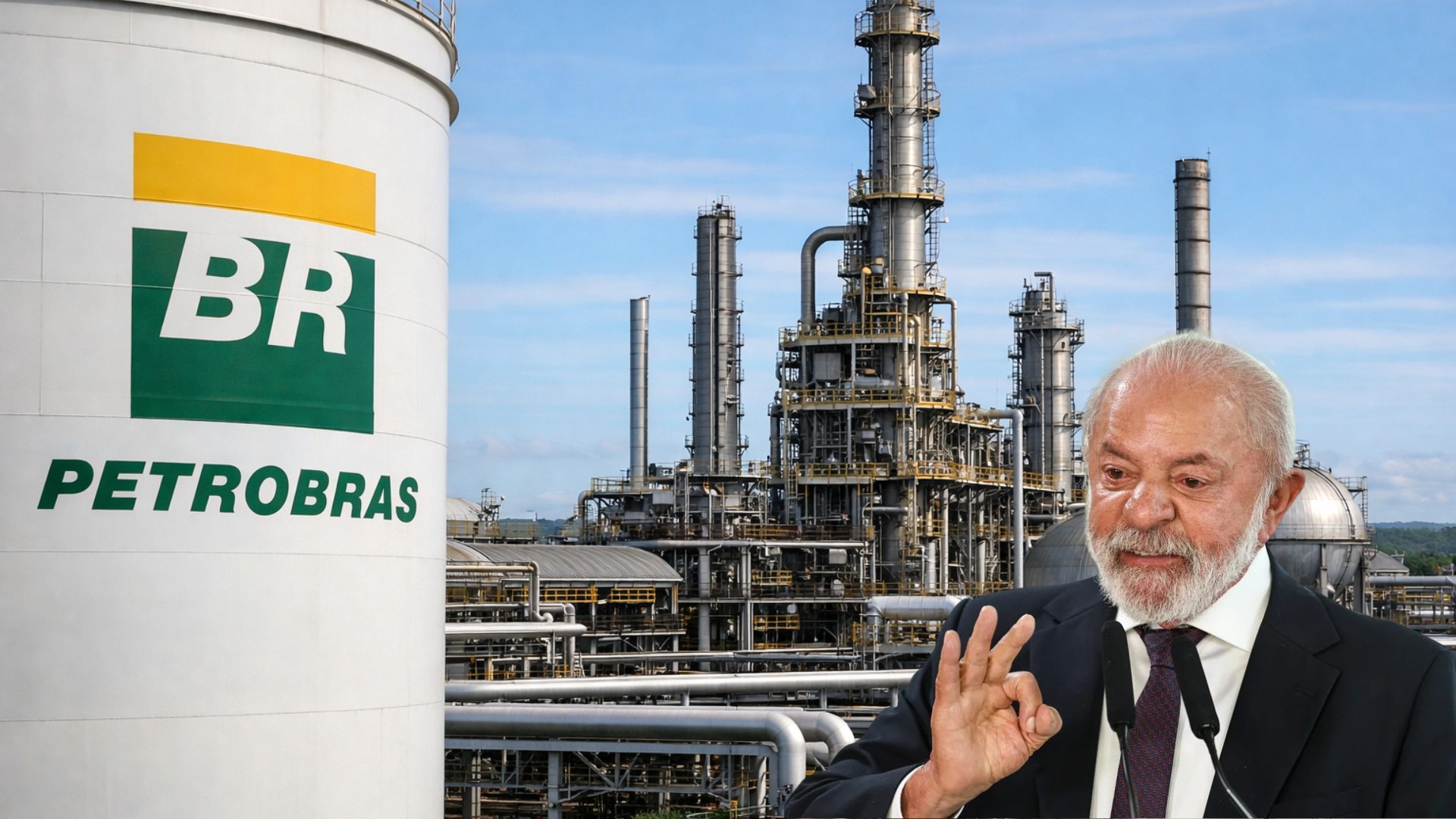
Lula reveals a masterstroke by Petrobras to undo a deal made by Bolsonaro, which involves the return of an important refinery that currently produces less than half of what was expected and makes Brazil dependent on international diesel.
-
A study confirms that the natural gas sector will reduce greenhouse gas emissions in Brazil by 0.5% and accelerate the energy transition by 2026.

-
Petrobras implements a severe adjustment and confirms a 55% increase in the price of aviation kerosene with a proposal for installment payments for the companies.


The Signing of the National Agency of Petroleum, Natural Gas and Biofuels and the Government of RJ
The signing ceremony of the agreement for the oversight of oil and gas between the ANP and the Government of Rio de Janeiro took place yesterday, Monday, at the Tiradentes Palace, headquarters of the Alerj. Among other authorities, present at the meeting were the Governor of Rio, Cláudio Castro, and the president of the Alerj, deputy André Ceciliano (PT).
The expectation of the ANP is that the agreement will increase the capacity for auditing deductible expenses declared by the concession holders regarding the oil and natural gas producing fields.
Also See: Discrepancies Between the ANP and Petrobras
The ANP and Petrobras have had a year-long dispute over the collection of special participations on the Tupi field (formerly Lua), the largest in the country, among a few other pre-salt fields. The discrepancy directly impacts the coffers of Rio. The regulatory body believes that Lula and Cernambi technically constitute a single field, while the state-owned oil company claims they are two different reservoirs.
This discrepancy between the ANP and the state-owned company has direct implications for the collection of special participations – extraordinary financial compensation owed by producers and that applies only to fields with large production volume. The collection of special participations is based on the net revenue of each field’s quarterly production, through progressive rates that vary, among other factors, according to the production volume of the concession. In practical terms, the unification of two areas into one field raises the base upon which the compensation is calculated.
In addition to the unification of Tupi, Petrobras and the ANP have two other similar disputes regarding the fields of Baúna and Piracaba (Santos Basin) and Tartaruga Verde and Tartaruga Mestiça (Campos Basin). The state-owned oil company has taken these disputes to the International Court of Arbitration of the International Chamber of Commerce (ICC). According to the 2020 reference form published by the company, these three arbitrations involve a “possible chance of loss” of R$ 1.576 billion.








Seja o primeiro a reagir!