





 Portuguese
  English
  Spanish
  4 min of reading


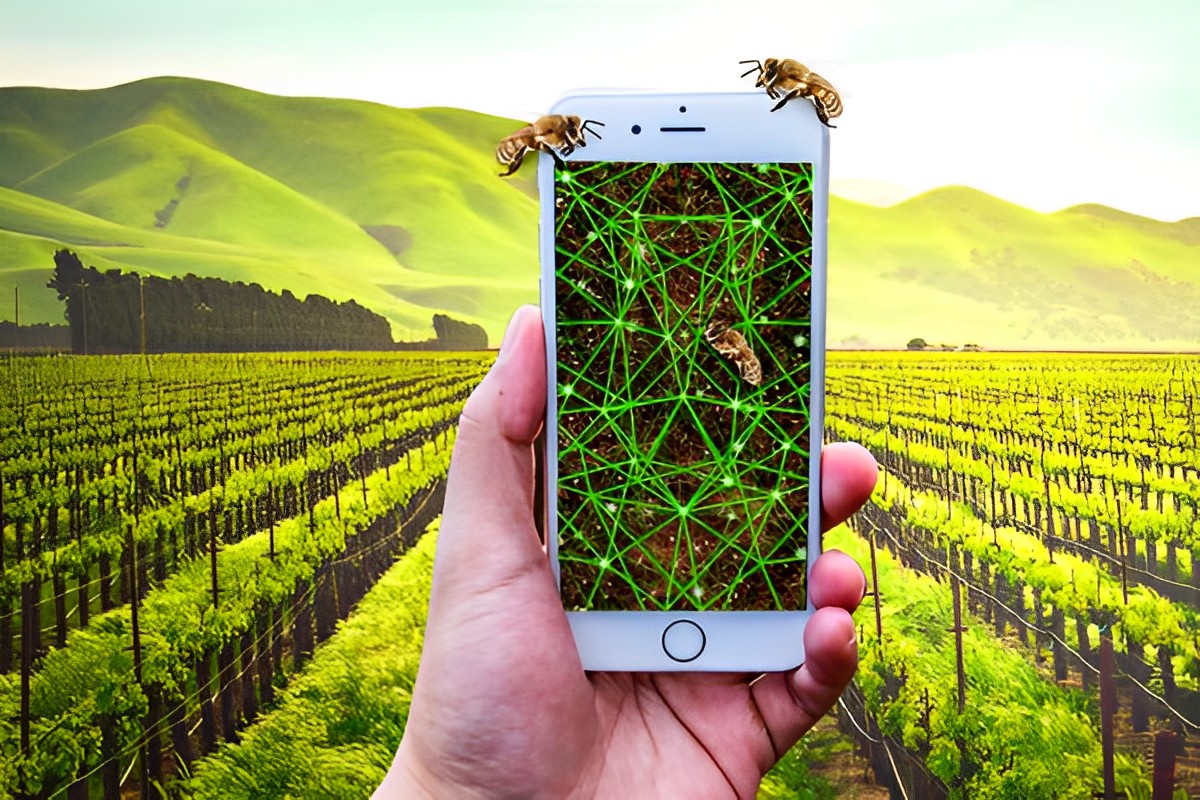
Digital Agribusiness Is Revolutionizing the Job Market and Opening New Doors for City Dwellers. Robots, Drones, and Software Are Being Used to Optimize Production and Accurately Predict the Yield of Each Crop.
FAO (Food and Agriculture Organization of the United Nations) predicts that by 2050, it will be necessary to produce up to 70% more food to feed all countries. As one of the largest grain and meat producers in the world, Brazil has become a major bet in the field of digital agribusiness.
To achieve this, the agricultural sector has sought technological tools in cities to elevate the field to the next level. Drones are being used to count oranges, robots automatically irrigate the crops, and software analyzes data to accurately predict how much each crop can yield.
However, it is possible to remotely control soil temperature, monitor pests and diseases affecting crops, and even receive alerts about adverse weather conditions. All of this allows farmers to make better use of available resources and achieve greater results from their crops.
-
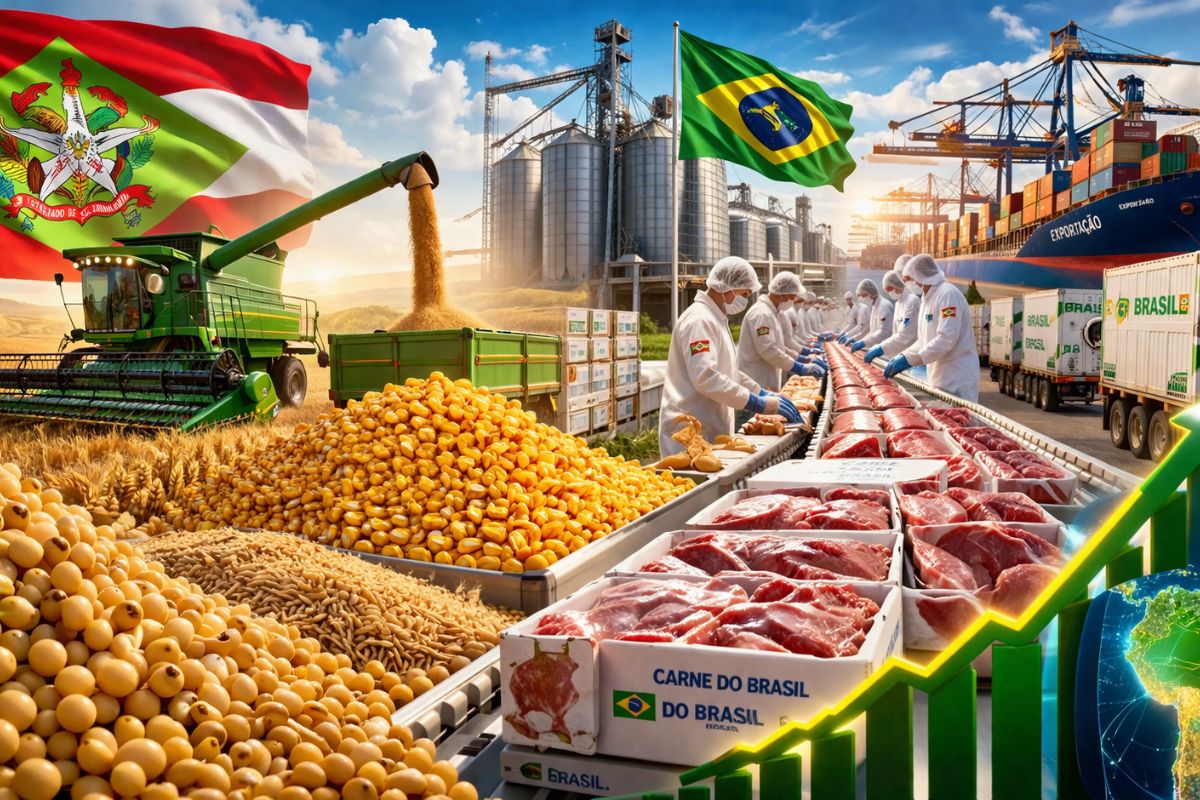
Santa Catarina harvested 7.85 million tons of grains and exported 2 million tons of meat in 2025: a growth of almost 6% in the food industry, which is four times higher than the national average and drives the entire Brazil.
-
China alone accounts for 70% of trade within the BRICS, while Brazil establishes itself as an essential supplier of food and minerals: understand how the group, which already represents nearly 40% of the world’s GDP, is changing the game.

-
Starting in May, those who do not have registered biometrics will not be able to apply for Bolsa Família, sickness benefits, or unemployment insurance: understand the new rule that changes access to benefits for millions of Brazilians.

-
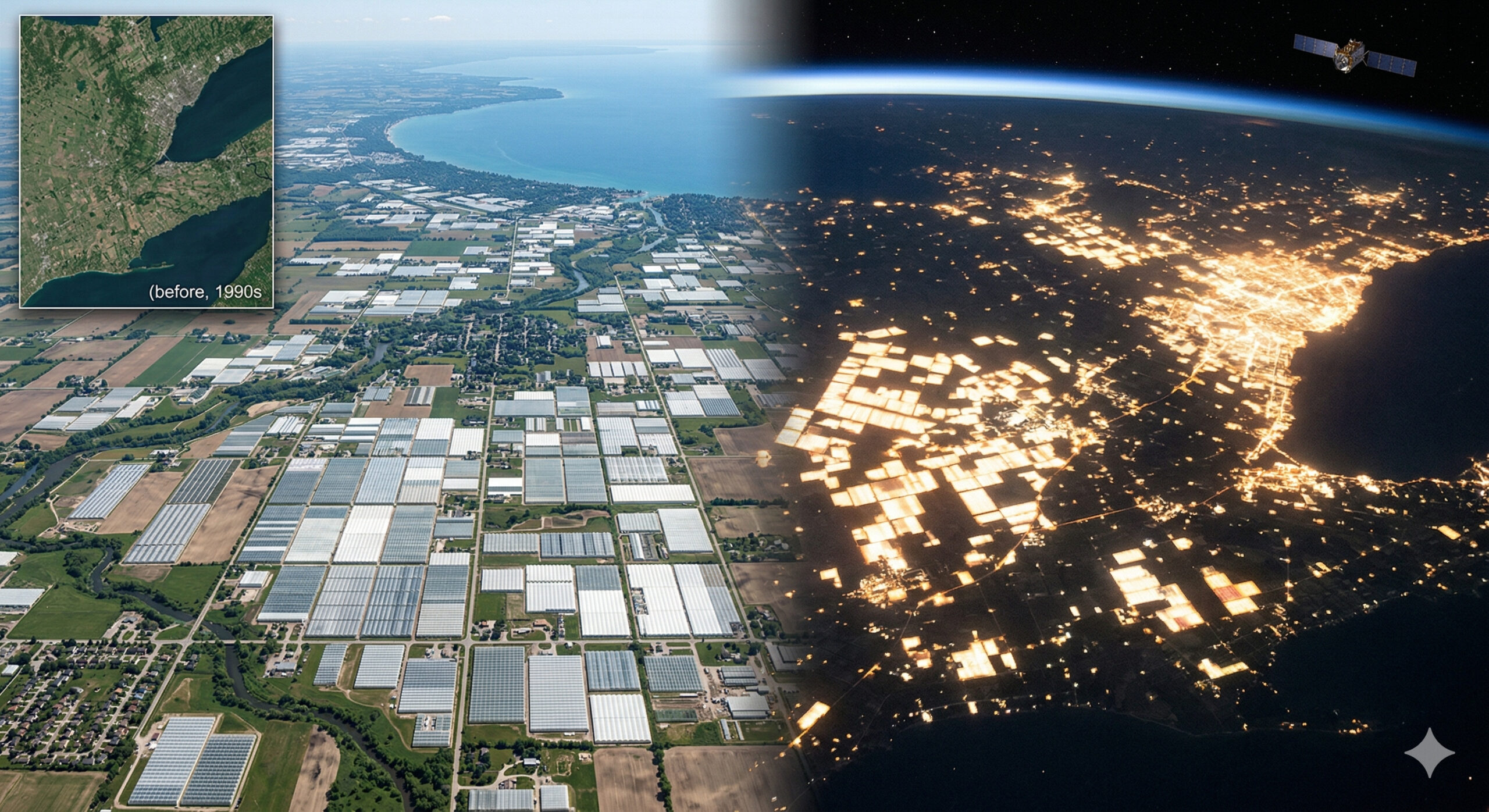
The expansion of greenhouses in southern Canada has become so intense that it has changed the appearance of the soil and even the nighttime glow of the region, transforming Ontario into one of the most visible agricultural hubs in North America from space.

Technological advancements have also brought other benefits to rural professionals: remote monitoring of equipment, management of agronomic data, and even financial services to improve the finances of rural producers.
The digital agribusiness has completely transformed the Brazilian agricultural sector, allowing rural producers to maximize their results more quickly, at lower costs, and with greater precision. This new field of knowledge opens new doors for city dwellers, offering innovative and promising opportunities in modern agriculture.
Digital Agribusiness
It was through the union of the countryside and the city that agribusiness, responsible for nearly 1/3 of all wealth in Brazil, began employing 19 million people. Today, 40 years later, digital agribusiness is bringing numerous changes to the sector.
Precision agriculture (also known as digital agriculture) has modernized rural production processes and significantly reduced costs. Through these technologies, it is possible to increase crop productivity without expanding the area. This is already happening in Brazil: a soybean plantation that yielded less than 2 tons 40 years ago now produces 4 tons per hectare!
But for this revolution to reach Brazilian rural properties, it is necessary for them to be digitized – over 3 million have not yet undergone digital transformation. And for that, it is essential to have qualified professionals to operate the technologies.
This is where the Agro Digital Manager comes in: a professional capable of understanding the demands of rural producers and translating them into technological solutions. They are responsible for making businesses work efficiently, bringing modernity to the crops with specialized technical support.
Currently, there are various opportunities in the market for young executives and IT professionals seeking career advancement. Therefore, there are several online courses available for those who wish to become an Agro Digital Manager.
As a result, a significant change is occurring in the Brazilian rural environment: the countryside is increasingly connecting with the city, allowing for the emergence of an innovative career for those living in the city who wish to work directly in digital agriculture.
Agro Digital Manager
The Digital Age Has Arrived in the Field! The novelty is that it is now possible to have a successful career in Brazilian agribusiness without needing to own land or solid experience in planting, harvesting, and animal husbandry. With this change, a new profession arises: the Agro Digital Manager.
This profession involves organizing a team of specialists (such as engineers and developers) to ensure that the business operates in the most productive and sustainable way possible. It does not require specific technical knowledge, but rather familiarity with the routine and challenges of agribusiness.
With this new option, those who want to enter the world of agribusiness have the chance to pursue a successful career without the need to become a farmer or veterinarian. The Agro Digital Manager can do this by working remotely, living in the city.
This new profession offers several advantages and benefits. For example, it allows for reducing operational costs, increasing sales for rural producers, and improving the quality of the final product. Moreover, it contributes to modernizing rural properties, boosting their competitiveness in the global market.
The professional working in digital agribusiness also assists in implementing innovative technologies that bring improvements to rural properties. This includes everything from systems for monitoring and control to artificial intelligence for analyzing local weather conditions. All of these technologies can be used to optimize processes and increase agricultural production.
Digital Agriculture: What Is It and How Does It Impact Agribusiness







Seja o primeiro a reagir!