






 Portuguese
  Spanish
  3 min of reading


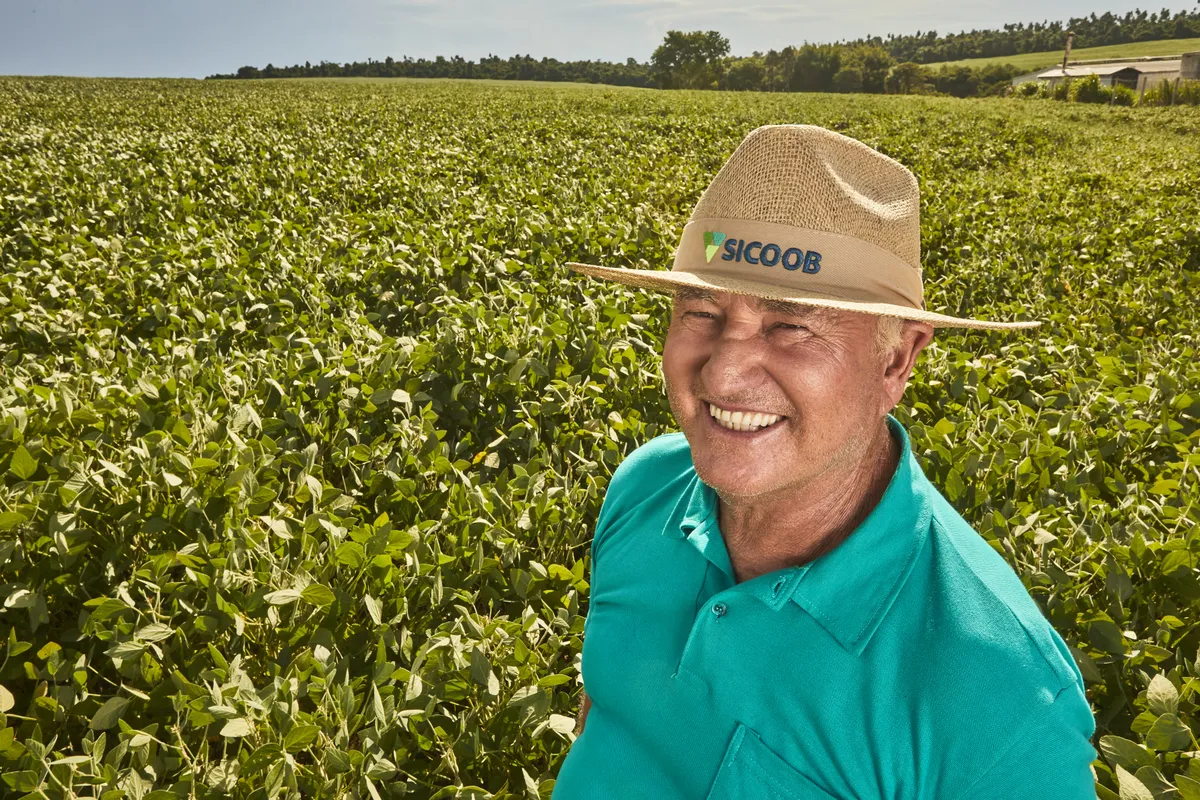
Sicoob, One of the Most Important Supporters of Agricultural Production in Brazil, Expanded Its Releases by 21% During the First Seven Months of the 22/23 Harvest Plan. This Expansion Represented the Release of R$ 21 Billion for Rural Producers, an Increase of 55% Compared to the Same Period of the Previous Harvest.
As a result, the bank recorded 8.5 percentage points of market share, while the previous year it was at 7.6%. The Sicoob Financial Cooperative has 7 million members, of which 440 thousand are rural producers. The total amount of resources available to structure, invest, finance, and market the production of members is R$ 19 billion in rural credit and R$ 1.4 billion in CPRF.
The average ticket for the Institution for the current harvest is R$ 224,000, while for Pronaf this amount is reduced to R$ 69,800. Farmers are the Main Focus of Sicoob. 19% of producers are served by Pronaf, 25% by Pronamp, and 56% by free and controlled own resources, BNDES, FCO, and Funcafé.
Currently, 41% of the operations are directed toward livestock activities, while 59% are allocated to agriculture. Among the main crops are coffee, soybeans, corn, and sugarcane. Agribusiness is essential for the Economic Growth of Brazil. Sicoob, through its commitment to rural producers regardless of size, has moved approximately R$ 37 billion in the current harvest.
-
Brazilian Joins Homeownership Consortium, Faces Decade of Dual Payments Totaling $141,000, Surpassing Traditional Mortgage

-
Low-Demand Brazilian Beef Offal Gains Popularity Abroad: Indonesia Purchases $19.5 Million, Boosting Revenue and Reducing Waste
-
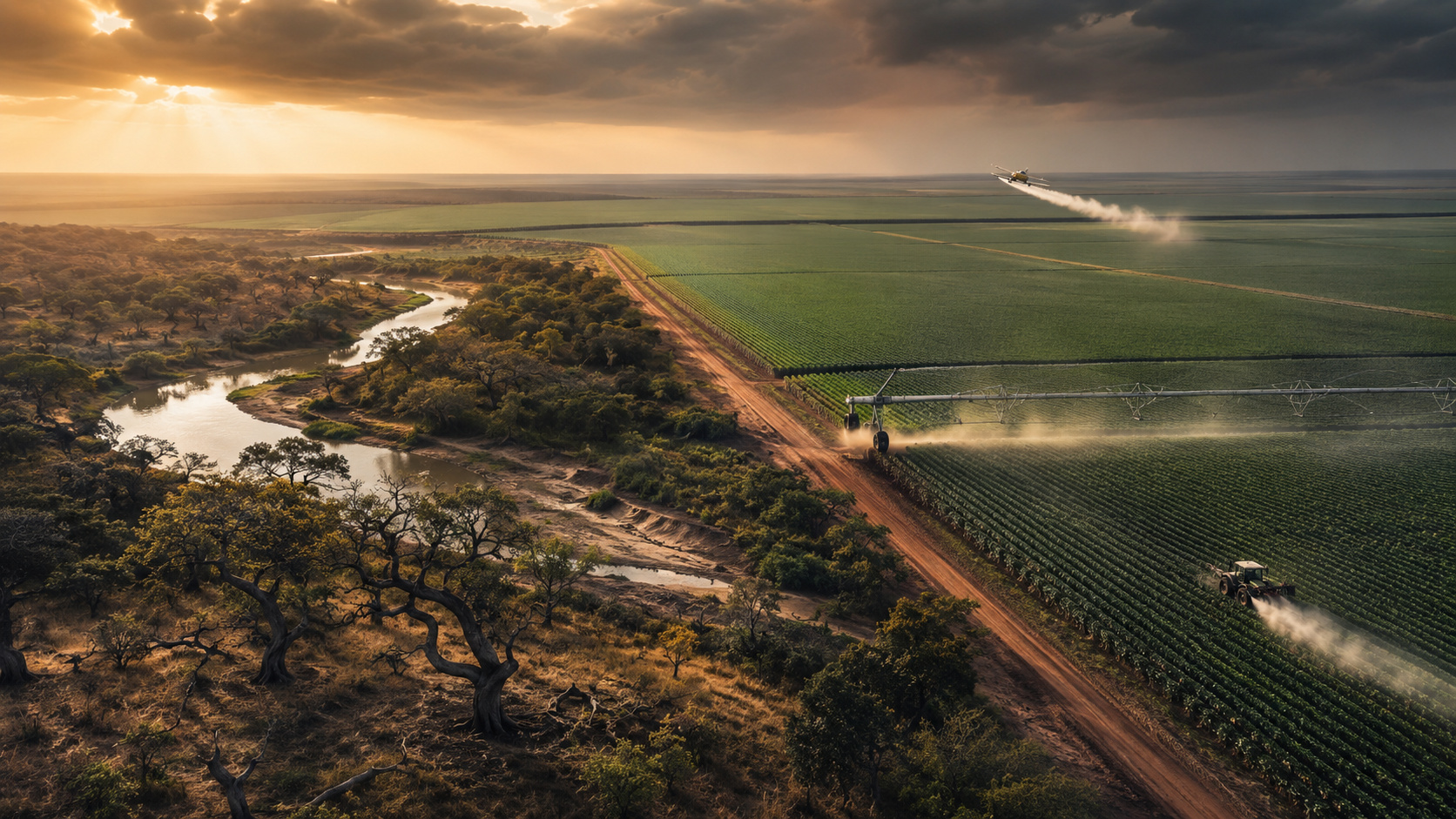
Soy Expansion in Former Brazilian Savanna Sparks Water and Land Conflicts in Major Agricultural Frontier
-
Land Rover to Halt Production in July, Putting 371 Jobs at Risk, as Chinese Automaker Negotiates to Convert Factory to 100,000 Vehicles Annually by 2027



Francisco Reposse Junior, Commercial and Channel Director of Sicoob, states that the bank is committed to ensuring this much-needed support to rural communities. Thus, Sicoob intends to continue contributing to the development of the country.
Grains Produced in São Paulo Are Expected to Reach a New Record of 9.5 Million Tons. This Is a Milestone that Reflects the Commitment of Farmers and Producers in the State to High Quality and Agricultural Production.
The corn harvest of 2022/2023 in São Paulo shows a smaller planted area; however, the average productivity is expected to grow significantly. The rice will also have a larger harvest due to increased productivity, rising from 4,125 kg/ha to 5,686 kg/ha. This improvement in results will bring benefits to the agricultural production of the state, promoting a cycle of continuous growth.
Beans performed well in the first season, producing 2,347 kg/ha, which is 5.2% more than the previous season. However, the total production was 167.6 thousand tons – 9.4% less than the previous year. Meanwhile, corn had its production cycle extended due to low temperatures, yielding 4.19 million tons – 3.1% below last year’s harvest.
Regarding soybeans, conditions varied from region to region. In the southwest of the state, production was affected by low temperatures and light. In the northwestern part of São Paulo and in Assis, the crops are in excellent condition, with concerns only about white mold and rust. The estimated production is 3.99 million tons – 4.4% lower than the previous harvest.
Meet the Story of Diego Ozelame, Rural Producer and Member of Sicoob São Miguel do Espumoso/RS






Be the first to react!