





 Portuguese
  English
  Spanish
  4 min of reading


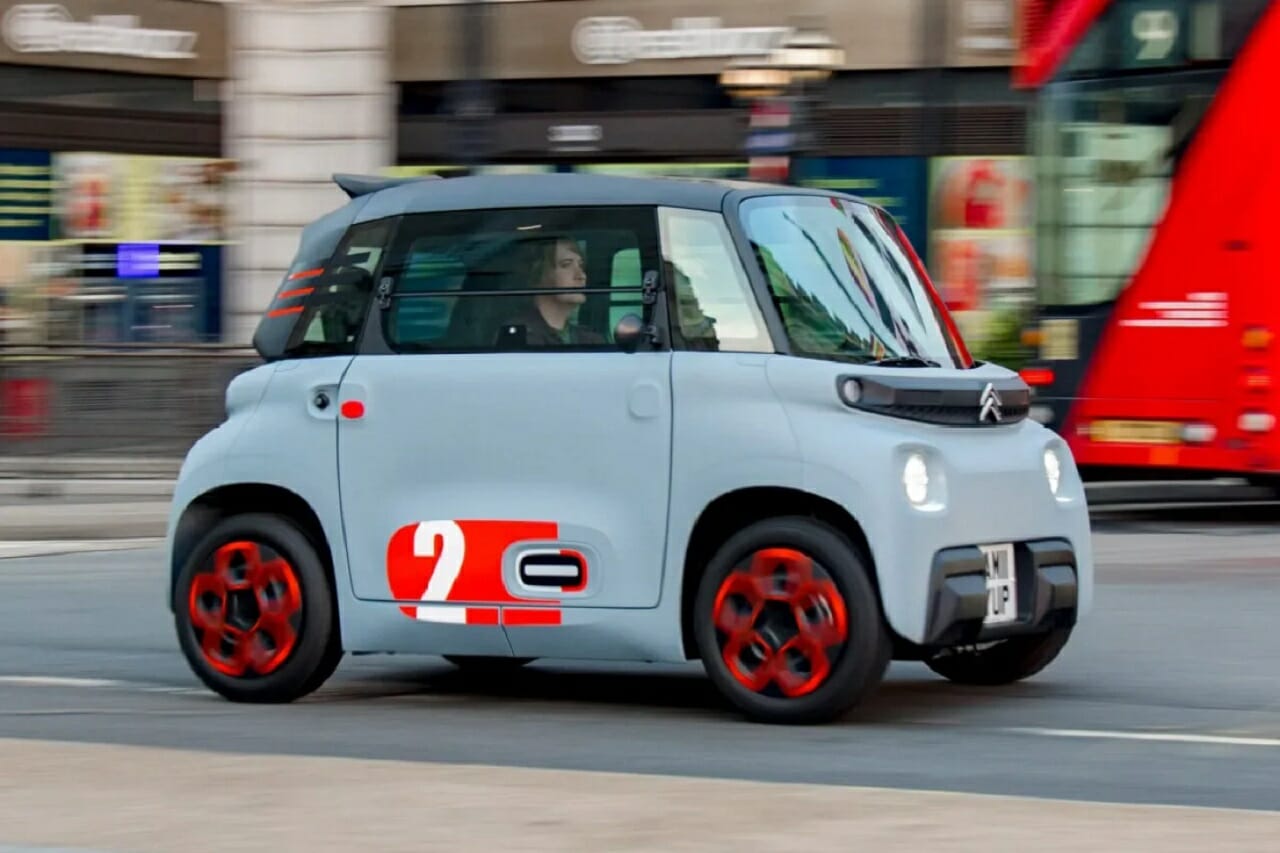
Citroën Brings the Ami Car to Brazil, Popular Among European Teenagers That Doesn’t Require a Driver’s License.
Citroën announced this Thursday (27) the arrival of its electric microcar Ami in Brazil. Already sold in Europe as a car for teenagers, the model will be sold throughout South America. Citroën stated that it will release more details on dates, pricing, or whether the car will only be available in Brazil through a subscription model.
Some important points about this automotive market news:
- Citroën Brings the Ami Car to Brazil: The initial highlight is the launch of Citroën’s Ami car in Brazil, which is a novelty in the country’s automotive market.
- Electric Car for Teenagers Popular in European Countries: The second important point is that the Ami is an electric car specifically aimed at teenagers, which may attract the attention of young people and their parents concerned about sustainable urban mobility.
- Doesn’t Require a Driver’s License: The third relevant point is that the Ami does not require a national driver’s license (CNH) to operate, making it an attractive option for people who do not yet have a license or who want a practical and affordable vehicle for urban transportation.
Citröen Micro Electric Has a Range of Up to 80 km
Only the arrival of the car, which doesn’t require a driver’s license, was confirmed on the continent, in a video featuring Antonio Filosa, president of Stellantis for South America, and Vanessa Castanho, vice president of Citröen for South America, driving the Ami.
-
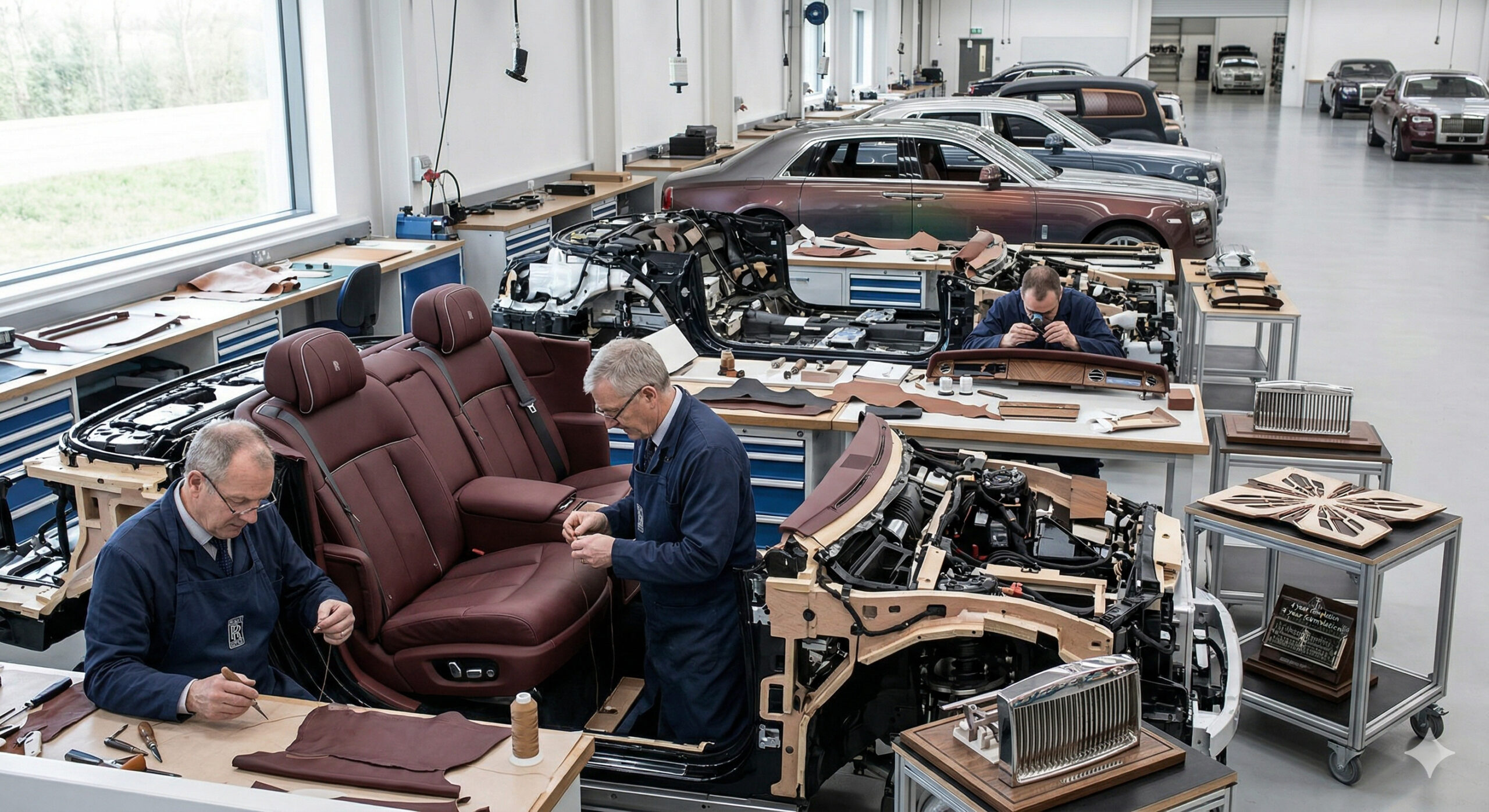
While much of the industry rushes to automate production, Rolls-Royce takes over 600 hours to hand-build each car in Goodwood and still accepts orders so complex that they can take up to four years to be completed.
-
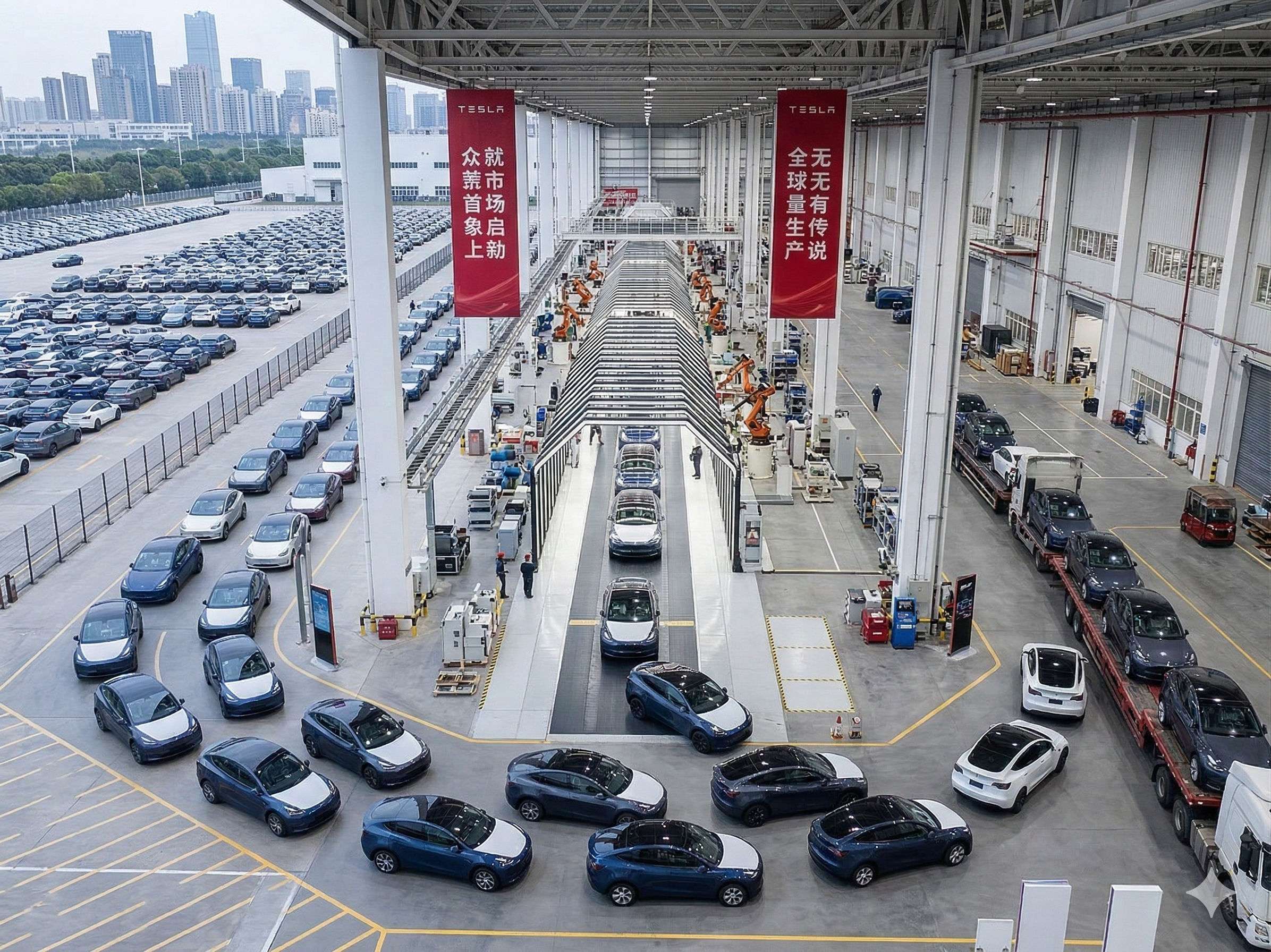
Smaller than the Model Y, lighter, with a single motor and designed to cost less than the current Model 3, Tesla’s new compact electric SUV is born in China and could seal the automaker’s return to the race for mass-market electric vehicles.
-
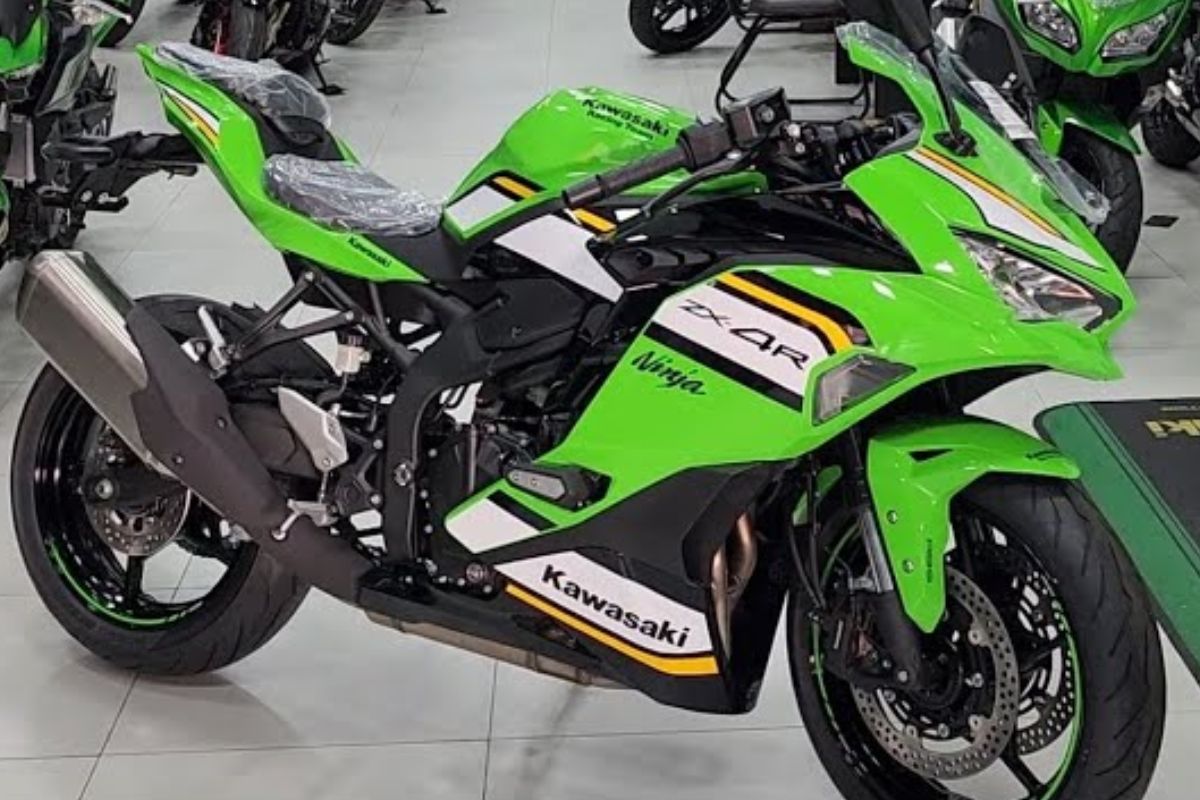
Kawasaki took the technology from its most brutal racing bikes, squeezed it into a 400cc 4-cylinder engine that revs to 15,000 RPM, and created the ZX-4R, a machine that shouldn’t exist in this displacement but is making experienced riders rethink everything they thought they knew about mid-range motorcycles.
-
The culture of cars that jump on the asphalt was born in the garages of Mexicans in the 1940s, was treated as a crime in the United States for decades, and has now become an official postage stamp of the American Postal Service in a twist that no one expected.

The electric “car for teenagers” measures 2.41 m in length, 1.39 m in width, and 1.52 m in height. The vehicle can accommodate two people who enter through opposing-opening doors. The model’s trunk has a capacity of 70 liters of luggage. Featuring an electric motor, the Citröen micro electric reaches speeds of 45 km/h and has a range of up to 80 km.
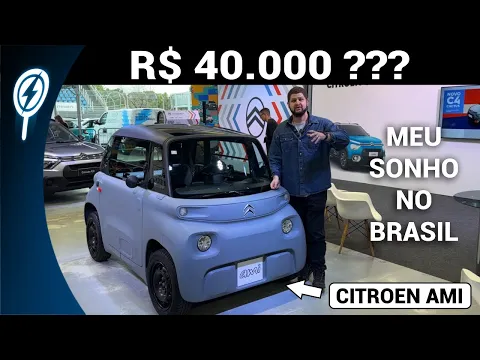

The charming “car for teenagers” has been used in Europe for travel in areas where a regular car is too large, such as in the narrow streets of tourist cities in Italy and Greece.
There are also significant benefits regarding legislation. Due to its 8.5 horsepower and 4.5 kgfm of torque, the model does not qualify as a car. Thus, some countries allow it to be driven by teenagers as young as 14. Homologation costs are also lower, benefiting the price, which, in the Northern Hemisphere, does not exceed the equivalent of R$ 50,000.
Citroën Electric Car May Face Changes in Brazil
In Brazil, the situation is a bit more complex, and even Citroën itself is unsure how the car that doesn’t require a driver’s license will be categorized by law. Vanessa Castanho, the brand’s vice president in South America, mentioned that legal certainty was, in fact, one of the factors that could make its launch unfeasible in the country.
One possibility is that Resolution 573 from Contran is applied, which considers electric models with a closed cabin, four wheels, a weight not exceeding 400 kg, or 550 kg in the case of cargo transport (excluding the weight of batteries in both cases) and whose power does not exceed 20 hp as quadricycles.
However, the same resolution brings several obstacles that would impact the simplicity intended by the French automaker, such as the requirement for a Class B driver’s license and the use of a helmet to drive it on public roads, as well as even a front airbag. Due to the maximum speed of 45 km/h and its affordable price, an airbag is not even optional on the vehicle. However, new mobility sectors may push for changes in the law.
Micro Electric May Only Be Utilized by Companies
Citroën has not yet confirmed how the Ami will be sold. Based on the executives’ remarks when announcing its arrival, it is possible that it will be sold to companies that use it in closed environments.
Thus, it is possible that soon Brazilians will see the car that doesn’t require a driver’s license driving around closed condominiums, logistics warehouses, and shopping centers. These are more than calm scenarios for the 75 km of range and acceleration from 0 to 45 km/h in 10 seconds, which will allow the manufacturer to better understand how it operates in the country.









Seja o primeiro a reagir!