





 Portuguese
  English
  Spanish
  4 min of reading
  0 comments


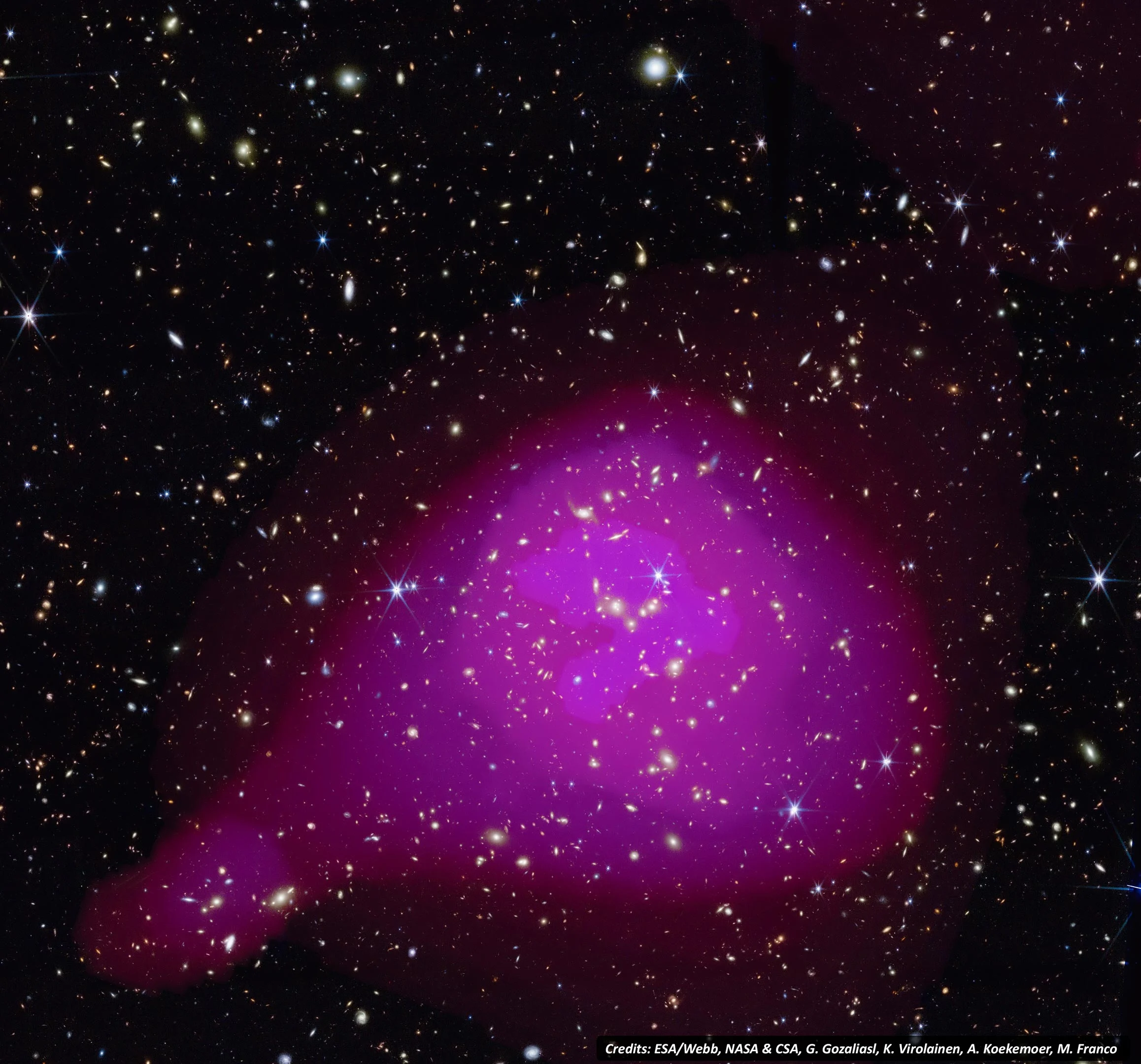
International Research Uses The James Webb To Map The Largest Sample Of Galaxy Groups And Detail Their Formation And Cosmic Evolution.
The James Webb telescope allows scientists to look billions of years into the past. With its high capacity, it opens a window to the beginning of the universe. Now, an international team of astronomers has released the largest sample of galaxy groups ever detected.
The research shows how galaxies have transitioned from irregular structures filled with young stars to the large spiral and elliptical forms we know.
Journey Into Cosmic Past
The research used data from the COSMOS-Web field. This area of the sky was analyzed in detail with the help of Webb. Scientists were able to observe galaxies at different moments in time, between 12 billion and 1 billion years ago. The study was published on May 19 in the journal Astronomy and Astrophysics.
-
Giant structures 14 meters beneath Egypt are revealed by satellites and expose a millennia-old secret buried in Buto.

-
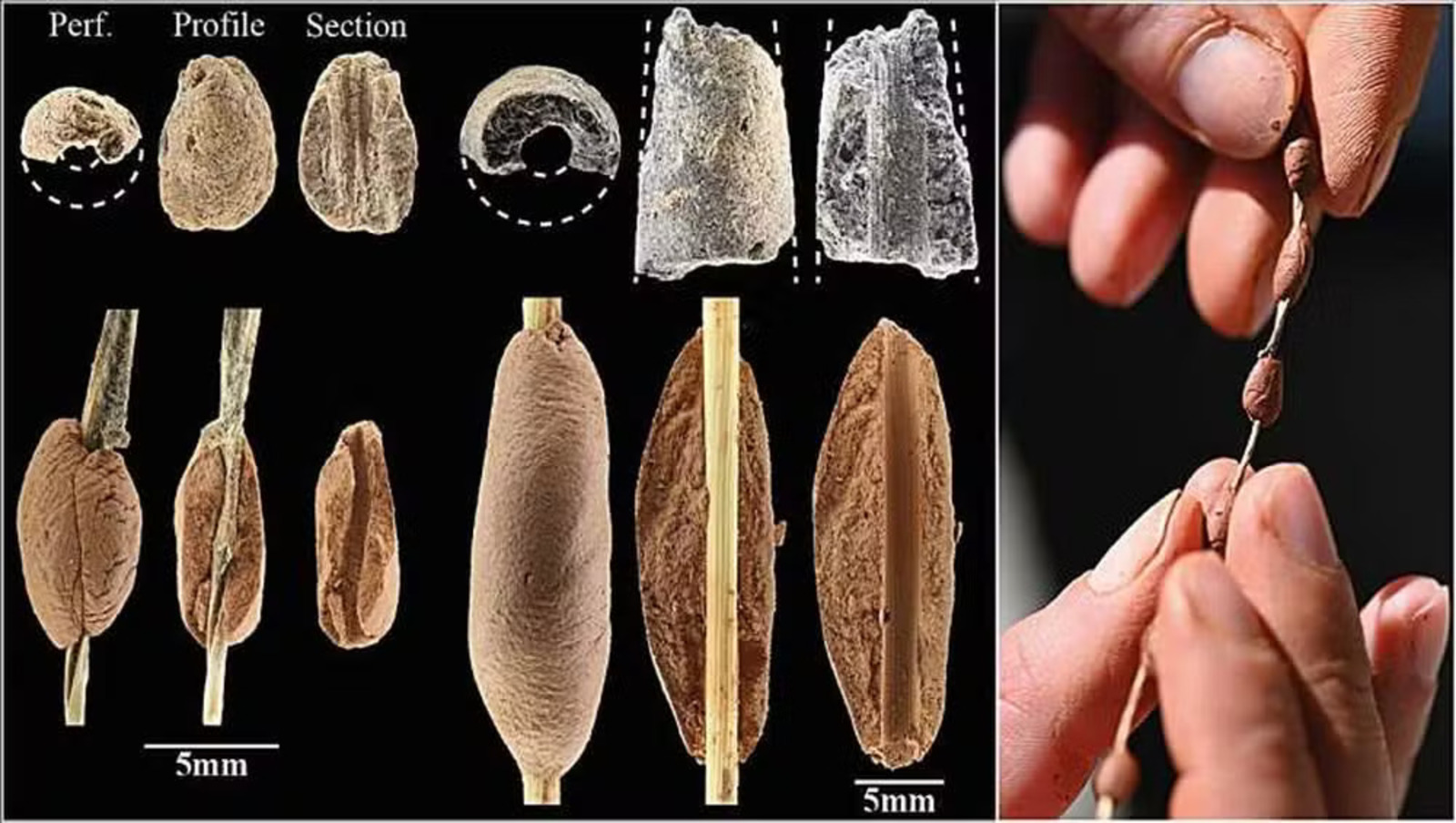
Children have been making clay pieces for 15,000 years in Southwest Asia, and fingerprints preserved on 142 ornaments helped archaeologists prove this.
-
New semi-autonomous legged robot technology challenges the limitations of space exploration by operating almost without human intervention on the Moon.

-
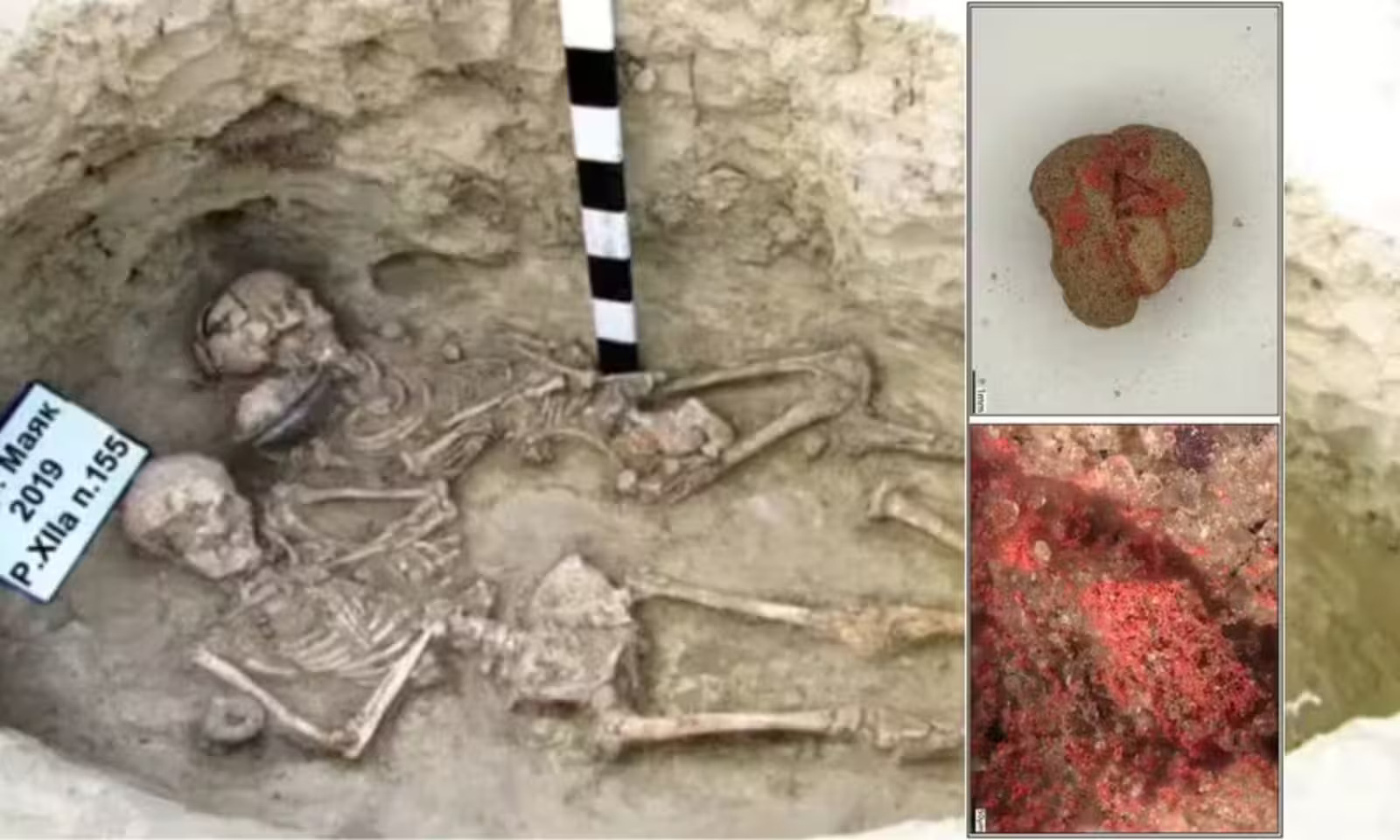
Super toxic red mineral found in the double burial of two women aged 1,900 years near the banks of the Dnieper River in Ukraine.

A total of nearly 1,700 galaxy groups were identified. This sample allows researchers to track the growth and transformation of these structures over time.
An image of a cluster over 6 billion light-years away was chosen as the “Image of the Month” by the European Space Agency.
The Discovery Of Protogroups
The team, led by Ghassem Gozaliasl from Aalto University, detected 1,678 galaxy groups. These groups are also referred to as protogroups. It is the largest and deepest sample of galaxy groups ever recorded with the James Webb telescope.
With this sample, scientists can study how galaxies have evolved over the last 12 billion years. According to Gozaliasl, it was possible to observe some of the first galaxies formed in the universe. This view helps to understand the formation of large cosmic structures.
The Power Of The James Webb
The James Webb Space Telescope began its operations in 2022. It is the most powerful ever built. Thanks to its sensitivity, Webb can capture the faintest galaxies ever seen. Some are a billion times fainter than what the human eye can see.
Since the light from distant galaxies takes billions of years to reach us, looking at them is like seeing the past directly. Thus, scientists can observe what galaxies looked like in the early universe and how they behaved in their youth.
The Cosmic Web And Galactic Families
Galaxies are not distributed evenly. They cluster in dense regions interlinked by filaments and walls, forming the so-called cosmic web.
Isolated galaxies are rare. The majority are in groups with a few dozen members or in clusters with hundreds or even thousands of galaxies bound by gravity.
Our own system is part of a small group. The Milky Way belongs to the Local Group, along with the Andromeda Galaxy and dozens of smaller galaxies. These groupings allow galaxies to interact and transform over time.
Black Holes And Dark Matter
Gozaliasl explains that these galaxy groups contain large amounts of dark matter, hot gas, and massive central galaxies.
Many of these galaxies host supermassive black holes. The interactions among these elements are crucial in defining the life cycle of galaxies.
Dark matter, black holes, and hot gas influence the formation and growth of these structures. Understanding these processes helps scientists comprehend how the largest galaxies and the greatest structures in the universe emerged.
Mergers And Transformations
According to Gozaliasl, within these groups, galaxies can collide and merge. This changes their structure and appearance. For example, two spiral galaxies can merge to form a giant elliptical galaxy. These processes are common and are part of the natural evolution of the cosmos.
The new catalog allows for comparisons between older structures and newer ones. Thus, astronomers can track the life cycle of galaxy groups and better understand how the giant and bright galaxies, known as BGGs, formed over time.
From Initial Chaos To Current Order
When the telescope observes the most distant galaxies, they appear with irregular shapes and intense star formation.
As time advances, the rate of new star formation decreases. Galaxies take on more symmetrical forms, such as the spirals or ellipticals we see today.
Witnessing this transformation is one of the greatest thrills for astronomers. Gozaliasl states that these observations allow for answers to many questions about what has happened in the universe over billions of years.
The work offers a concrete view of how galaxies evolved from initial chaos to current organization.
Importance Of Research
This discovery broadens knowledge about the history of the universe. The data allow for the study of how galaxy groups grew and changed.
They also help to understand the role of dark matter and black holes in the formation of large cosmic structures.
The catalog built with data from James Webb will be essential for future research. It enables new comparisons and detailed analyses of the behavior of galaxies across different epochs.
The image of a galaxy cluster captured by Webb, chosen as the “Image of the Month” by the European Space Agency, symbolizes the advancement of this research.
It visually represents the grandeur and complexity of the universe, now somewhat better understood thanks to the precision of James Webb.







Seja o primeiro a reagir!