





 Portuguese
  English
  Spanish
  4 min of reading


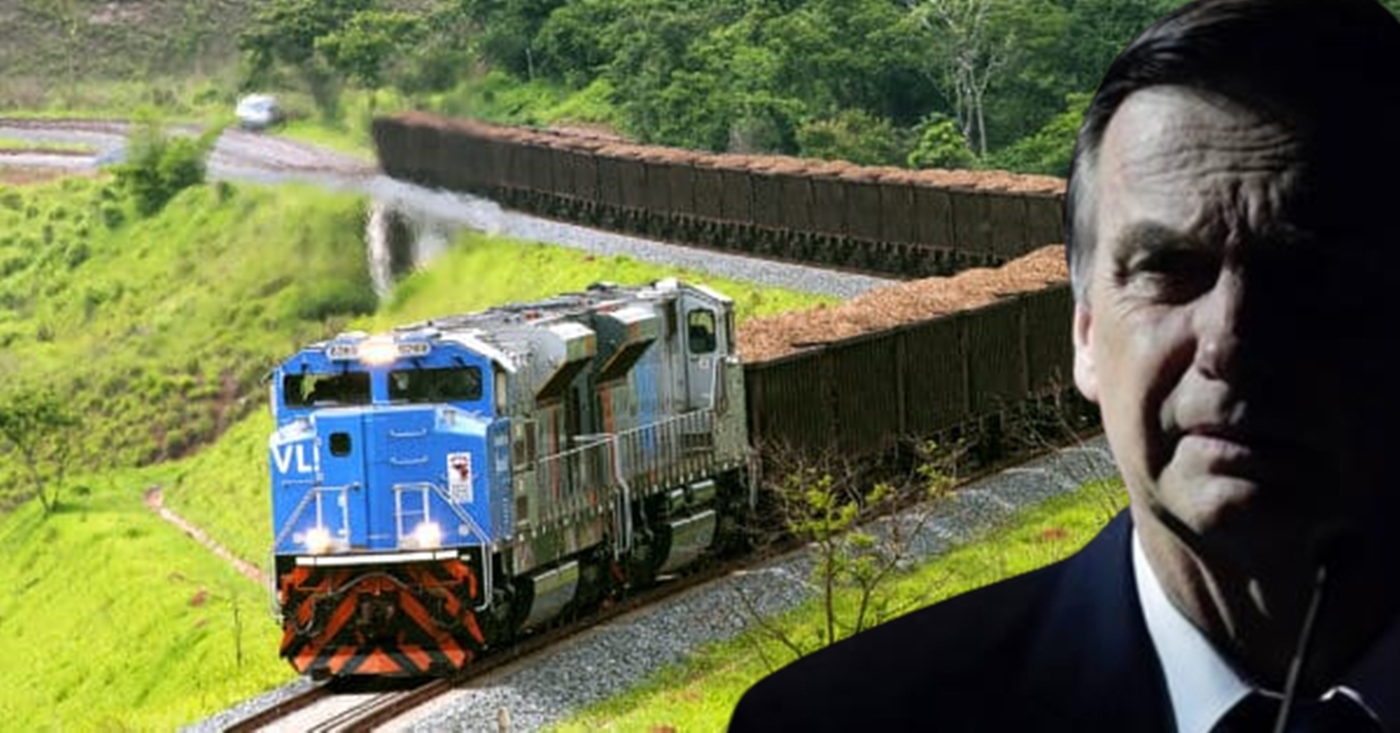
Federal Government Program Allows Private Initiative to Design, Operate, and Build Rail Lines Across Brazil. The Most Recent Requirements Are from VLI Multimodal, Which Will Invest Over 5 Billion
The Pro Trilhos program, created by the Ministry of Infrastructure in August 2021, has attracted 89 proposals for new railway construction so far, presented by 39 private companies. The projects exceed 22,440 kilometers of new tracks across all regions of the country, with projected investments estimated at around R$ 258 billion. All stemming from the new regulatory framework for the modal. The first authorized railway was announced in January.
The Ministry of Infrastructure expects that within 30 years, the new railways and/or those to be put into operation will lead to an increase in the modal’s share of cargo transportation by over 40%, as projected in the latest edition of the National Logistics Plan (PNL).
The interest of the private sector, as well as the need for improvement and expansion of the railway system in Brazil, is evidenced by the fact that 81 of the 89 Pro Trilhos projects to date were submitted during the validity of Provisional Measure No. 1,065/2021, a regulation with the force of law issued by President Jair Bolsonaro, deemed relevant and urgent. The remaining projects have begun to be processed directly at the National Land Transportation Agency (ANTT), governed by Law No. 14.273, of December 23, 2021, already approved and known as the Regulatory Framework for Railways.
-
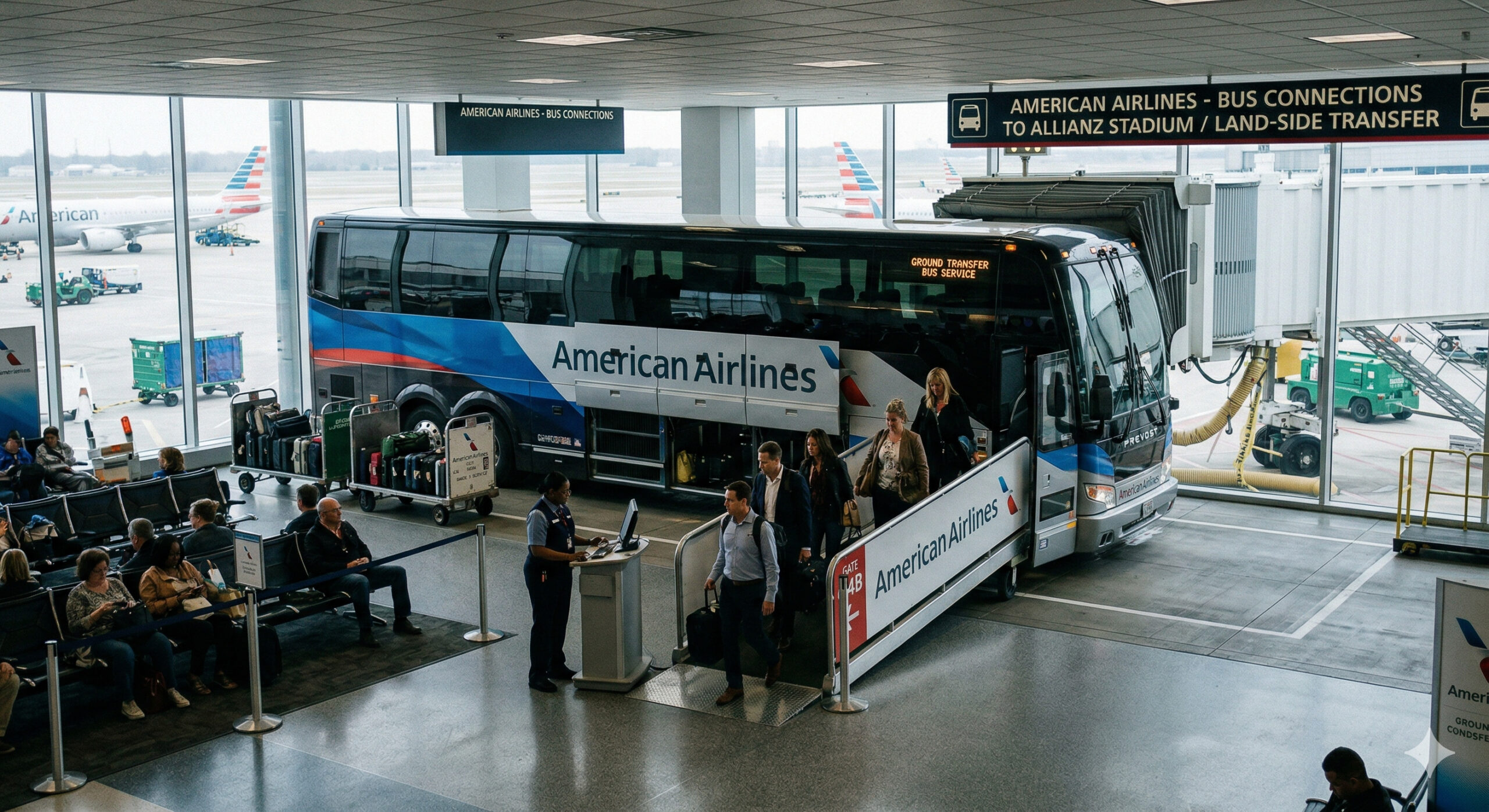
American Airlines starts selling trips as if they were flights, with check-in and baggage check at the airport, but on short routes, passengers board luxury buses connecting cities to major hubs in the U.S.
-
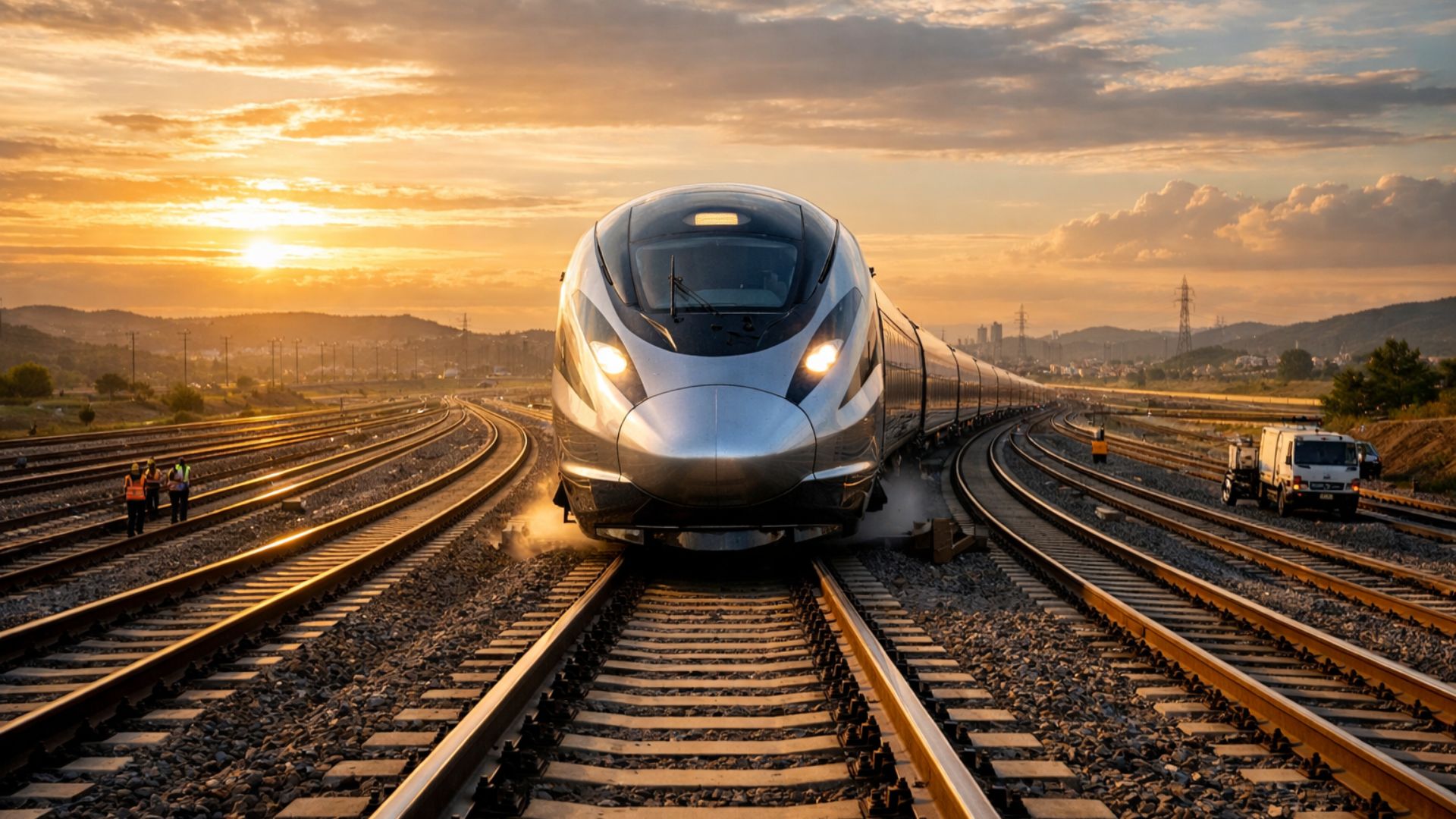
São Paulo surprises the world with a colossal railway network project that promises over 1,000 km of tracks, R$ 194 billion in investments, and 40 projects connecting the capital to the interior with fast and sustainable trains.
-
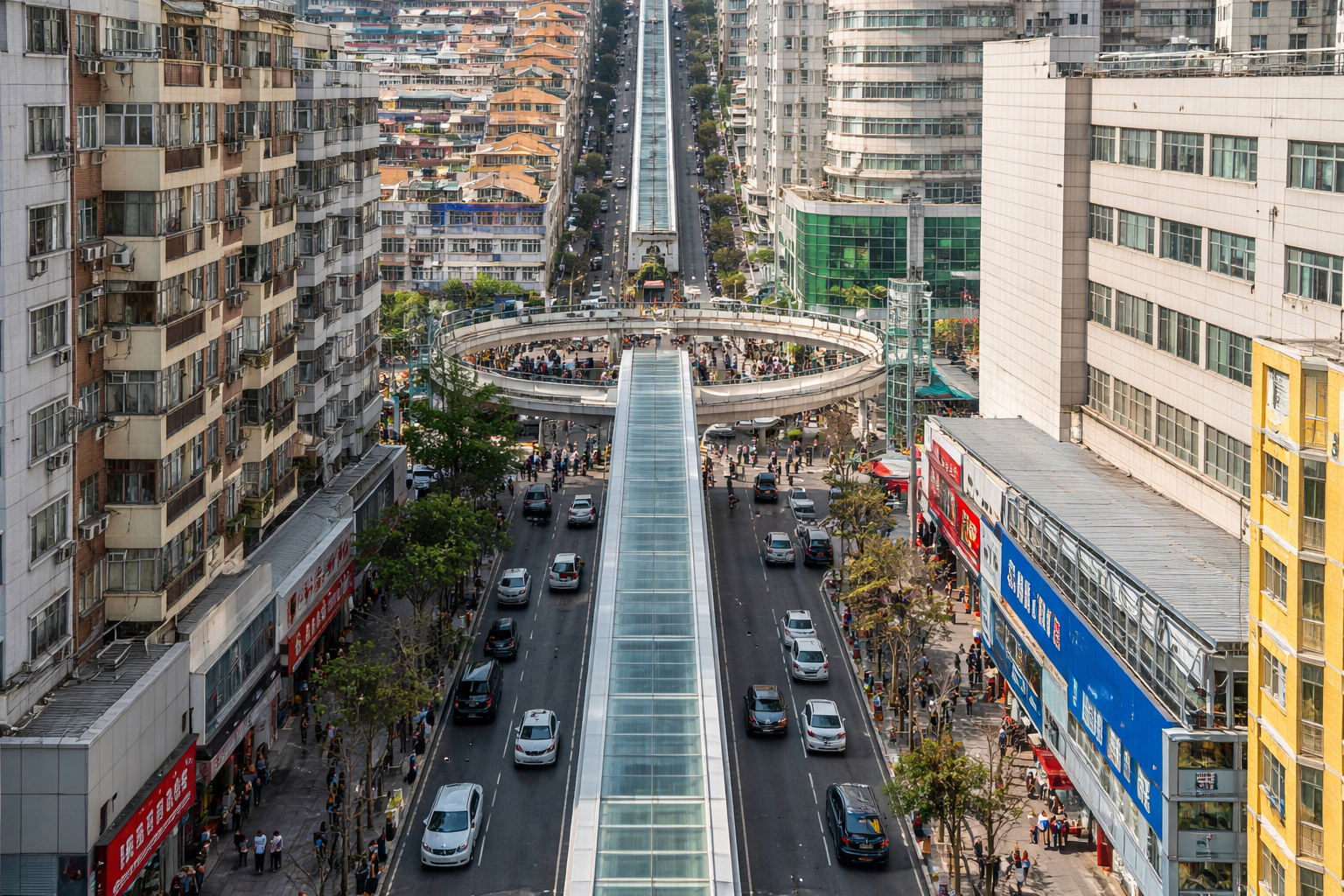
The world’s largest escalator, measuring 905 meters in China, reduces urban travel time from 1 hour to about 20 minutes and transforms mobility in mountainous regions with an engineering solution adapted to the terrain.
-
A R$ 300 million logistics giant is taking shape in Serra with over 100,000 m² and raises a question: how can this transform e-commerce and distribution in the state?
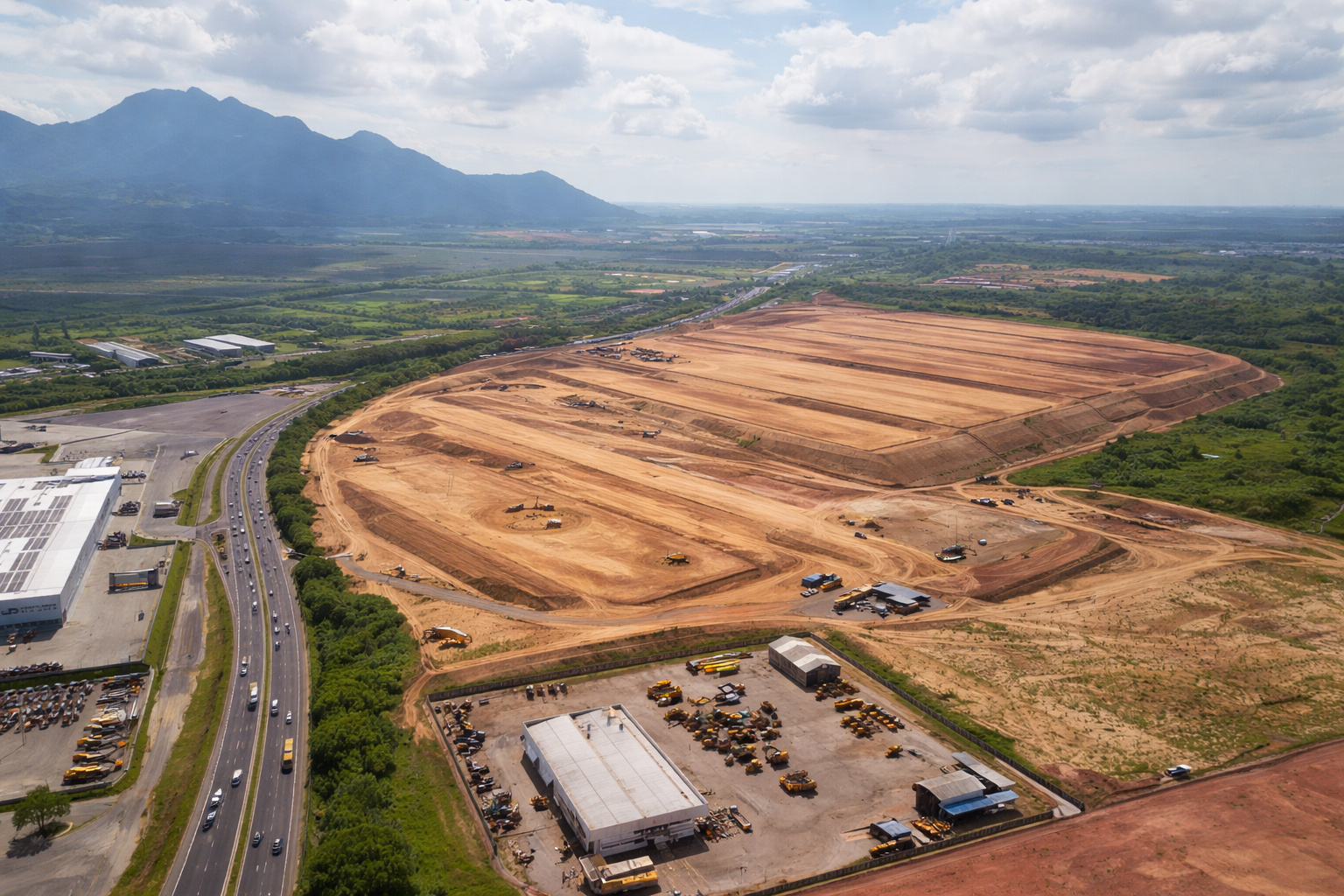

The two most recent requirements arrived in September and total over R$ 5 billion. Made by VLI, the projects aim to construct 200 kilometers of railways connecting Correntina to Aerolândia and Barreiras to Luís Eduardo Magalhães in the state of Bahia, with a connection to sections I and II of the West-East Integration Railway (Fiol), enhancing the efficiency of cargo flow from the region through the future port of Ilhéus, as outlined in the Fiol project.
Sections of Railways Already Authorized by the Pro Trilhos Program:
- Bracell Celulose: Lençóis Paulistas (SP) – 4.29 km;
- Bracell Celulose: Lençóis Paulistas (SP) to Pederneiras (SP) – 19.5 km;
- Brazil Iron Mineração: Abaíra (BA) to Brumado (BA) – 120 km;
- Eldorado Brasil Celulose: Três Lagoas (MS) to Aparecida do Taboado (MS) – 88.9 km;
- Ferroeste: Cascavel (PR) to Chapecó (SC) – 286 km;
- Ferroeste: Cascavel (PR) to Foz do Iguaçu (PR) – 166 km;
- Ferroeste: Guarapuava (PR) to Paranaguá (PR) – 405.2 km;
- Ferroeste: Maracaju (MS) to Dourados (MS) – 76 km;
- Fazenda Campo Grande: Santo André (SP) – 7 km;
- Grão Pará: Alcântara (MA) to Açailândia (MA) – 520 km;
- Macro Desenvolvimento: Presidente Kennedy (ES) to Sete Lagoas (MG) – 610 km;
- Macro Desenvolvimento: Sete Lagoas (MG) to Anápolis (GO) – 716 km;
- Minerva: Açailândia (MA) to Barcarena (PA) – 571.3 km;
- Petrocity: Barra de São Francisco (ES) to Brasília (DF) – 1,108 km;
- Petrocity: São Mateus (ES) to Ipatinga (MG) – 410 km;
- Planalto Piauí: Suape (PE) to Curral Novo (PI) – 717 km;
- Porto do Açu: São João da Barra (RJ) – 41.17 km;
- Rumo: Água Boa (MT) to Lucas do Rio Verde (MT) – 508 km;
- Rumo: Uberlândia (MG) to Chaveslândia (Santa Vitória/MG) – 276.5 km;
- VLI Multimodal: Água Boa (MT) to Lucas do Rio Verde (MT) – 508 km;
- VLI Multimodal: Uberlândia (MG) to Chaveslândia (Santa Vitória/MG) – 276.5 km; and
- VLI Multimodal: Porto Franco (MA) to Balsas (MA) – 230 km
The Renaissance of Railways in Brazil
The new Regulatory Framework for Railways allows for a favorable environment for private initiatives to invest with more security and freedom, aiming at the development of their businesses.
The project is a new chapter in the history of Brazilian infrastructure, following the collapse of the sector in the early 1990s. At that time, the state-owned Rede Ferroviária Federal Sociedade Anônima (RFFSA), which was responsible for a large part of this activity, was dissolved. Then, the existing railway network was divided into several concessions.
However, what we see today is an underutilization of the railway network. According to the Ministry of Infrastructure, only 25% of the tracks are in full operation, and 46% have low traffic. Meanwhile, 29% remain with no commercial operation at all. Currently, Brazil has just over 30,000 km of railway line, with 47% of the railway network located in the Southeast region, according to data from the Brazilian Association of Infrastructure and Basic Industries (Abdib).
Improvement of Railways and Social Development
There is an optimistic expectation of economic and social development regarding the projects presented so far through the Pro Trilhos program. It is estimated that at least 2.6 million direct and indirect jobs will be created with the modernization of the national railway network, in addition to reducing transportation costs, which would lower freight prices.
Companies would cease to be entirely dependent on this sector, which has inadequate bus stations in various states. Not to mention the savings on fuel and tolls and the reduction of CO² emissions.







Seja o primeiro a reagir!