





 Portuguese
  English
  Spanish
  3 min of reading
  0 comments



Swiss Researchers Developed A Sustainable Method That Uses Whey Proteins To Recover Gold Present In Old Motherboards, Offering An Economic And Less Polluting Alternative To Deal With The Growing Disposal Of Electronic Devices
The electronic devices accumulated in drawers and closets hold more than just memories of a recent past. They concentrate precious and semi-precious metals that continue to be in use and are present in cell phones, old computers, consoles, and various appliances.
Among these materials, gold stands out for its presence in small quantities on motherboards, although its extraction process has been, until now, expensive and environmentally harmful.
Traditionally, the most efficient way to recover the metal is through methods that involve charcoal, which makes the procedure complex and not sustainable.
-
Giant structures 14 meters beneath Egypt are revealed by satellites and expose a millennia-old secret buried in Buto.

-
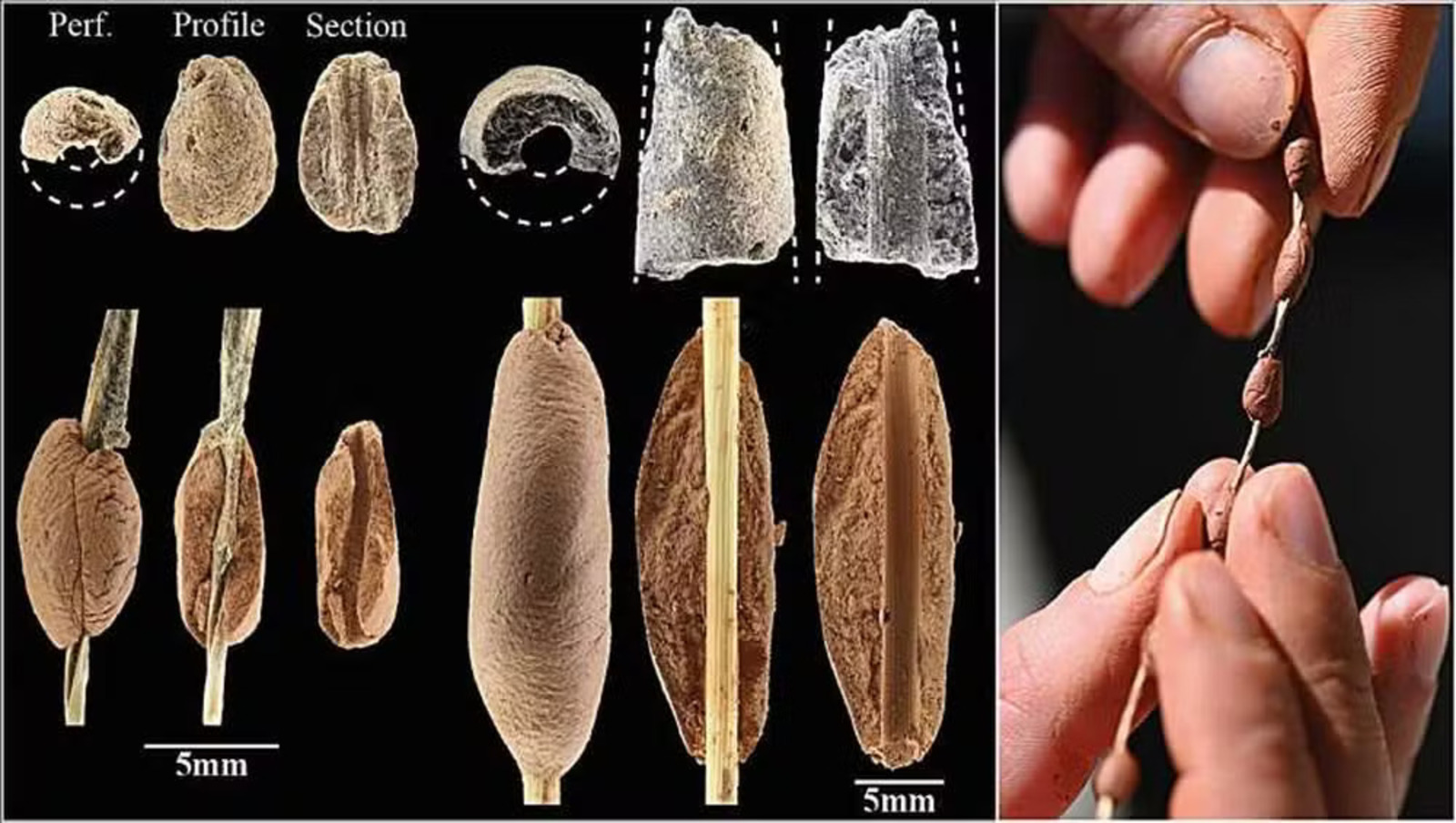
Children have been making clay pieces for 15,000 years in Southwest Asia, and fingerprints preserved on 142 ornaments helped archaeologists prove this.
-
New semi-autonomous legged robot technology challenges the limitations of space exploration by operating almost without human intervention on the Moon.

-
Super toxic red mineral found in the double burial of two women aged 1,900 years near the banks of the Dnieper River in Ukraine.


The Potential Of Electronic Recycling
The large amount of obsolete devices accumulated in homes illustrates a common scenario. There are heavy models, flip phones, smartphones with unusable batteries, and computers that have lost their original function.
All these items are composed of materials such as copper, cobalt, and lithium, which remain essential to the industry. For this reason, the encouragement of recycling these components becomes increasingly relevant, especially due to the difficulty in obtaining some of these elements.
Turning Waste Into Gold
Researchers at the Federal Institute of Technology Zurich announced a significant advancement by demonstrating that it is possible to recover gold from motherboards using a waste product from cheese production.
The group led by Professor Raffaele Mezzenga developed a sponge made from whey proteins, a common byproduct of cheese manufacturing. The procedure involved extracting gold from twenty motherboards, dissolving it, and subjecting it to the protein material.
When the sponge came into contact with the solution, its fibers absorbed the metal ions. Then, heating the sponge reduced these ions to flakes that were later melted to form a small gold nugget.
According to the institute, the technique does not involve hazardous chemical processes and makes use of waste that would normally have no other utility.
Sustainability And Economy
According to Professor Mezzenga, the relevance of the method lies in the fact that it brings together two different wastes and transforms them into gold, representing a solution with a strong environmental appeal.
The institution estimates that the costs of energy and materials used in the technique are fifty times lower than the value of the gold recovered at the end of the process, indicating a potentially viable alternative for larger-scale recycling.
The researcher stated that he intends to commercialize the technology and highlighted the large number of inquiries he has received from people interested in replicating the experiment at home. He noted, however, that although it is relatively simple, the process requires appropriate conditions and cannot be performed in just any type of home environment.
The Illusion Of Personal Profits
The method does not represent an opportunity for wealth for the population. The experience conducted by the Swiss researchers, using about twenty motherboards, resulted in approximately 450 mg of 22-carat gold. Based on the current price of the metal, around 90 euros per gram, the obtained value would be equivalent to about 35 euros.
Moreover, for the recycled gold to reach the final consumer, it would be necessary to rely on specialized intermediary companies, which further reduces the profit margin for individuals wanting to exploit the method on their own.
Environmental Impacts Of Traditional Extraction
The research gains relevance in light of the damages caused by conventional mining. According to WWF, gold extraction often relies on highly toxic substances such as mercury and cyanide, which contaminate soil, water, and air, harming biodiversity and impacting the health of entire communities. Besides the environmental risks, there are social consequences associated with the pursuit of profit in this sector.
The Swiss advancement suggests that the reuse of electronic waste could become more sustainable and efficient, especially when applied collectively.
The use of simple materials, such as whey, paves the way for new recycling alternatives and reinforces the importance of initiatives that reduce the environmental impacts of the tech industry.






-

Uma pessoa reagiu a isso.