





 Portuguese
  English
  Spanish
  4 min of reading
  2 comments




New Engine of the Bugatti Tourbillon Impresses With Its Fusion of Power and Hybrid Technology. With 1,800 Hp, It Redefines the Limits of Automotive Performance.
Bugatti, known for its high-performance supercars, impresses the world once again. But this time, it’s not just for speed or futuristic design.
What is truly surprising engineers and automotive industry enthusiasts is a technological advance that seems to defy the very understanding of the laws of physics.
How has one of the world’s largest hypercar manufacturers managed to create such a revolutionary electric engine that is changing all the rules of the game?
-
The German economist Wolf-Peter Schill has no doubts: “Electric cars are already far superior to cars with internal combustion engines.”

-
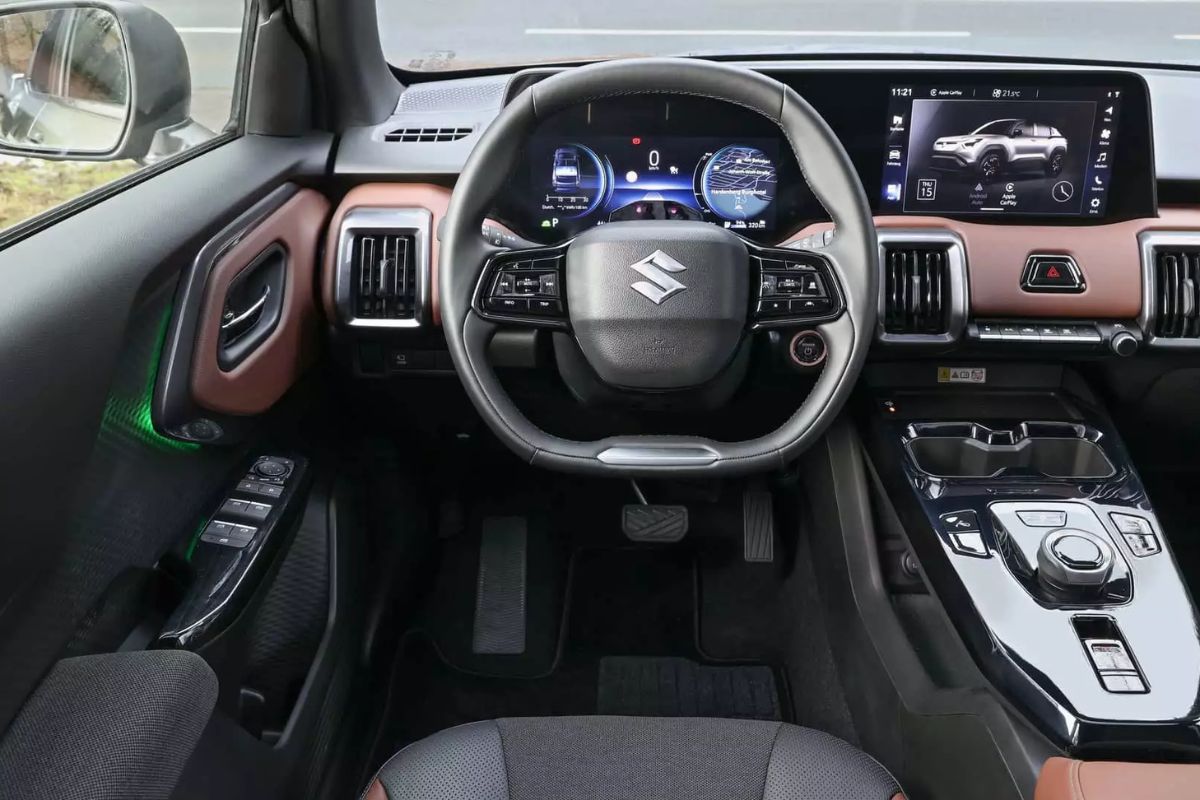
The 2026 electric Vitara arrives in Brazil and proves that Suzuki is not leaving: 4×4 traction, 184 hp, 61 kWh LFP battery, 293 km range, R$ 259,000, and a trunk capacity of 224 L.
-
Hyundai has unveiled the Boulder, a square SUV with a body-on-frame design, 37-inch mud tires, and carriage-style doors that seems to be made to take on the Ford Bronco and the Scout Traveller in the United States.

-
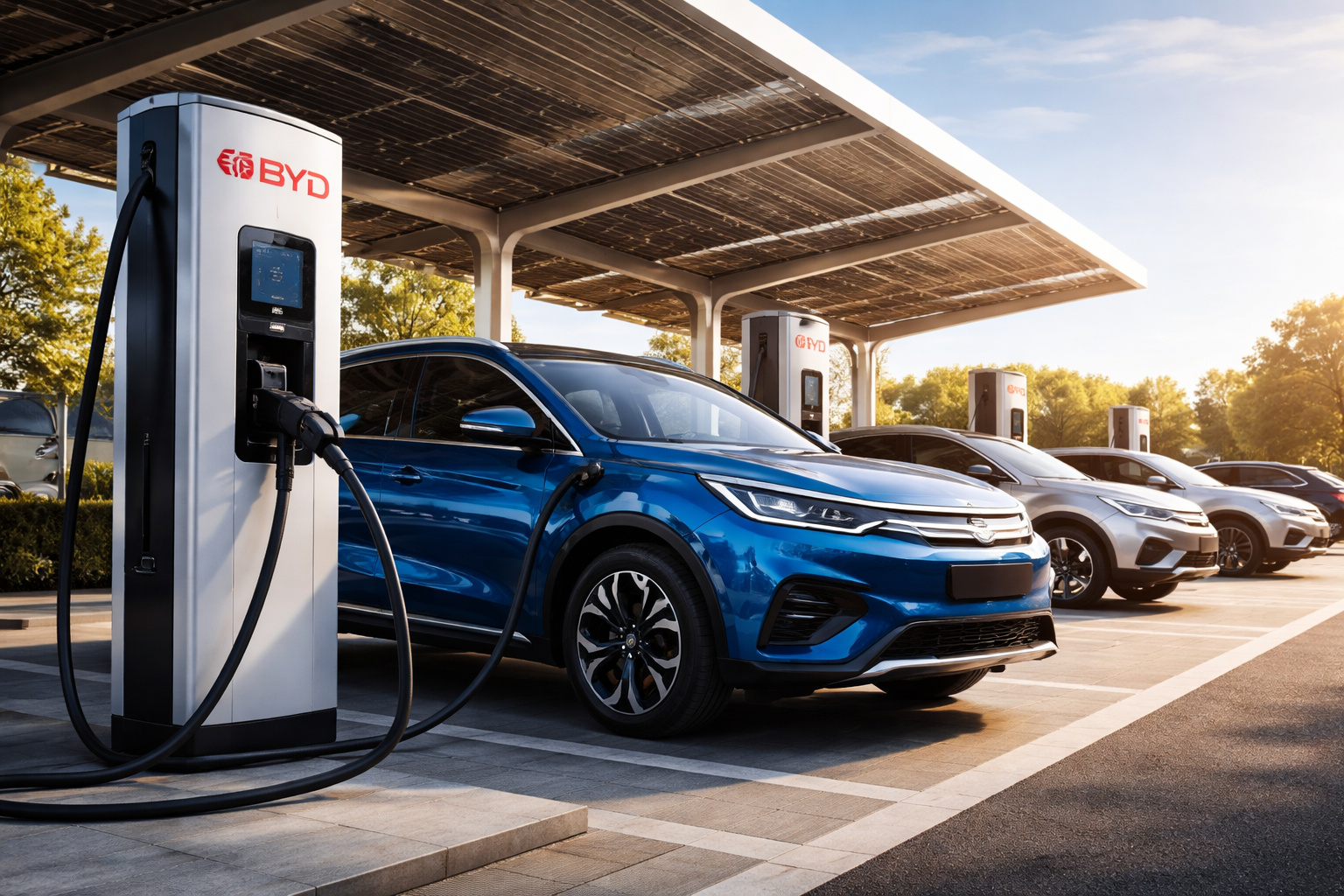
Largest public charging network in Brazil: BYD reaches 125 fast chargers and accelerates national expansion of electric mobility.

Without revealing all the details right away, this engine is already being called a masterpiece of engineering. And what lies behind this revolution may redefine the limits of automotive performance.
The Engine That Is Shocking the World: The Fusion of Electricity and Power
The foundation of this new era at Bugatti is the hybrid V16 engine, which not only marks a new level for hypercars but also impresses with its performance and innovation.
While many expected yet another updated version of the already iconic Chiron, the Tourbillon emerges as something completely different.
Developed with the help of Cosworth, the naturally aspirated 8.3-liter engine delivers an impressive 1,000 hp, without the help of turbochargers. But the real secret lies in the fusion with hybrid assistance.
According to sources close to Bugatti, this combination of combustion engine and electric motors breaks barriers that once seemed unattainable.
According to the engineers involved, the Tourbillon can reach 9,000 RPM, something many experts believed to be nearly impossible without compromising the engine’s durability or weight. And even with this extreme power, the engine maintains surprising lightness, weighing only 251.7 kg.
The Perfect Combination: Hybrid Technology and Electric Innovation
The true trump card of the Tourbillon, however, lies in the addition of hybrid technology. Combining the raw power of the combustion engine with three electric motors, Bugatti delivers a combined power of 1,800 hp.
These electric motors, powered by a 25 kWh battery pack, not only increase performance but also allow the car to have a fully electric driving mode. This advanced system ensures explosive acceleration, propelling the Tourbillon from 0 to 100 km/h in just 2.0 seconds.
Moreover, the electric range of up to 60 km is a bonus that few expected in such a high-performance car. According to Bugatti, this range, although relatively short, is ideal for driving in urban areas without emitting pollutants, reinforcing the company’s commitment to sustainability, even in a hypercar.
The Innovation That Defies Physics: Unmatched Speed and Performance
Bugatti not only delivered a car with brutal power and unmatched performance but also broke paradigms when it comes to acceleration and top speed.
In preliminary tests, the Tourbillon reached a mark of 444 km/h, breaking records and reaffirming Bugatti’s position as a leader in the hypercar market. According to Mate Rimac, CEO of Bugatti, this engine is not just about numbers, but about a complete redefinition of what performance means.
One of the most notable characteristics of the Tourbillon is that it reaches 300 km/h in just 10 seconds, a feat that seems to challenge even the strictest laws of physics. According to experts, this is one of the fastest accelerations ever recorded for a production car.
Lightness and Efficiency: The Secret of Bugatti
Even with a hybrid system and all the onboard technological innovations, Bugatti has managed to keep the Tourbillon lighter than its predecessor, the Chiron. This is largely due to the completely new structure, which uses advanced materials to ensure not only lightness but also top-notch strength and aerodynamics.
The multi-link suspension, 45% lighter, also plays a crucial role in achieving this efficiency without compromising performance.
Another point worth highlighting is the use of an 800-volt electrical system, which allows the electric motor to provide a quick and efficient response. According to industry experts, this system not only enhances performance but also prepares the car for the challenges of the future when the demands for cleaner and more sustainable systems become even more intense.
A Look Into the Future
Although the Tourbillon is still in the testing phase and will only hit the market in 2026, expectations are already high. Only 250 units will be produced, with a starting price of 3.6 million euros (approximately R$ 21 million). For many, this will be the car that not only challenges physics but also redefines the future of hypercars.
Based on reports released by Bugatti, the first cars are expected to be delivered by the end of 2026, and experts are already anticipating that it will be one of the most limited and exclusive productions in the brand’s history.
For experts, the electric engine of the Bugatti Tourbillon is not just a technological advance, but a true revolution. It combines extreme performance with energy efficiency, redefining the concept of hypercar.
The question now is: do you believe that this combination of power and technology can exceed the expectations of those seeking the car of their dreams, or will the future of hypercars be entirely electric?







Uma relação inútil de custo/benefício, ainda mais num mundo q busca a sustentabilidade. Além disso esse desempenho Será por puro hobby, nada mais. Tem coisas mais interessantes q potencias exageradas. As estradas não permitem andar mais q 140km/h. Puro desperdício!!
Num país como o nosso repleto de radares nas estradas o motorista acabaria tendo um ataque de nervos de tanto usar o freio para não deixar o carro andar…