





 Portuguese
  English
  Spanish
  5 min of reading
  0 comments


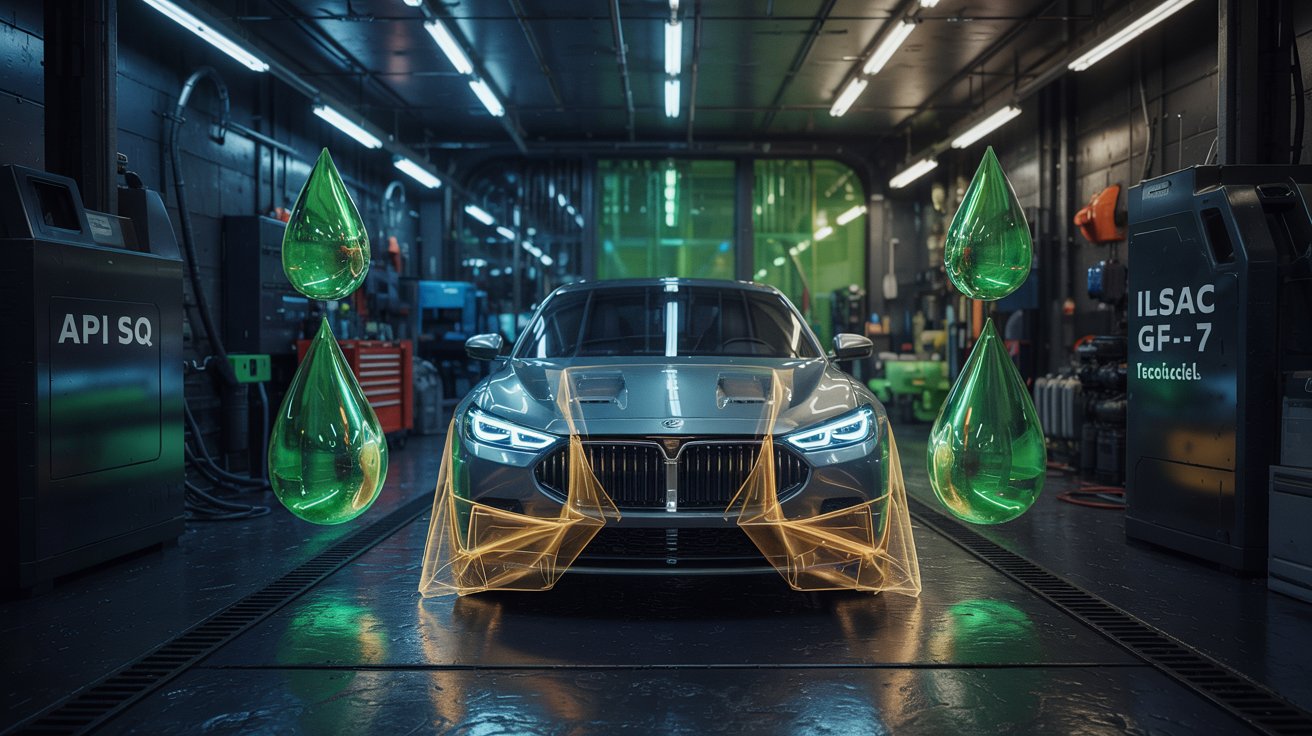
An Innovation That Emerged After Years of Research and Is Now Available in Brazilian Stores Promises to Transform the Way We Care for Car Engines.
Lubricant Developed for Hybrid and 1.0 Turbo Cars Arrives in Brazil with Promises of Savings and Lower Emission of Pollutants
The automotive industry is undergoing a major transformation in light of the challenges posed by new environmental legislation.
With the enactment of Proconve L8 in Brazil — a program imposing stricter emission control rules — manufacturers and suppliers are seeking solutions to make vehicles cleaner and more efficient.
-
The village where two rivers run side by side without mixing in Santarém and Alter do Chão reveals some of the most beautiful freshwater beaches on the planet.

-
Brazil’s nuclear submarine with a speed 5 times greater than normal advances after nearly 50 years and R$ 40 billion spent.

-
A Brazilian island charges R$ 0.50 to receive visitors and prohibits any new residents.

-
Why was the Great Wall of China built? The truth that many are unaware of!

In this scenario, a new type of lubricating oil has just been launched on the national market with the promise of reducing fuel consumption by up to 5% and increasing engine protection, especially in hybrid cars and those with a 1.0 turbo engine.
Developed according to international standards API SQ and ILSAC GF-7, the new lubricant represents an advancement in automotive fluid technology, and arrives for consumers as a direct response to the technical and environmental requirements of the new phase of Proconve, which comes into effect in January 2025.
International Technology Focused on the Brazilian Market
The initiative to bring the product to Brazil originated from Vibra, formerly Petrobras Distribuidora, one of the country’s leading energy companies.
According to the company, the new oils were formulated based on studies specifically focused on Brazilian conditions of climate, fuel, and drivability.
Thus, the launch meets not only technical requirements but also the driving habits of Brazilian motorists.
The chemical formulation of the lubricants has been completely redesigned to reduce friction between the internal components of the engine.
This adjustment is essential to ensure that the energy from fuel combustion is better utilized, which, in addition to saving gasoline or ethanol, reduces the amount of pollutant gases released into the atmosphere.
According to Vibra, laboratory tests indicate that the product provides up to 70% more protection against corrosion compared to previous oils.
This means greater durability for the engine and lower maintenance costs over the long term.
Benefits Go Beyond Savings
Among the main attractions of the new oil is its compatibility with start-stop systems, a common technology in modern cars that automatically shuts off the engine during quick stops, such as at traffic lights, to save fuel.
In these cases, lubrication needs to be efficient even with constant starts.
Another highlight is the reduction of gel formation, a common phenomenon in varying climates that can compromise adequate lubrication.
The new formula prevents this gelling, as well as minimizing the buildup of dirt in the engine, ensuring more cleanliness and fluidity during operation.
Experts explain that using the correct lubricant is essential not only for performance but also for the lifespan of the engine.
In small vehicles with turbocharged engines — such as the popular 1.0 turbo — the risk of pre-ignition at low RPMs is high, mainly due to high compression and internal temperatures.
The End of “Knock”?
The new generation of lubricants also arrives as a response to the pre-ignition problem, a critical failure that affects modern engines and, if not controlled, can cause everything from premature wear of spark plugs to the complete destruction of pistons and crankshafts.
This failure is popularly known as “knock” and represents one of the greatest nightmares for owners of small, turbocharged cars.
As journalist José Casado from Revista Veja pointed out, automotive scientists have long predicted that modifications in oil composition would be crucial to avoid this type of damage.
And that is exactly what is expected from the new product now available in Brazilian auto repair shops and parts stores.
Combination of Energy Efficiency and Sustainability
The search for greater energy efficiency has guided the industry worldwide, and lubricants play a central role in this process.
Although the API and ILSAC standards originated in the United States, their requirements are increasingly being adopted by manufacturers and suppliers in emerging markets like Brazil.
According to data from the Brazilian Association of Automotive Engineering (AEA), more than 30% of vehicles sold in the country currently have a 1.0 turbo engine or hybrid system, segments that will benefit the most from the new oil.
In addition to helping to meet environmental goals, the new technology also meets consumer expectations for real fuel savings.
And, with the constant price adjustments of gasoline and ethanol, any percentage of reduction in consumption represents a significant advantage.
Availability and Gradual Adoption
Although the product is already available in stores, the adoption of the new lubricating oil will still depend on manufacturers’ recommendations.
Cars with manuals that already require API SP standard oils or higher will probably be able to benefit from the novelty without restrictions.
However, drivers should pay attention to the manufacturer’s specifications before changing the type of oil, as compatibility with the engine is essential to guarantee the promised benefits.
It is worth remembering that using an unsuitable lubricant can void warranties and compromise vehicle performance.
Global Trend and Necessary Advancement
The arrival of API SQ/ILSAC GF-7 lubricants in Brazil represents an important step towards the modernization of the national automotive market, bringing the country closer to international standards of efficiency and sustainability.
According to industry experts, it is likely that other brands will follow Vibra’s lead and launch similar products in the coming months, fostering competition and making this technology more accessible.
Meanwhile, for consumers, the tip is to follow manufacturers’ recommendations and, whenever possible, choose products that provide real performance and protection gains for the vehicle.
And you, did you already know the impact that a good lubricating oil can have on the performance and durability of your car? Leave your comment and share your experience with us!






-

Uma pessoa reagiu a isso.