





 Portuguese
  English
  Spanish
  2 min of reading


Saudi Decision Affects Global Market and Petrobras’ PPI
In an unexpected move that promises to alter the global energy landscape, Saudi Arabia announced its decision to cut daily oil production by 1 million barrels starting in July. This step has significant potential to impact fuel prices around the world and may bring new challenges for the newly established Import Parity Price (PPI) policies by Petrobras.
Saudi Production Drops to Lowest Level in Two Years
The initiative, according to the Saudi Ministry of Energy, will result in a daily production of 9 million barrels of oil in July, which represents a considerable drop compared to 10 million barrels in May. This is the lowest production rate in the last two years.
This reduction is voluntary and is one of the main pillars of an agreement sealed with OPEC+, in which oil supply will be limited until 2024. The goal of this strategy is to boost oil prices, as reported by Reuters.
-
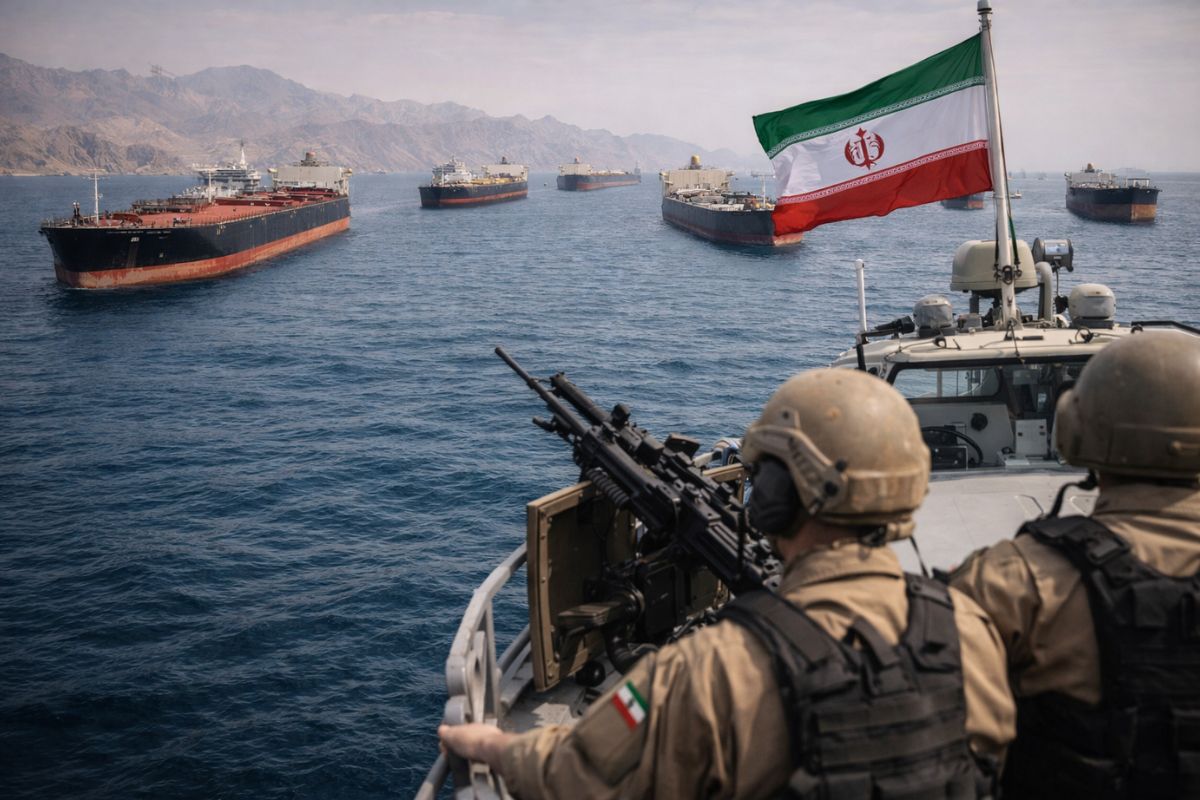
Only 7 ships have crossed the Strait of Hormuz in the last 24 hours when the normal is 135 per day, and the United Arab Emirates confirms that 230 oil tankers loaded with oil are ready to depart but are prevented from leaving while Iran turns the waterway into a sovereign control post.
-
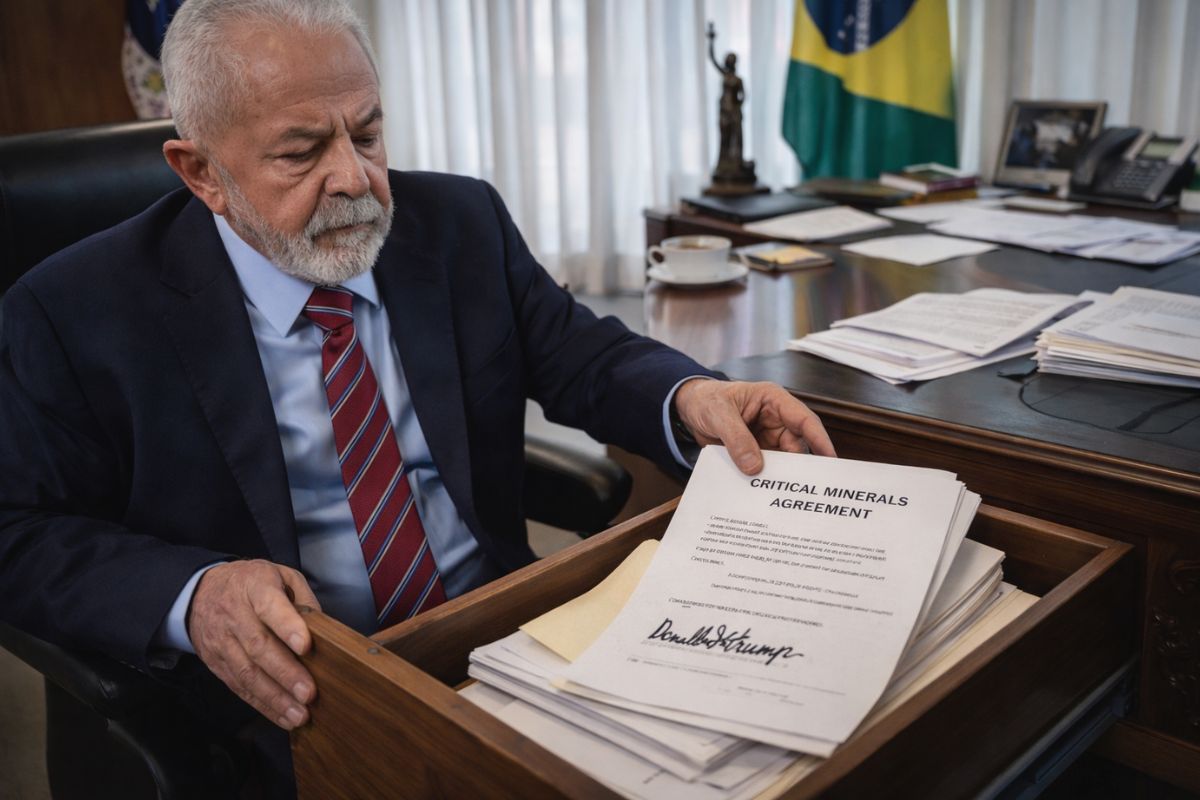
Trump sent a treaty on critical minerals to Lula in early 2026, and the document is sitting in the president’s drawer unsigned because the Brazilian government considers the proposal too generic and refuses to turn the country into a mere exporter of raw materials.
-
R$ 7 billion forgotten in the FGTS may finally be released after failures in the 2025 measures, while millions of workers find out they may have unclaimed money.

-
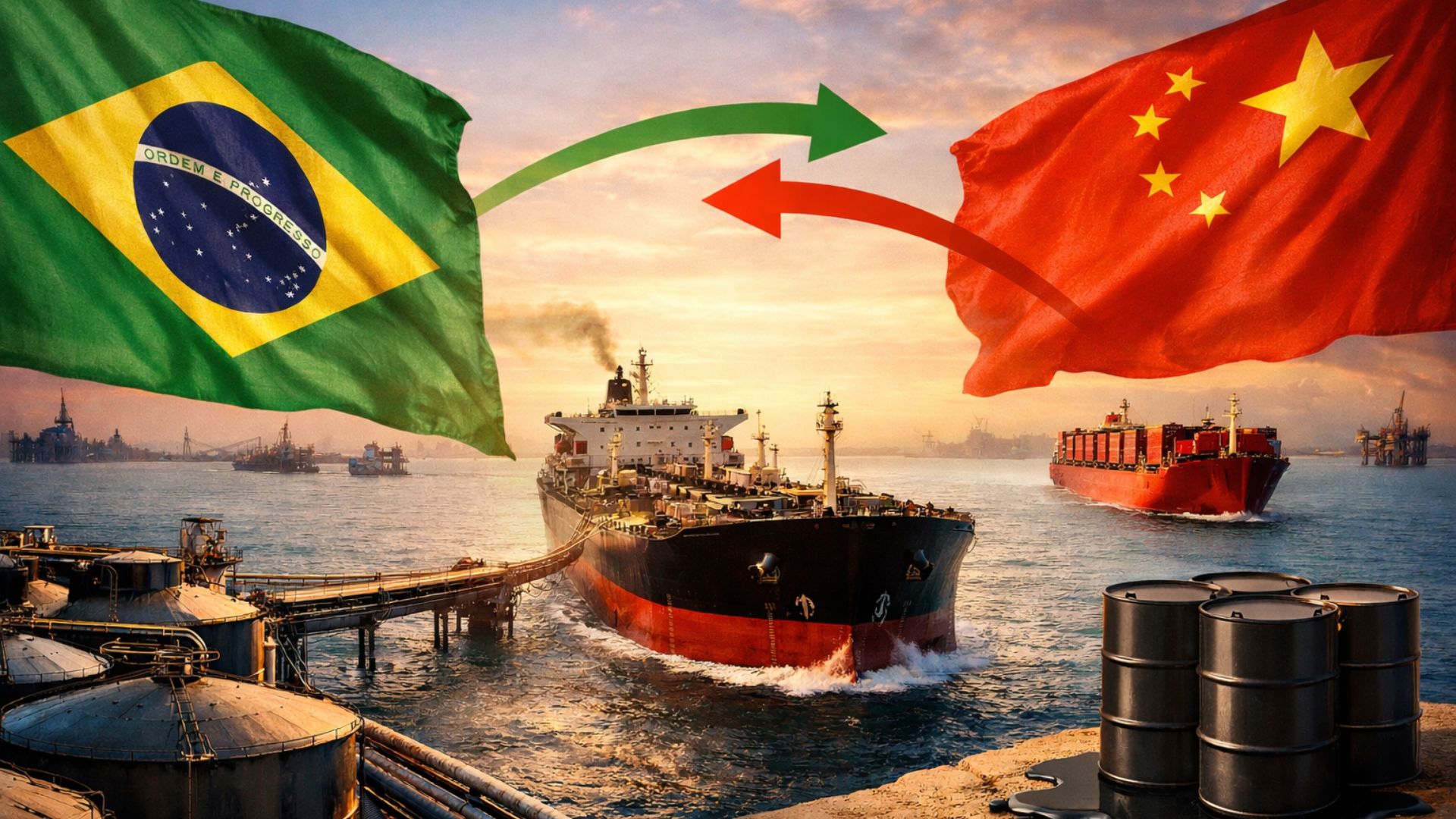
Brazil’s oil exports soar with record purchases from China, potentially generating a new cycle of economic growth, increasing external revenues, and consolidating the country as a global strategic supplier.
Video: Watch the Report from Euronews Channel with Details on the Topic


Saudi Arabia and Russia: Oil Giants in Motion
The Saudi Energy Minister, Prince Abdulaziz, explained that this action is part of a broader strategy to keep the market in suspense. The element of surprise is seen as a tool to stabilize the oil market.
This announcement follows a similar action by OPEC+ which, in April, announced a cut in oil production equivalent to 1 million barrels per day, impacting the market in May.
Now, with the new cut announced by Saudi Arabia and also by Russia, the reduction in July will be even greater. Russia, which had already decreased production by 500 thousand barrels per day from March to June, intends to maintain this measure until the end of 2023.
Saudi Arabia holds the unique ability to easily adjust its production due to its infrastructure and storage capacity, which gives it a strategic position within the OPEC+ group.
The reduction in oil production is expected to exert upward pressure on oil prices. Last Friday (Jun. 2, 2023), Brent oil closed the week priced at US$ 76 (R$ 376.7).








Seja o primeiro a reagir!