





 Portuguese
  English
  Spanish
  5 min of reading
  0 comments


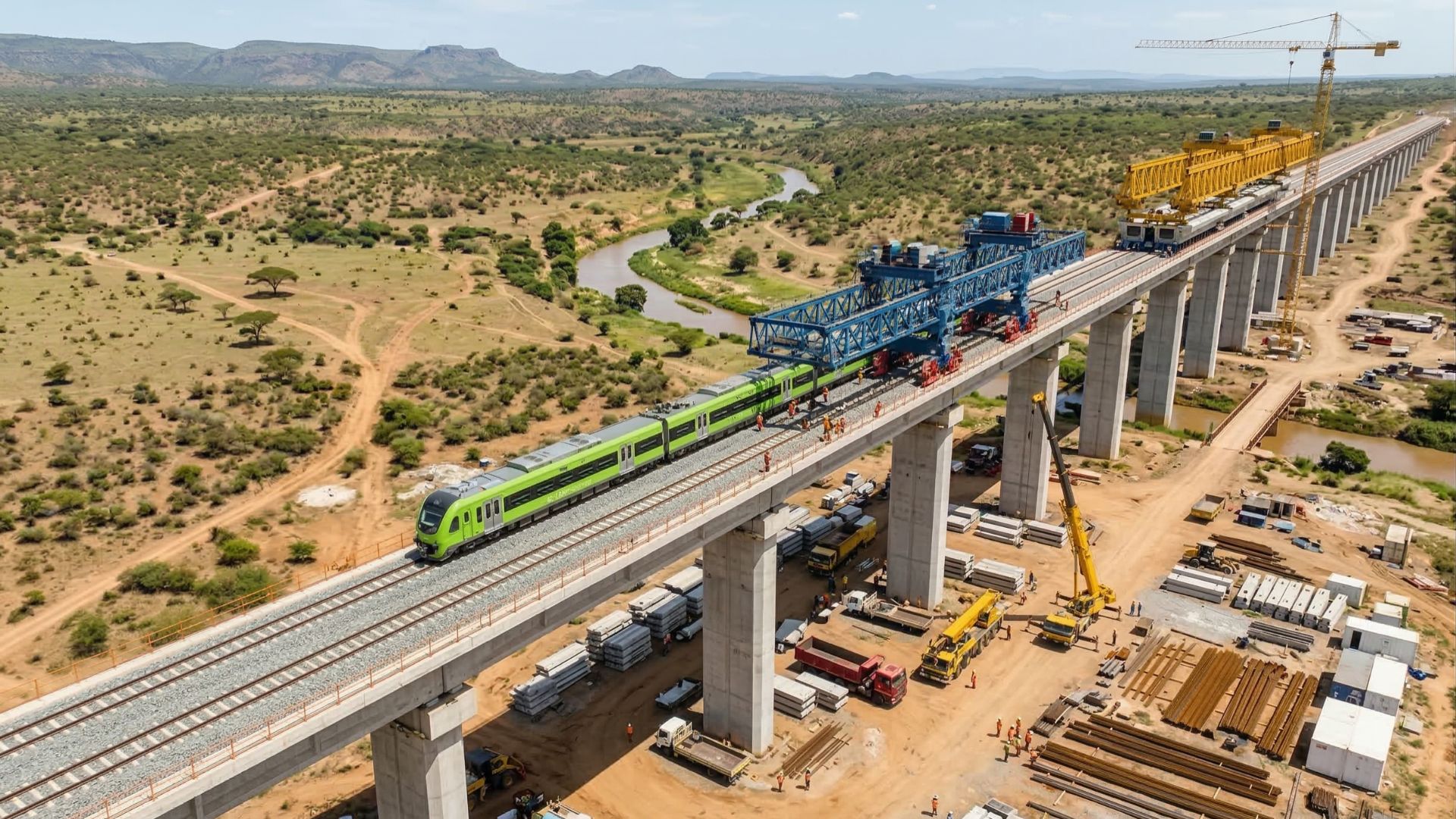
Modern Railway Corridor Redesigns Logistics Between Mombasa Port and Kenyan Capital After Billion-Dollar Investment Financed by China and Executed in a Few Years, Drastically Reducing Travel Time and Putting Infrastructure at the Center of the Debate on Development, Foreign Debt and Geopolitical Influence in East Africa.
The standard gauge railway between Mombasa and Nairobi, in Kenya, has established itself as one of the largest infrastructure works in East Africa in recent decades by linking the country’s main port to the capital in 472 kilometers of modern tracks.
Primarily financed by the Export-Import Bank of China and executed by China Road and Bridge Corporation, the project partially replaced the reliance on a network inherited from the British colonial period and has since taken on a central role in Kenyan logistics.
Standard Railway Connects Mombasa Port to Nairobi Capital
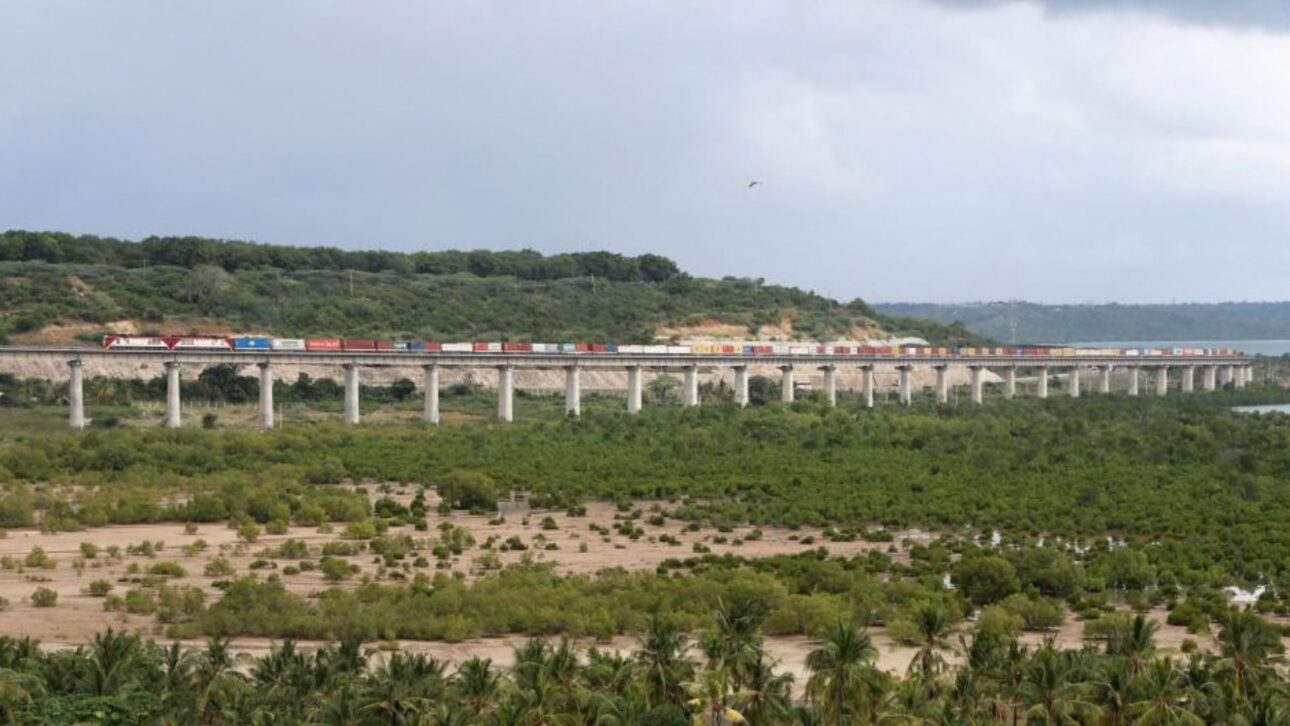
The line, known as the Standard Gauge Railway and operated as Madaraka Express for passenger service, began construction in 2014 and became operational in 2017.
-
Congonhas receives the monorail promised for the 2014 World Cup after more than a decade of delays and becomes the first airport in Brazil with integrated subway.
-
Goodbye, concrete: a new trend in civil construction reduces the weight of the structure by up to 30%, accelerates projects by up to 40%, cuts costs on steel and labor, and improves thermal insulation with EPS.
-
Russian engineers create an innovative propeller blade for aircraft that could completely change the way airplanes and helicopters operate.

-
Couple finishes building PVC chalet on the beach on the last day, with air conditioning and curtains, but discovers the bathroom drain is inverted: water escapes from the drain, risking breaking the floor, and the rush continues before the trip.


Since then, it has become a showcase for Chinese advancement in railway projects on the continent and a strategic piece for Kenya’s plan to reduce transportation costs between the coast and the interior, as well as to increase the railway’s share in freight transport from the port of Mombasa.
Prior to the new railway, the connection between Mombasa and Nairobi relied on an old, slow structure that was difficult to maintain.
The colonial railway corridor, popularized throughout the 20th century, no longer met the pace of the Kenyan economy or the growth of regional trade.
Modernization thus became a state project, in line with China’s policy of funding major infrastructure corridors in emerging markets.
Engineering Faces Unstable Soil and African Savanna
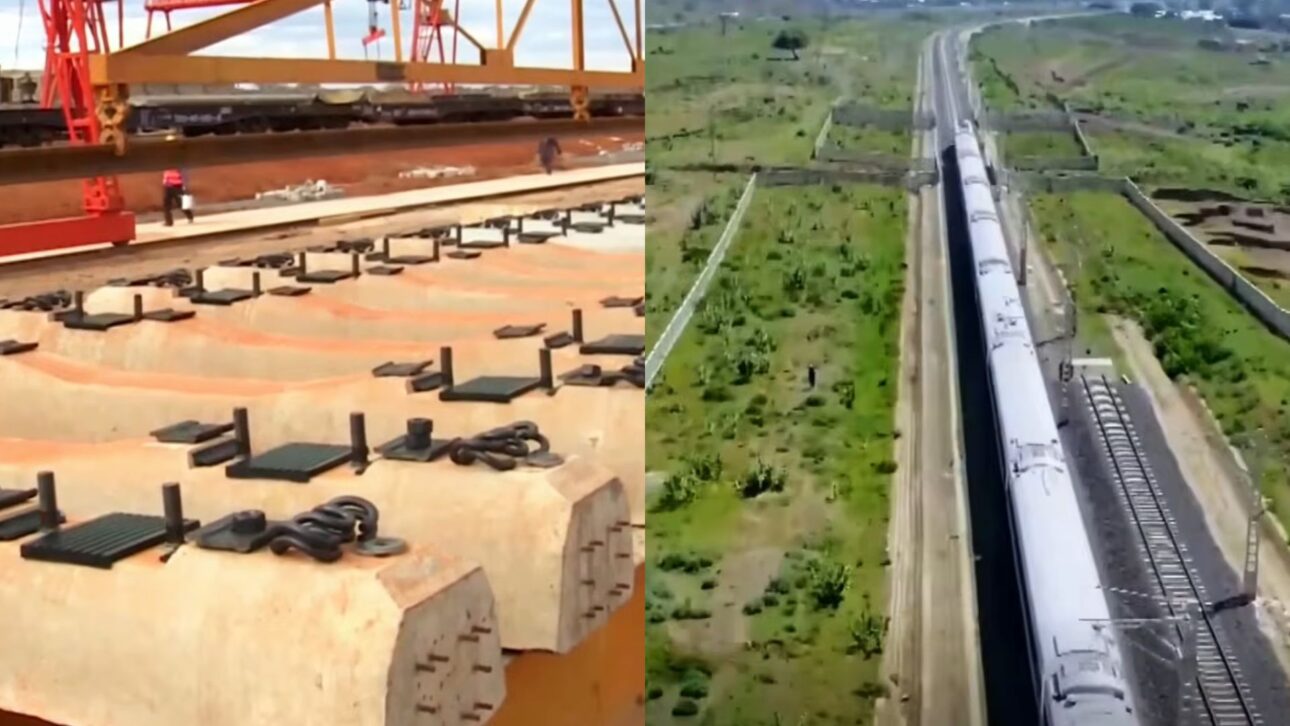
The route crosses areas of savanna, stretches of unstable soil, and environmentally sensitive zones, requiring engineering solutions to ensure stability and operational continuity.
A significant portion of the infrastructure was raised on viaducts and overpasses, both to overcome elevation changes and to reduce interference with wildlife, especially in areas near animal migration corridors.
The use of bridges, technical embankments, reinforced drainage, and foundations adapted to different types of terrain was crucial to make the project viable.
In addition to the geotechnical challenge, the project needed to balance execution speed with industrial standardization.
The adopted logic followed a model already explored by Chinese engineering in other countries: large-scale manufacturing, accelerated assembly, and strong integration between design, material supply, and execution.
This arrangement allowed for adherence to a timeline considered aggressive for a railway of this magnitude, especially in a corridor with high environmental and logistical demands.
Travel Time Between Mombasa and Nairobi Falls Drastically
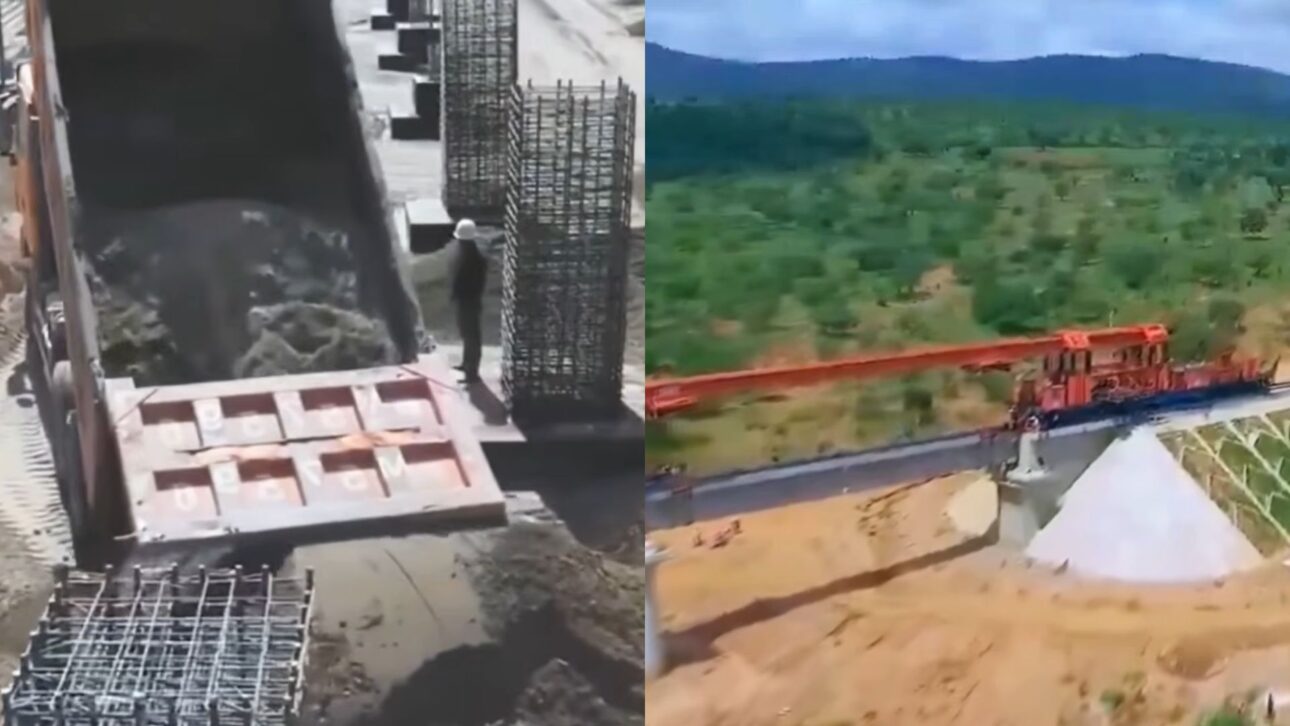
In passenger transport, the line has significantly reduced travel time between the two cities.
The old journey, which could take around 12 hours, has given way to significantly faster trips on the modern service.
The railway has also reorganized the flow of goods between the port of Mombasa and distribution centers in the interior, although the profitability and pricing structure of the system remain at the center of economic and political debate in Kenya.
This debate intensified as details of the financing came to light.
Documents released by the Kenyan government showed that the project’s contracts involved long-term loans from the Chinese bank, in billion-dollar amounts, and clauses that fueled internal controversy over cost, transparency, and the country’s exposure to foreign debt.
Nonetheless, the railway continues to be presented by Kenyan officials as a long-term investment in national logistical reorganization.
Infrastructure Also Reflects Geopolitical Dispute in Africa
The geopolitical role of the project also extends beyond Kenyan territory.
The railway was conceived as part of a broader corridor aimed at regional integration in East Africa, with the ambition of connecting later to other interior areas and neighboring countries.
Although expansion beyond Nairobi has progressed more slowly than initially anticipated, the main line has consolidated a modern axis between the coast and the capital, reinforcing China’s presence in a sensitive sector of African infrastructure.
In practice, railway modernization has altered the economic landscape of the Mombasa-Nairobi corridor.
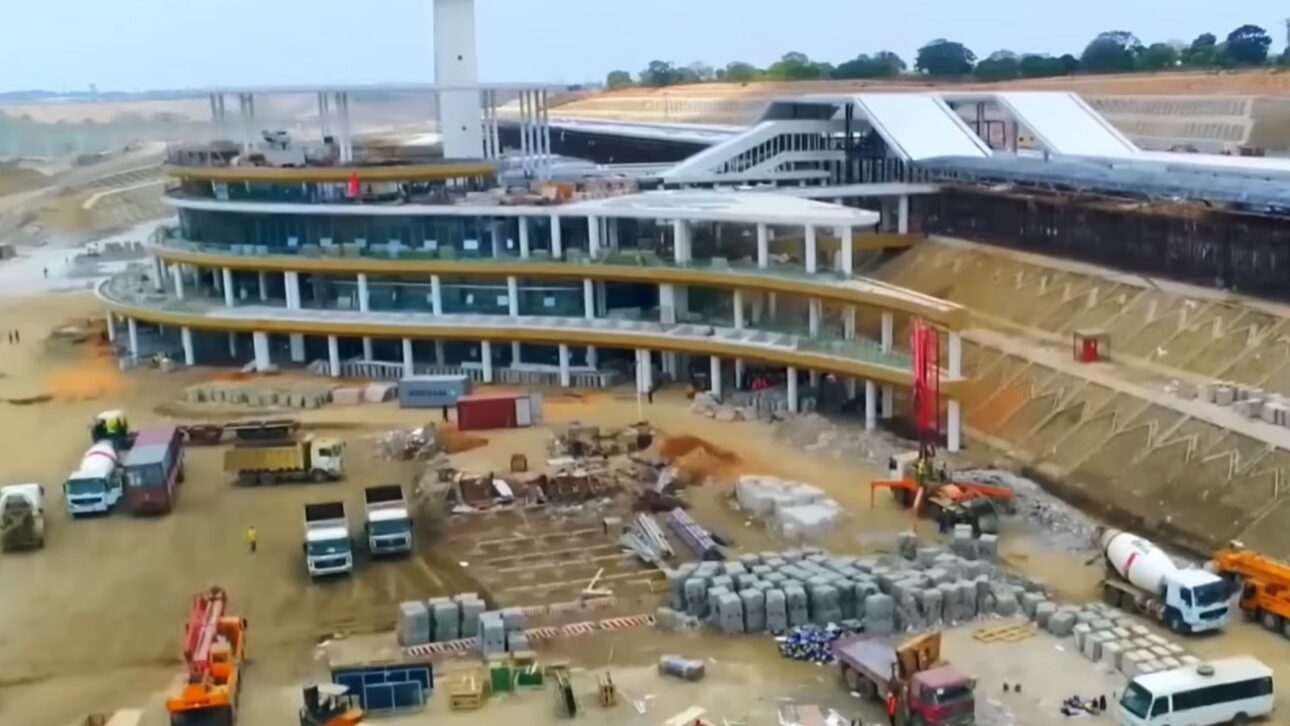
The system has begun to offer an alternative to road transportation, which has historically been pressured by congestion, accidents, road deterioration, and high operational costs.
For the government, the strategy was clear: move some of the heavy cargo onto the tracks, relieve the highways, and create a logistical backbone capable of inducing industrial and urban investment along the route.
Economic, Environmental, and Political Impacts Enter the Debate
The results, however, are viewed through different lenses within the country itself.
On one side, the railway has increased transportation capacity, modernized mobility between two decisive poles of the Kenyan economy, and become a visible symbol of material transformation.
On the other side, businesspeople, economists, and opposition sectors have questioned, at different times, the project’s cost, the pressure to transfer cargo from the road to the train, and the speed necessary for the operation to become financially sustainable.
In the environmental realm, the line is still under observation.
Underpasses, viaducts, and other structures were incorporated into the project to reduce impacts on wildlife in sensitive areas, including stretches related to ecosystems used by large mammals.
Subsequent studies and records indicated the use of these passages by animals but also pointed out that the railway changed the movement dynamics in some areas, keeping alive the debate about the limits between heavy infrastructure and conservation.
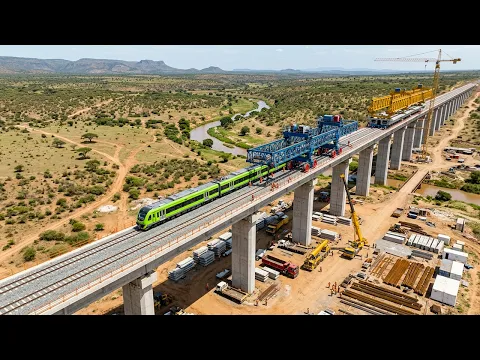

Even with these controversies, the railway between Mombasa and Nairobi remains a landmark of Chinese presence in Africa and one of the main transportation interventions ever made in Kenya since independence.
The project condensed, in a single corridor, promises of logistical efficiency, competition for international influence, pressure on public accounts, and a country’s effort to adapt its infrastructure to a more integrated, urban economy dependent on modern circulation chains.
By transforming a historically slow route into a contemporary railway corridor, the work has repositioned the debate on development in East Africa.
More than shortening distances, the line has helped redefine the importance of infrastructure in Kenyan growth and clearly exposed the political and financial costs of accelerating this process in partnership with China.








-

-

-

-

-

-

39 pessoas reagiram a isso.