





 Portuguese
  English
  Spanish
  3 min of reading
  49 comments


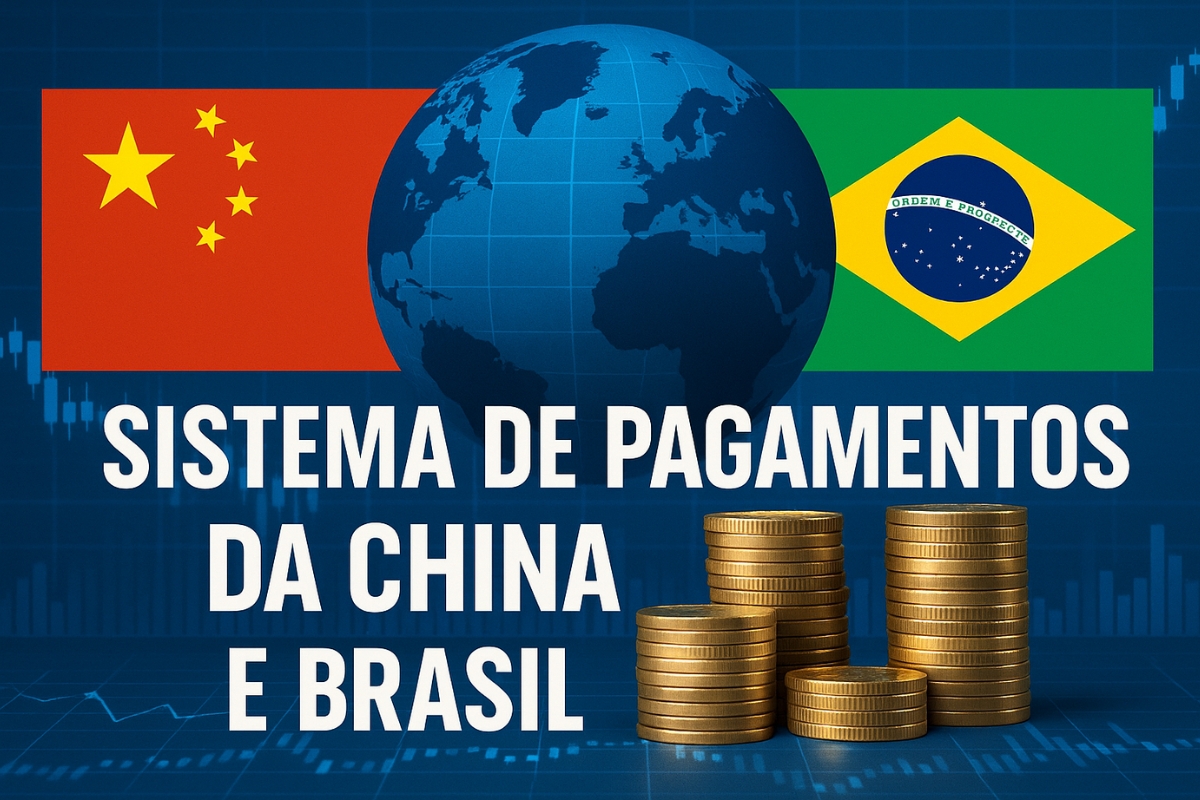


China Expands CIPS, Alternative to SWIFT, and Targets Brazil to Reduce Currency Costs, Increase Yuan Settlements, and Challenge the Dollar’s Global Dominance
Beijing no longer talks about creating a “BRICS currency.” The real strategic move is in CIPS (Cross-Border Interbank Payment System), the Chinese network aimed at reducing dependence on SWIFT and opening up space for yuan settlements in international trade.
And Brazil, China’s largest trading partner in Latin America, emerges as a key point for this transformation.
What Is CIPS and Why Brazil Matters
Launched in 2015, CIPS already connects over 170 financial institutions directly and nearly 1,500 indirectly, across 119 countries. In 2024 alone, it processed the equivalent of US$ 24.5 trillion in transactions.
-
Inflation in March reaches 0.88% according to IBGE and pressures the Brazilian economy, impacting family budgets and requiring more strategic decisions to maintain financial control.
-
In Paraná, distributor Pacto connects 100% of the load in Coronel Vivida to batteries: a BES of 10 MW and 20 MWh costs just over R$ 30 million and lowers the local tariff now.

-
With a dependence of up to 80% on gas imported from the United States, Mexico is responding with a robust energy strategy, betting on shale gas, creating a scientific committee, and preparing to expand natural gas production to reduce vulnerability and strengthen its energy security in the coming years.

-
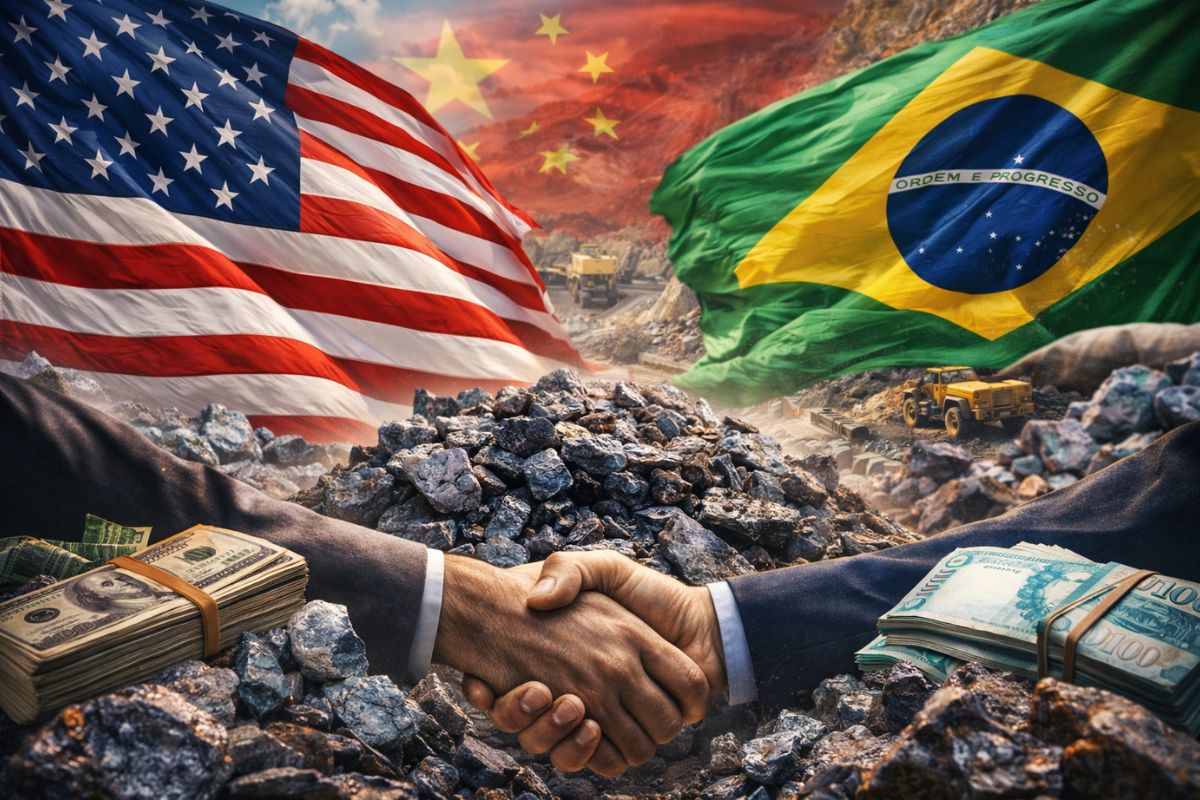
The United States proposes to Brazil a critical minerals agreement with a minimum price to combat Chinese dumping and priority for investment, but the Planalto is blocking the signing out of fear of upsetting China and due to electoral calculations in a year of competition.
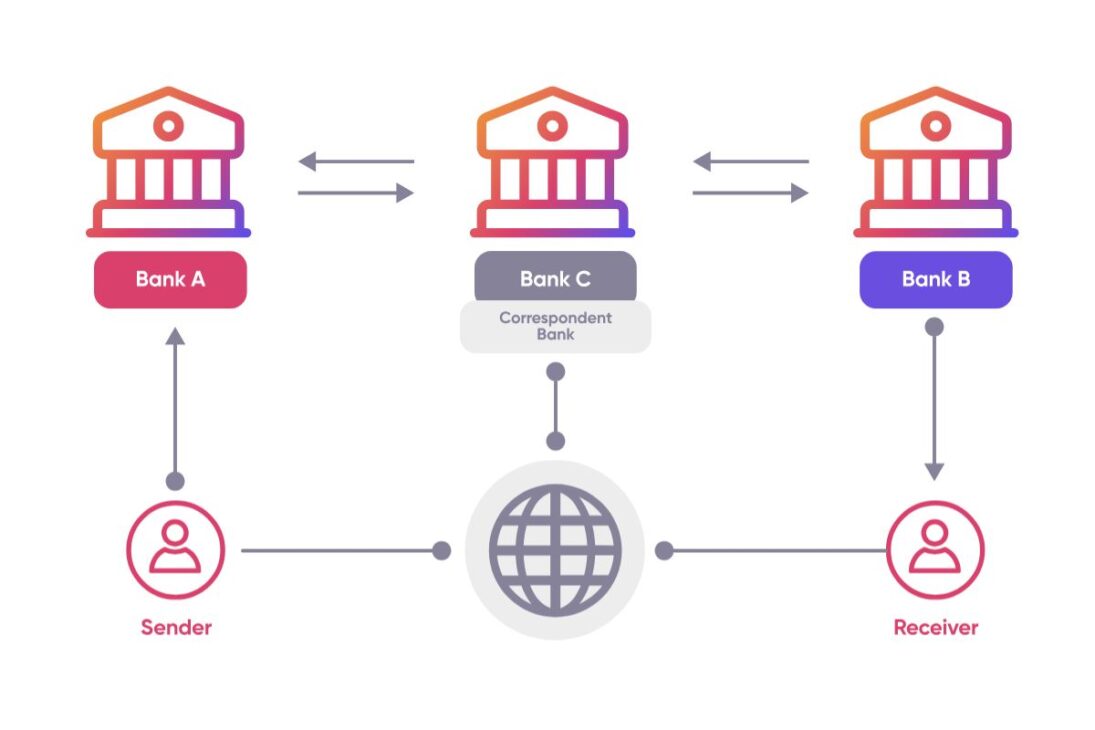
Unlike SWIFT, which functions only as a messaging system, CIPS combines messaging and settlement, allowing transactions to be made in yuan without necessarily going through the dollar.
For Brazil, this means that soybean, mineral, and oil exporters could receive payments directly in RMB, reducing currency exchange costs and minimizing exposure to financial sanctions.
For Beijing, integrating Brazil into the system is strategic: in addition to the significance of Brazilian commodities, it aims to consolidate an ally in Latin America to strengthen the internationalization of the yuan.
Geopolitics and Risks for the USA
The advancement of CIPS has a clear political vector. Since 2022, the use of the dollar as a sanction weapon has raised concerns among several countries about creating alternatives.
China is already testing interconnections between CIPS and SPFS, the Russian system, building a parallel network that escapes the direct reach of Washington.
For the USA, the danger is not in a nonexistent “BRICS currency,” but in Brazil’s ability, along with China, Russia, and partners, to settle outside the dollar ecosystem.
Donald Trump has already signaled tariffs of up to 100% for countries supporting alternatives to the dollar. But this stance can have the opposite effect: accelerating the adoption of emerging economies to CIPS, precisely to protect their export chains.
What Changes for Brazilian Banks and Companies
In practice, the impact will be felt in the wallet. Today, Brazilian companies selling to China typically settle via SWIFT, with conversion to dollar and then to yuan. This process makes transactions more expensive and extends timelines.
With CIPS, payment can be made directly in RMB, reducing fees, increasing speed, and mitigating currency risks.
Additionally, for Brazilian banks, integrating with CIPS opens up opportunities to capture part of the global financial flows in yuan.
No wonder there are already negotiations to expand swap lines between the two countries and establish new RMB clearing banks in Brazil as a way to provide liquidity to the Chinese currency in the local market.
Challenges and Next Steps
Despite rapid growth, CIPS still faces barriers. Many international participants remain exposed to the American system, which may limit the project’s autonomy in sanction scenarios.
In Brazil, adoption depends on regulatory adjustments, the interest of private banks, and the willingness of companies to enter contracts directly in yuan.
In the next two years, it will be crucial to monitor:
- The increase in Brazil–China trade settled in RMB;
- The establishment of yuan clearing banks in Brazilian territory;
- The eventual integration of CIPS with digital platforms, such as mBridge, which tests instant settlement between central banks.
The central point is that, for China, it is not about destroying the dollar overnight, but about creating margins of maneuver.
If Brazil embarks on this movement, it could become a key player in a global financial architecture that reduces the centrality of the USA and inaugurates a new map of economic power.








Será que o povo brasileiro, estaria interessado, em viver refém de um sistema financeiro comunista.
Já param pra pensar que neste regime, o povo não tem o direito a liberdade de informação.
Exemplo do que estou falando, são as condenações que foram aplicadas pelo regime, 11 pessoas da mesma família foram condenadas a pena de morte .
Refém? Somos só refém do Swift, este sistema novo além de mais barato, deixaremos de ser refém, o Swift continua operacional para que quiser pagar fortunas a bancos e taxas para converter e desconverter dólar. Você está tão doutrinado com a falsa liberdade ocidental que por puro preconceito não consegue raciocinar que um sistema alternativo é liberdade. Alternativo significa o oposto de único! Falta de opção significa monopólio.
Uai? O Brasil é refém do capitalismo predatório ? Ademais, Comunismo não existe. As regras no mundo todo são as do capitalismo. Tanto Brasil, China, Índia e meio mundo, tentam saídas a esta situação de refém do dólar. Ah! Quanto mais sanções, mais o mundo tentará se desvencilhar delas. Isto não é pra amadores.
CIPS. Aqui faço comentários sopre CIPS. seus nojentos. CIPS talvez curta a hegemonia de dólares quando tudo mundo presta atenção que China não pode entra na herança
Esse presidente atual não me representa 🤮
Se f0de aí, 0tário. Muda para o Afeganistão, exemplo de teocracia sem STF e com todo mundo armado. Vai adorar.