





 Portuguese
  English
  Spanish
 3 min of reading


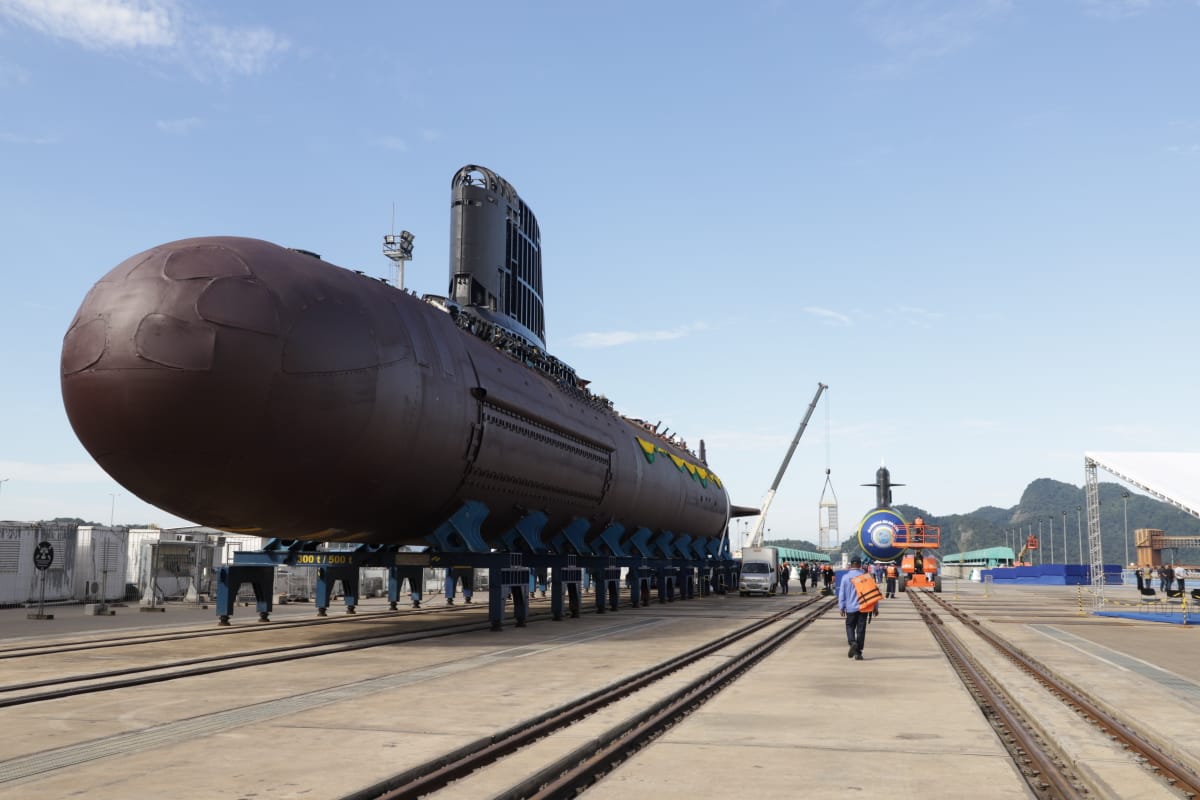
The Itaguaí Naval Complex, located in the metropolitan region of Rio, received a visit from the president last Thursday (23) for the development of a Brazilian nuclear submarine.
In 2008, Lula’s second term marked the creation of the Submarine Development Program (Prosub), which involved technology transfer as part of its partnership with France to create a Brazilian nuclear submarine.
The plan calls for the creation of four traditional submarines powered by diesel-electric propulsion, which resemble France’s Scorpène design. Additionally, it requires the construction of a nuclear-powered submarine.
The inaugural standard submarine of Prosub, Riachuelo, was finally delivered in September 2022, five years ago. The second, Humaitá, is undergoing sea trials and is expected to be handed over to the Navy in the second half of this year. The remaining pair is set to be delivered by 2025.
-
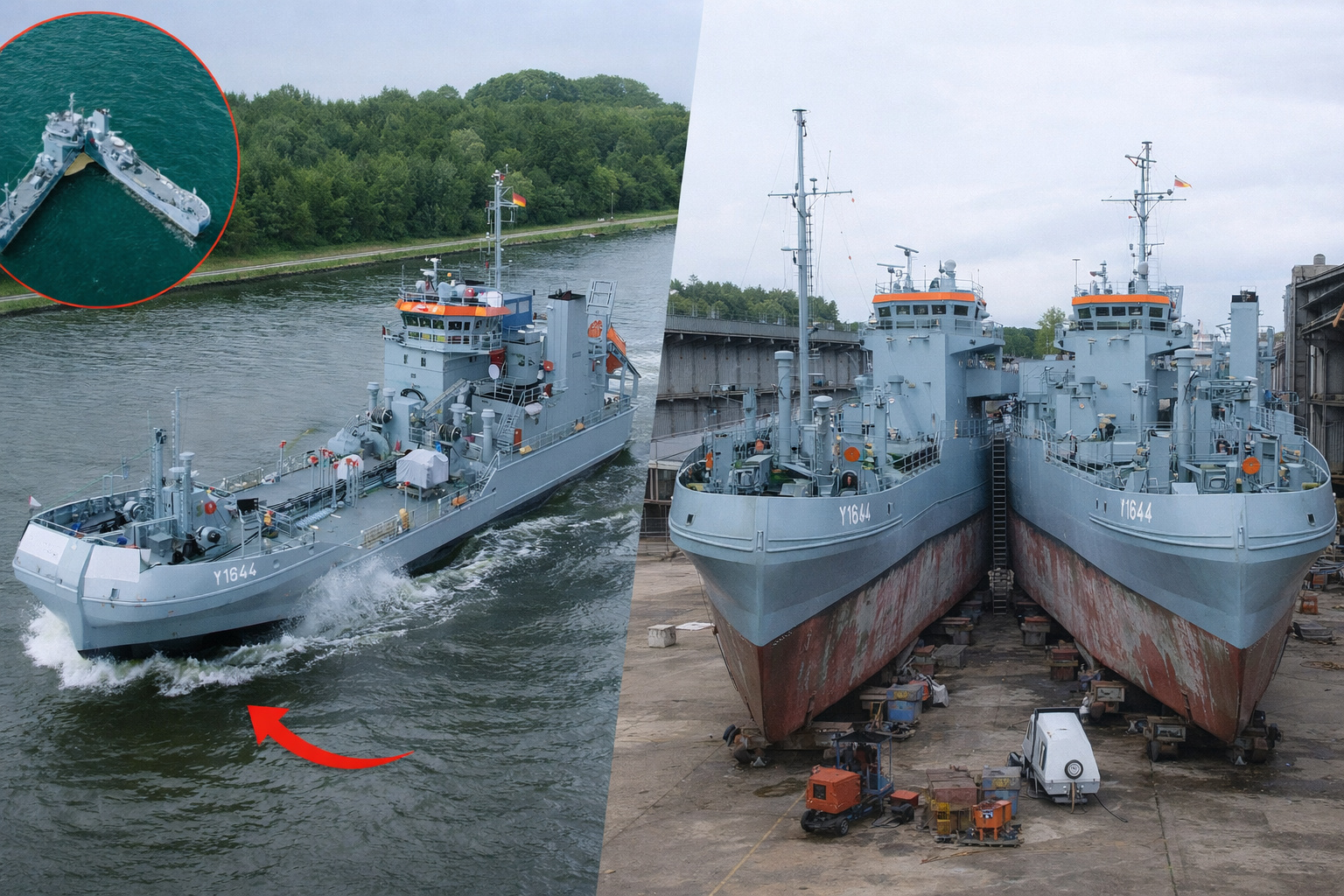
The German ship Bottsand splits its hull in two halves in the middle of the ocean to swallow spilled oil on the surface, separating the oil from the water inside a 790 cubic meter tank and then closing again. It is the only ship in the world factory-designed to split in half as part of normal operations, and the crew of six people who operate everything is civilian.
-
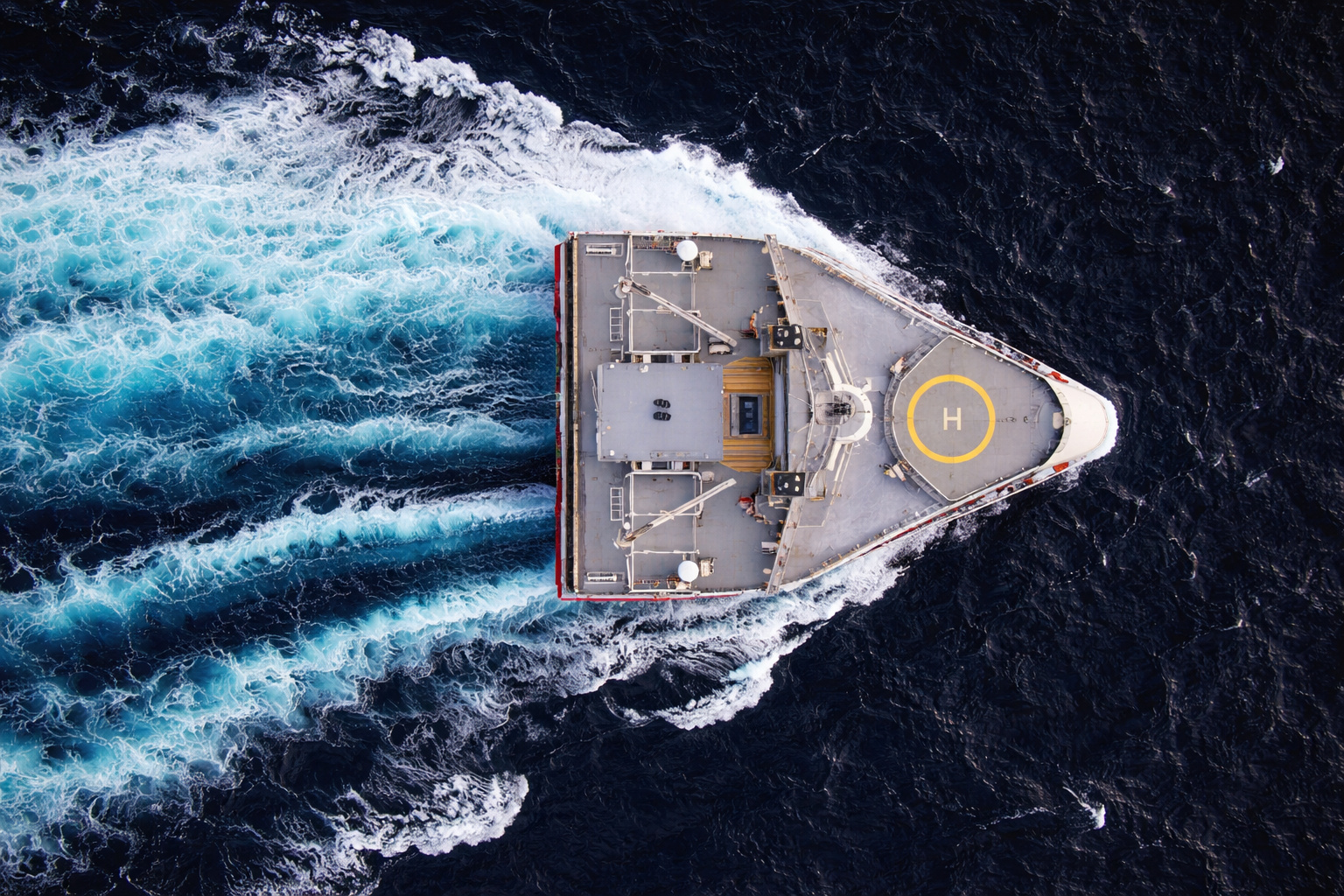
With almost 70 meters in width at the stern and a shape resembling a “giant slice of cheese,” the Ramform Titan tows up to 24 seismic cables to sweep the ocean floor in 3D and reveal oil reserves hidden beneath kilometers of sediment.
-
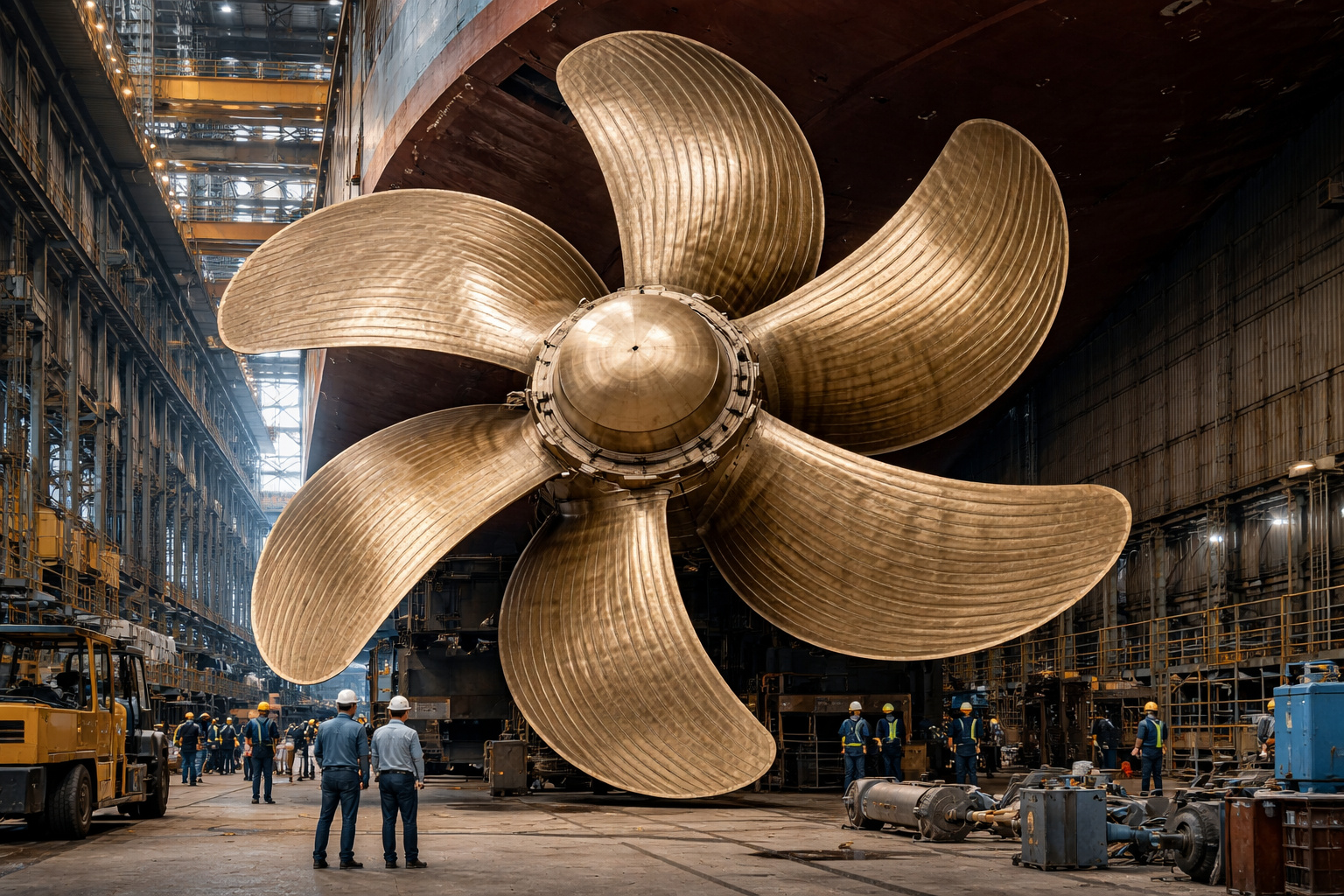
How a 131-ton, 11-meter propeller supports 90% of global trade and transforms the largest container ships on the planet.
-
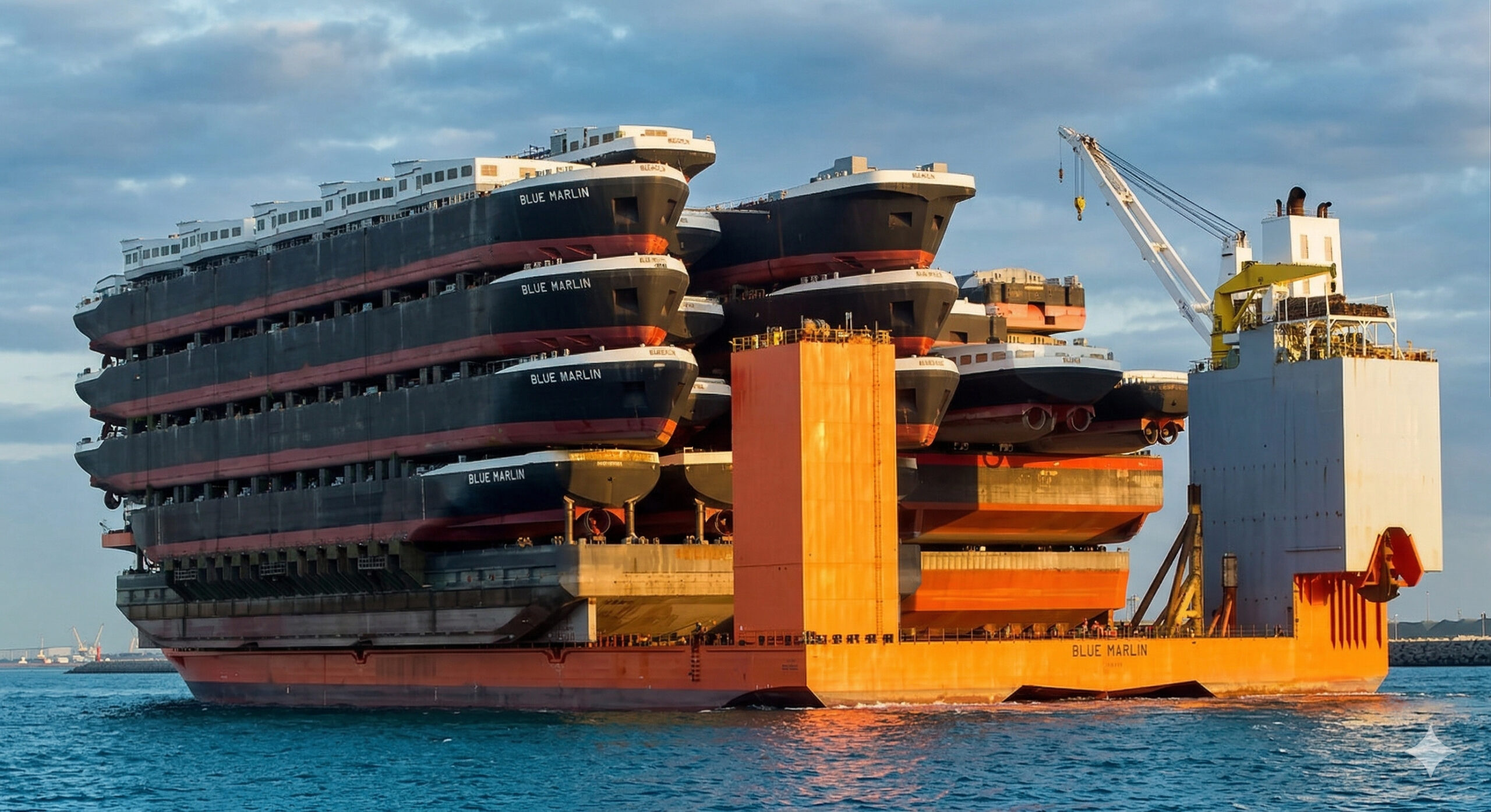
With a length of 225 meters and a capacity of 76 thousand tons, this ship “sinks” its own deck down to 28 meters deep to accommodate war destroyers, oil platforms, and giant radars floating above, and then emerges with everything intact on top like a colossal tray crossing oceans.

Brazilian Nuclear Submarine Expected Delivery in 2029
The delivery of the nuclear submarine is currently scheduled for 2029, but it may also be extended into the next decade. If the deadline is met, Brazil will have ships of this type after a long saga of 50 years since the project’s inception.
“Delayed, but it’s coming out. I want one in 2023, another in 2024, another in 2025? And, if it seems silly, can we have another in 2026?”, said Lu Ra at a press conference held at the Navy. Complex in the end. The president advocated for investment in defense as part of economic development, just like other countries.
According to Lula, a strong defense industry should contribute to a better expression of the Armed Forces, “the more prepared, the more care will be taken with national sovereignty, borders, airspace, forests, mineral resources, soil, subsurface, that is what the country needs”, he noted. With a recent budget of 40 billion reais, Prosub is one of Brazil’s largest defense projects.
Especially after the 2012 crisis, the annual budget allocated to Prosub was cut, which the admiral said was the reason for the repeated delays in the program. Last year, R$ 1.4 billion was paid to Prosub. According to a survey by the newspaper Valor Econômico, expenses for the project are forecasted this year to be R$ 1.2 billion.
Navy Had An Old Desire For A Nuclear Submarine
The Brazilian Navy began its nuclear program in 1979 with the goal of one day building a submarine powered by this energy source, even promising delivery in the early 1990s. The plan initially set two objectives: to master the nuclear fuel cycle, using ultracentrifuges capable of producing enriched uranium, and to build nuclear reactors and their support systems. The program did not go as planned and suffered several delays and interruptions due to a lack of resources, government changes, and difficulties in technology development.
However, the enriched uranium production cycle is already underway, which also helps produce nuclear fuel for the Angra dos Reis nuclear plant. Nevertheless, four decades later, the development of the nuclear reactor is still not complete.
There will be no transfer of technology from France for this key nuclear submarine program – it will only assist with the non-nuclear parts of the ship, such as the hull and the technology to integrate the reactor into the propulsion plant.









Seja o primeiro a reagir!