





 Portuguese
  English
  Spanish
  6 min of reading
  0 comments


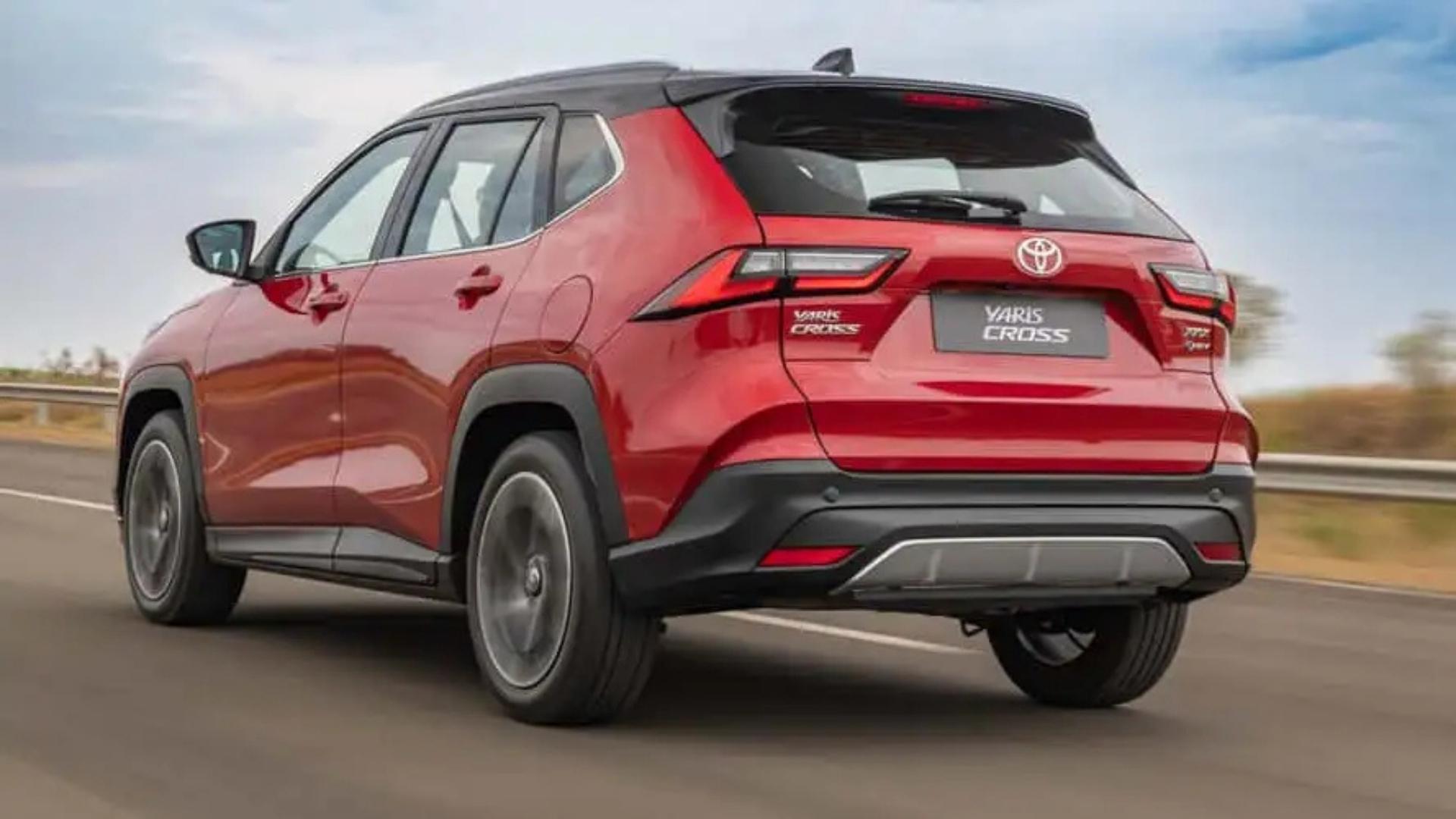
Pre-Sale Advances, Hybrid Versions Lead Demand, and Delivery Schedule Begins to Be Defined at Brazilian Dealerships, Focusing on Consumption, Extended Warranty, and Strategic Positioning in the Compact SUVs Segment of Toyota.
Presented in November 2025 and placed on pre-sale with an initial promotional batch of 8,500 units, the new Toyota Yaris Cross 2026 is expected to start arriving to the first buyers in Brazil and subsequently to the brand’s dealerships.
According to a report originally published by Motor1 this Wednesday (07), consulted dealerships in the São Paulo capital indicate that the first deliveries should occur between the end of February and the beginning of March, a period when the SUV is also expected to be sold more regularly outside the initial reservation regime.
In institutional communications, on the other hand, Toyota itself adopts a broader approach, stating that deliveries to pre-sale customers begin in February 2026, without detailing specific dates by version or region of the country.
-
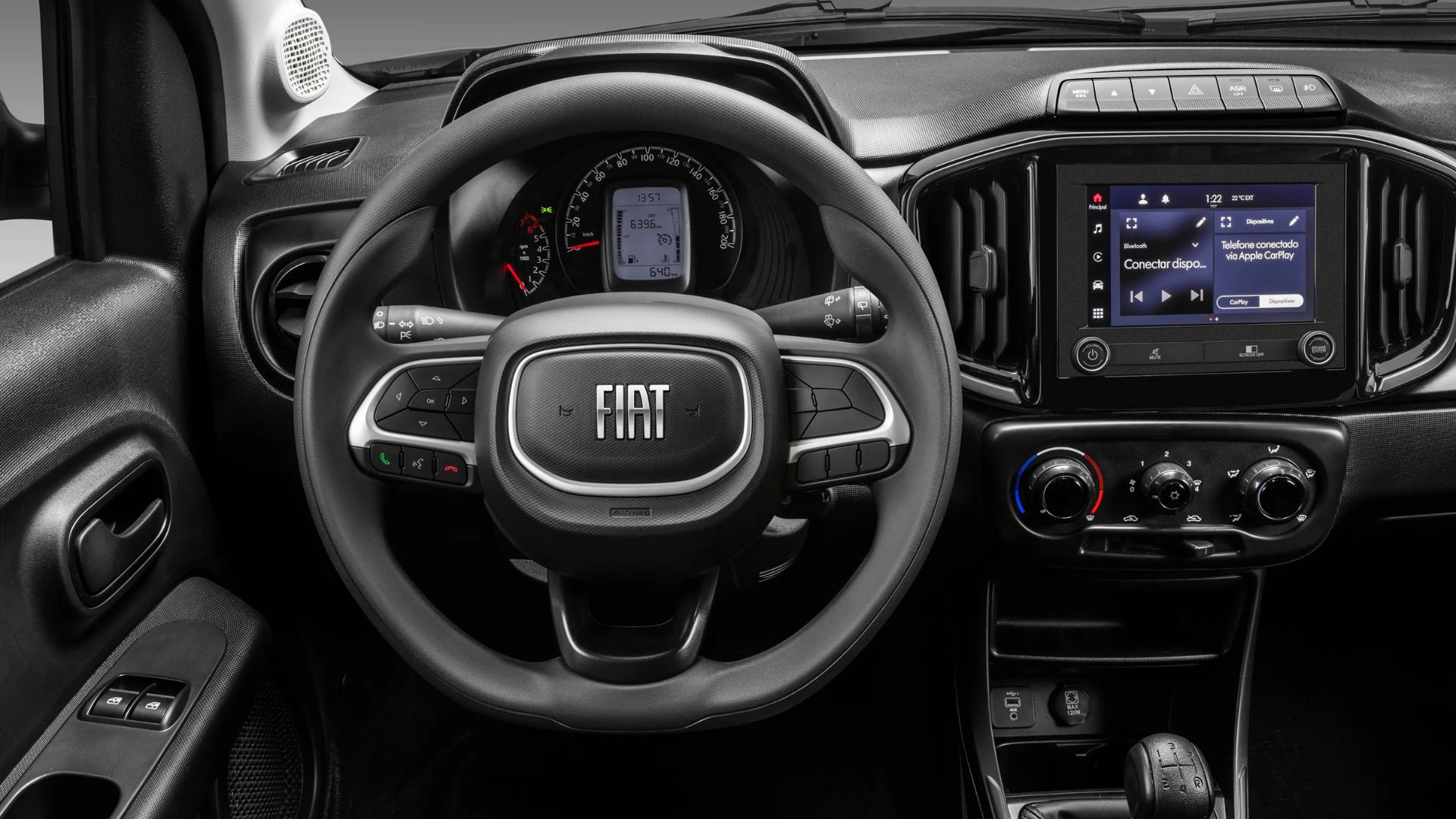
With a 1.0 engine producing 75 hp and costing less than R$ 70,000, Fiat’s car returns to the podium as the cheapest in the country; a temporary promotion for the 2026 Like version reduces the price of the Fiat Mobi.
-
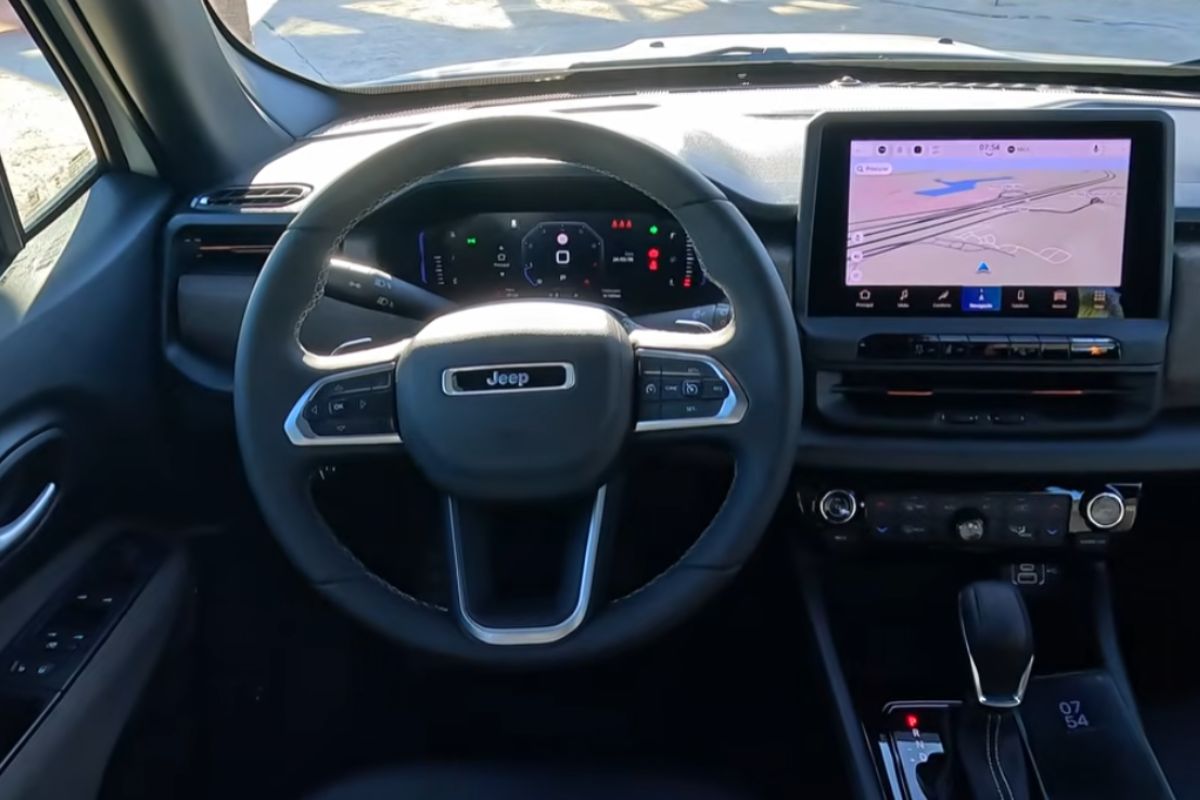
With a mild hybrid system of 48 V, 176 hp and a price of R$ 175,990 in the Sahara version, the new Jeep Renegade changes mostly on the inside, improves slightly in fuel consumption, and remains almost the same car.
-
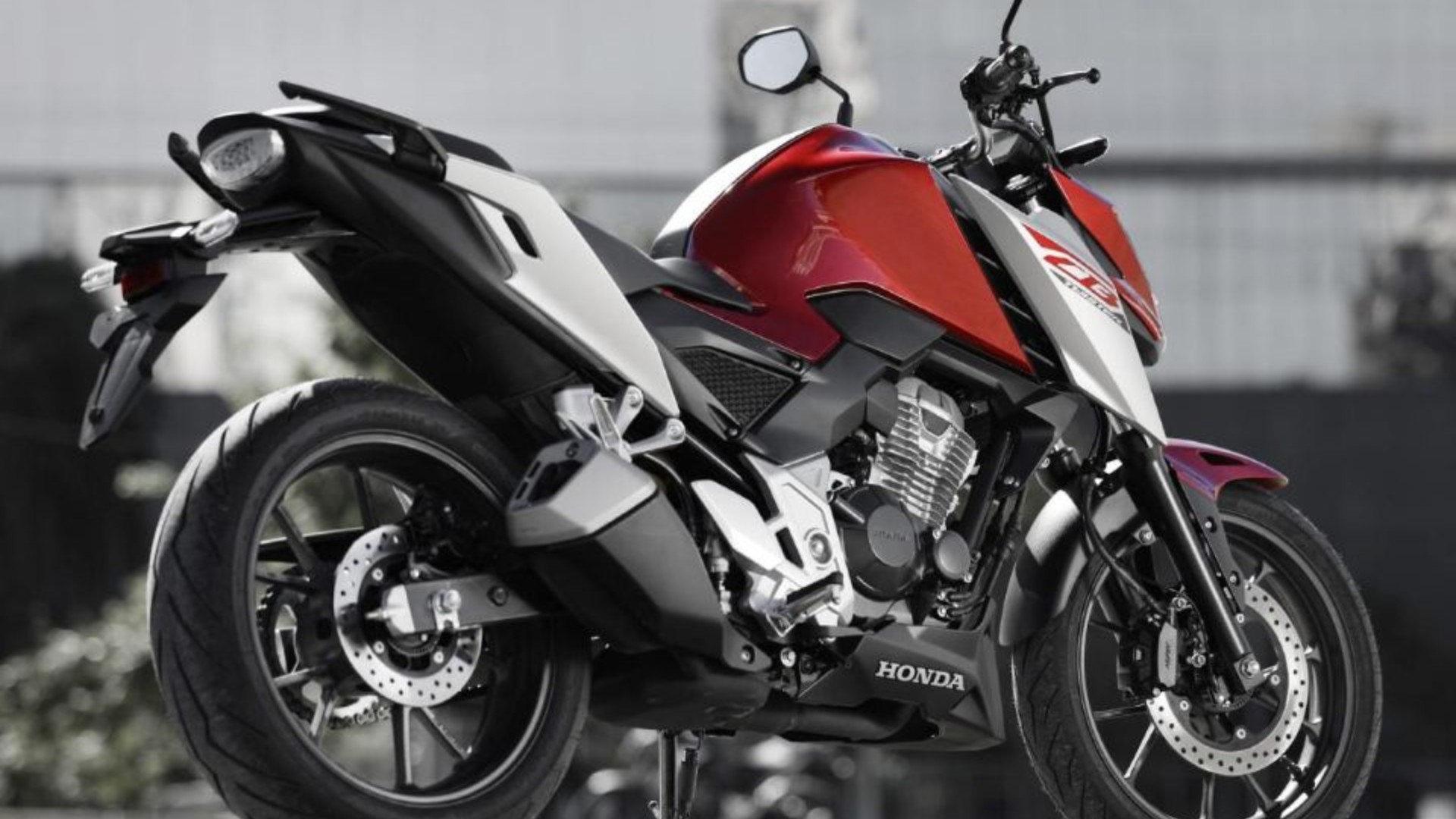
With a 293.5 cm³ engine and a range of up to 400 km with a 14.1-liter tank, the Honda CB 300F Twister 2026 has up to 24.7 hp, an initial price of R$ 25,150, and already exceeds R$ 29,000 in the Fipe Table.
-
With a 1.3 engine, nearly 700 km of range, and Turbo 200, the Fiat model surpasses Polo, Tera HB20, and Onix, becoming the best-selling car in March; see the numbers for the Fiat Strada and others.

In retail, the demand dynamics have been uneven among the configurations. According to Motor1’s investigation with brand retailers, hybrid versions were the first to sell out in some combinations, and in certain cases, new reservations began to depend on color availability.
In contrast, the entry-level versions, equipped only with the 1.5 aspirated engine, continue to appear as a viable ordering alternative in a larger number of scenarios, including greater flexibility in paint options.
Toyota’s Strategy for the Yaris Cross in Brazil

The Yaris Cross 2026 lineup arrives structured in four versions and two well-defined mechanical proposals, a strategy that aims to cater to distinct consumer profiles within the compact SUVs segment.
While two configurations use the 1.5 aspirated flex engine, the other two rely on full hybrid technology, also 1.5, regarded by Toyota as the model’s main differentiator by combining electrification and efficiency in urban use.
The prices announced for the pre-sale phase start at R$ 161,390 and go up to R$ 189,990, varying according to the mechanical set and the equipment level of each version.
In addition to consumption, the Japanese automaker reinforces the reliability narrative by offering the Toyota 10 program, which allows for extending the vehicle’s warranty for up to a decade, provided the owner performs periodic maintenance at authorized service centers.
According to the rules provided by the manufacturer, the extension can be activated every 10,000 km or 12 months and is valid until the car reaches 10 years or 200,000 km, whichever comes first, with specific conditions for private and commercial use.
Dimensions and Positioning of the Compact SUV
In terms of size, the Yaris Cross fits as a compact SUV but presents dimensions that place it among the largest in the category.

The model measures 4.31 meters in length, 1.77 m in width, 1.65 m in height, and features 2.62 m in wheelbase, figures that help explain its positioning above more compact SUVs.
Within Toyota’s own lineup, the most direct comparison is with the Corolla Cross, which measures 4.46 m in length, 1.82 m in width, 1.62 m in height, and has a wheelbase of 2.64 m.
This dimensional proximity reinforces the Yaris Cross’s proposal to serve as a more accessible alternative, but without compromising internal space and visual presence compatible with family use and travel.
Equipment and Differences Between Versions
In the XRE configuration, which opens the range, the Yaris Cross already delivers a package focused on safety and convenience for everyday use.
Among the items included are six airbags, disc brakes on all four wheels, 17-inch alloy wheels with 215/60 tires, manual air conditioning with rear seat vents, and mirrors with electric adjustment and folding.
Also part of the list are headlights with automatic activation and electric height adjustment, rear parking sensors, adaptive cruise control, push-button start, and a 10-inch multimedia center with a rear camera, in addition to an instrument panel with a 7-inch TFT screen.

The XRE Hybrid version retains the content of the XRE and adds the hybrid system with e-CVT transmission, maintaining Toyota’s policy of not offering additional optional packages.
In terms of appearance, this configuration expands color options and includes combinations with a black roof in certain trims.
Moving up the range, the XRX adds comfort features and driver assistance that enhance the onboard experience.
Among the highlights are the electric trunk opening with a presence sensor, 18-inch wheels with 215/55 tires, electrochromatic interior mirror, ambient lighting in the center console and doors, as well as systems like blind-spot monitor, front parking sensor, and rear cross-traffic alert.
This version can also feature a 360-degree panoramic view and a fixed glass roof with an electric shade, always within closed packages.
At the top of the line, the XRX Hybrid combines the content of the XRX with the hybrid engine, being regarded by the brand as the most complete option. According to Motor1, this configuration is among the first to sell out in the initial batch in certain colors.

Engine, Consumption, and Focus on Urban Use
In the versions equipped solely with a combustion engine, the Yaris Cross uses the 1.5 2NR-VD flex engine, with power of 122 hp with ethanol and 110 hp with gasoline.
This system works in conjunction with an automatic CVT transmission simulating seven gears.
Consumption data indicate averages of 8.8 km/l with ethanol and 12.6 km/l with gasoline in the city, as well as 10.2 km/l with ethanol and 14.3 km/l with gasoline on the highway.
In the hybrid versions, Toyota combines the 1.5 2NR-VEX engine with an electric system, with a combined power rating of 111 hp and an e-CVT transmission.
In this case, the highlight is urban usage, with averages of 13.2 km/l with ethanol and 17.9 km/l with gasoline, while highway figures provided are 10.7 km/l with ethanol and 15.3 km/l with gasoline.

These figures help explain why the electrified versions have garnered greater interest since the pre-sale, as already pointed out by Motor1 in its original publication.
When Does the Yaris Cross Start to Appear in Dealerships
The arrival of the Yaris Cross to the Brazilian public occurs on two complementary fronts.
Officially, Toyota reports that deliveries to pre-sale customers begin in February 2026.
In retail, however, dealerships report that part of the initial batch may begin to be delivered between the end of February and the beginning of March, as investigated by Motor1 based on information from retailers.
This interval is also expected to mark the transition to a broader offer at dealerships, now outside the scope of the promotional batch.
With the approach of deliveries and the strong demand for the hybrid versions, attention now turns to the real availability in showrooms and to the timelines faced by those opting for more sought-after colors and configurations.








-

-

-

4 pessoas reagiram a isso.