





 English
  Francês
  Alemão
  Italiano
  Japonês
  Norueguês
  Portuguese
  Spanish
 3 min of reading
  0 comments


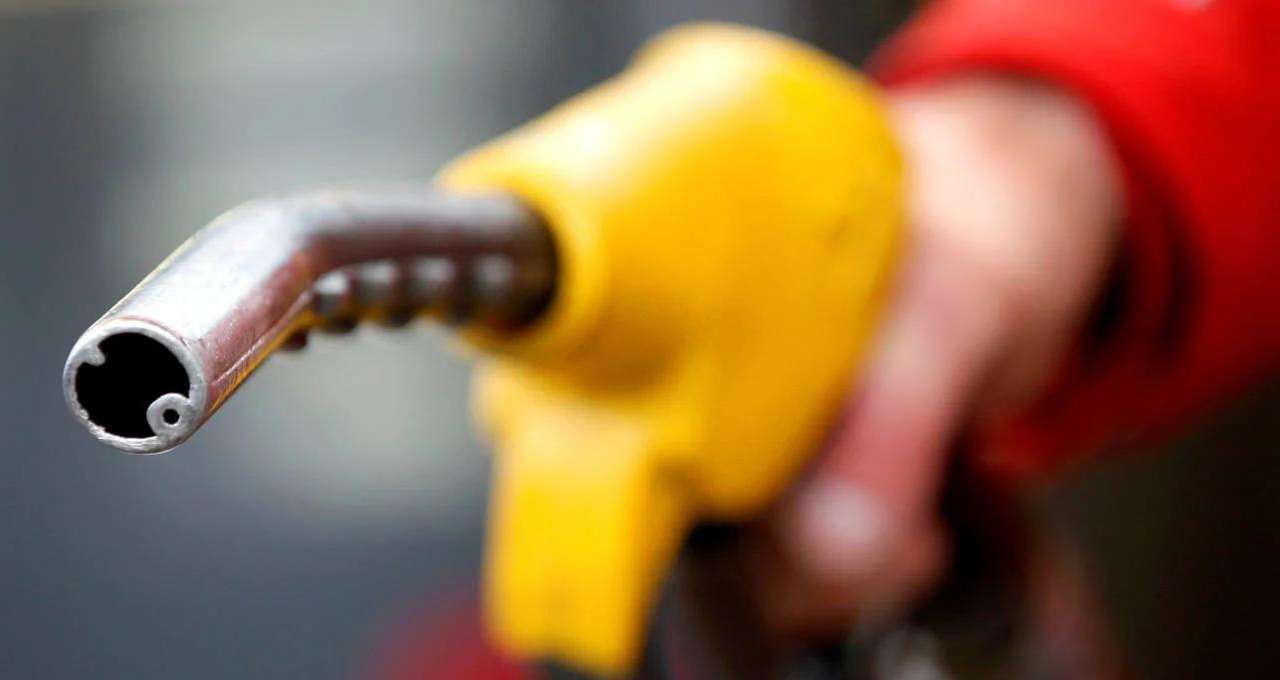
Oil companies with a presence in Brazil argued on Wednesday (25) for the elimination of the selective tax of 1% on oil extraction from the document.
The selective tax for the oil sector will increase the prices of gasoline and diesel, says IBP. Oil companies operating in Brazil defended on Wednesday (25) the removal of the selective tax of 1% on oil extraction from the tax reform text. They argue that including the sector could cause inflationary pressure and undermine Brazil’s competitiveness against other countries in the race for investments. The report on the reform, published earlier by the matter’s rapporteur in the Senate, Eduardo Braga (MDB-AM), established a ceiling of 1% for the collection of a Selective Tax on the extraction of non-renewable natural resources, such as iron ore and oil, among other sectors.
Roberto Ardenghy, president of the Brazilian Institute of Oil (IBP), which represents oil companies like Petrobras, Shell, and Exxon Mobil in Brazil, stated that the segment is already highly taxed throughout the production chain. He cited taxes such as special participation and royalties, which are levied on oil production, as well as Cide, which is charged on the commercialization of fuels.
“Brazil consumes 390 million liters of diesel, gasoline, and other fuels per day, it is a huge market, all sectors of the economy have a greater or lesser dependence on this activity”, highlighted Ardenghy. “So, when you create an external tax, not foreseen for this sector, you inevitably generate an inflationary pressure that will affect all consumers… We believe this measure should not prosper because it burdens society as a whole.”
-
Government unlocks R$ 554 million for a highway that has been requested for decades and accelerates the duplication of BR.
-
Without bricks, without cement, and without endless construction: the cardboard house that is assembled in modules and can be moved.

-
Billions of barrels on the equatorial margin could lead Amapá to double its oil production in Brazil — the state aims to enter the route of companies in the Campos Basin, attract investments, and boost jobs and businesses in the oil and gas sector.
-
Without bricks, without cement, and without endless construction: the cardboard house that is assembled in modules and can be moved.

More expensive gasoline and diesel. In his report, Braga specified that the collection of the selective tax on the extraction of non-renewable natural resources will be limited to 1%. According to him, Congress may subsequently define essential inputs for the country’s development, such as lithium, that could be exempt from this charge. However, Ardenghy also defended the essentiality of the oil and derivatives segment.
“The selective tax is traditionally a tax for luxury activities, such as cigarettes, alcoholic beverages, and other sectors that do not have the economic importance that the oil and fuel production sector does”, he stated. “People cannot simply decide not to use fuel; it is not a decision like quitting smoking or drinking”, he added.
Regarding the potential loss of competitiveness pointed out, Ardenghy stated that the oil sector is globalized. “The moment you impose a tax on oil extraction, as proposed, you automatically generate a burden on the project not originally foreseen, and then companies may decide to go to other countries”, he stated.
Also read: Buy or Sell? Vale (VALE3): More dividends and appreciation; today’s jump may just be the beginning, say analysts. Ups and downs of the Stock Market. Ibovespa: Banco do Brasil (BBAS3) is the negative highlight while Vale (VALE3) advances; see.







Seja o primeiro a reagir!